What a Chevron Conveyor Belt Is
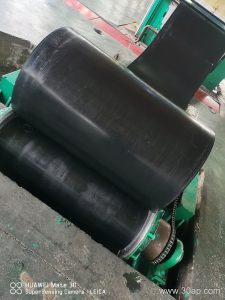
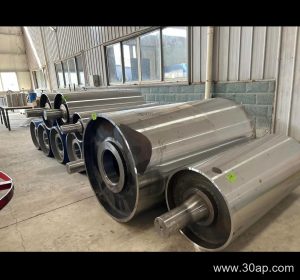
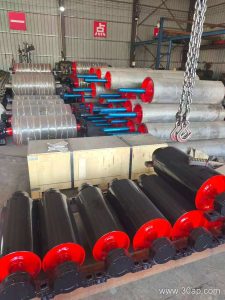
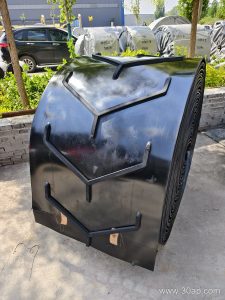
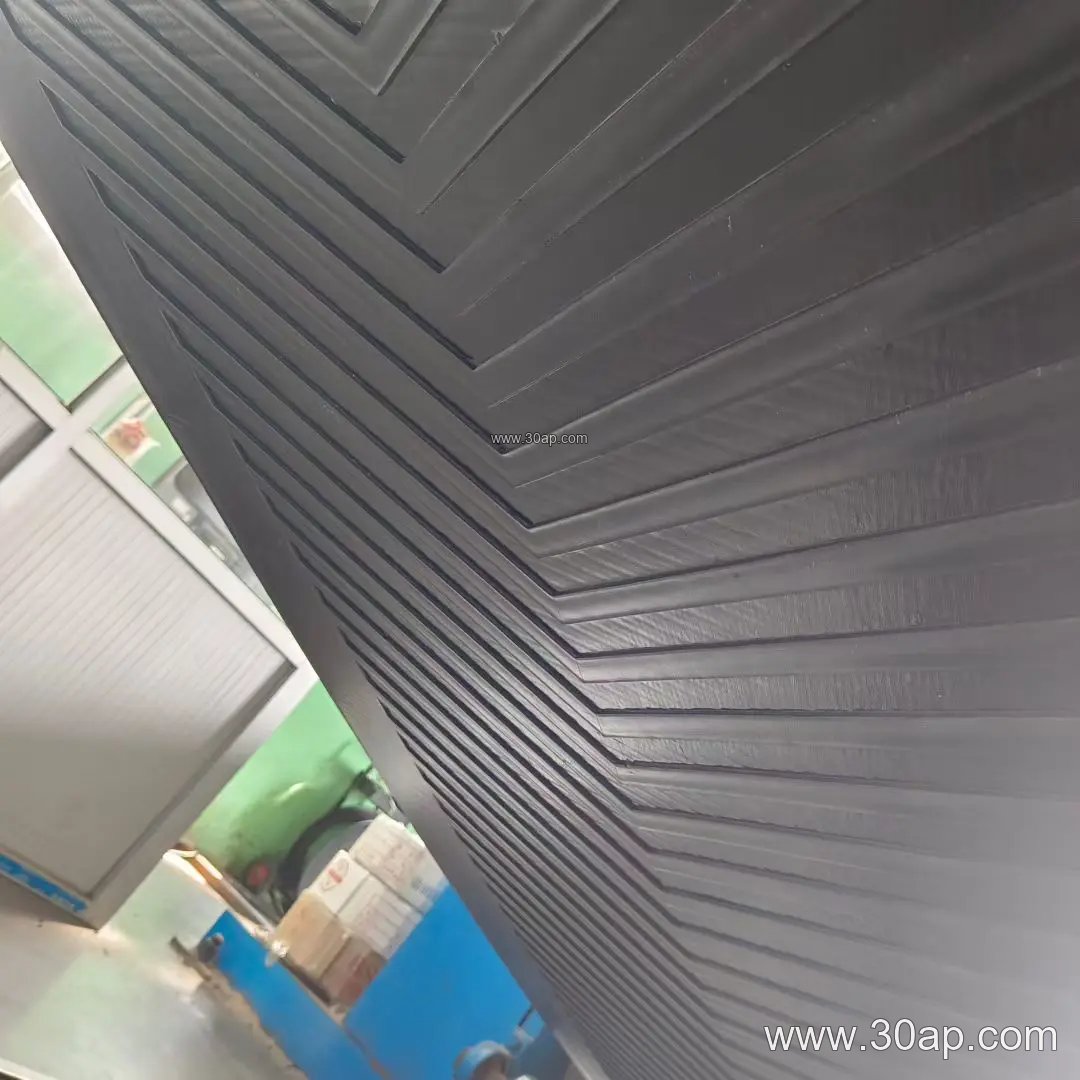
A chevron conveyor belt is a rubber belt with raised cleat patterns molded onto the top cover. The chevrons form V-shaped ridges that help hold loose material on an incline. In the field, this product is also called a chevron rubber conveyor belt or a V-cleat patterned belt. It is not a replacement for a drive pulley, tail pulley, or bend pulley; those are separate conveyor components with their own functions.
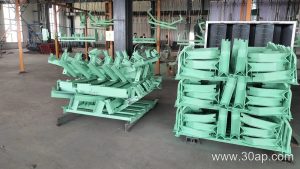
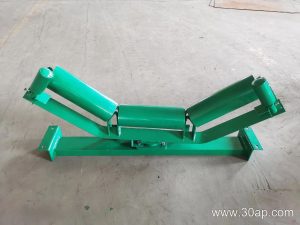
The raised pattern is the defining feature. It suits inclined conveying where plain belts may allow material to slide back, especially when the load is wet or the slope is significant. The belt still runs on a conventional conveyor frame with idler rollers, conveyor pulleys, and conveyor brackets, so the chevron profile is a belt-level solution rather than a change to the whole conveyor structure.
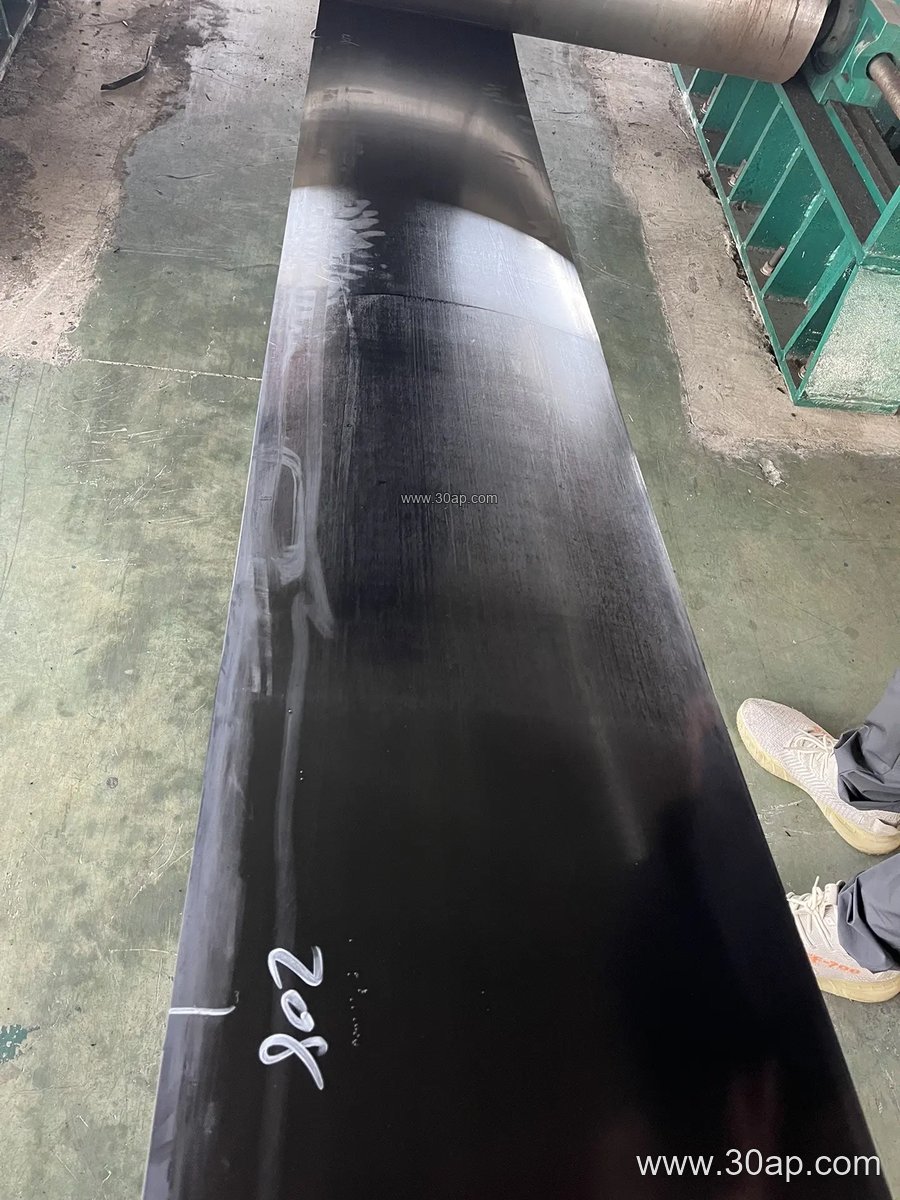
Construction and Surface Forms
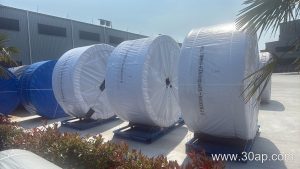
The belt body is built like a standard fabric-reinforced rubber belt, with a carcass of EP or NN plies and top and bottom covers. The chevron ribs are usually molded into the top cover during vulcanization, so the profile is integral rather than glued on. Common surface forms include open V patterns, closed V patterns, and higher cleat profiles for steeper duties. A wave-shaped sidewall belt is a different subtype used for steep inclines with material containment; it is not the same as a chevron belt and should be chosen only when the application calls for it.
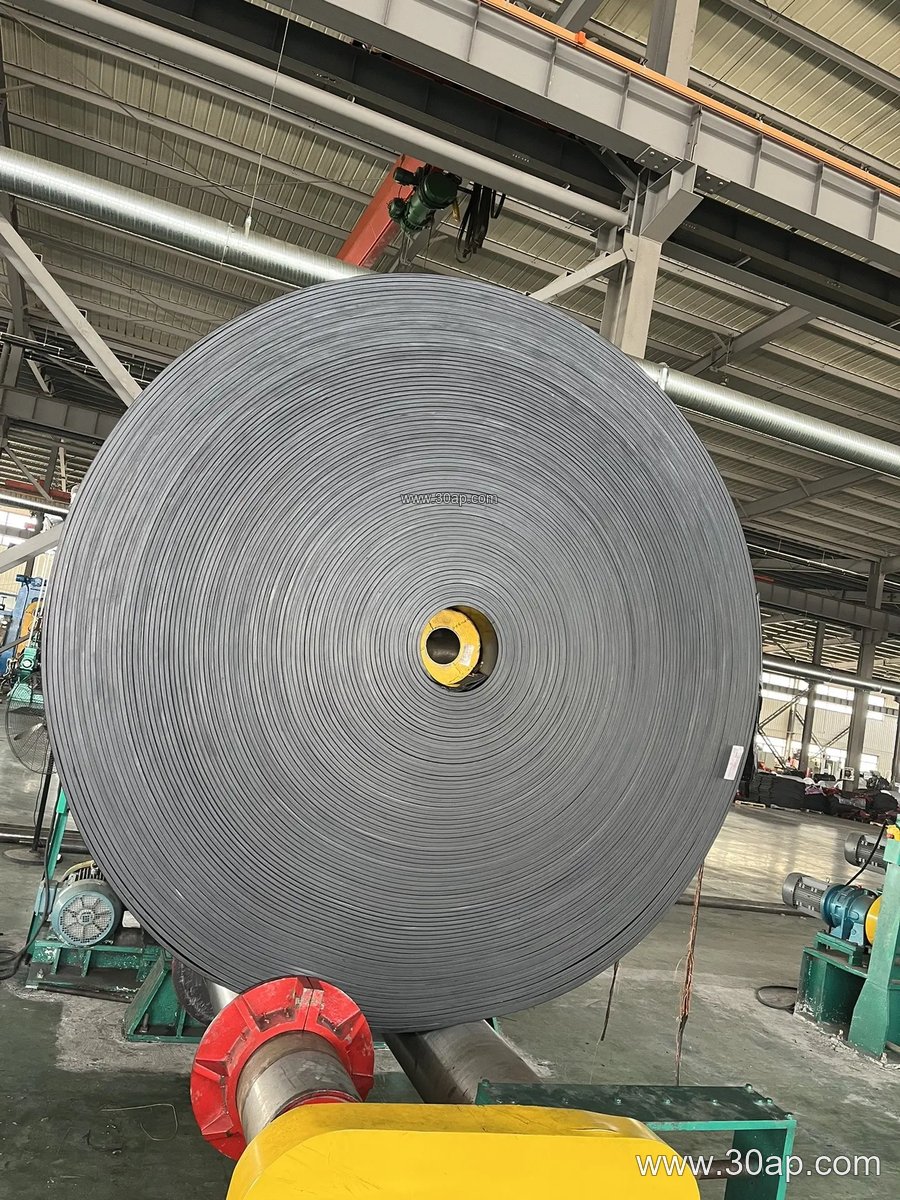
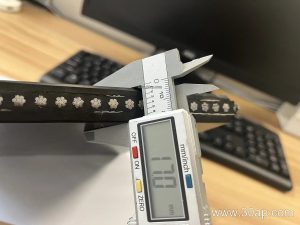
Cover thickness is usually stated as a top-plus-bottom pair, such as 3+1.5 mm, 4+2 mm, 5+2 mm, 6+2 mm, or 8+3 mm. Carcass plies commonly range from 2 to 6 layers, depending on the required tensile strength. Strength grades such as EP200, EP400, EP630, EP1000, or EP1600 may appear in specifications, but the final selection follows the actual duty and design basis.
Where It Fits in Bulk Handling
Chevron belts are common in mining, coal preparation, cement plants, power stations, and sand and gravel yards. They are used on inclined feeders, transfer conveyors, and yard belts where the angle makes a smooth belt risky. In these circuits, the belt works with idler rollers, head and tail pulleys, and conveyor brackets, so alignment and pulley condition matter as much as the cleat pattern.
The profile also helps in mobile plants and hopper discharge lines, where feed rates vary and material may arrive damp. It is less suitable for applications that require a flat, smooth surface for scraping or cleaning, since the ribs can trap fines.
Common Reference Dimensions
The table below lists common belt widths, strength grades, and cover combinations for reference. These are examples, not fixed pairings, and actual values are confirmed by design.
| Parameter | Common reference values |
|---|---|
| Belt width | B500, B650, B800, B1000, B1200, B1400, B1600, B1800, B2000 |
| Strength grade | EP200, EP315, EP400, EP500, EP630, EP800, EP1000, EP1250, EP1600, EP2000 |
| Cover thickness | 3+1.5 mm, 4+2 mm, 5+2 mm, 6+2 mm, 8+3 mm |
| Carcass plies | Usually 2 to 6 layers |
| Surface form | Open V, closed V, and higher cleat profiles |
Belt width is matched to the conveyor frame and pulley face, not to a single fixed pulley diameter. Larger pulleys are generally used with thicker belts and higher tensions, but the relationship is set by the conveyor design.
Selection and Use Notes
- Check the incline angle and material condition before choosing the chevron height; wet or rounded material needs more grip.
- Confirm the carcass strength against the actual working tension, not only the belt width.
- Keep idler rollers and conveyor pulleys aligned, because a raised profile can amplify tracking problems.
- Use skirt rubber and loading chutes that clear the chevron height to avoid rubbing.
- For coal or dusty service, consider flame-retardant and antistatic cover options where the site requires them.
- In cold or oily conditions, discuss low-temperature or oil-resistant covers with the supplier.
A chevron conveyor belt is a practical choice for inclined bulk haulage in mining, cement, power, and aggregate operations. Buyers should treat the cleat pattern, carcass grade, cover thickness, and belt width as a set of connected decisions, then verify them against the conveyor layout and the material being handled.