What Idler Procurement Covers
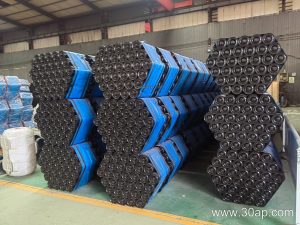
Idler procurement is the process of specifying and buying the carrying and return rollers that support a conveyor belt along its route. In a quarry or a cement plant, these components are consumables: they rotate continuously, carry abrasive loads, and wear out. Buying them well means matching roller type, roller diameter, belt width, and bearing class to the duty, then keeping enough spares on site to avoid a stoppage.
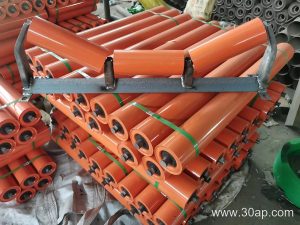
The product itself is a steel tube with a shaft, bearing housings, and seals at each end. The tube is the part the conveyor belt touches. The shaft and bearings determine how freely the tube turns. Seals decide how long it lasts in dust.
Types and Where They Sit on the Conveyor
Most procurement lists separate rollers by position and function:
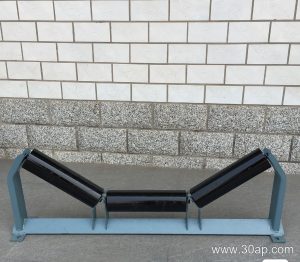
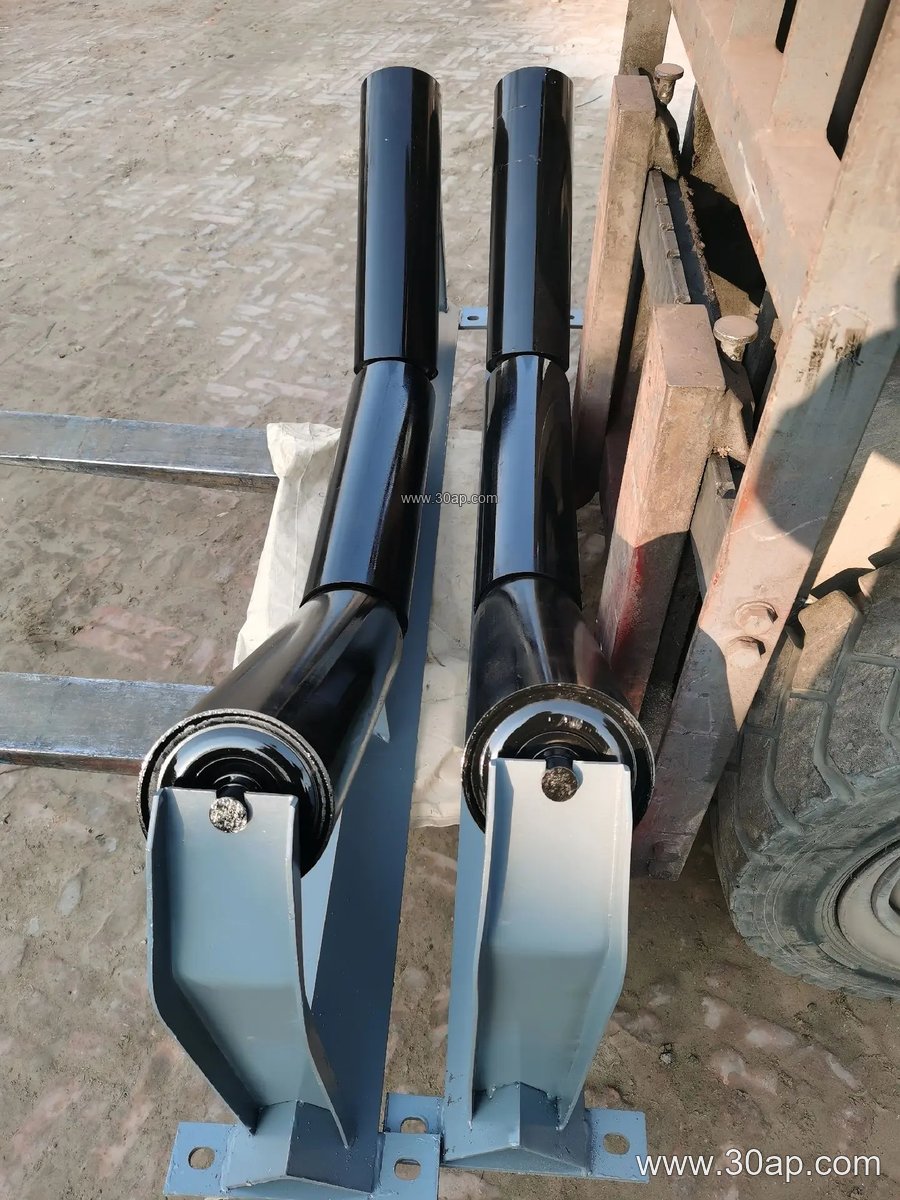
- Troughing idlers sit on the carrying side and support the loaded belt in a trough. They come as single-roll, two-roll, or three-roll assemblies.
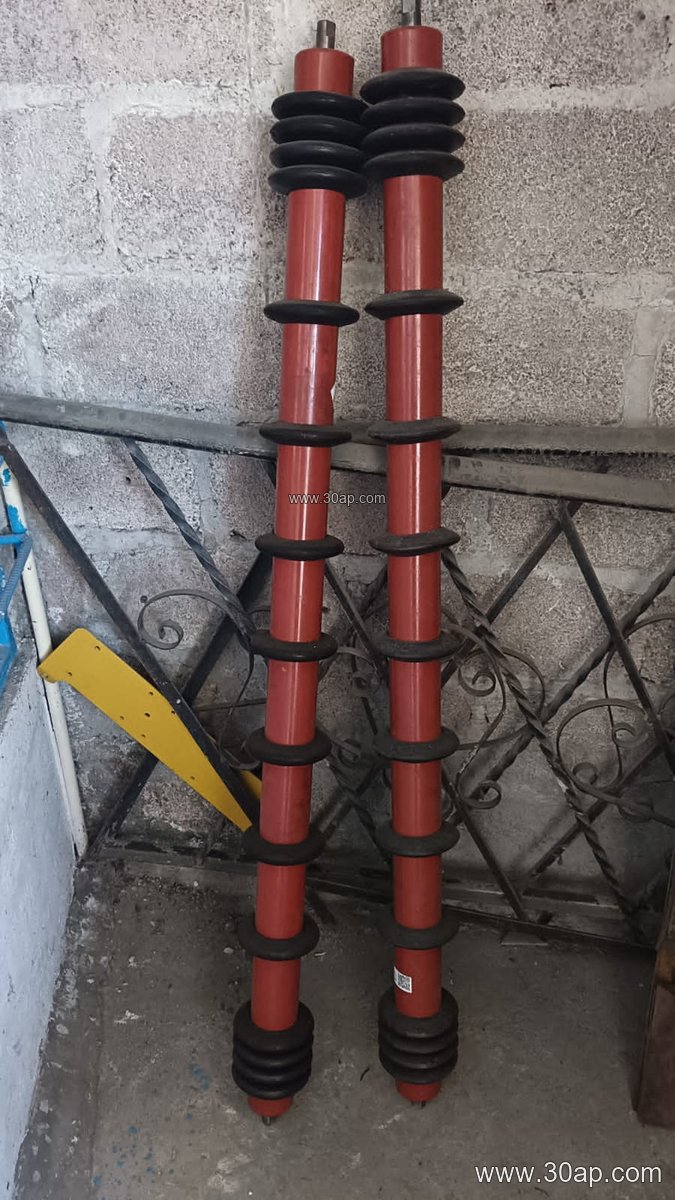
- Impact idlers sit under the loading point, where the belt receives falling material. Rubber-disc versions absorb shock better than plain steel.
- Return idlers support the empty belt on the return run. Flat return rollers and V-return rollers are the common forms.
- Training idlers correct belt misalignment. Friction and tapered designs work on different principles, so the choice depends on belt speed and load.
- Transition idlers sit near the head and tail pulleys, where the belt changes from flat to troughed and back.
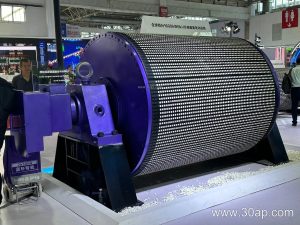
Drive pulleys, tail pulleys, and bend pulleys are different components and are not part of an idler order. They are specified separately with their own diameters, lagging, and shaft details.
Parameters a Buyer Should Confirm
An idler order is only as good as the specification behind it. The following reference values are typical examples, not fixed combinations; the final figures come from the conveyor design.
| Parameter | Common reference values |
|---|---|
| Roller diameter | Ø63, Ø76, Ø89, Ø102, Ø108, Ø127, Ø133, Ø159, Ø178 mm |
| Belt width | B400, B500, B650, B800, B1000, B1200, B1400, B1600 mm |
| Trough angle | 20°, 30°, 35°, 45° |
| Roller surface | Steel tube, nylon, ceramic, rubber disc |
| Bearing | 6204, 6205, 6305, 6306, 6308, 6310 |
Roller length follows belt width and trough form. For a three-roll troughing set, a B800 belt commonly uses rollers around 315 mm long, while B1200 often calls for about 465 mm. Side rollers and centre rollers can differ, so the length should be confirmed against the actual frame. Bearing size is set by load and speed, not by belt width alone.
Seals, Bearings, and Surface Choice
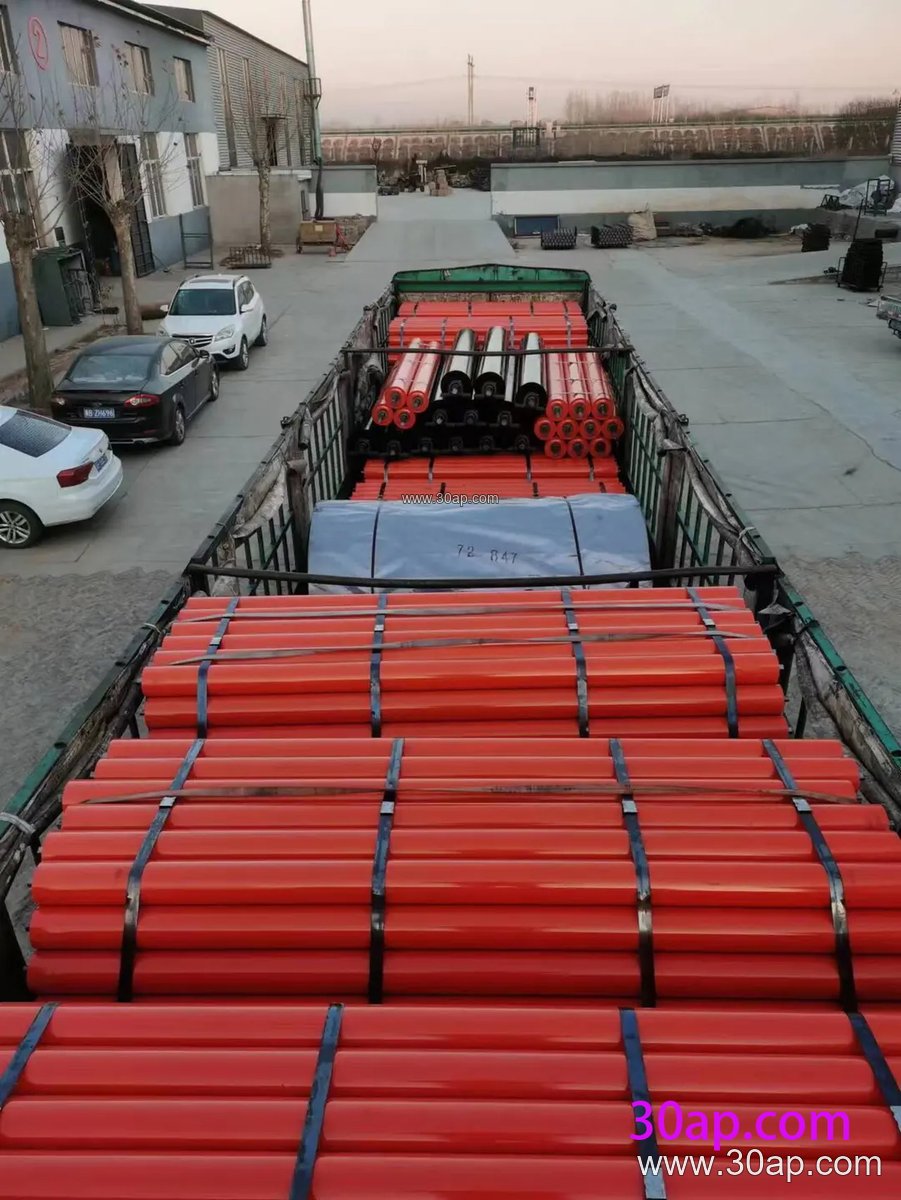
In a cement plant or a coal handling system, dust is the main enemy. Labyrinth seals and good bearing grease retention matter more than a small price difference per piece. A roller that seizes will wear through the conveyor belt quickly, and a belt is far more expensive than a roller.
Surface choice follows the duty. Steel tube is standard. Rubber discs suit impact zones. Ceramic or nylon covers may be considered where build-up or abrasion is a problem. The correct decision depends on the material being conveyed and the loading conditions, not on a general rule.
Procurement Checklist
- Confirm roller diameter, length, and trough angle against the existing conveyor bracket and frame.
- State the bearing number and seal type required.
- Separate carrying, return, impact, and training rollers on the purchase list.
- Order spare rollers for the highest-wear positions, such as the loading zone.
- Keep drive pulleys, tail pulleys, and bend pulleys on a separate specification.
Good idler procurement is mostly about clear specifications and steady spare stock. When the roller matches the belt width, the trough form, and the dust conditions, the conveyor runs quietly and the belt lasts longer.