What a Cement Conveyor Belt Is
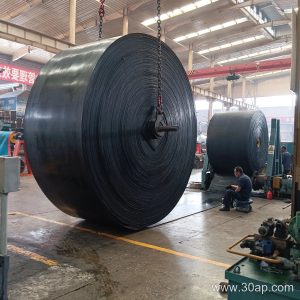
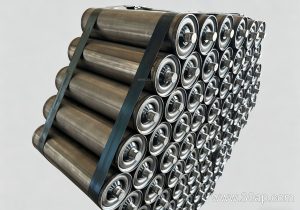
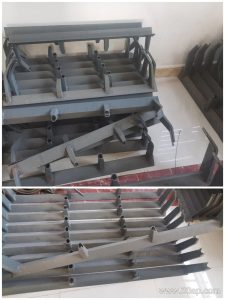
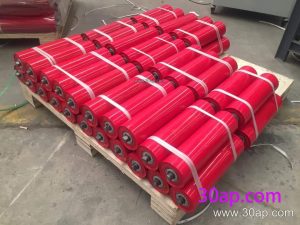
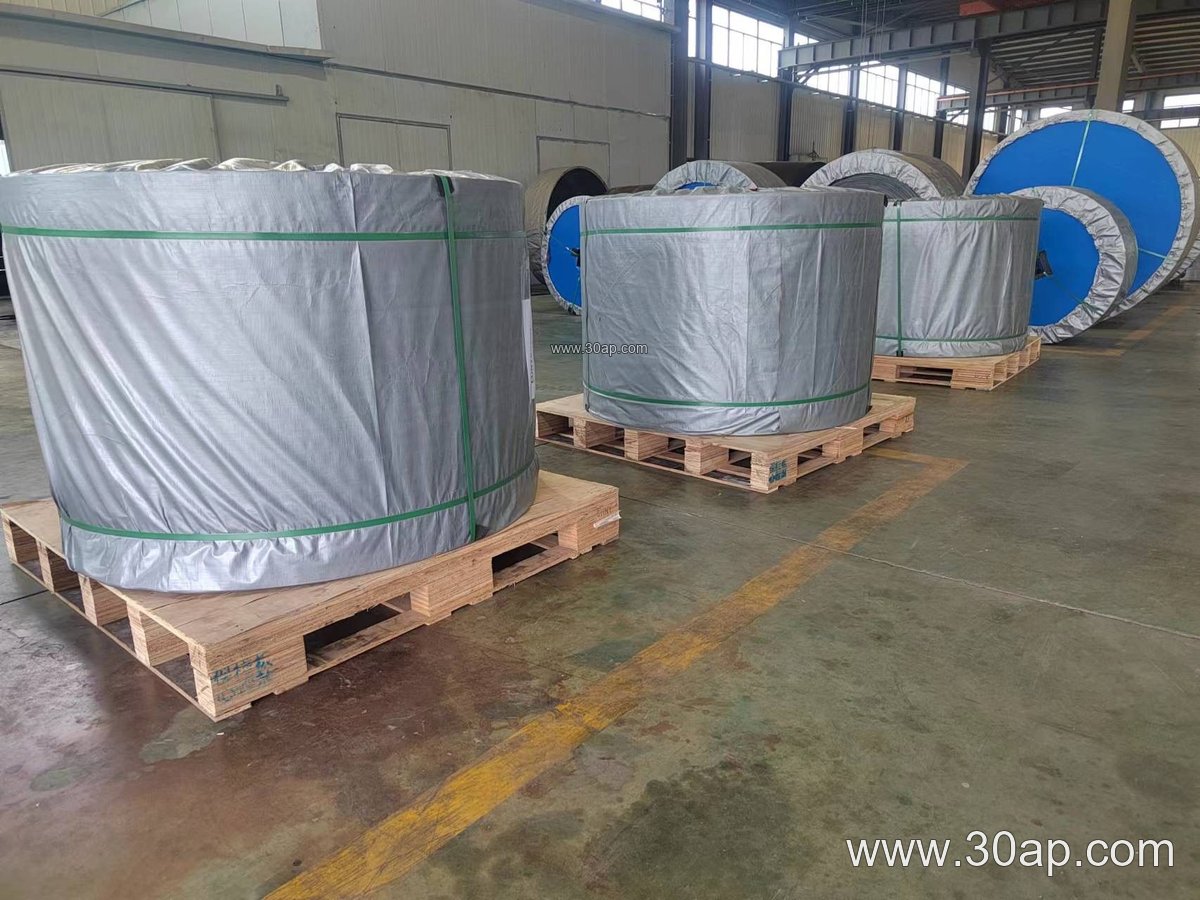
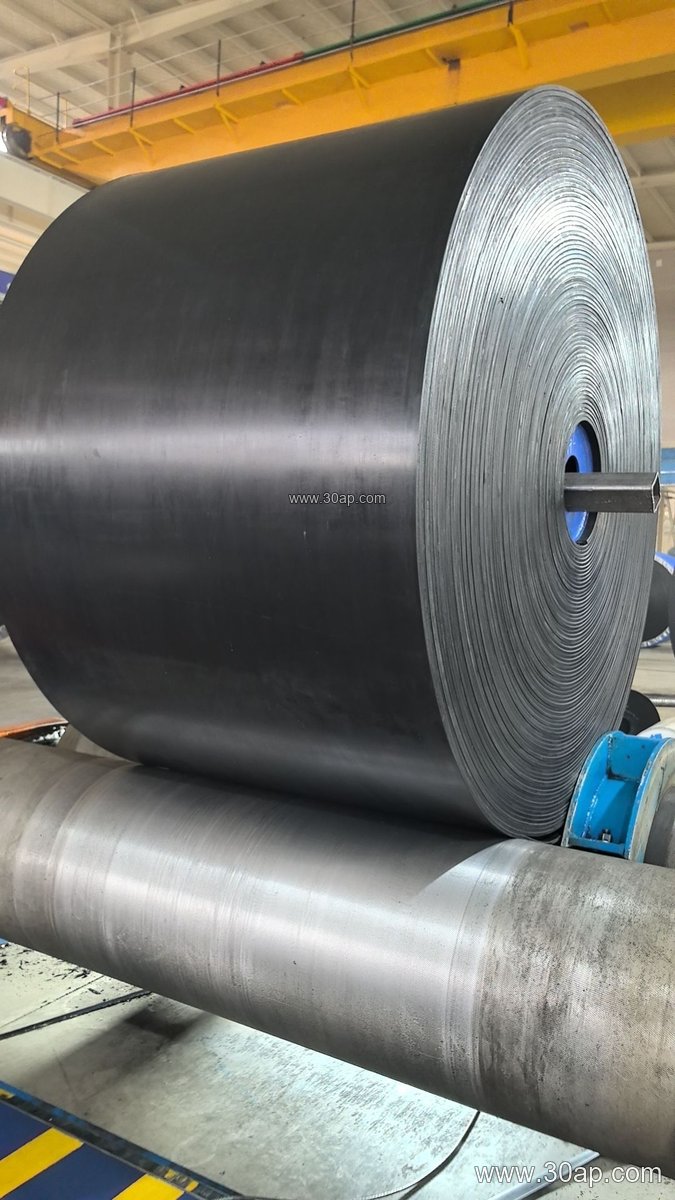
A cement conveyor belt is the load-carrying component of a belt conveyor system used to move clinker, limestone, gypsum, cement powder, and other bulk materials in cement plants, quarries, mines, power stations, and sand and gravel yards. It is typically a rubber or PVC/PVG belt with a textile or steel cord carcass, covered by top and bottom rubber layers. The belt runs over conveyor pulleys, supported by idler rollers, and held in alignment by conveyor brackets and frames. While the belt is the main subject here, it works as part of a complete conveyor that includes drive, tail, and bend pulleys—each with a distinct role and not interchangeable with the others.
Construction and Common Types
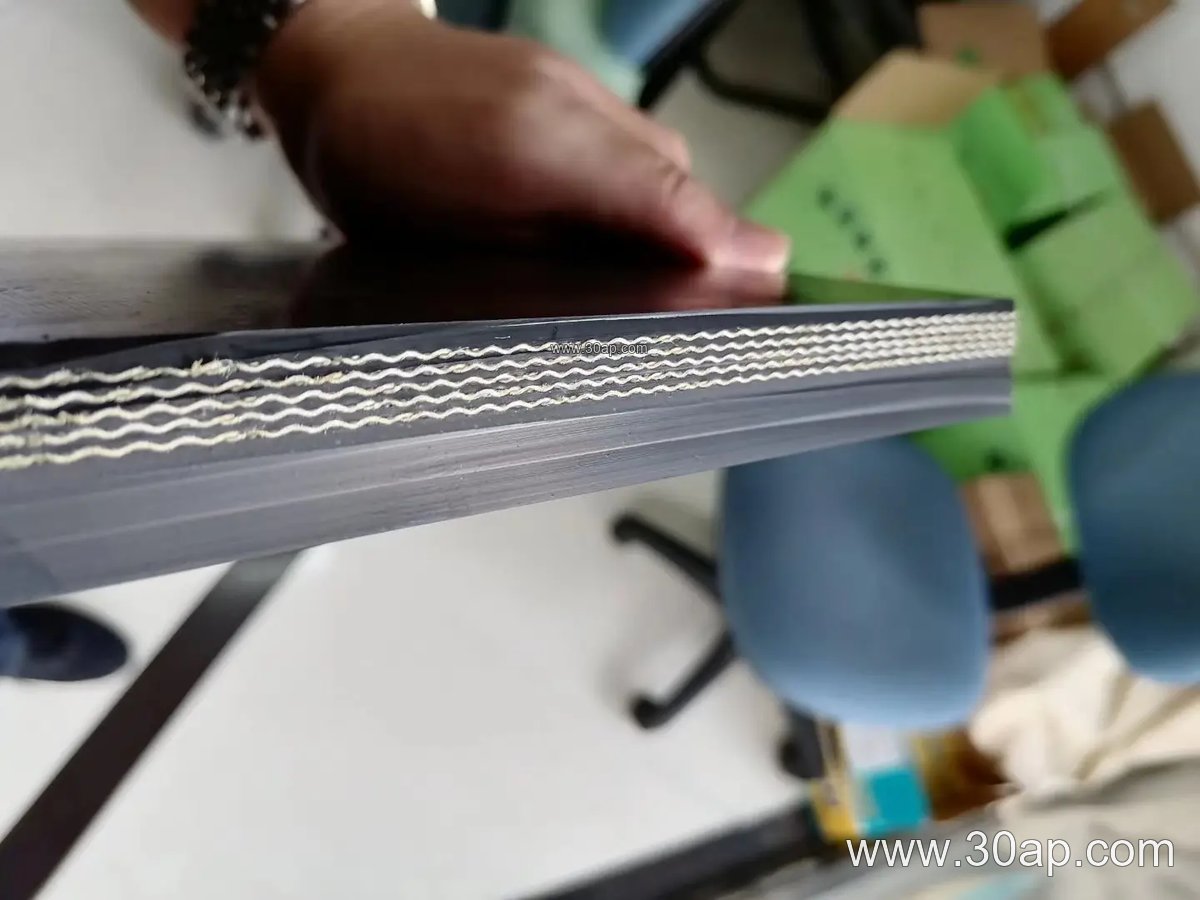
The belt body usually consists of a carcass (EP fabric, NN nylon, or steel cord), a top cover, and a bottom cover. Cover thickness and compound quality determine resistance to abrasion, heat, oil, and flames. Common cement-industry variants include:
- EP conveyor belt – polyester fabric carcass, good tensile strength and low elongation.
- NN nylon conveyor belt – nylon fabric carcass, high flexibility and impact resistance.
- Steel cord conveyor belt – used for long-distance, high-capacity haulage.
- Heat-resistant belt – for clinker and hot cement materials.
- Oil-resistant and flame-retardant/anti-static belt – for specific plant safety and material conditions.
- PVC/PVG belt – often used in underground or enclosed conveying where fire resistance is required.
- Patterned belt (herringbone, etc.) and corrugated sidewall belt – for inclined conveying where material slip is a concern.
These are material and design choices, not a fixed list for every plant. The final construction should match the material temperature, lump size, incline, and environment.
Typical Specifications
Belt strength is usually expressed by the carcass grade, such as EP200, EP315, EP400, EP500, EP630, EP800, EP1000, EP1250, EP1600, or EP2000. Belt width commonly ranges from B500 to B2000, with B650, B800, B1000, B1200, B1400, and B1600 being frequent choices in cement and aggregate operations. Cover rubber thickness is often given as top + bottom, for example 3+1.5 mm, 4+2 mm, 5+2 mm, 6+2 mm, or 8+3 mm. Carcass layers typically range from 2 to 6 plies for fabric belts. The following table summarizes common reference values; actual values are determined by design and may differ between manufacturers.
| Parameter | Common Reference Range |
|---|---|
| Belt width | B500, B650, B800, B1000, B1200, B1400, B1600, B1800, B2000 |
| Strength grade (EP) | EP200 to EP2000 |
| Cover thickness | 3+1.5, 4+2, 5+2, 6+2, 8+3 mm |
| Fabric plies | 2 to 6 layers |
| Special properties | Heat, oil, flame, anti-static, cold, acid/alkali resistance |
Note that belt width does not dictate a single pulley diameter; pulley sizing depends on belt tension, carcass type, and system design. Likewise, shaft diameter cannot be derived from belt width alone.
Where It Is Used
Cement conveyor belts appear in limestone crushing circuits, raw mill feed lines, clinker transport, gypsum and pozzolan handling, and finished cement packing plants. They also serve in coal yards at power plants, sand and gravel depots, and mining operations. In these settings, the belt interacts with idler rollers that support the load, conveyor pulleys that drive and redirect it, and conveyor brackets that hold the idlers and pulleys in place. The drive pulley transmits power, the tail pulley provides return tension, and bend pulleys change the belt path—these are separate components with separate functions.
Buyer Checklist
Before ordering, confirm the material type, temperature, lump size, moisture, and whether the environment requires flame resistance or anti-static properties. Check the conveyor incline: a smooth belt may need a patterned or corrugated sidewall belt for steep sections. Review the required belt width and strength grade against the conveyor design, and specify cover thickness suitable for abrasion and impact. Ask for the carcass type and number of plies, and confirm how the belt will be spliced. Also consider the condition of idler rollers and pulleys, since worn rollers or misaligned pulleys can shorten belt life. Finally, request the manufacturer’s data sheet for the exact grade and confirm that the delivered belt matches the design assumptions.
Maintenance Notes
Regular inspection of belt edges, splices, and cover wear helps prevent unexpected downtime. Keep idler rollers turning freely and check pulley alignment; a seized roller or a worn pulley lagging can cause tracking problems and edge damage. Clean spillage from return runs and ensure the belt is not over-tensioned. For heat-resistant belts, avoid sudden temperature shocks beyond the rated range. Store spare belts in a dry, shaded place and follow the manufacturer’s splicing instructions.