What a Conveyor Idler Shaft Does
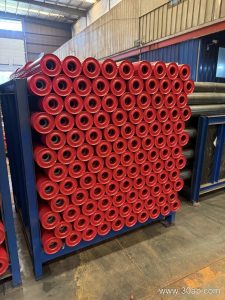
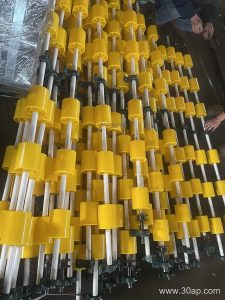
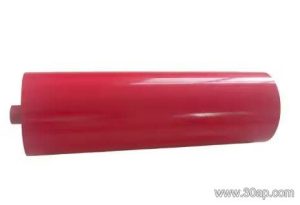
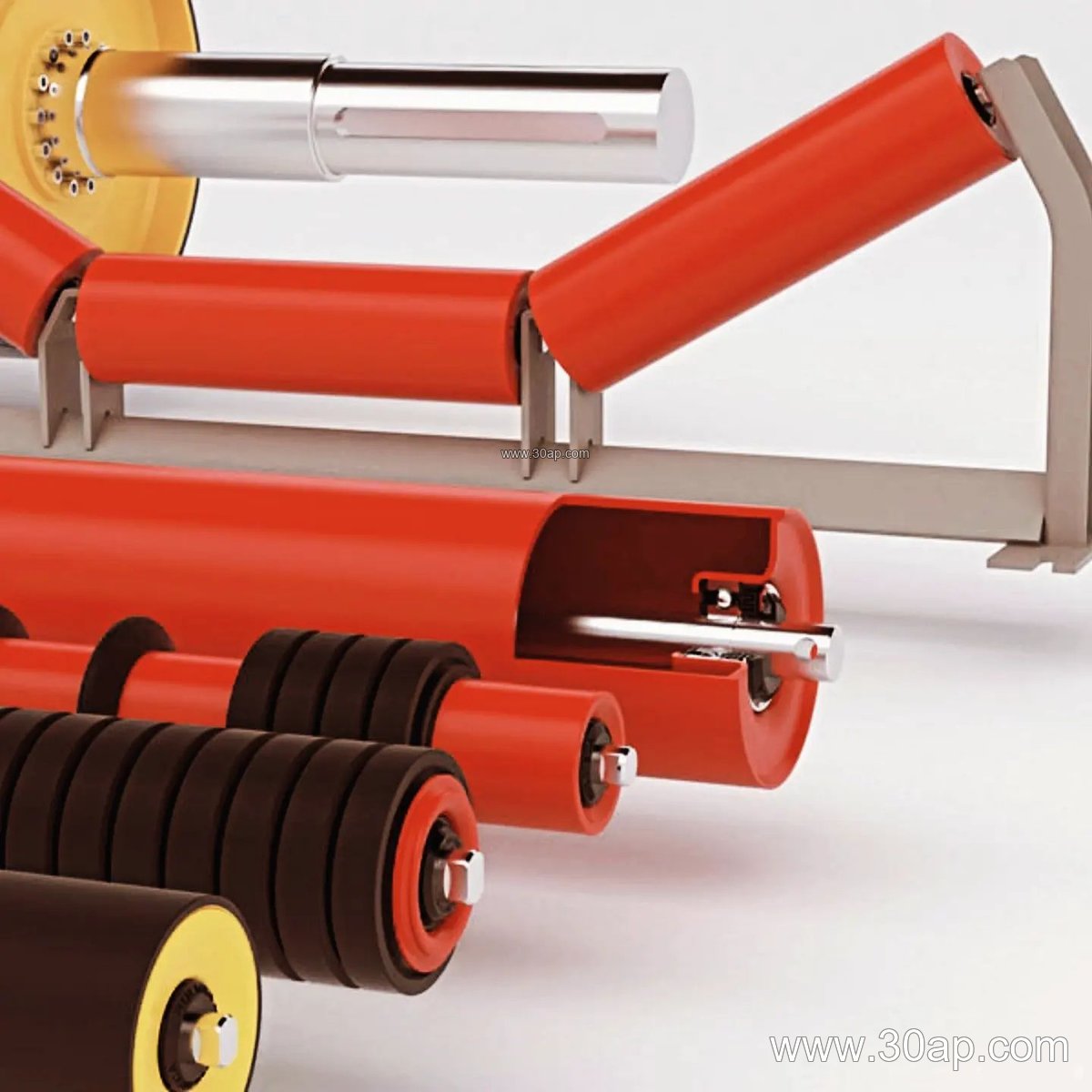
A conveyor idler shaft is the stationary axle that carries the rotating shell of an idler roller. In a belt conveyor, the conveyor belt rides on a series of idlers, and each idler needs a shaft that holds the roller in position while allowing the shell and bearings to turn freely. The shaft itself does not rotate in most designs; it is fixed to the conveyor bracket at both ends, and the bearing assembly inside the roller shell rotates around it.
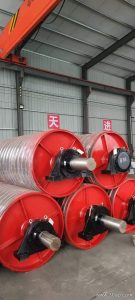
This part may also be called an idler axle or roller shaft. It is a small component compared with the conveyor pulley at the drive or tail end, but its straightness, strength and finish directly affect how smoothly the belt runs.
How an Idler Shaft Is Built
A typical shaft is machined from round steel bar. The main body may be cold drawn or turned to size, while the ends are stepped down to fit the bracket slots or flats. Common construction details include:
- Stepped journals at each end to locate the shaft in the conveyor bracket
- Flat sections or machined grooves for retaining clips or fixing pins
- A smooth central surface where the bearing inner rings sit
- Threaded ends on some designs for nuts and sealing caps
Material selection usually follows the duty. Mild steel is common for general aggregate and cement plant service, while higher-strength or treated steel may be chosen for heavy ore duty. Surface finish on the bearing seats matters because a rough or out-of-round seat can shorten bearing life.
Matching Shaft to Roller Diameter and Belt Width
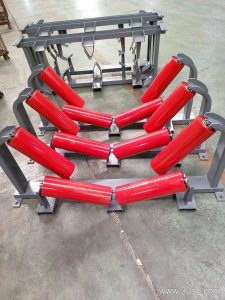
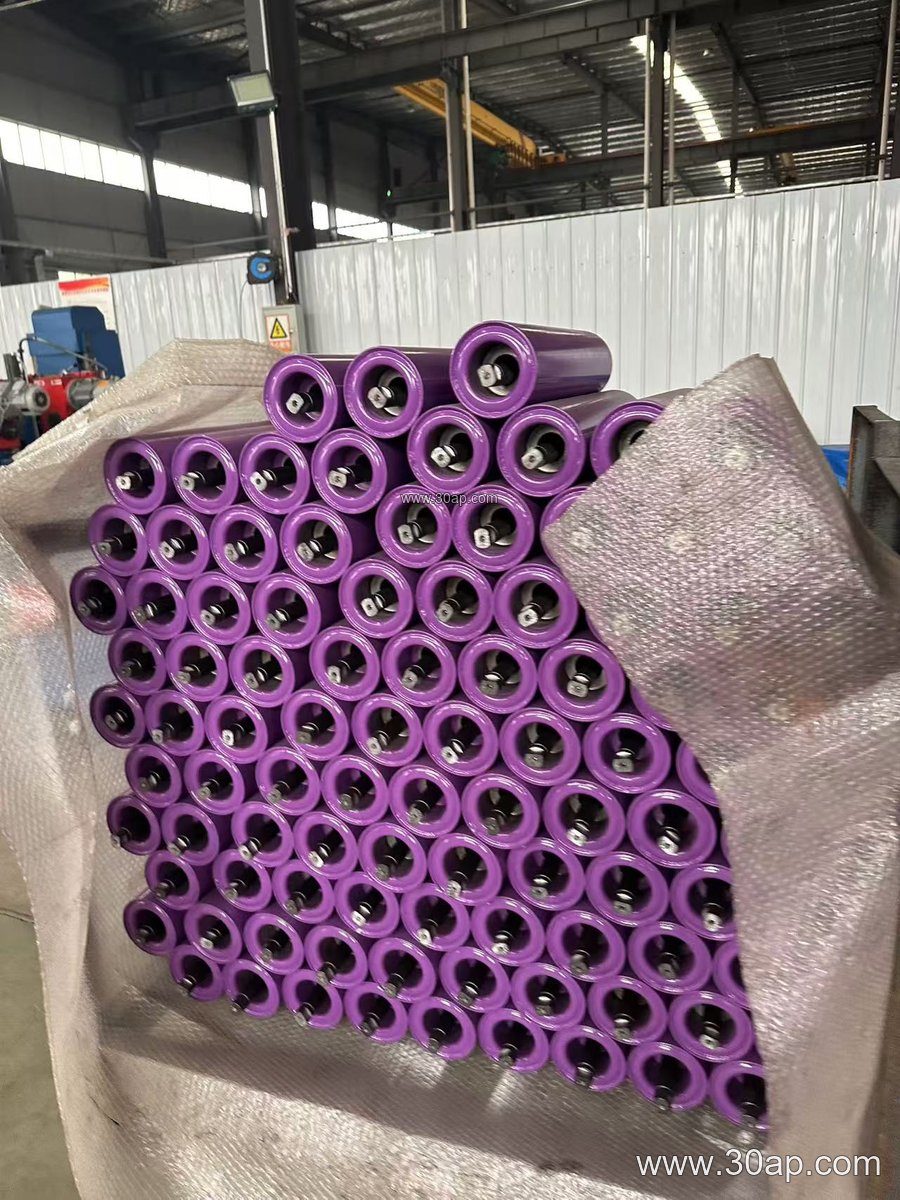
Buyers often ask how shaft size relates to roller diameter and belt width. There is no single rule that fixes one shaft diameter to one belt width. The shaft is selected together with the roller diameter, load, idler spacing and belt speed. In practice, a troughing idler on a B800 belt may use a roller of Ø89 or Ø102 with a corresponding shaft, but the final choice is made by the conveyor designer.
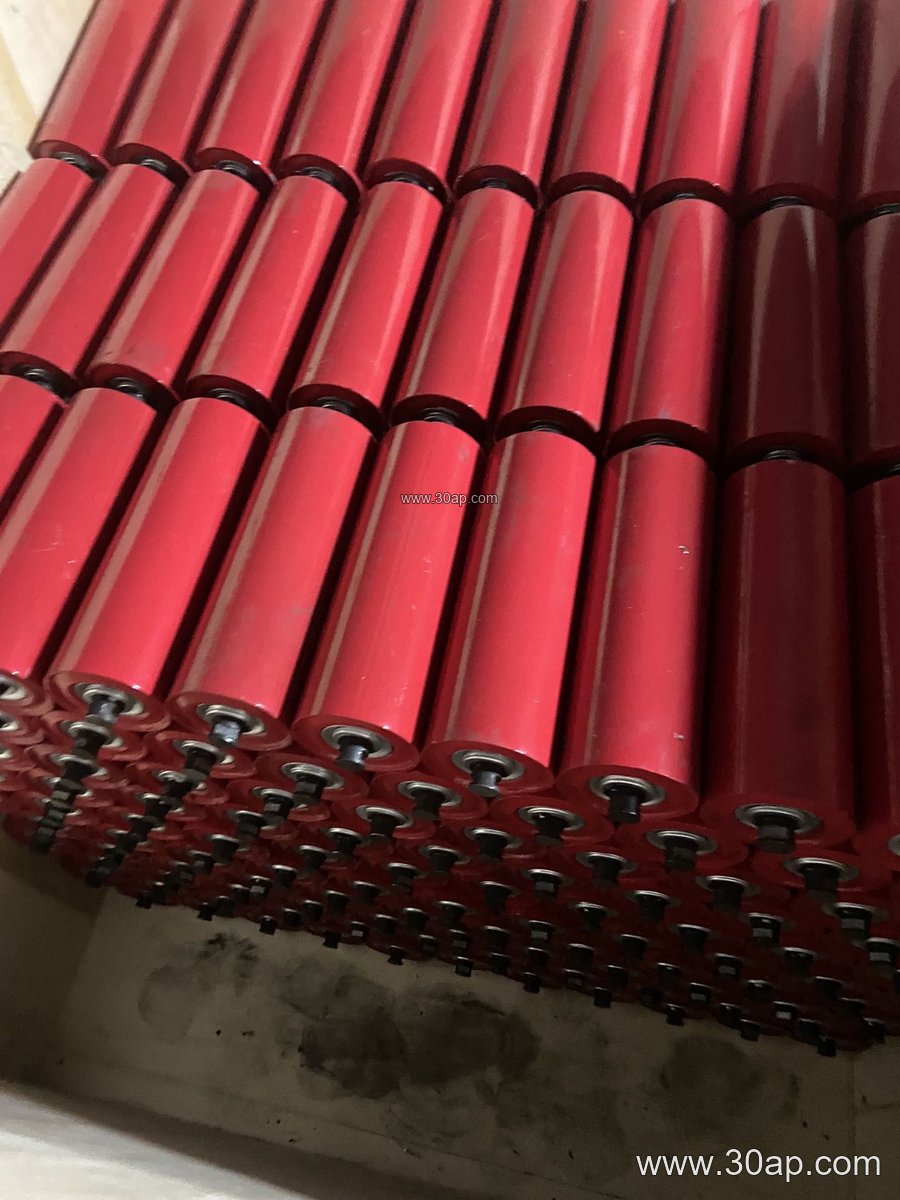
For reference, the table below shows common roller diameter and shaft end arrangements seen in general duty. These are examples, not fixed combinations.
| Roller diameter (mm) | Common shaft end form | Typical bearing family |
|---|---|---|
| Ø63 to Ø76 | Stepped journal with flat | 6204, 6205 |
| Ø89 to Ø108 | Stepped journal, clip groove | 6205, 6305, 6306 |
| Ø127 to Ø159 | Stepped journal, threaded end | 6306, 6308, 6310 |
| Ø178 to Ø219 | Heavy stepped journal | 6308, 6310 and larger |
Roller length also changes with belt width and trough angle. A three-roll troughing set on B1000 may use a center roll around 380 mm long, while a B1400 set may use about 530 mm. Side rolls can differ from the center roll, so the shaft length must follow the actual roll drawing.
Where These Shafts Are Used
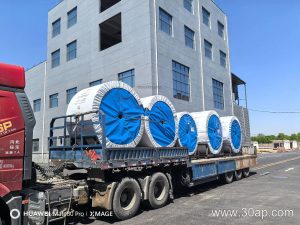
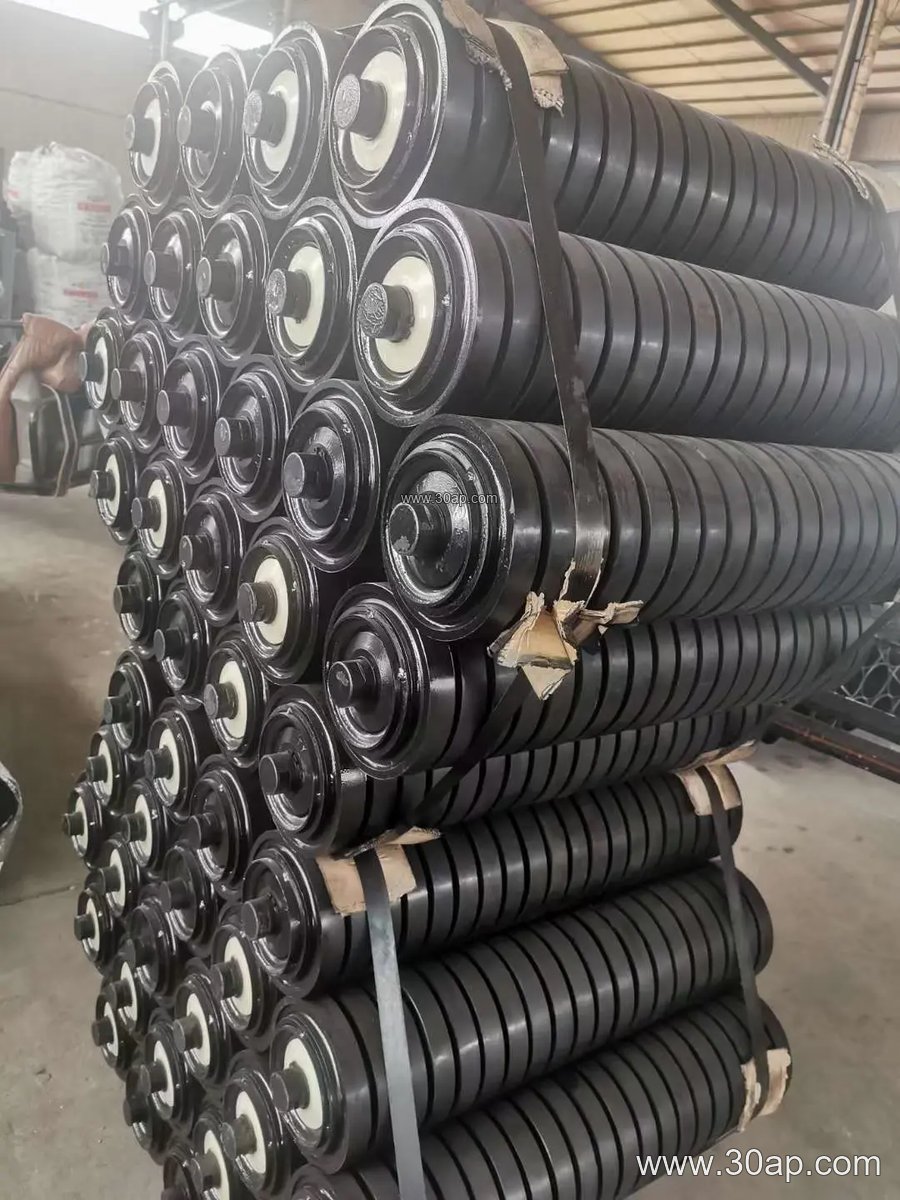
Idler shafts appear wherever a conveyor belt is supported. In a sand and gravel plant, they are found in troughing idlers on the main haulage line and in return idlers underneath. In a coal preparation plant, they carry the belt through washing and screening sections where dust and moisture are present. Cement plants use them on clinker and raw material conveyors, and power plant coal handling systems rely on them across long transfer lines.
The same shaft type serves different idler forms. A troughing idler, a return idler and a self-aligning idler may all use a similar axle, but the bracket and roll arrangement differ. A conveyor pulley at the drive or tail end is a separate assembly and is not a substitute for an idler shaft.
What Buyers Should Check
When ordering, confirm the shaft drawing rather than only the roller diameter. Key points include journal diameter and tolerance, overall length, flat or groove position, thread size, material grade and surface treatment. Ask whether the shaft is supplied with bearings, seals and retaining parts or as a bare axle.
- Confirm the shaft fits the existing conveyor bracket slot
- Check that the bearing seat diameter matches the bearing bore
- Verify straightness, since a bent shaft causes belt tracking problems
- Match the shaft material to the dust, moisture and load of the site
Good shaft maintenance is simple: replace bent or worn axles, keep brackets aligned and avoid mixing parts from different roller designs. A straight, well-fitted conveyor idler shaft helps the idler roller turn quietly and keeps the conveyor belt running true.