What a PVC Conveyor Belt Is
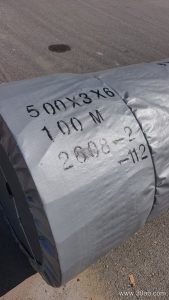
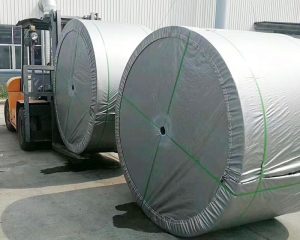
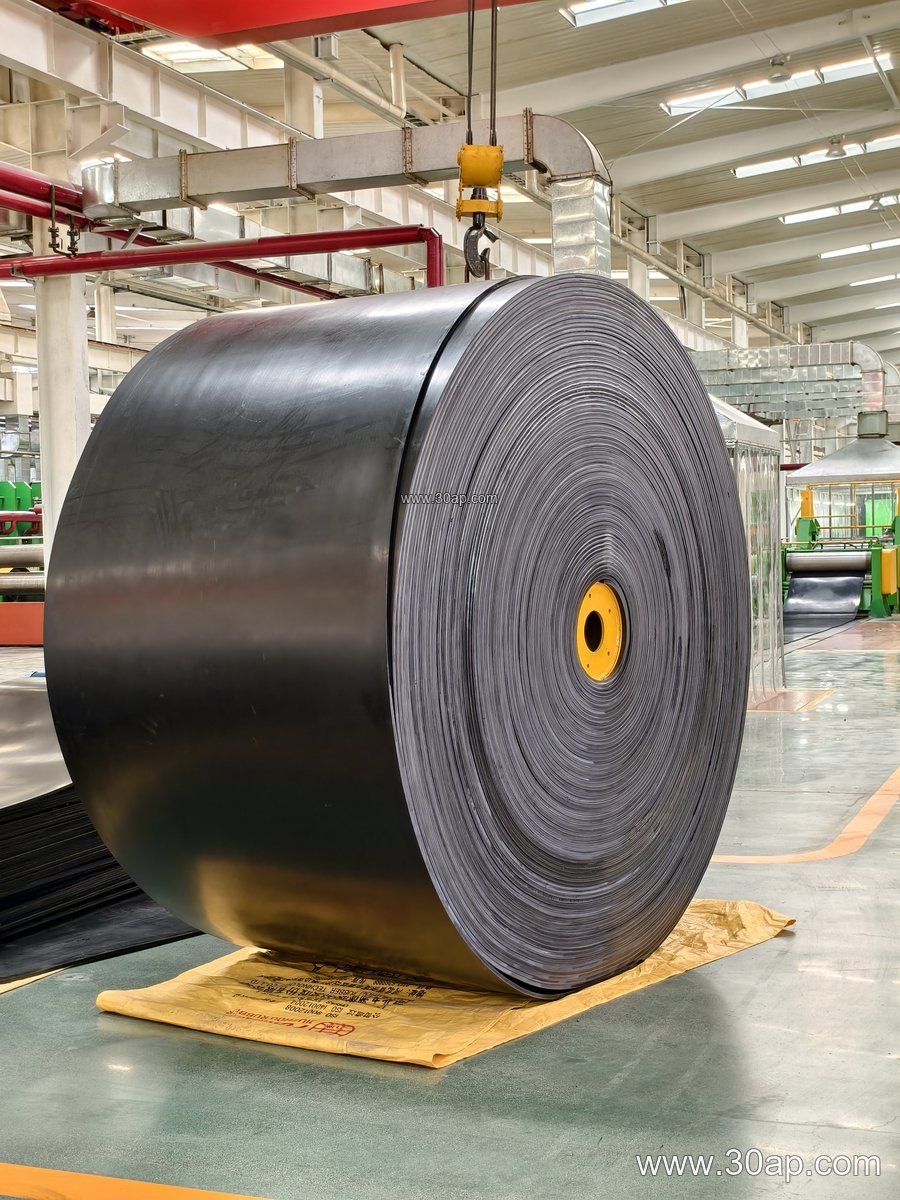
A PVC conveyor belt is a light-duty conveyor belt whose carcass is impregnated and coated with polyvinyl chloride. The same product is often called a PVC belt or PVC conveyor belting. It is a distinct product from heavy rubber belts such as EP, NN nylon or steel cord belting, and also from PVG belting, which combines PVC with a rubber cover for tougher duty. In plants where loads are moderate, a PVC belt is frequently chosen because it is lighter, cleaner running and easier to splice than thick rubber belting.
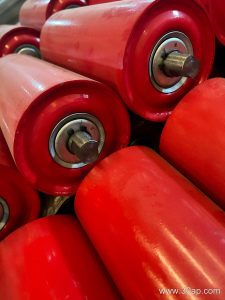
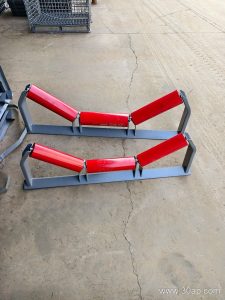
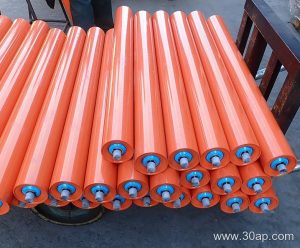
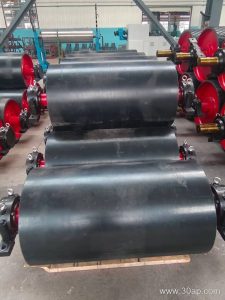
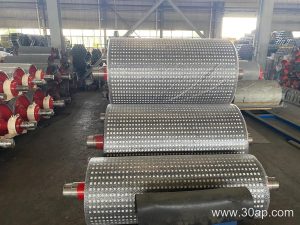
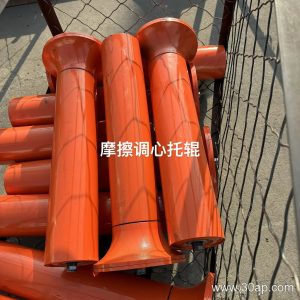
The belt is not the only wear item on the line. A complete conveyor also uses an idler roller or a series of them on the carrying side, a conveyor pulley at the head and tail, and a conveyor bracket to hold the frame together. The belt, rollers and pulleys are separate components with separate specifications, and none of them can be sized from the belt alone.
How the Belt Is Built
A typical PVC conveyor belt has three functional layers:
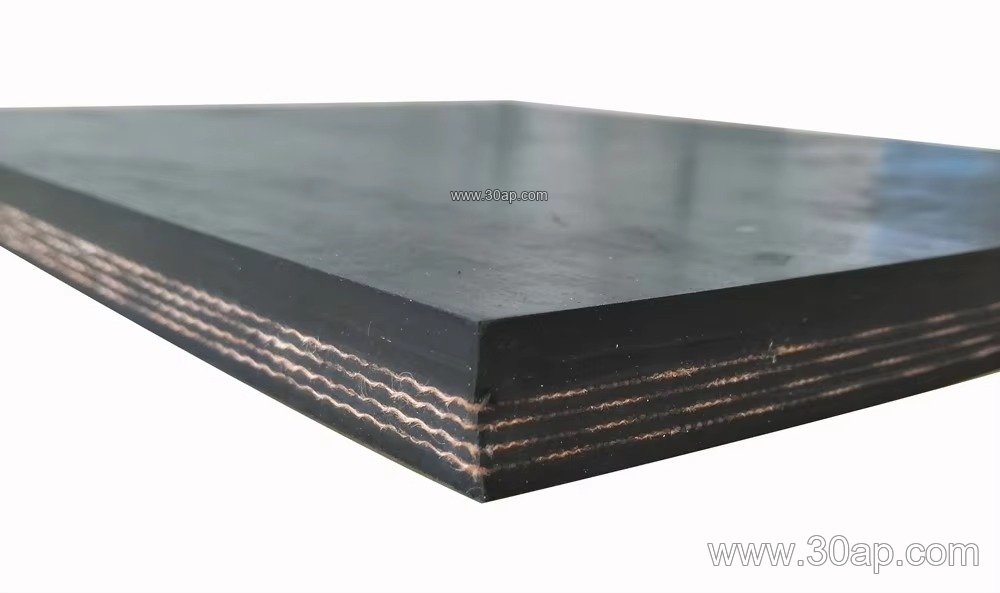
- Carcass: woven fabric, usually polyester, providing tensile strength and resistance to stretch. Common constructions run from 2 to 6 plies depending on the load.
- Impregnation: PVC compound pressed into the fabric to bond the plies and seal the weave.
- Cover: PVC top and bottom covers, which may be smooth or carry a surface pattern for grip.
Cover thickness is normally stated as top plus bottom, for example 3+1.5 mm, 4+2 mm or 5+2 mm. These figures are common references rather than universal values; actual thickness is set by the belt designer for the application. Surface forms include smooth, matt, diamond or other embossed patterns, and cleated or sidewall versions for inclined runs.
Where It Fits in the Plant
PVC belting suits relatively light and medium loads: packaged goods, food and agricultural products, tobacco, electronics, parcel sorting, and general workshop transfer. It also appears in recycling lines and in some non-abrasive bulk handling tasks. In mines, coal preparation plants, cement works, power stations and aggregate yards, the main haulage belts are usually heavy rubber constructions such as EP or steel cord; a PVC belt is more likely to be found on auxiliary lines, inspection conveyors or small transfer points in those industries. Choosing PVC for a sharp, hot or heavily abrasive stream is a common mistake.
The belt also interacts with the rest of the conveyor. A crowned conveyor pulley helps centre a flexible PVC belt, while a badly aligned idler roller can cause edge damage quickly because the belt is thin. Frame alignment via the conveyor bracket matters as much as belt quality.
Common Specification Reference
The table below shows typical reference values only. Final figures are confirmed by the belt supplier against the actual duty.
| Item | Common reference values |
|---|---|
| Belt type | PVC conveyor belt (PVC belt) |
| Carcass plies | 2 to 6 plies |
| Cover thickness | 3+1.5, 4+2, 5+2 mm |
| Belt width | B500, B650, B800, B1000, B1200 mm and wider by design |
| Surface | Smooth, matt, diamond, cleated, sidewall |
| Special grades | Oil resistant, flame retardant, antistatic, cold resistant, acid and alkali resistant |
Belt width does not determine pulley diameter or shaft size on its own. Those are calculated from belt tension, pulley face width, load and drive layout, so a B800 belt may run on quite different pulley sizes in two different conveyors.
Selection and Maintenance Notes
- Match the belt grade to the material: oil, heat, flame risk and static build-up all need the correct compound.
- Check the minimum pulley diameter recommended for the carcass; too small a pulley shortens belt life.
- Use the correct splice method, mechanical or vulcanised, and keep the joint square.
- Inspect idler rollers for seizure and clean rollers regularly to prevent tracking faults.
- Store belts away from direct sunlight, oil and sharp edges, and avoid tight coils.
Buyers should ask for the carcass construction, cover thickness, surface form, tensile rating and recommended pulley diameters in writing. A clear data sheet plus a site check of the conveyor frame, pulleys and brackets will prevent most early failures.