What a Belt Guide Roller Does on a Conveying Line
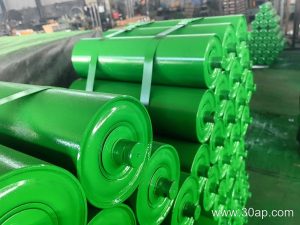
A belt guide roller is a small but important component in a conveyor system. Its main job is to keep the conveyor belt centered as it travels along the structure, reducing edge damage and helping material stay on the belt. In a quarry, a coal washing plant, or a cement plant, a belt that drifts to one side can spill material, rub against the frame, and wear out faster. A guide roller, often used together with a conveyor bracket, helps correct that drift before it becomes a problem.
The product is also known as a belt training roller. It is not the same as a drive pulley, tail pulley, or bend pulley. Those are larger drum components that transmit power or change belt direction. The guide roller is a smaller rotating element mounted close to the belt edge or along the return side, and it works by applying gentle lateral force when the belt starts to wander.
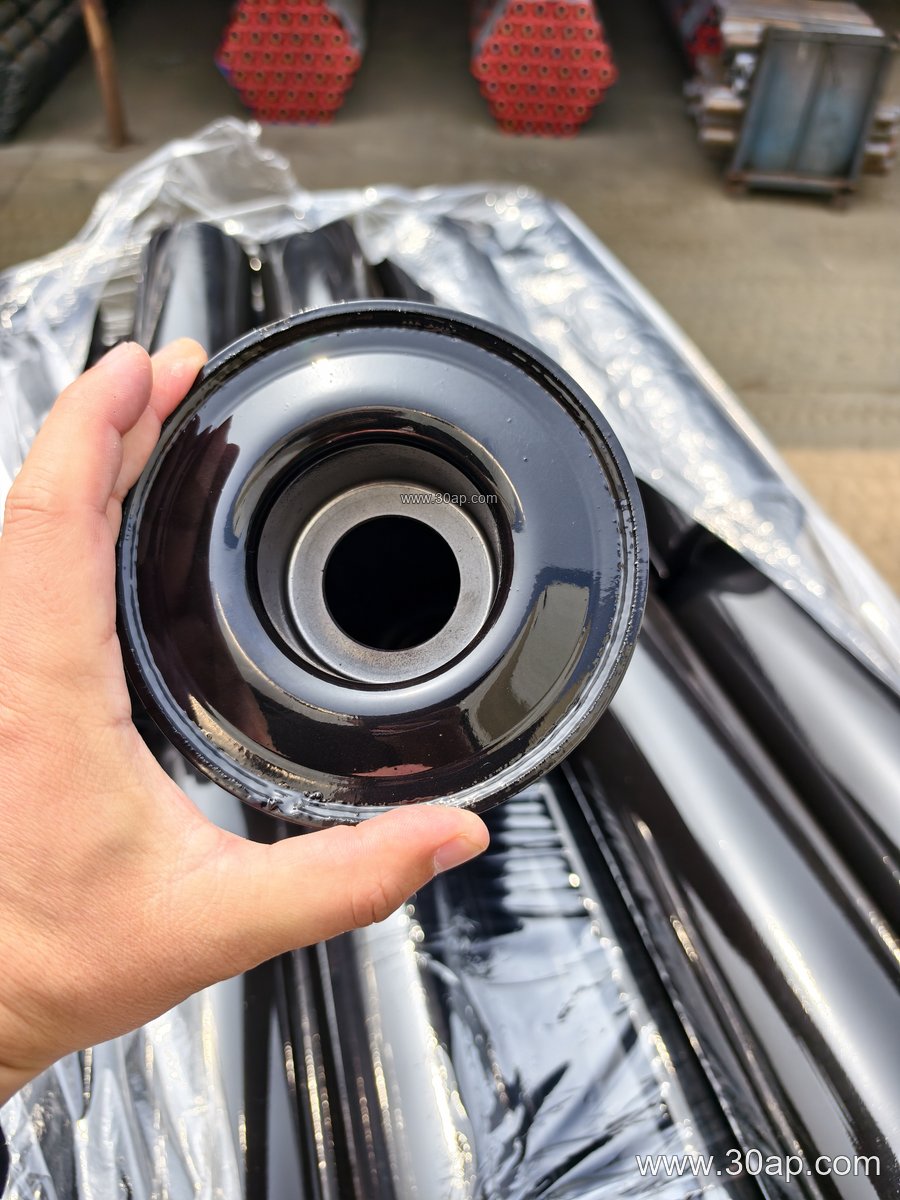
How the Roller Is Built
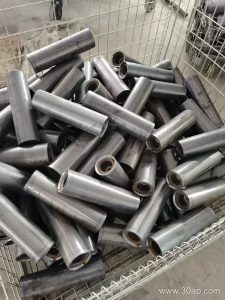
A typical belt guide roller uses a steel tube shell with bearing housings at each end. Common roller diameters include Ø63, Ø76, Ø89, Ø102, Ø108, Ø127, Ø133, Ø159, and larger sizes up to Ø219. The shell may be plain steel, nylon-coated, ceramic-covered, or fitted with rubber rings for grip and cushioning. Bearing selection usually follows the load and speed of the conveyor, with common sizes such as 6204, 6205, 6305, 6306, 6308, and 6310.
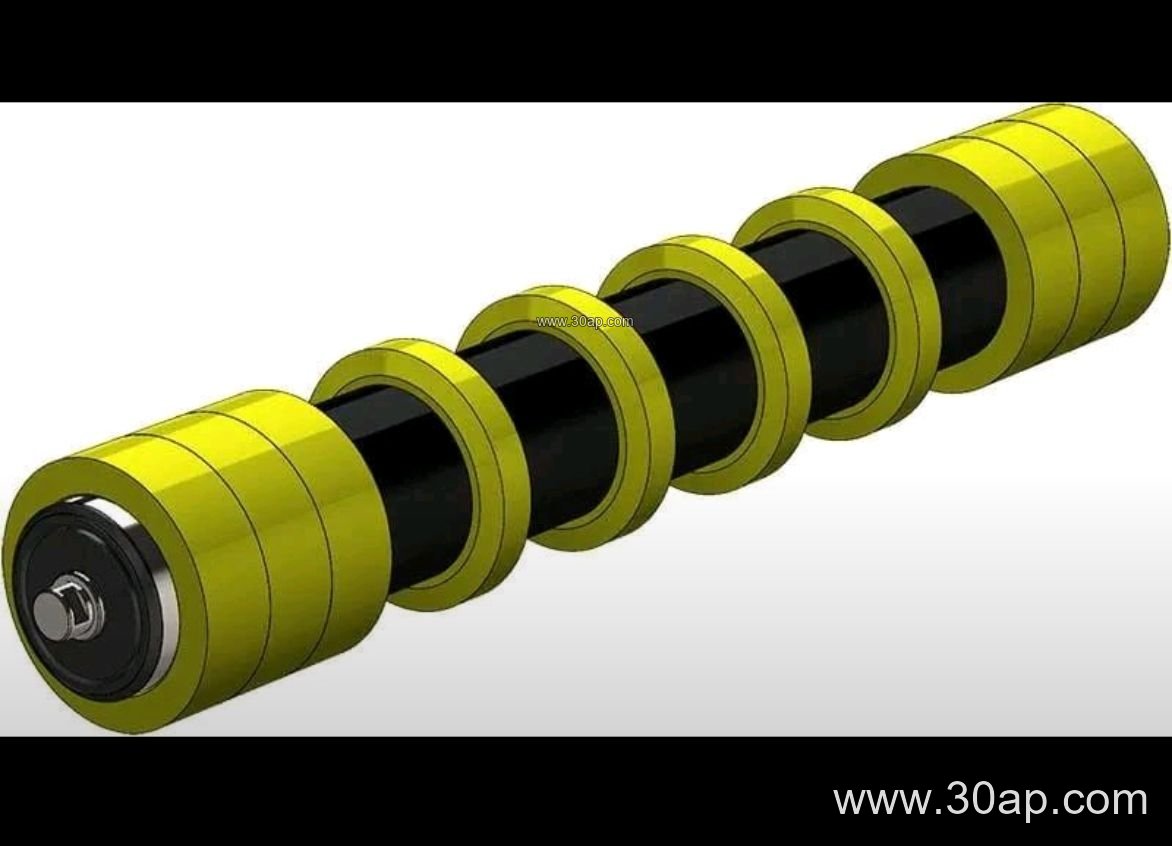
Sealing matters as much as the bearing itself. Dust, grit, and moisture are constant enemies in mining and aggregate handling, so a good guide roller uses labyrinth seals or similar protection to keep lubricant in and contamination out. The roller length is not fixed by belt width alone; it depends on belt width, trough angle, and the mounting arrangement.
Common Reference Dimensions
The table below gives typical examples for three-roll troughing sets. These are reference values, not universal matches, and side rollers may differ from the center roller.
- B500 belt width: roller length about 200 mm
- B650 belt width: roller length about 250 mm
- B800 belt width: roller length about 315 mm
- B1000 belt width: roller length about 380 mm
- B1200 belt width: roller length about 465 mm
- B1400 belt width: roller length about 530 mm
- B1600 belt width: roller length about 600 mm
- B1800 belt width: roller length about 670 mm
- B2000 belt width: roller length about 750 mm
Trough angles of 20, 30, 35, and 45 degrees are common in bulk handling. A slight forward tilt of about 1.5 to 2 degrees is sometimes used on training rollers to encourage self-centering, but this should be set according to the conveyor design.
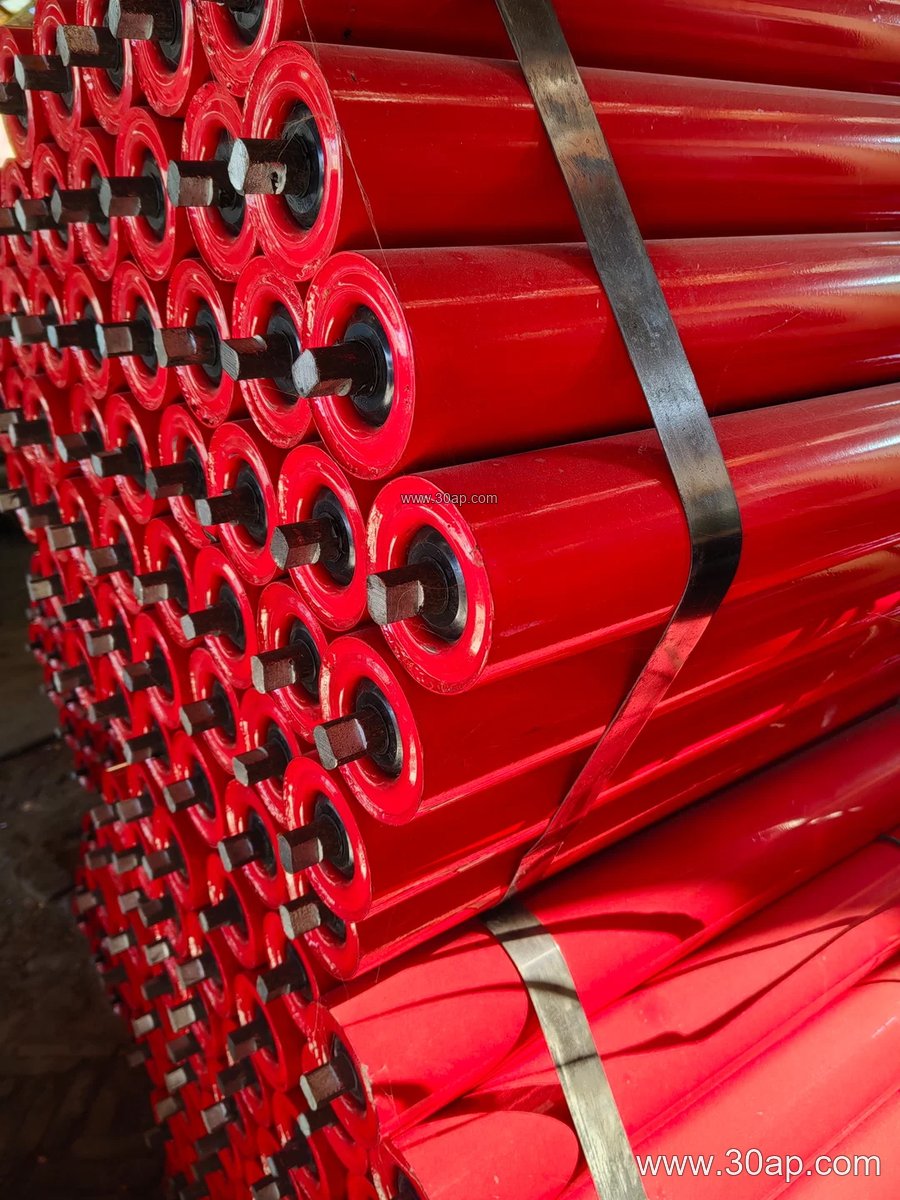
Where It Fits in the Conveyor Layout
Guide rollers are often placed near the loading point, before and after curves, and along long straight runs where belt tracking is critical. In a limestone mine or a sand and gravel line, they may be mounted on the return side to keep the belt from rubbing the structure. In a power plant coal handling system, they work alongside idler rollers and conveyor pulleys to maintain a stable belt path.
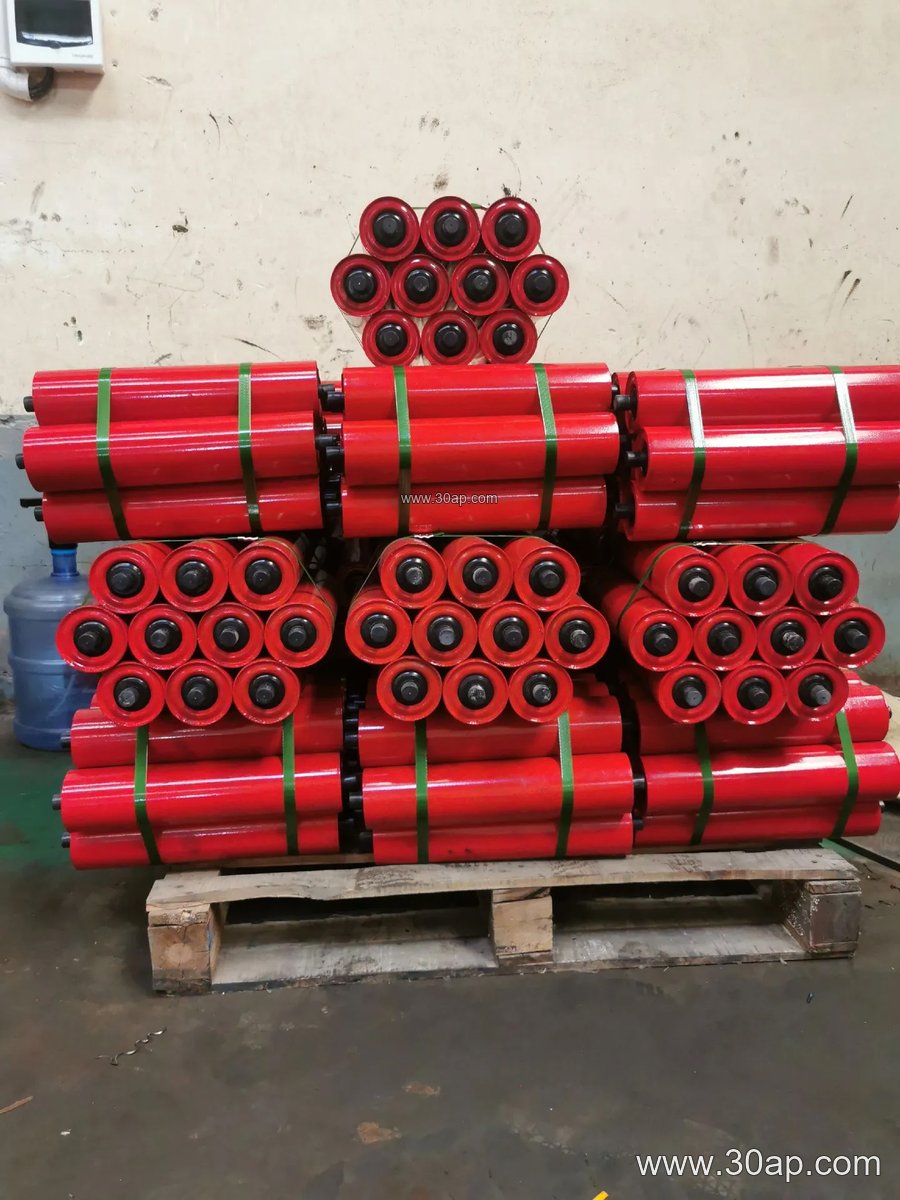
It is worth comparing the guide roller with a standard carrying idler roller. The carrying idler supports the loaded belt, while the guide roller corrects lateral movement. Both may share similar shell and bearing construction, but their mounting position and function differ. Likewise, a self-aligning idler set and a guide roller both address tracking, yet they are not interchangeable parts.
What Buyers Should Check
Before ordering, confirm the belt width, the mounting location, and the available space on the conveyor bracket. Check the roller diameter and bearing size against the actual load and speed, and ask how the seal is designed for dusty or wet conditions. The surface form should suit the application: rubber rings can help with grip and cushioning, while ceramic or nylon surfaces may reduce wear in abrasive service.
Also confirm that the guide roller is supplied as a complete assembly with the correct shaft and mounting fittings. A roller that fits the bracket but not the belt path will not improve tracking. Finally, keep spare rollers on hand for critical lines in a crushing plant, sinter plant, or fertilizer handling facility, since a seized guide roller can quickly damage a conveyor belt.