What a Belt Conveyor Bracket Does on the Line
A belt conveyor bracket is the structural part that holds idler rollers in the correct position under or beside the conveyor belt. It carries the load transferred from the belt and the material being moved, and it keeps the roller spacing and trough shape consistent along the whole run. In a quarry, a cement plant, or a coal handling system, a weak or badly aligned bracket shows up quickly as belt wander, edge wear, or a roller that works loose.
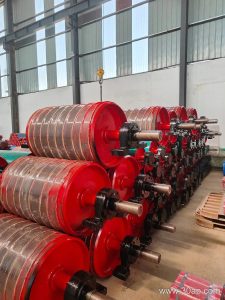
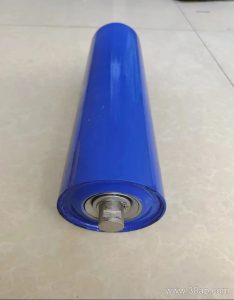
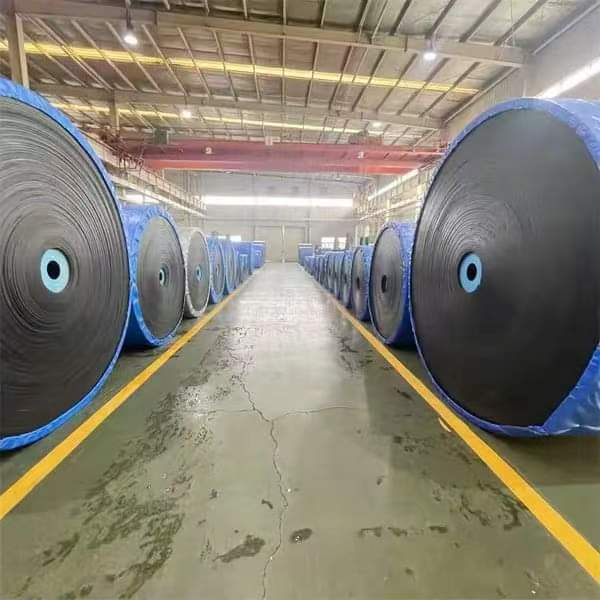
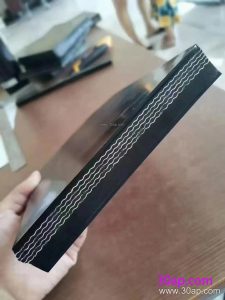
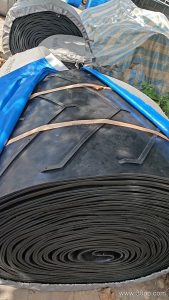
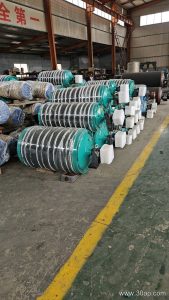
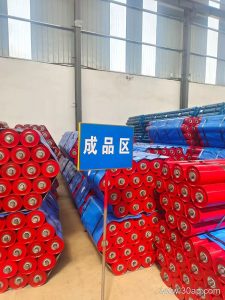
The bracket is usually a simple but heavily loaded fabrication. It works together with the conveyor belt, the idler roller, and the conveyor pulley, so its geometry has to match the rest of the frame rather than stand alone.
Common Types and Where They Sit
The same support family covers several positions on a conveyor:
- Troughing brackets carry the three-roller arrangement on the carrying side.
- Transition brackets ease the belt from flat to troughed profile near the pulleys.
- Return brackets support the belt on the return side, often as a flat or V-shaped set.
- Impact brackets sit under loading points to absorb material drop.
- Self-aligning brackets allow small rotation so the belt can correct its tracking.
A V-return bracket and a flat return bracket are not the same part, and a troughing frame should not be swapped for a transition frame just because both hold rollers. Drive, tail, and bend pulleys also have their own support arrangements and are not interchangeable with carrying-side brackets.
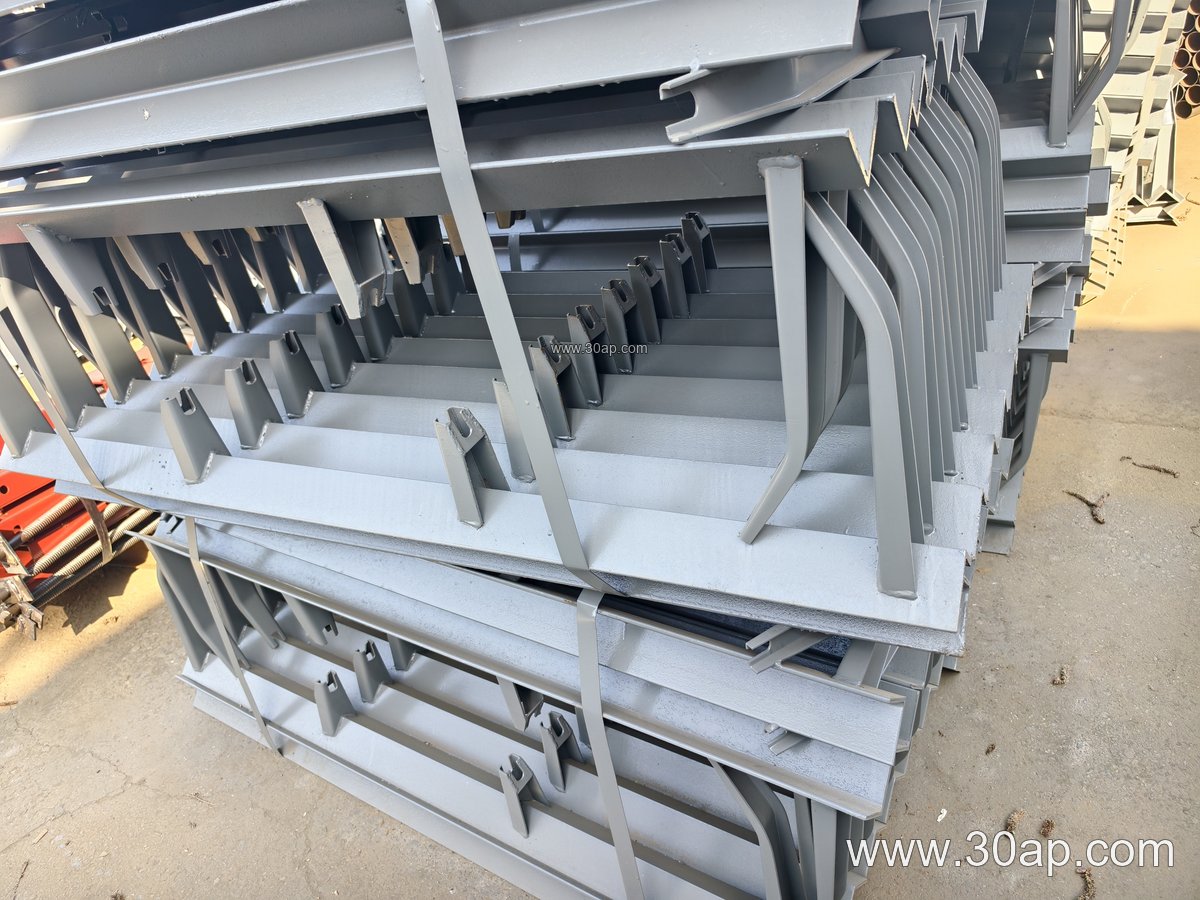
Construction Materials and Build Details
Most brackets are made from angle steel, channel steel, or folded steel plate. The choice depends on load, span, and the amount of dust and moisture in the plant. Welded frames are common, with drilled mounting holes that must line up with the conveyor stringer. Slot holes are sometimes used to allow small adjustment during installation.
Surface treatment matters in a coal preparation plant or a fertilizer store, where corrosion and abrasive dust shorten service life. Coating, galvanizing, or painting should be specified according to the environment rather than assumed.
Matching Belt Width, Trough Angle, and Roller Diameter
Bracket dimensions follow the belt width and the required trough angle. The roller diameter also affects the frame height and the mounting position. These values are usually set by conveyor design, not by a single fixed rule, and one belt width can work with more than one trough angle or roller size.
| Reference item | Common options |
|---|---|
| Belt width | B500, B650, B800, B1000, B1200, B1400, B1600, B1800 |
| Trough angle | 20 degrees, 30 degrees, 35 degrees, 45 degrees |
| Roller diameter | Ø89, Ø108, Ø133, Ø159, Ø194 |
| Forward tilt | about 1.5 to 2 degrees on some self-aligning or forward-leaning frames |
Typical combinations include B800 with a 35 degree trough and Ø108 rollers, or B1200 with a 45 degree trough and Ø133 rollers. Hole spacing and crossbeam length change with belt width and trough angle, so they should be confirmed against the drawing for each conveyor.
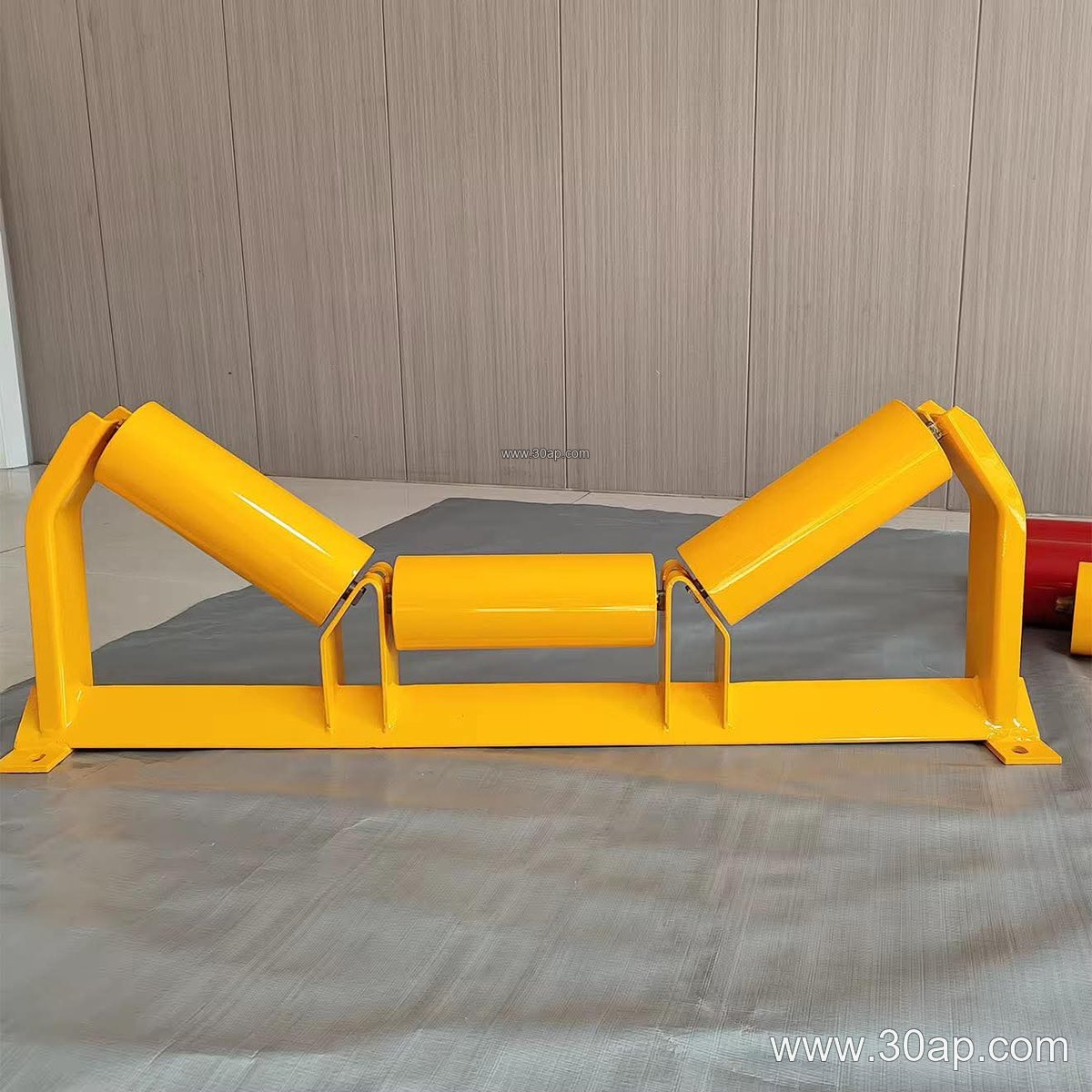
An adjustable bracket can be set between several trough angles, which helps where one frame design serves more than one belt specification. A fixed bracket is simpler and stiffer but offers no angle change after installation.
Installation and Maintenance Points for Buyers
Check that the bracket mounting holes match the stringer spacing, that the frame is square, and that roller seats are level across the conveyor. Misalignment at this stage is a common cause of belt tracking problems later. In a crushing and screening line, impact brackets at the feed point should be reviewed together with the belt support and the loading chute.
During operation, inspect for loose bolts, cracked welds, and worn roller seats. Replace damaged brackets before they distort the belt path. Keep a small stock of the most used frame types, since a failed support in a port or power plant conveyor can stop the whole line.
Selection Summary
Choose the bracket type by position on the conveyor, then confirm material, belt width, trough angle, and roller diameter against the conveyor layout. Buyers should ask for drawings showing hole spacing and crossbeam length rather than relying on a general size label, and should treat listed dimensions as reference values to be verified for each project.