What a Steel Plant Conveyor Belt Is
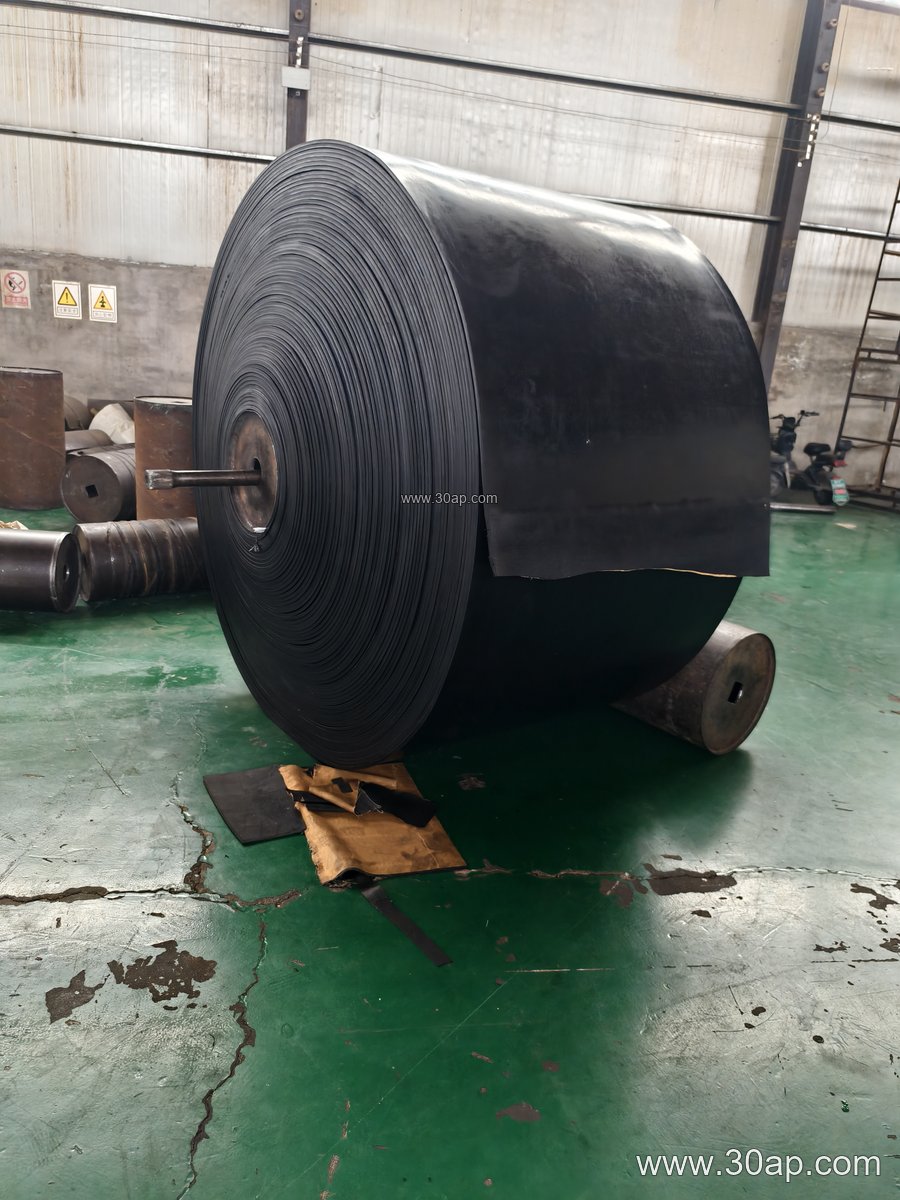
A steel plant conveyor belt is the heavy-duty belt used to move iron ore, pellets, sinter, coke, limestone, and hot or abrasive materials through a steelmaking site. It is a key component of the plant’s bulk material handling system, working together with idler rollers, conveyor pulleys, and conveyor brackets to keep raw materials and by-products flowing between stockyards, crushing stations, sintering, blast furnaces, and steelmaking shops.
Because steel plants combine high tonnage, sharp edges, heat, and often oily or dusty conditions, the belt must be selected for far more than simple transport. The right construction protects the carcass, reduces downtime, and keeps the conveyor line stable under continuous operation.
Construction and Common Belt Types
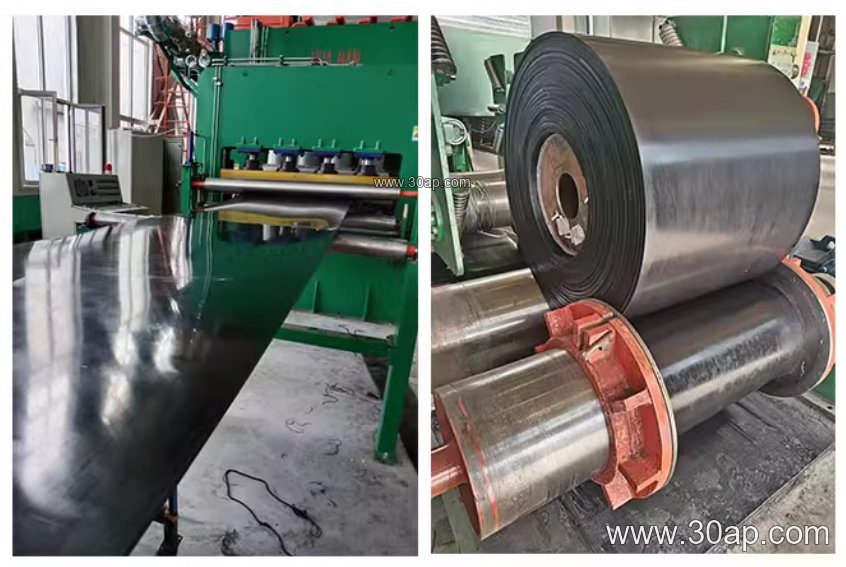
The belt usually consists of a rubber cover, a reinforcing carcass, and an optional breaker layer. The carcass provides tensile strength and elongation control, while the cover compound resists abrasion, heat, oil, or flame depending on the duty. Common constructions include:
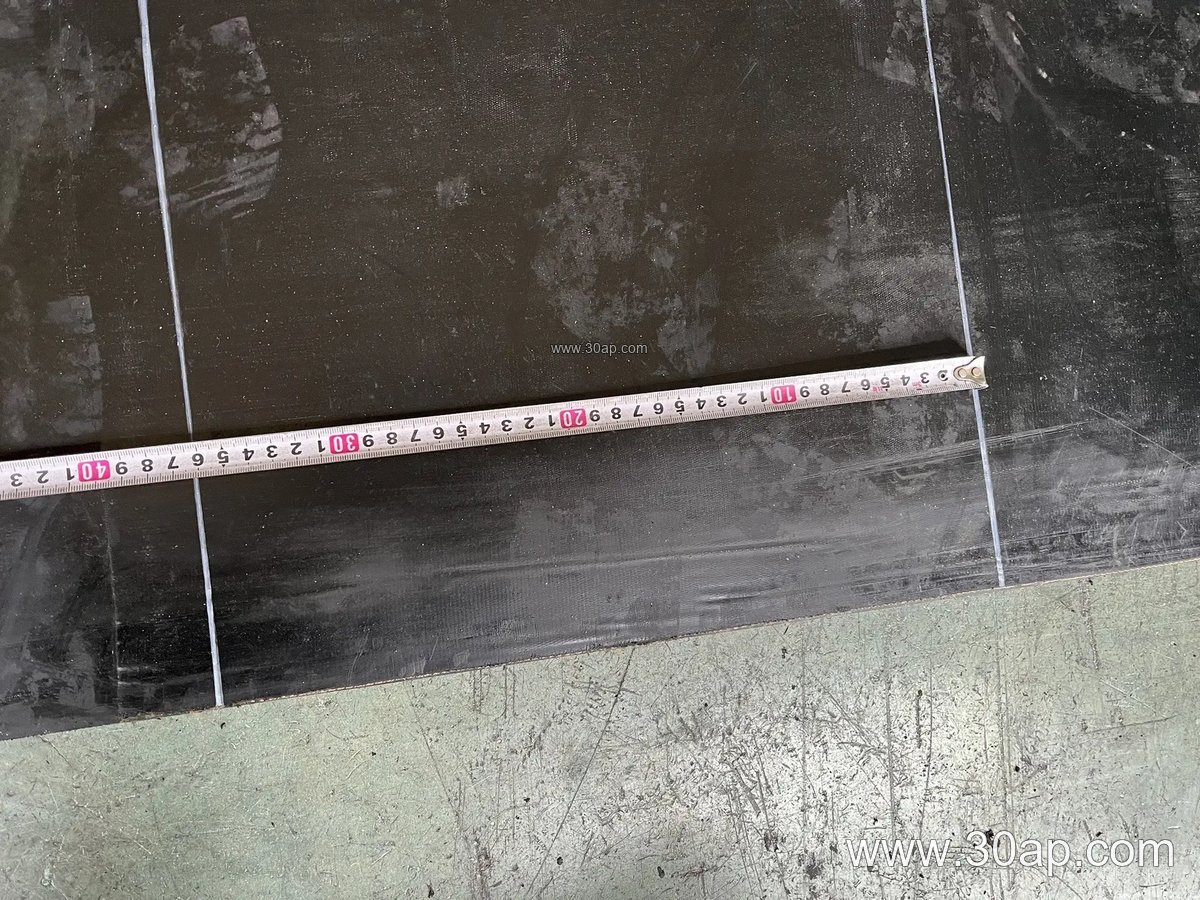
- EP conveyor belt (polyester-cotton canvas) for general bulk handling and moderate abrasion.
- NN nylon conveyor belt for high tensile strength and good fatigue resistance.
- Steel cord conveyor belt for long distances and high capacity in primary haulage.
- Heat-resistant and abrasion-resistant belts for sinter, coke, and ore applications.
- Flame-retardant and anti-static belts where fire safety and static control are required.
Cover thickness is often specified as top cover plus bottom cover, such as 4+2 mm, 5+2 mm, 6+2 mm, or 8+3 mm. The carcass may have 2 to 6 plies depending on the belt type. Belt width commonly ranges from B500 to B2000, and tensile grades such as EP200, EP400, EP630, EP1000, and EP1600 appear in plant specifications. These values are reference examples, not fixed rules; final selection follows the conveyor design, material lump size, and loading conditions.
Where It Is Used in a Steel Plant
Typical duties include ore yard conveying, sinter feed lines, coke handling, flux and limestone transport, and slag or scale removal. The same belt family is also found in related industries such as mining, coal preparation, cement plants, power stations, and sand and gravel yards, but steel plant service usually brings higher temperatures and more abrasive burdens.
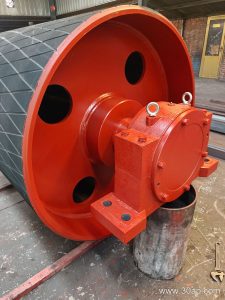
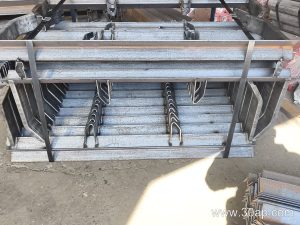
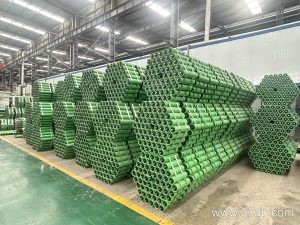
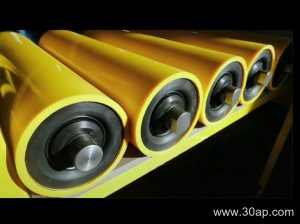
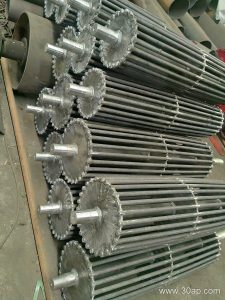
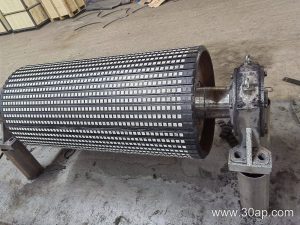
In these circuits, the belt runs over idler rollers that support the load, around conveyor pulleys that drive and redirect it, and on conveyor brackets that hold the structure together. Drive, tail, and bend pulleys each perform a different function, so they are specified separately rather than treated as interchangeable parts.
Selection Points for Buyers
A buyer should start with the material being carried, its lump size, temperature, moisture, and oil content. Then confirm the required tensile grade, belt width, cover thickness, and carcass type with the conveyor designer. For hot sinter or coke, heat-resistant covers are usually needed; for coal or dusty areas, flame-retardant and anti-static properties may be specified.
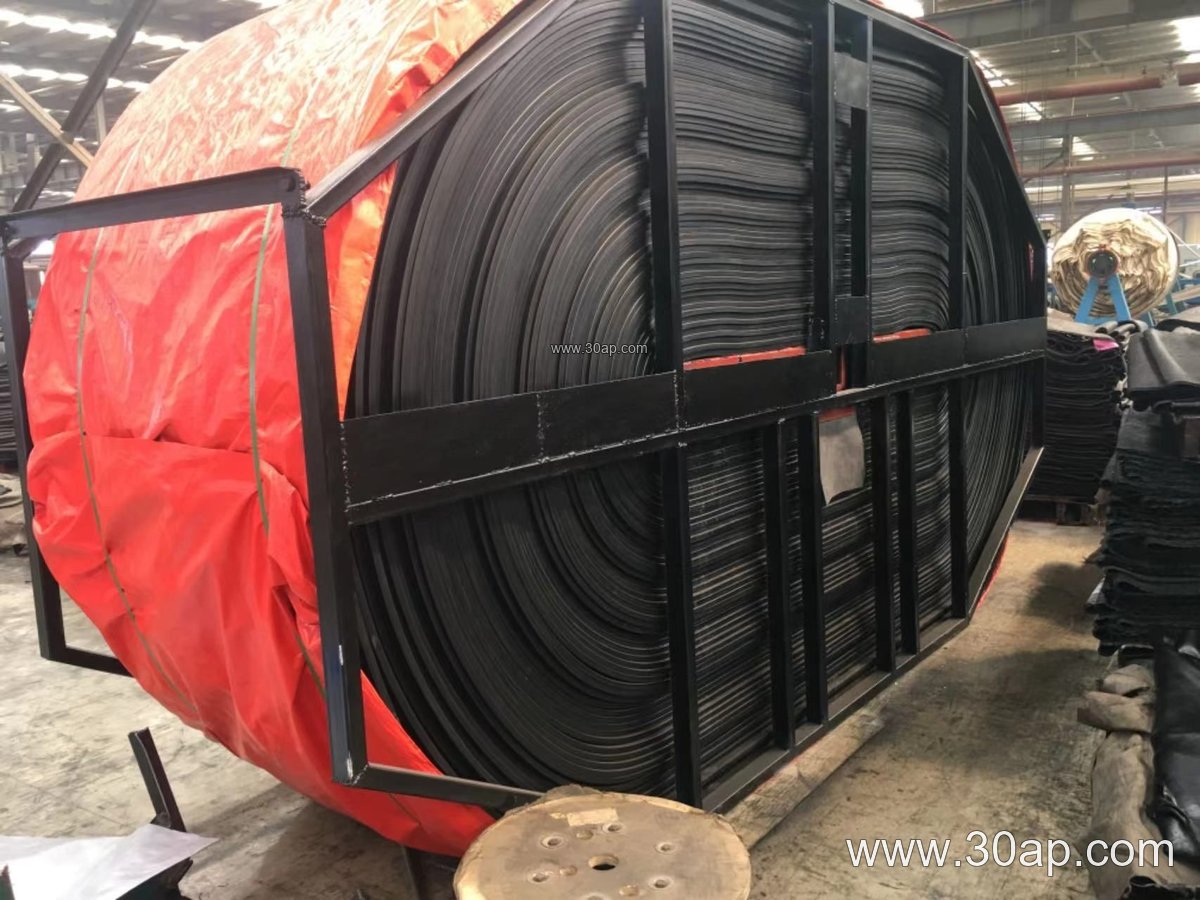
It also helps to review pulley diameters and idler spacing with the belt supplier, because belt flexibility and carcass thickness affect training and splice performance. Requesting the belt data sheet, cover compound details, and splice recommendation supports a fair comparison between offers. No single belt width or tensile grade fits every conveyor, so the specification should follow the actual duty.
Maintenance and Operational Notes
Regular inspection of belt edges, covers, and splices catches wear before it becomes a failure. Keeping idler rollers turning freely and pulleys aligned reduces edge damage and mistracking. Cleaning carryback and checking load points help prevent cover gouging. In steel plants, heat and oil exposure should be monitored closely, and replacement belts should match the original design intent or an approved upgrade.
With the right construction and a disciplined inspection routine, a steel plant conveyor belt can deliver reliable performance in one of the toughest bulk handling environments.