What a Mining Ceramic Lagged Pulley Is
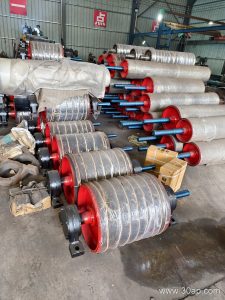
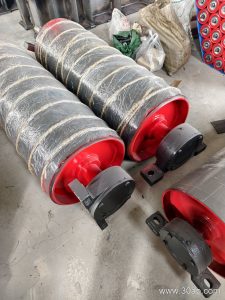
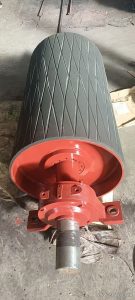
A mining ceramic lagged pulley is a conveyor pulley whose shell is covered with ceramic tiles set into a rubber or polymer backing. The ceramic surface is designed to raise friction between the pulley and the conveyor belt, especially on drive pulleys in dusty, wet, or abrasive service. In a crushing and screening circuit, or on a coal yard belt, this kind of conveyor pulley helps keep the belt from slipping when the drive pulls hard and the belt is partly loaded.
The same product is also called a ceramic lagged conveyor pulley or a ceramic rubber lagged pulley. It is still a drum with a shaft, bearings, and end plates; the ceramic lagging is the working surface that distinguishes it from a plain steel or rubber-covered drum.
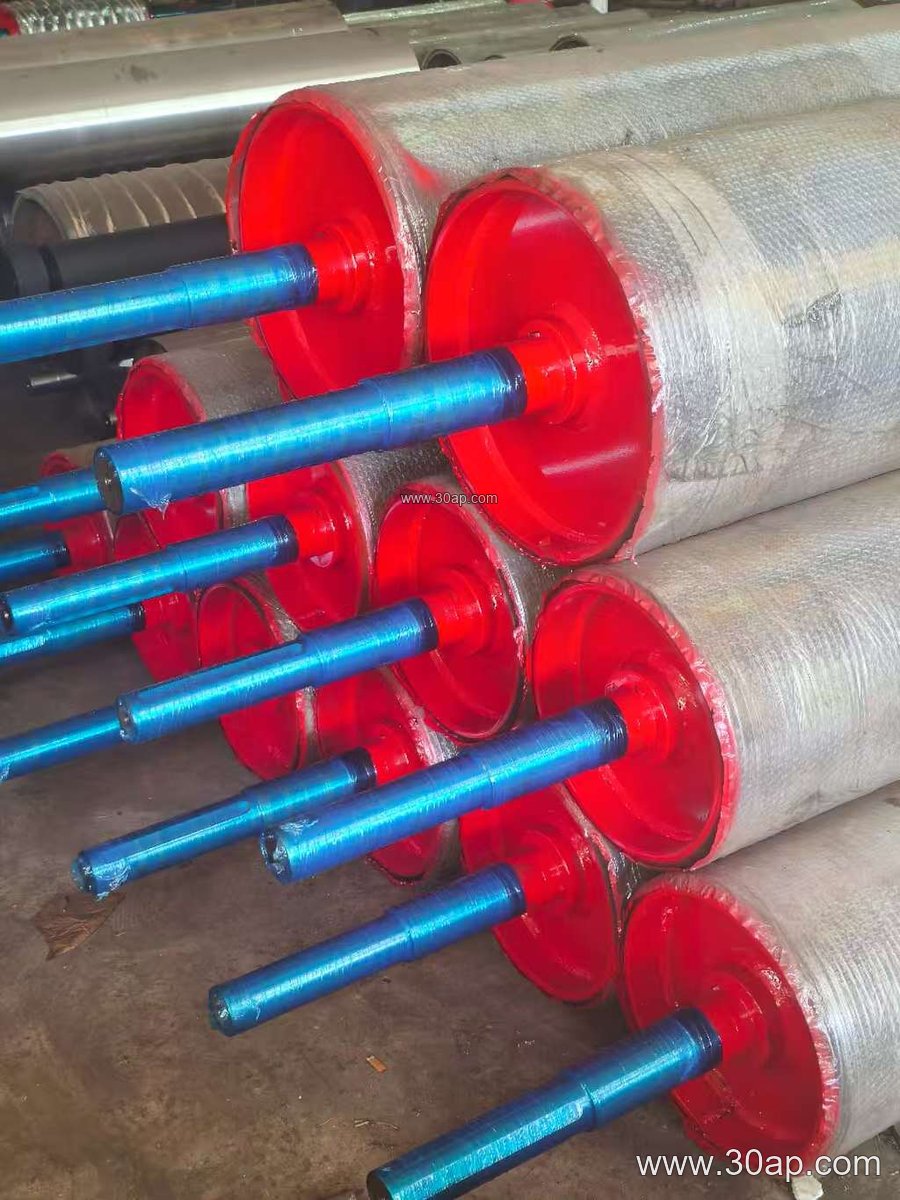
How the Ceramic Lagging Is Built
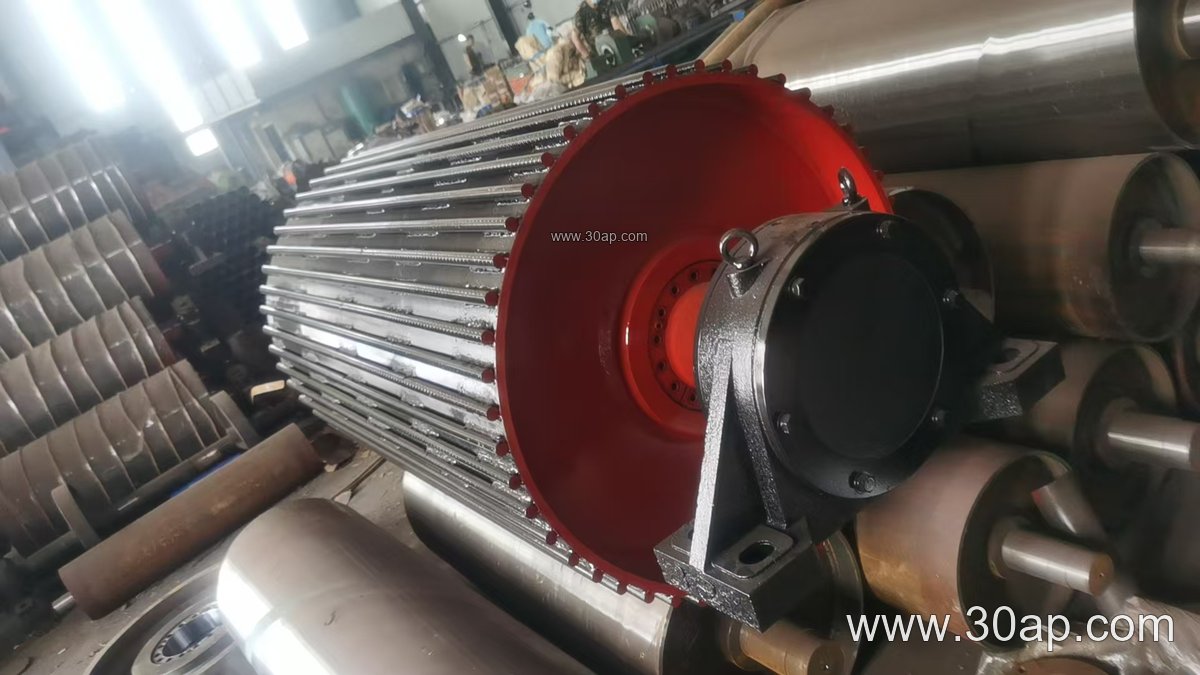
Ceramic tiles are usually bonded to a rubber layer that has been applied to the pulley shell. The tiles may be square, rectangular, or shaped with grooves, and they are often set in a staggered pattern so that the belt is gripped across the full face. Small raised areas and drainage channels help water and fine dust escape from the contact zone.
The lagging thickness commonly runs from 8 mm to 20 mm, depending on the duty and the tile format. The ceramic surface is harder than plain rubber, so it resists wear from grit that works its way between belt and drum. That matters at a limestone mine or a concrete batching plant, where fines are part of daily life.
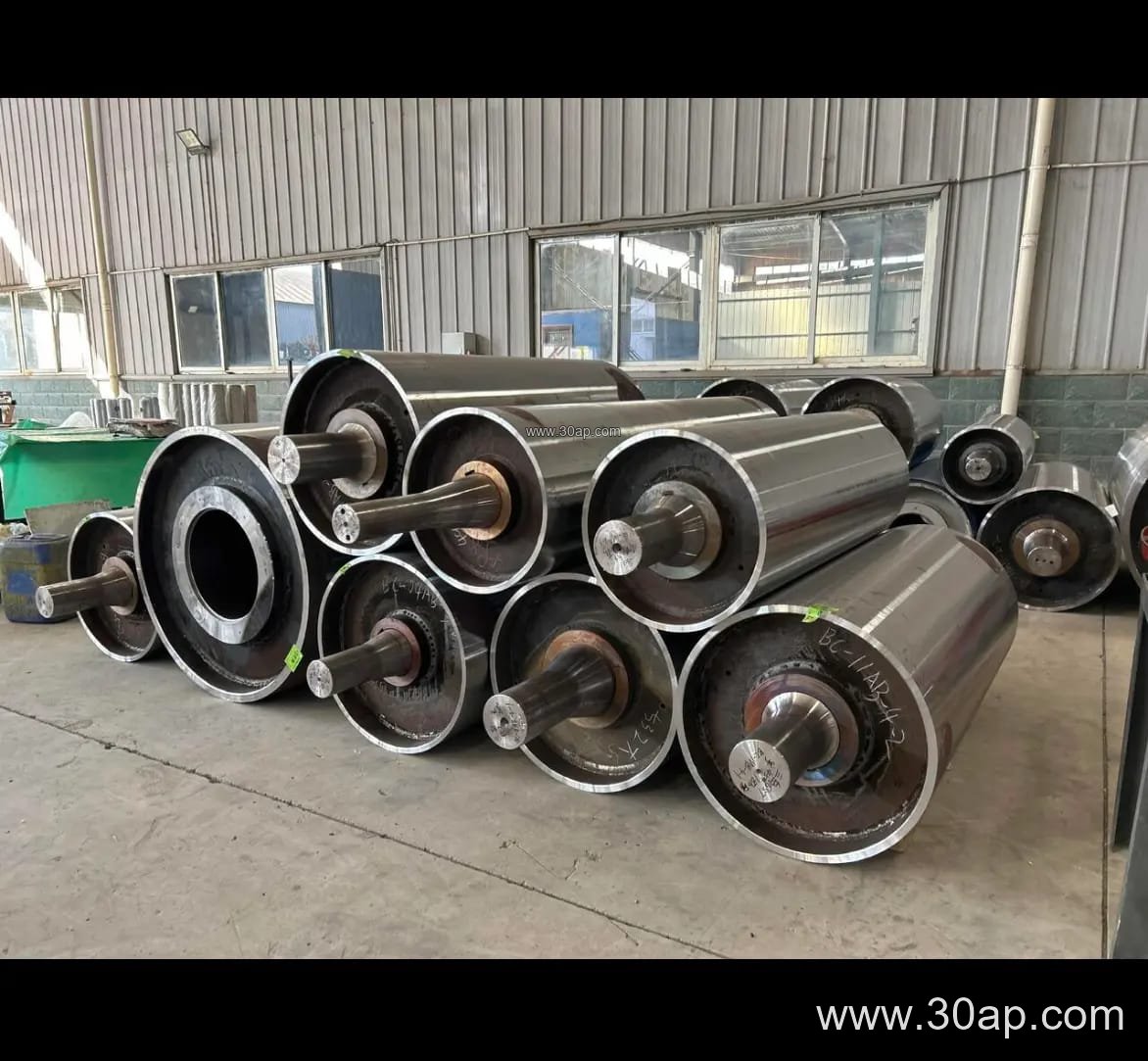
Where It Fits on a Conveyor
Ceramic lagging is most often specified for the drive pulley, the one that transmits power to the belt. It can also be used on a tail pulley or a bend pulley when local slip and wear call for extra grip, but the duty differs: a tail pulley mainly guides the belt, while a drive pulley carries the full torque. Head pulleys and take-up pulleys each see their own load pattern, so the lagging choice follows the position and the belt tension.
Typical sites include coal preparation plants, power station coal handling, iron and copper mines, sand and aggregate lines, cement clinker conveyors, and port bulk terminals. A ceramic lagged drum is also used where the conveyor belt carries wet material or works outdoors.
Common Reference Sizes
The table below shows common combinations used in planning. They are reference values, not fixed pairings; the final diameter follows belt speed, torque, and shaft load.
| Belt width | Typical pulley face width | Example diameter | Common lagging thickness | |
|---|---|---|---|---|
| B650 | about 750 mm | Ø400, Ø500 | 10, 12, 15 mm | |
| B800 | about 950 mm | Ø500, Ø630 | 10, 12, 15 mm | |
| B1000 | about 1150 mm | Ø630, Ø800 | 12, 15, 20 mm | |
| B1200 | about 1400 mm | Ø800, Ø1000 | 12, 15, 20 mm | |
| B1400 | about 1600 mm | Ø800, Ø1000, Ø1250 | 15, 20 mm |
Standard shaft diameters commonly range from Ø50 to Ø200, but the shaft is sized by torque and bearing load, not by belt width alone. A B1200 pulley may use a different shaft than another B1200 drum on the same plant.
What Buyers Should Check
- Confirm the pulley position: drive, tail, bend, or take-up. Each has a different grip requirement.
- Match lagging thickness and tile pattern to the material and moisture level.
- Check that the pulley face width suits the conveyor belt and that the drum diameter gives the needed belt speed.
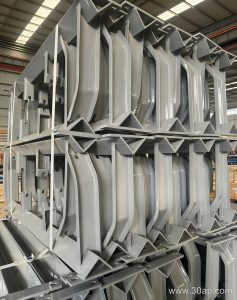
- Review shaft size, bearing selection, and the conveyor bracket interface together.
- Inspect tile bonding and groove depth, since loose tiles shorten lagging life.
During maintenance, check for worn tiles, missing pieces, and material build-up. Keep the idler roller and belt tracking in good order, because a misaligned belt wears lagging unevenly. A ceramic lagged pulley is a wear part, and its service life depends on belt tension, load, and the cleanliness of the conveyor.