What an Iron Ore Conveyor Belt Has to Handle
An iron ore conveyor belt is the carrying element in a bulk handling line that moves crushed or screened ore from a mine pit, stockyard, or transfer station to a processing plant, train loadout, or port. The duty is rarely gentle. Iron ore is dense and abrasive, and lump sizes can be large at the primary stage. A belt that performs well in a sand and gravel yard may wear quickly under this load, so the carcass, cover compound, and splice design all need to suit the duty.
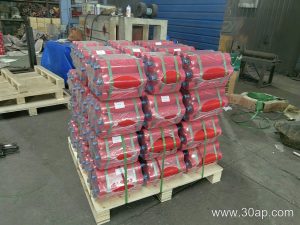
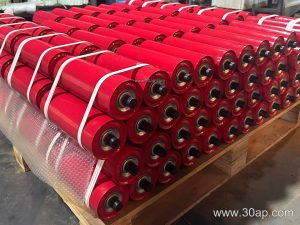
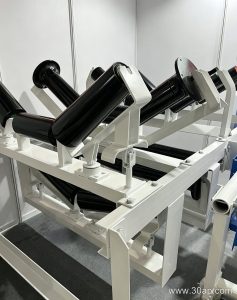
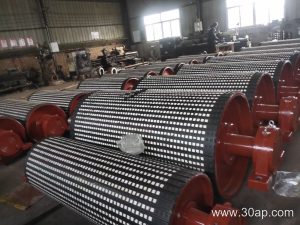
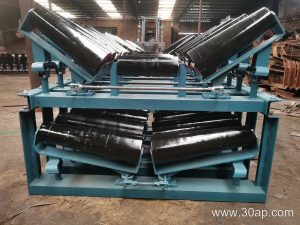
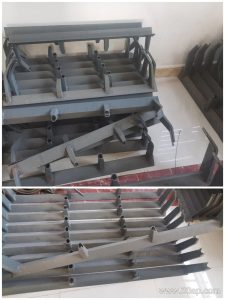
The belt usually runs on a troughed frame supported by idler rollers, driven through a head pulley, and kept in line by bend pulleys and training idlers. Belt, rollers, pulleys, and brackets form one system. A correct belt on a poorly aligned frame will still mistrack and edge-damage.
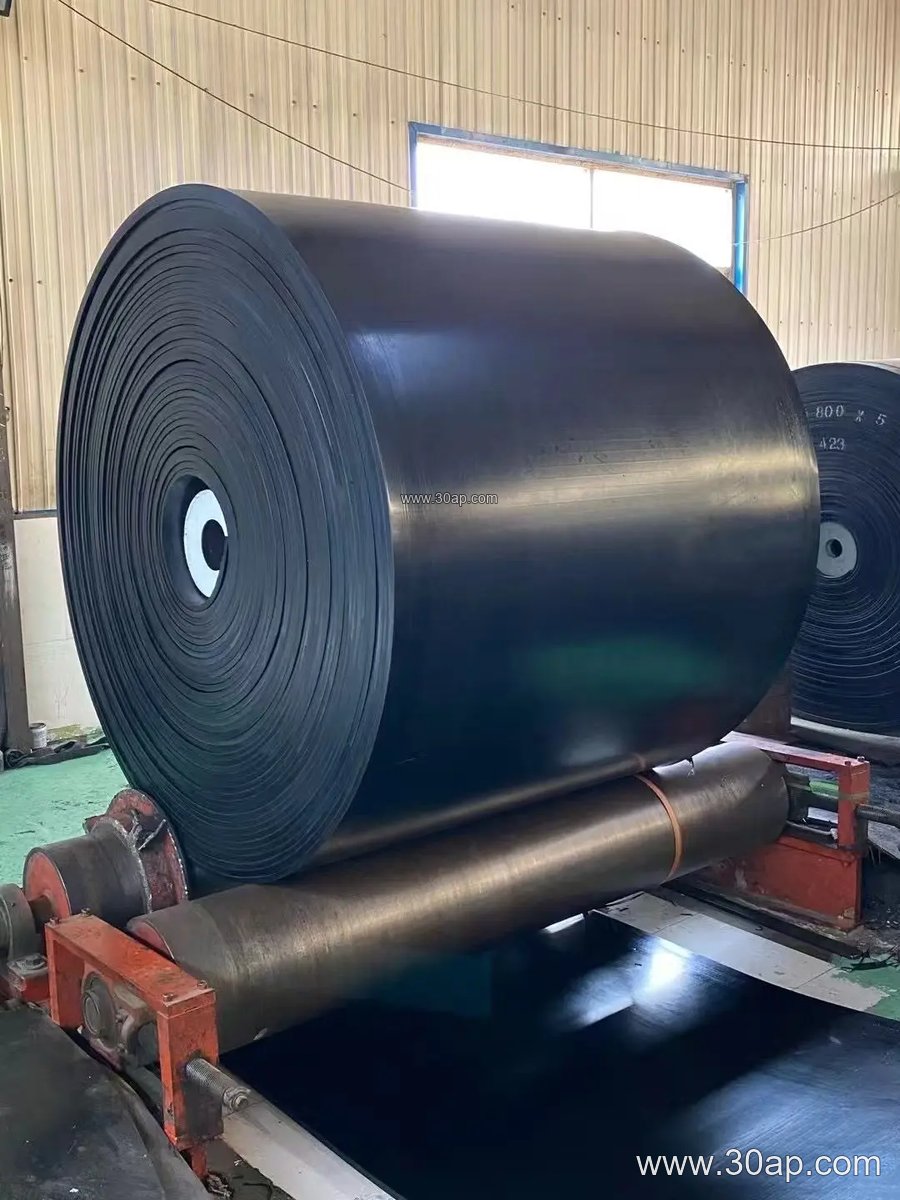
Construction of the Belt
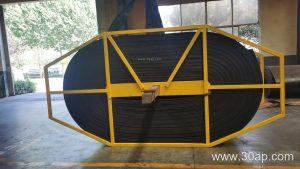
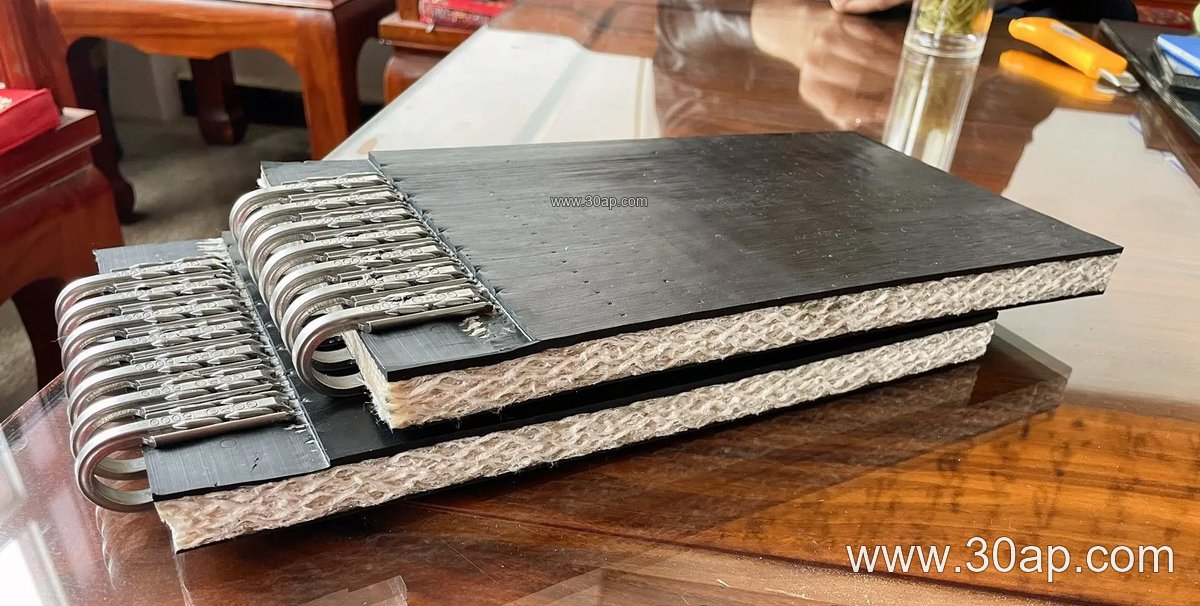
Most iron ore duties use a heavy-duty carcass with thick covers. Common constructions include EP fabric belts, NN nylon belts, and steel cord belts where long runs or high tension demand it. The carcass provides tensile strength, while the cover compound protects it from abrasion, impact, and in some plants oil or heat.
- Carcass: EP or NN fabric in multiple plies, or steel cord for high-tension routes.
- Top cover: abrasion-resistant rubber, often 6+2, 8+3 mm, or heavier on impact points.
- Bottom cover: usually thinner, sized to pulley contact and return-side wear.
- Edges: protected to resist splitting at transfer chutes.
Cover thickness and compound grade are chosen from the ore size, drop height, and moisture. A transfer point with a high drop needs impact resistance; a long overland run needs low rolling resistance and stable tracking.
Typical Specifications
The table below shows reference ranges only. Final values are set by the conveyor design, and different manufacturers offer different combinations. Belt width is not tied to one pulley diameter.
| Parameter | Common reference values |
|---|---|
| Belt type | EP, NN, steel cord, abrasion-resistant, flame-retardant |
| Tensile grade | EP200 to EP2000 |
| Belt width | B500, B650, B800, B1000, B1200, B1400, B1600, B1800, B2000 |
| Cover thickness | 3+1.5, 4+2, 5+2, 6+2, 8+3 mm |
| Ply count | 2 to 6 plies for fabric belts |
Wider belts are used where tonnage is high, while narrower belts suit smaller transfer lines. The tensile grade should be calculated from the actual tension, not copied from a neighbouring project.
Where It Is Used
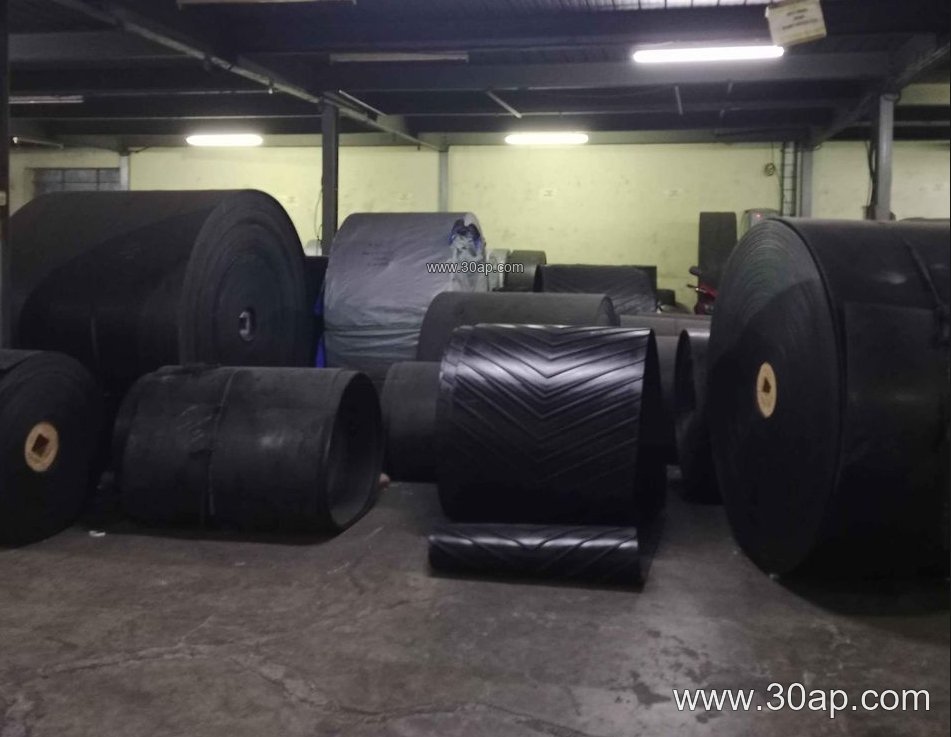
Iron ore belts appear in mine sites, crushing and screening plants, pellet plants, stockyards, and port terminals. Similar heavy belts also serve coal mines, cement plants, power stations, and sand and gravel yards, but the abrasive nature of iron ore usually calls for a tougher cover. In a port terminal, the belt may run several kilometres and pass through multiple transfer towers, so splice quality and idler condition matter as much as the belt itself.
Buyer Checklist
Before ordering, confirm the following with the conveyor designer:
- Peak and average tonnage per hour, and lump size at the loading point.
- Belt width and speed, plus centre distance and incline angle.
- Calculated belt tension to fix the tensile grade and ply count.
- Cover grade and thickness for abrasion, impact, oil, or heat.
- Pulley diameters, trough angle, and idler roller spacing.
- Splice method, whether mechanical or vulcanised, and available space.
Ask for the belt data sheet, including cover hardness and carcass details. On site, keep idler rollers turning freely, check pulley lagging, and inspect the belt edges after each shift. A worn edge becomes a tear, and a seized roller can cut a cover in hours. Treat the specification as a design decision, not a catalogue default, and the iron ore conveyor belt will give a longer, more predictable service life.