What a Thermal Power Plant Conveyor Pulley Does
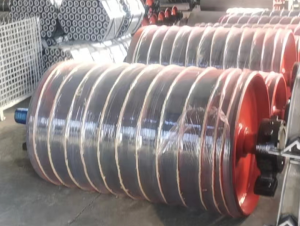
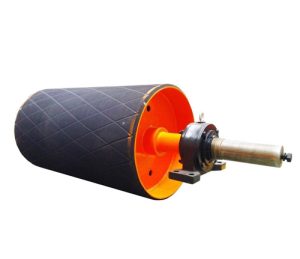
In a coal-fired power station, the coal handling system moves fuel from the stockyard or receiving station to the boiler bunkers. The thermal power plant conveyor pulley is the rotating drum that drives or redirects the conveyor belt along this route. It is not a single component type but a family of pulleys, each with a specific job. The drive pulley, often called the head pulley, transmits power from the gearbox to the belt. The tail pulley at the loading end provides belt tension and guidance. Bend pulleys change the belt direction around tensioning devices, while snub pulleys increase belt wrap on the drive pulley. These subtypes are not interchangeable; a drive pulley must handle high torque, while a bend pulley mainly guides the belt.
Construction and Surface Options
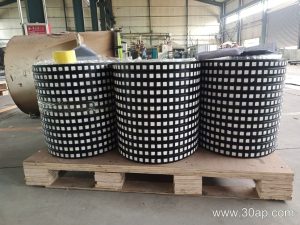
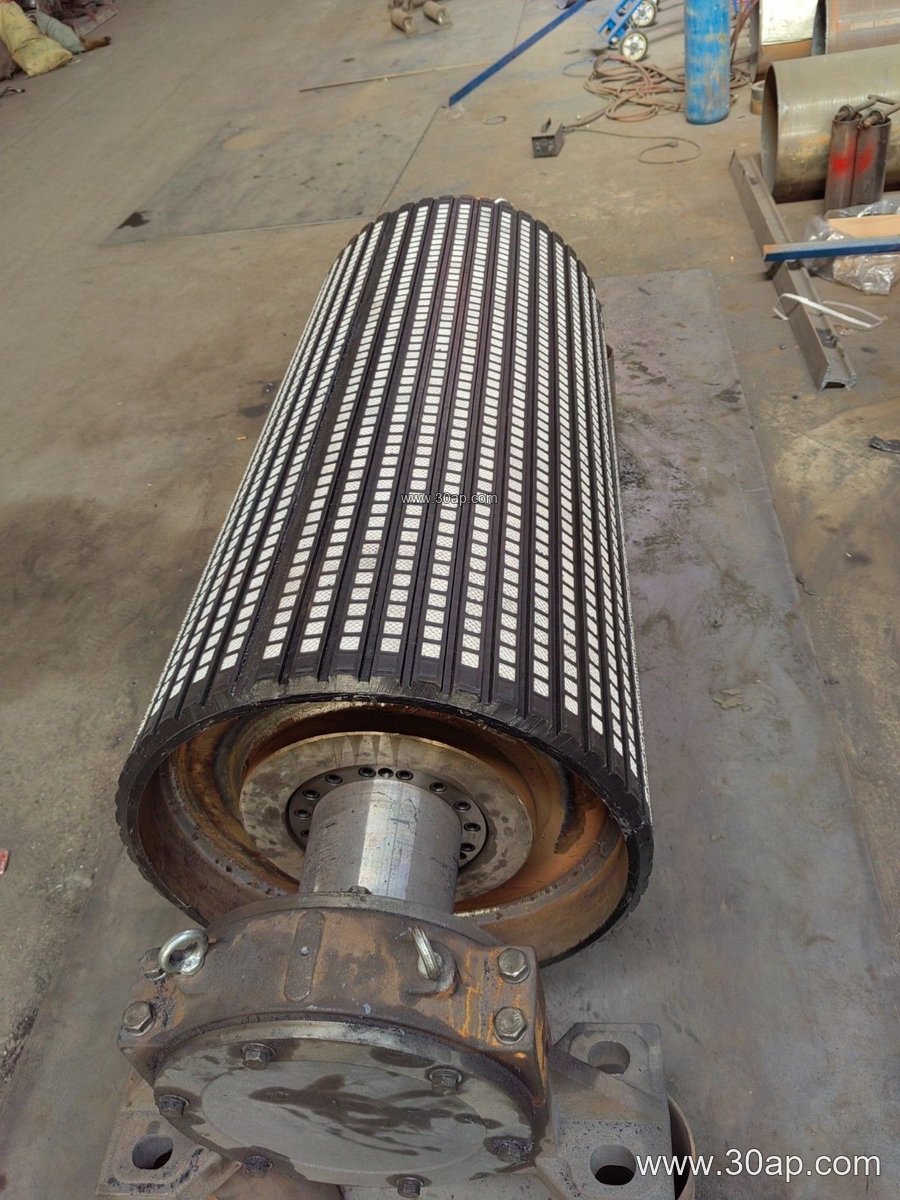
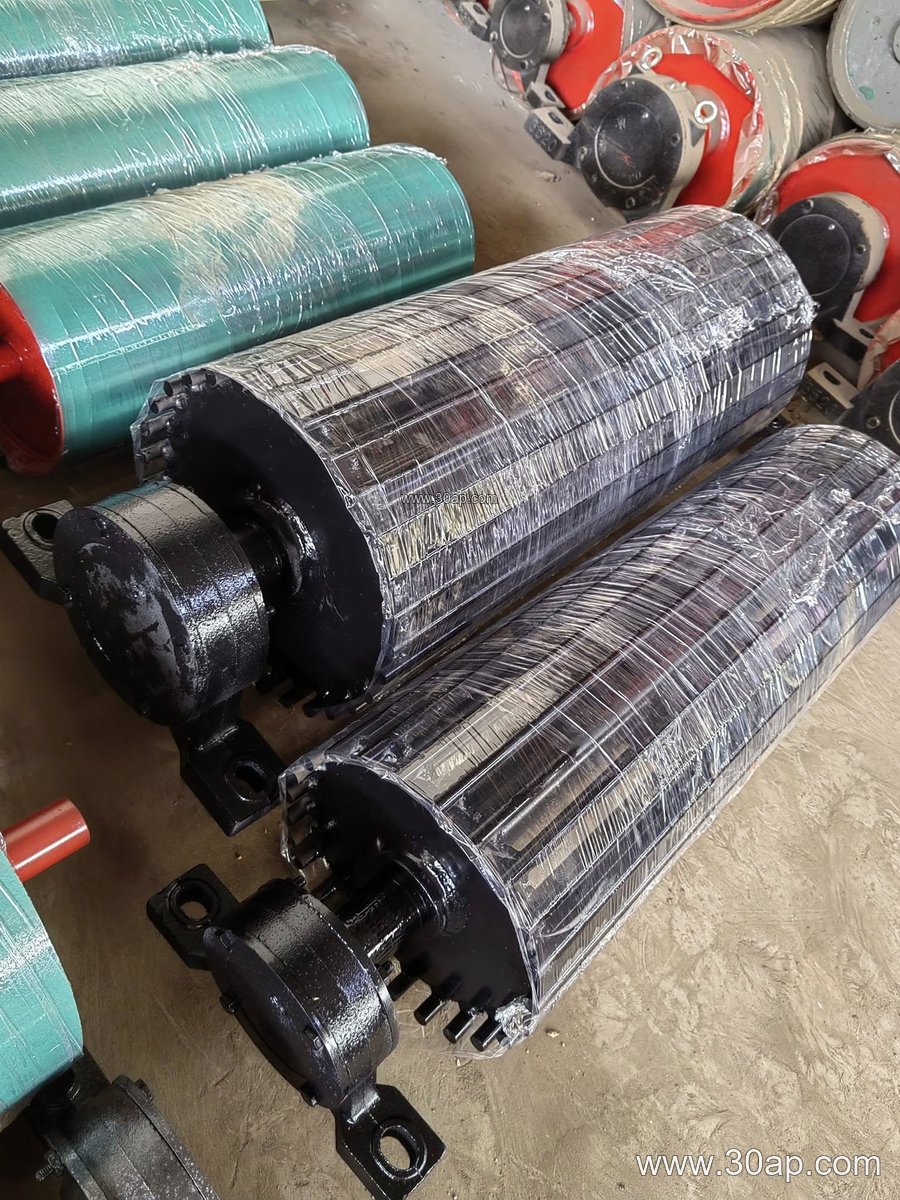
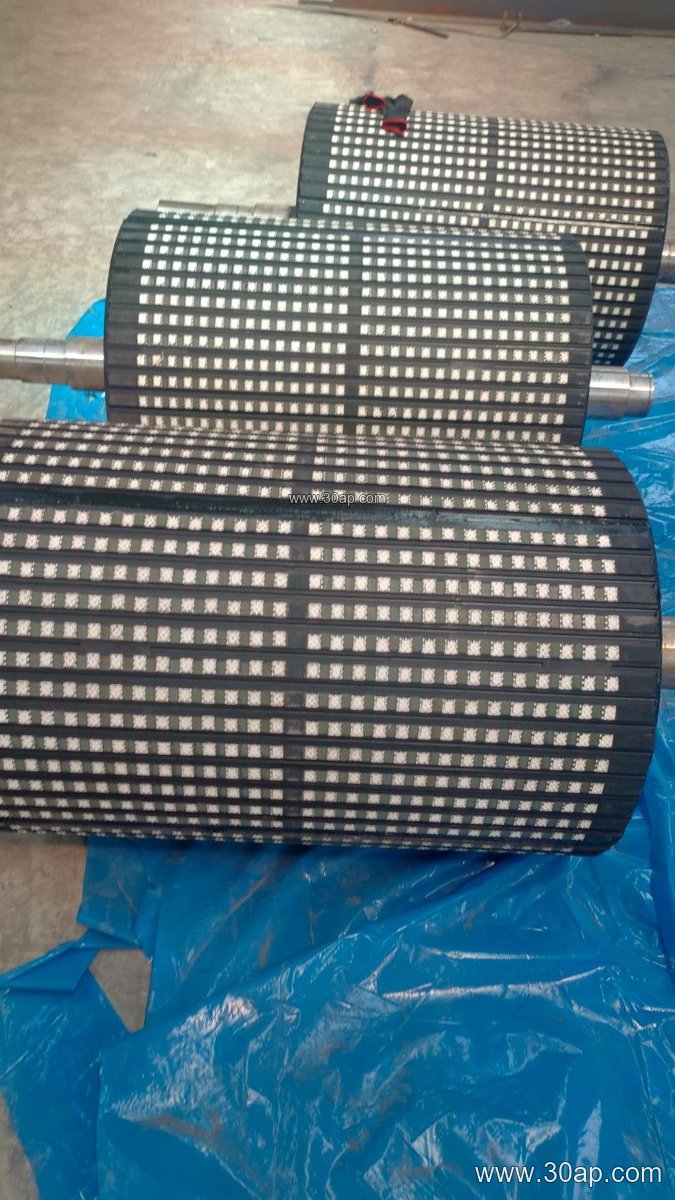
A thermal power plant conveyor pulley typically consists of a steel shell, end discs, a shaft, and bearing housings. The shell may be plain or covered with rubber, ceramic, or other lagging to improve grip and wear resistance. Common surface forms include plain, hot-vulcanized rubber, cold-bonded rubber, diamond grooved, herringbone grooved, and ceramic lagging. Lagging thickness often ranges from 8 mm to 20 mm depending on the application. The pulley face width is usually wider than the belt to accommodate misalignment; for example, a B1200 belt may use a pulley face around 1400 mm. Shaft diameters are determined by torque and load, with common sizes from Ø50 to Ø200 mm.
Where It Fits in the Coal Handling Line
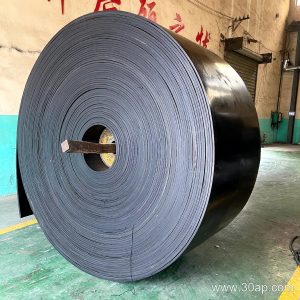
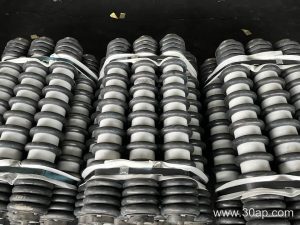
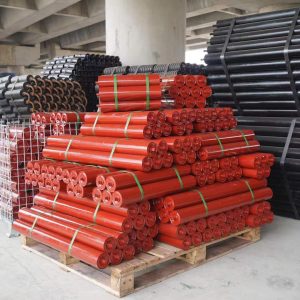
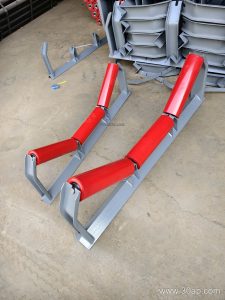
Thermal power plant conveyor pulleys are used in coal receiving, stockyard stacking, and boiler feed systems. They work alongside conveyor belts, idler rollers, and conveyor brackets to form a continuous transport chain. In a typical coal handling plant, a drive pulley at the transfer tower powers the belt, while tail and bend pulleys maintain tension and route the belt through the tensioning station. The environment is often dusty and abrasive, so pulley lagging and bearing seals must be selected for coal dust exposure. Other industries such as limestone mines, cement plants, and port bulk terminals use similar pulleys, but the duty cycle in power generation is often continuous with high availability requirements.
Key Parameters for Buyers
When specifying a thermal power plant conveyor pulley, buyers should consider belt width, pulley diameter, shaft size, lagging type, and bearing arrangement. The table below lists common reference values; these are not universal specifications and should be confirmed with the pulley manufacturer based on actual load calculations.
| Parameter | Common Range | Notes |
|---|---|---|
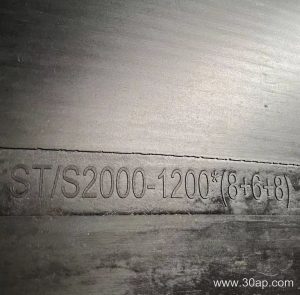
| Belt width | B400 to B2400 | Pulley face width usually exceeds belt width |
| Pulley diameter | Ø200 to Ø1800 mm | Selected by belt speed, torque, and wrap angle |
| Shaft diameter | Ø50 to Ø200 mm | Determined by torque and load, not belt width alone |
| Lagging thickness | 8, 10, 12, 15, 20 mm | Thicker lagging for high-torque drive pulleys |
| Surface type | Plain, rubber, ceramic, grooved | Match to material and traction needs |
For example, a B800 belt might use a Ø500 drive pulley with 10 mm diamond rubber lagging, while a B1400 belt could use a Ø800 bend pulley with plain surface. These are illustrative combinations, not fixed rules.
Maintenance and Reliability Notes
Regular inspection of lagging wear, shaft alignment, and bearing condition helps prevent unplanned outages. In coal handling, pulley lagging can wear faster on drive pulleys due to slip and abrasive dust. Keeping the conveyor belt tension correct reduces load on tail and bend pulleys. Spare pulleys should match the original shaft and bearing dimensions to avoid modification of conveyor brackets. Buyers should request drawings showing pulley diameter, face width, shaft size, lagging type, and bearing model to ensure compatibility with the existing conveyor structure.