What a Single Drive Pulley Does on a Conveyor
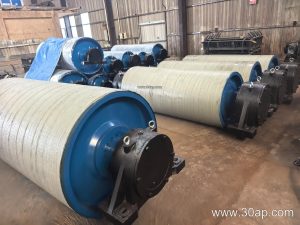
A single drive pulley is the one drum that transmits the motor torque into the conveyor belt on a belt conveyor. It is usually installed at the head position, where the belt is fully loaded and wraps around the drum before the return run. In a single-drive arrangement, this one drum carries the whole driving duty, so its diameter, lagging and shaft design matter more than on a multi-drive system where the load is shared.
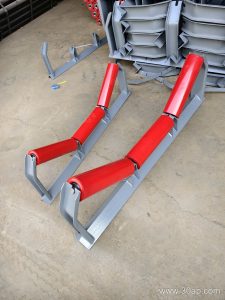
Do not confuse it with other drum positions. A tail pulley turns the belt at the loading end, a bend pulley changes direction along the run, and a take-up pulley handles tension. Those are separate components with separate duties, even when they look similar from the outside. The single drive pulley is the torque input point, and every downstream roller and bracket is sized around the belt path it creates.
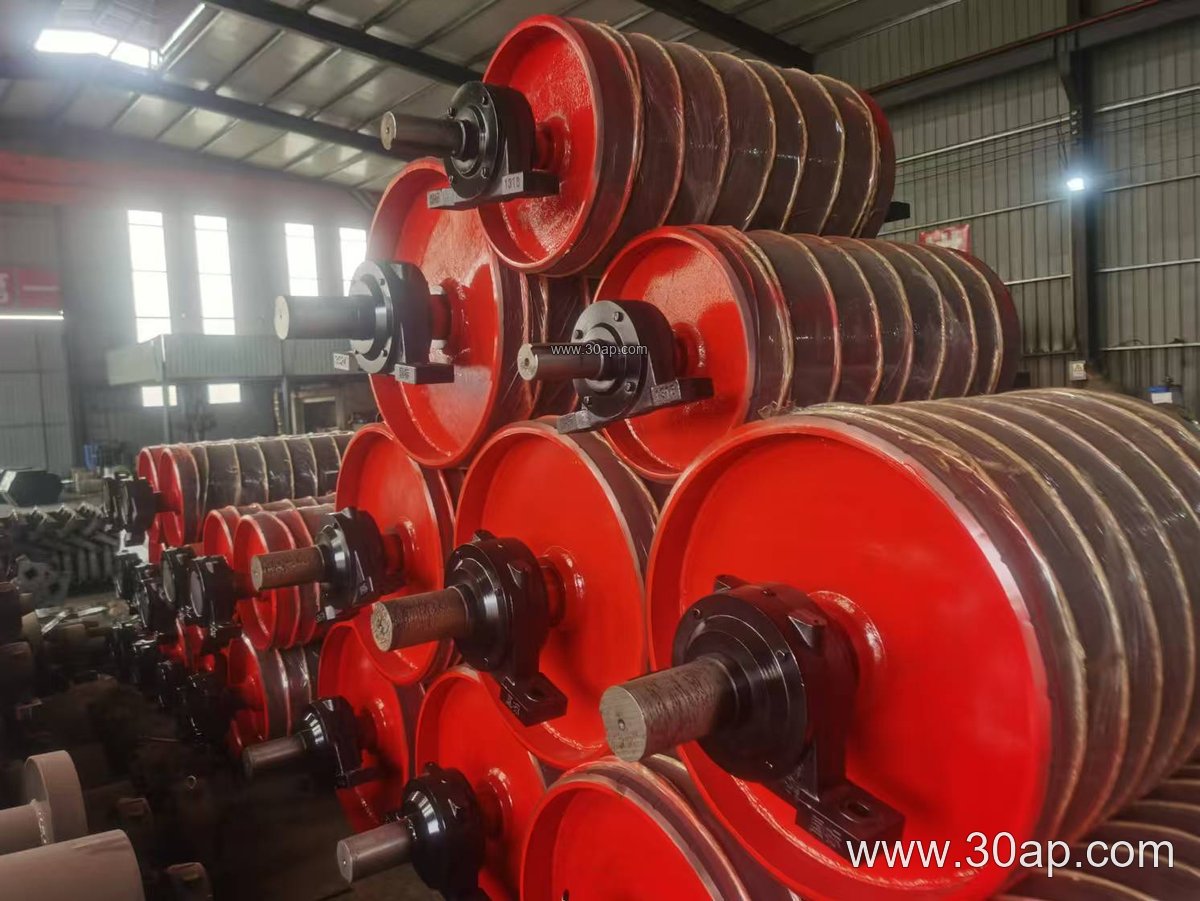
How the Drum Is Built
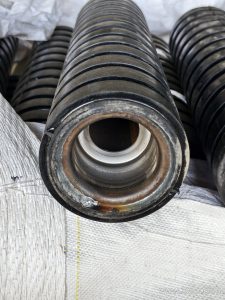
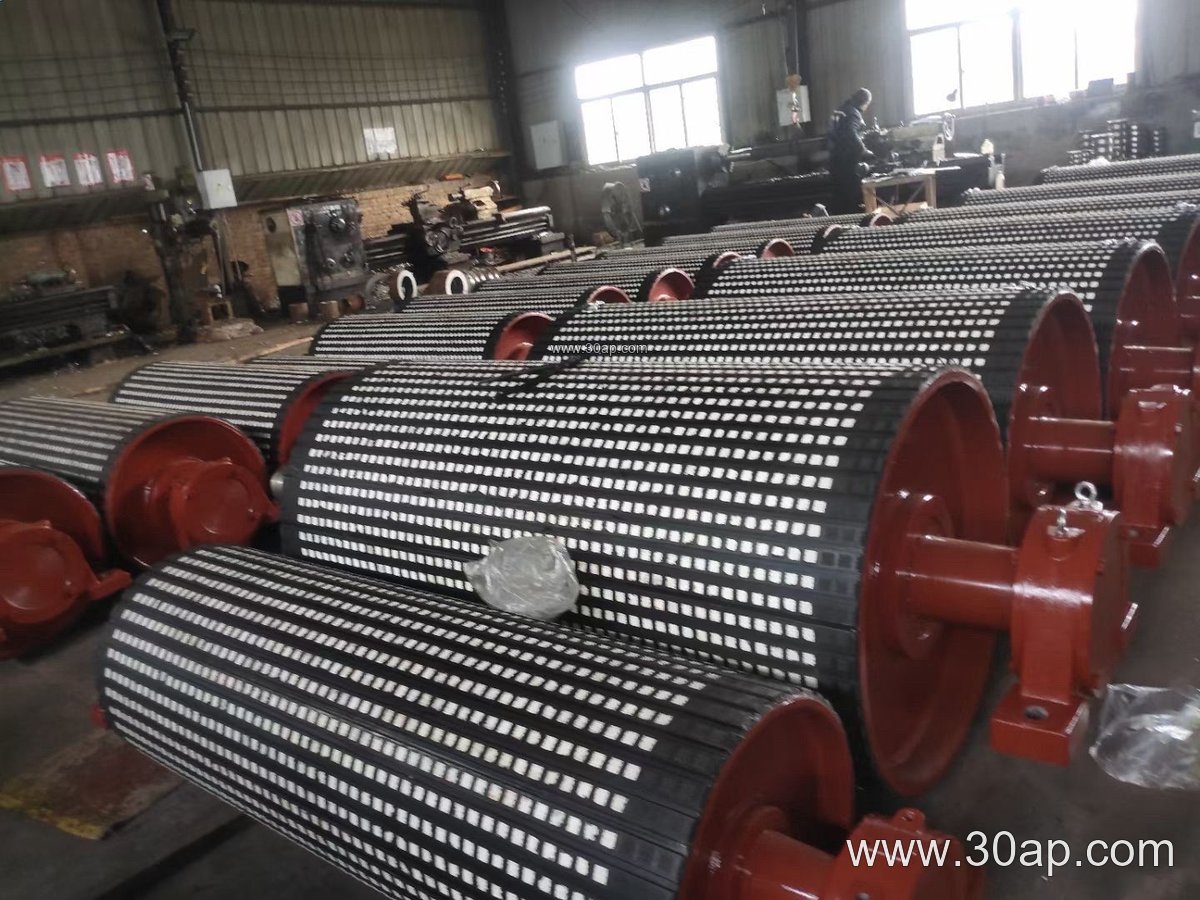
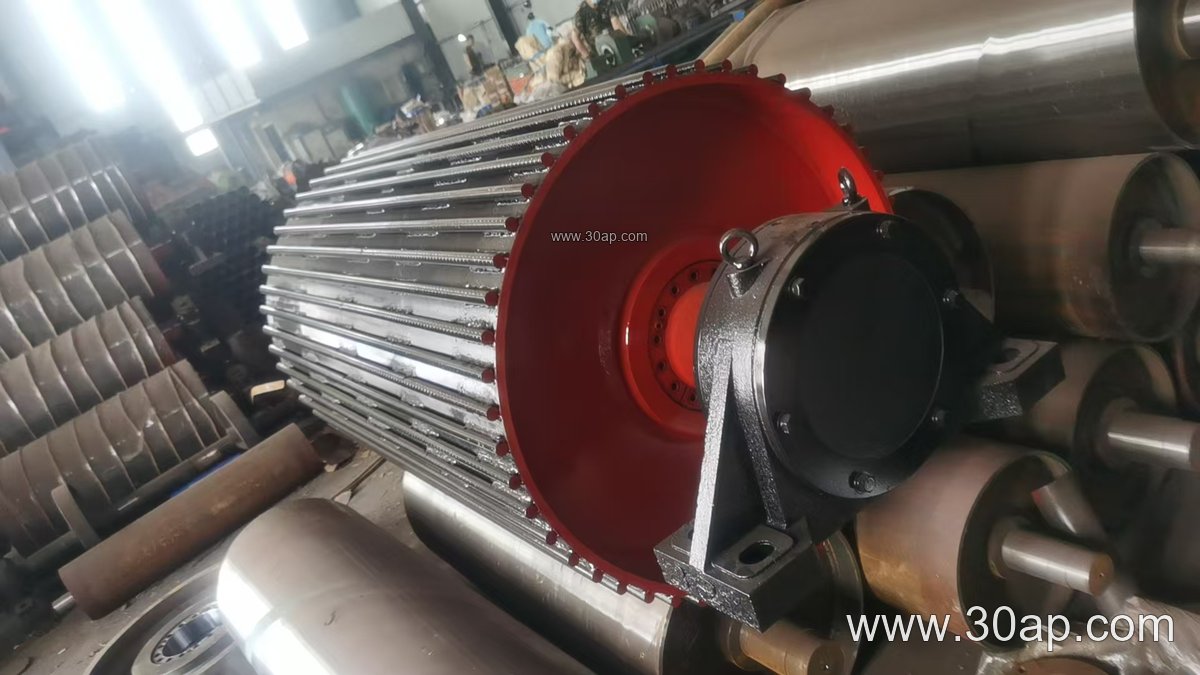
The body is normally a welded steel shell with end discs, a hub on each side, and a shaft that runs through the assembly. The shell surface can be plain or covered with rubber lagging. Common surface forms include plain finish, hot-vulcanized rubber, cold-bonded rubber, diamond pattern lagging, herringbone lagging and ceramic lagging. Lagging thickness is often 8, 10, 12, 15 or 20 mm depending on grip requirements and belt tension.
The face width is usually slightly wider than the belt to keep the belt centered. Typical reference values are shown below; they are common practice, not fixed rules.
- B400 belt with roughly 500 mm face width
- B500 belt with roughly 600 mm face width
- B650 belt with roughly 750 mm face width
- B800 belt with roughly 950 mm face width
- B1000 belt with roughly 1150 mm face width
- B1200 belt with roughly 1400 mm face width
- B1400 belt with roughly 1600 mm face width
- B1600 belt with roughly 1800 mm face width
Diameter and shaft size are driven by belt tension, torque and allowable bearing load, not by belt width alone. A B800 drum might be built around Ø500, and a B1200 drum around Ø1000, but the same belt width can support more than one diameter depending on the duty. Shaft diameters commonly fall in the Ø50 to Ø200 range, and the exact value should come from the torque calculation.
Where It Fits in Bulk Handling
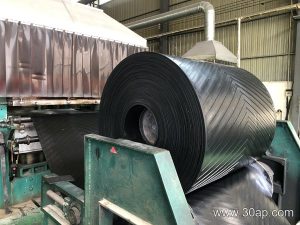
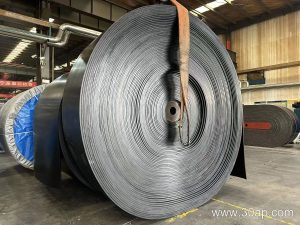
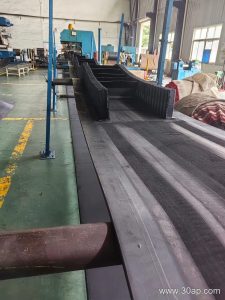
These drums appear wherever a belt conveyor moves heavy bulk material. In a limestone quarry or a sand and gravel line, the drive drum sits at the discharge end and works with the conveyor belt, conveyor idler rollers and conveyor brackets to keep the line running. In a coal preparation plant, a cement clinker line or a power station coal yard, the same drum type handles dusty, abrasive loads where lagging grip and shell wear resistance count.
In a crushing and screening circuit, a single drive pulley often serves a short transfer conveyor where one motor is enough. At a port bulk terminal or a steel plant sinter line, longer conveyors may need more than one drive, and that is exactly where the single-drive version stops being the right choice. Matching the drive arrangement to the belt length and tonnage is part of the design, not an afterthought.
What a Buyer Should Confirm
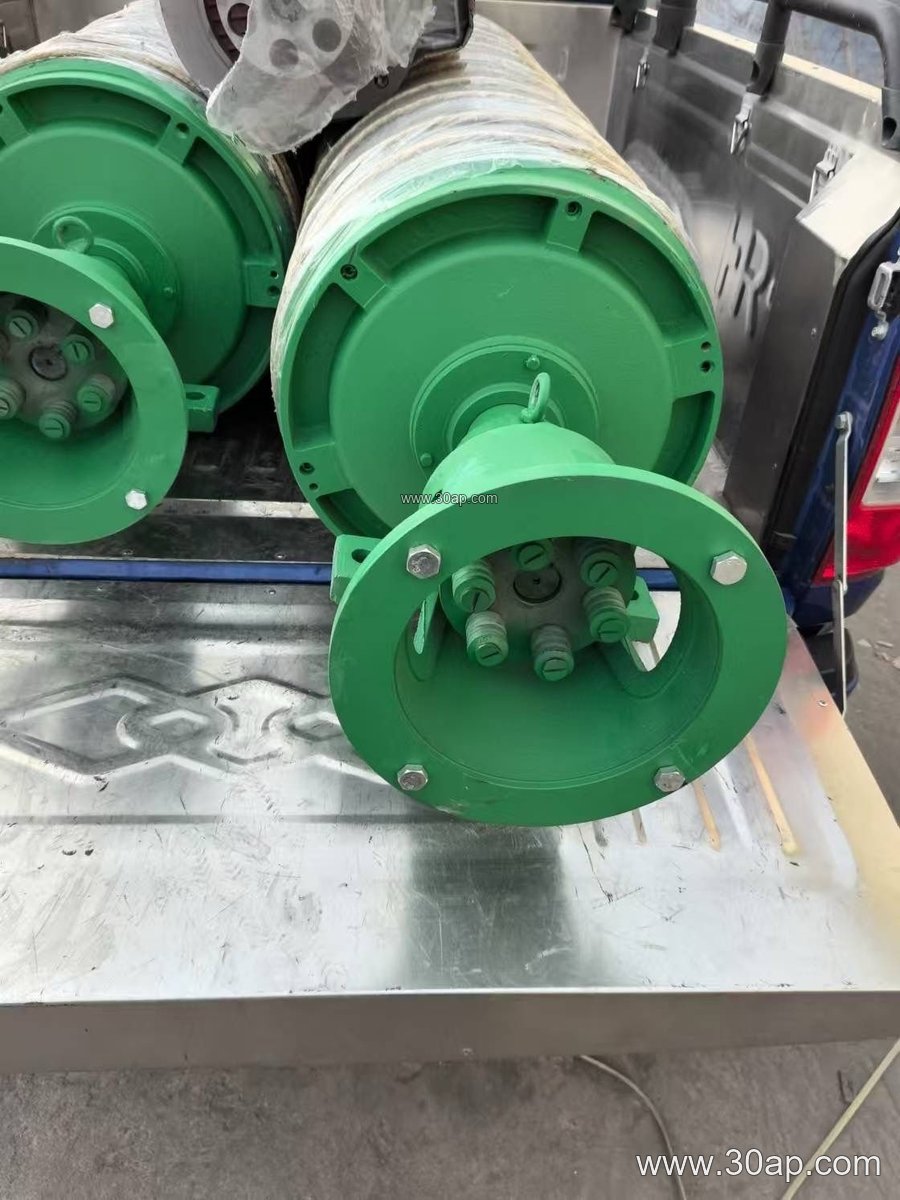
Before ordering, collect the belt width, the required drum diameter, the belt speed, the absorbed power and the belt tension figures. Confirm the lagging type and thickness, the face width, the shaft diameter and the bearing arrangement. Ask how the drum will be balanced and how the lagging is bonded, because a poorly bonded rubber cover can peel under load.
Check the mounting interface as well. The bearing housings, base frame and conveyor brackets must line up with the rest of the conveyor structure. If the drum is a replacement, measure the old unit rather than relying on the belt width, since two conveyors of the same width can use different drum sizes.
Reference data for early planning
The figures below are common reference values only. Final sizes are set by the conveyor design.
- Belt widths: B400, B500, B650, B800, B1000, B1200, B1400, B1600
- Drum diameters: Ø200, Ø250, Ø315, Ø400, Ø500, Ø630, Ø800, Ø1000
- Lagging thickness: 8, 10, 12, 15, 20 mm
- Shaft diameters: Ø50, Ø60, Ø70, Ø80, Ø90, Ø100, Ø120, Ø140
A single drive pulley is a simple-looking part with a demanding job. Get the diameter, lagging and shaft right, and the belt, idler rollers and frame will work together for a long service life.