What a Mining Sealed Idler Actually Does
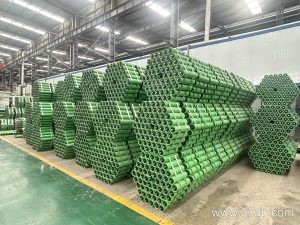
A mining sealed idler is a carrying or return roller built with protected bearing housings so that dust, grit, and wash-down water stay away from the rotating parts. In a quarry, a coal preparation plant, or a cement plant, the conveyor belt runs over dozens of these idler rollers, and each one adds a small amount of friction. When the seals fail, friction rises, the roller drags, and the belt suffers. That is why the sealed design matters more than the paint on the tube.
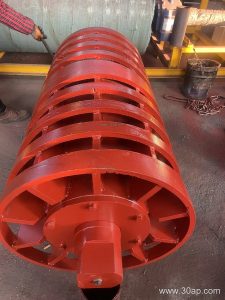
Note that a sealed idler stays an idler. It is not a conveyor pulley, and it should never be ordered as a substitute for a drive pulley, tail pulley, or bend pulley. Those are different components with different duties.
How the Sealing Is Built
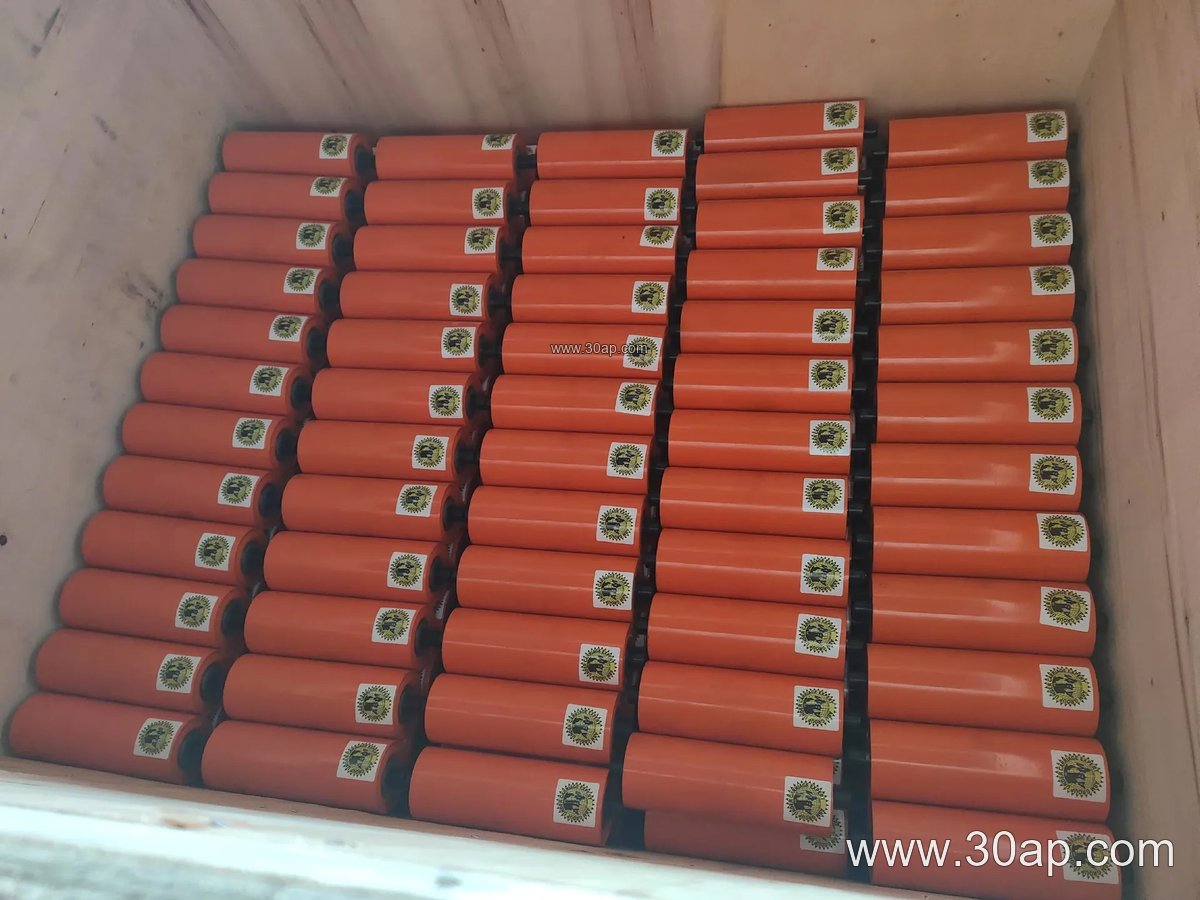
The typical construction is a steel tube with pressed end caps, a shaft, and a bearing at each end. The seal package usually combines a labyrinth path with a lip seal or a felt and rubber arrangement, and the bearing cavity is packed with grease before assembly. A well-made sealed idler keeps a light film of grease at the seal lip so dust cannot migrate inward.
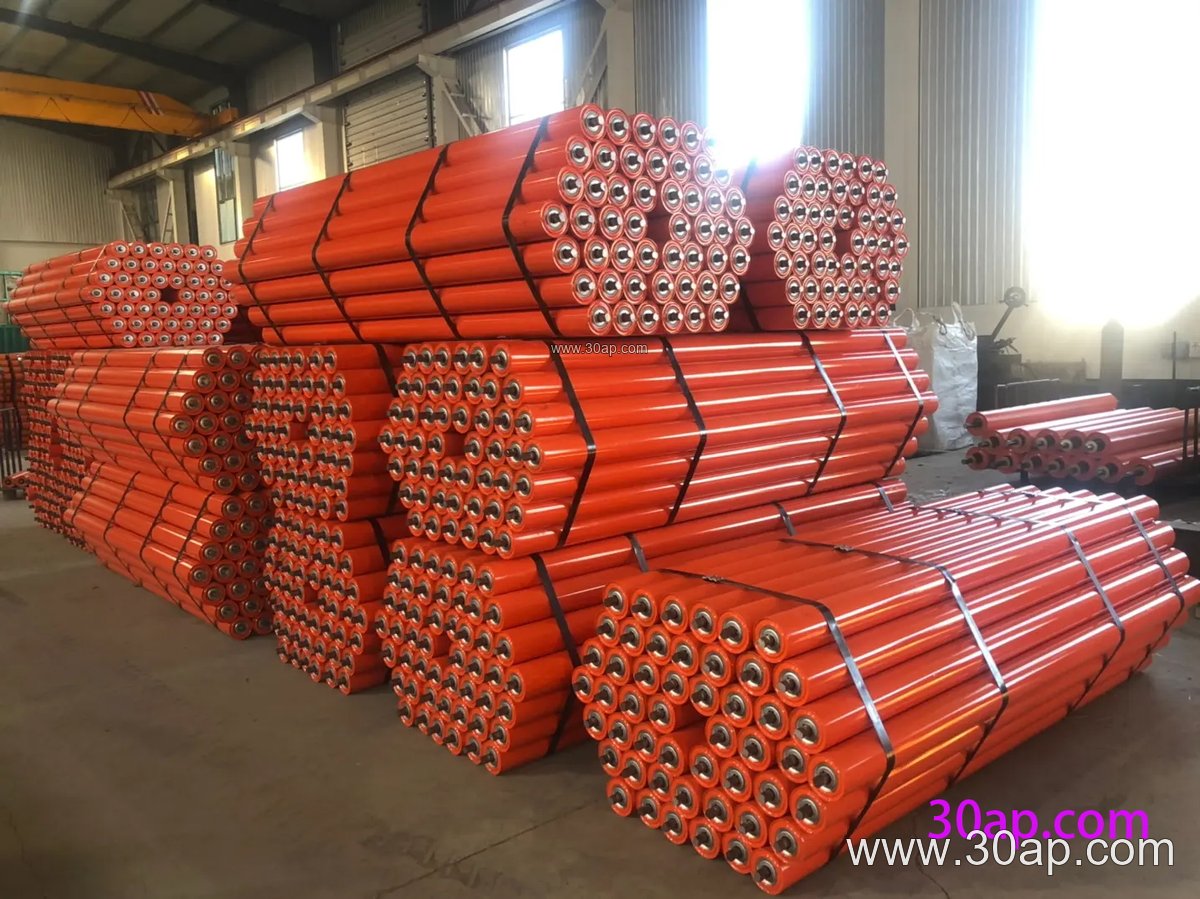
Tube materials vary by duty. Common options include plain steel tube, nylon-coated tube, and rubber rings for impact zones. A rubber-ring impact idler is a different item from the plain sealed carrying roller, so specify the duty rather than the name alone.
Where Sealed Idlers Fit in the Line
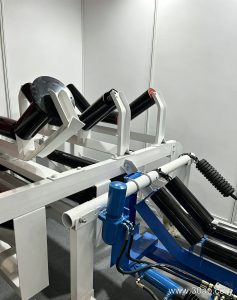
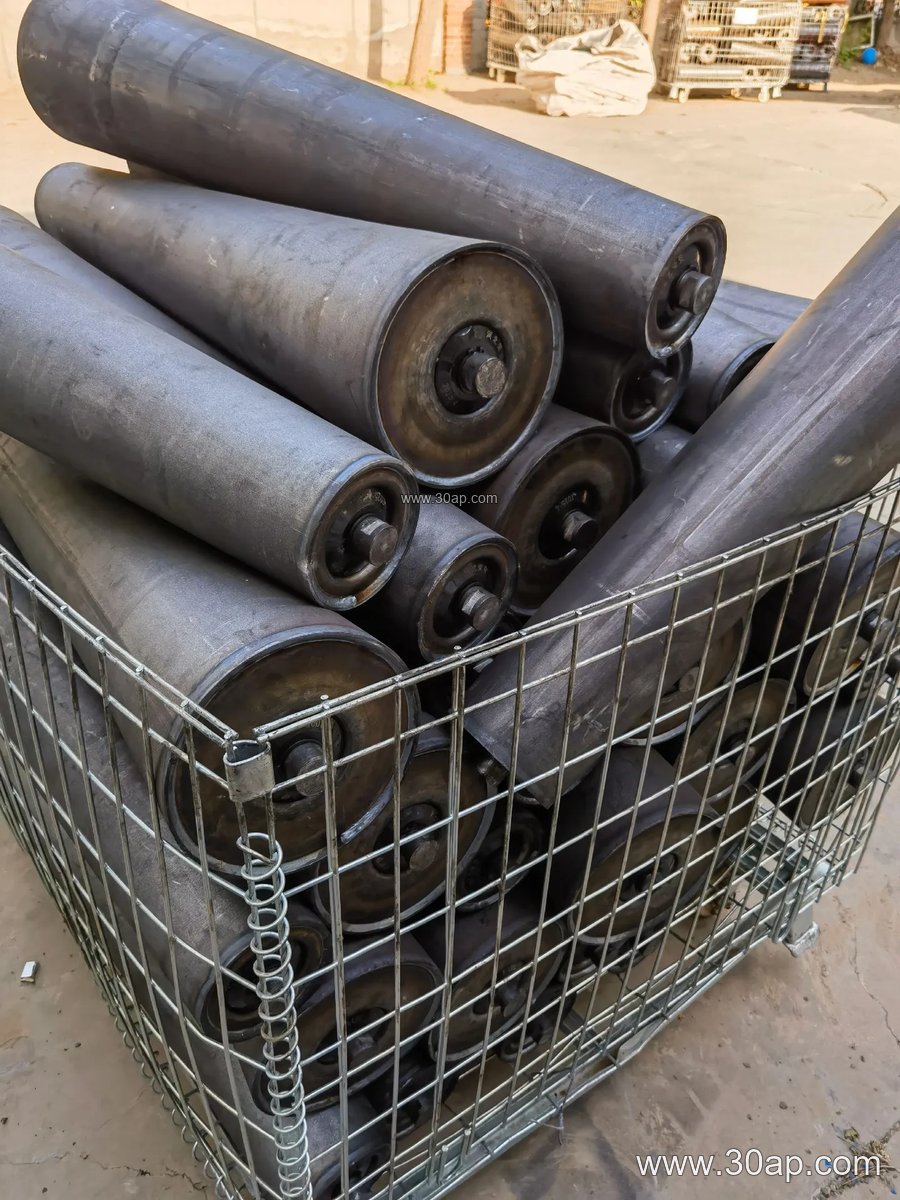
Sealed carrying idlers usually sit on the loaded side in three-roll trough sets, while sealed return rollers run under the belt on the empty strand. In a coal handling system or a limestone crushing circuit, the return strand is often the dirtiest part of the conveyor, so sealed return rollers earn their cost there.
Trough angle affects how the belt and the material sit. Common trough angles are 20, 30, 35, and 45 degrees. Steeper angles contain bulk material better on a wide belt, but they also raise the load on the side rollers, so the seal and bearing selection should follow the actual duty.
Common Reference Dimensions
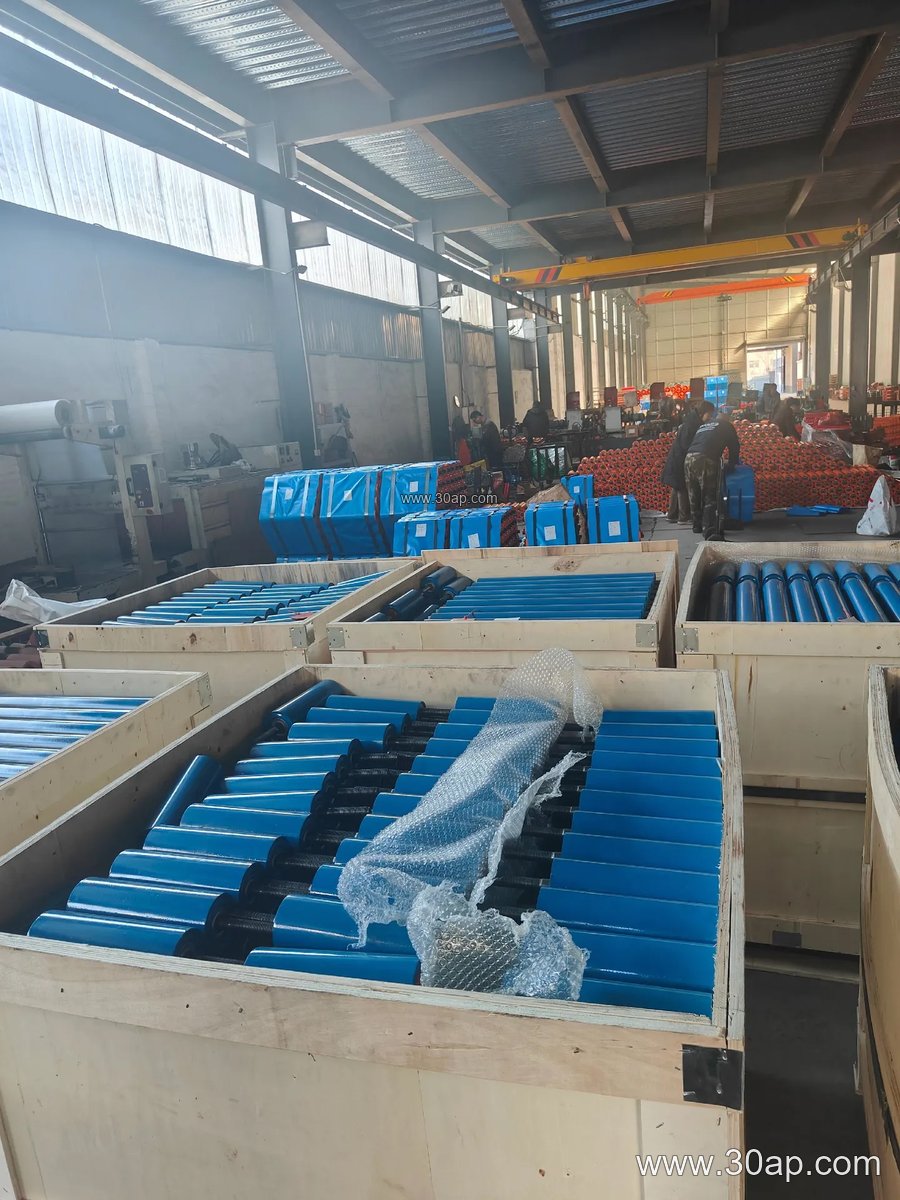
The table below shows reference data often used when discussing sealed idlers. These are examples for orientation, not fixed combinations, and final dimensions are confirmed by design.
| Parameter | Common reference values |
|---|---|
| Roller diameter | Ø63, Ø76, Ø89, Ø102, Ø108, Ø127, Ø133, Ø159, Ø178, Ø194, Ø219 mm |
| Belt width | B400, B500, B650, B800, B1000, B1200, B1400, B1600, B1800, B2000, B2200, B2400 |
| Bearing | 6204, 6205, 6305, 6306, 6308, 6310 |
| Tube surface | Steel, nylon, ceramic, rubber ring |
| Trough set | Single roll, two roll, three roll |
Roller length follows belt width, trough angle, and set form. As a rough illustration, three-roll trough sets are sometimes quoted with roll lengths near 200 mm for B500, 250 mm for B650, 315 mm for B800, 380 mm for B1000, and 465 mm for B1200. Side rolls and centre rolls can differ, so do not treat any single figure as a rule.
Choosing the Right Sealed Roller
- Match the roller diameter and bearing to the belt speed and load, not to the belt width alone.
- Check the shaft and bracket fit. A conveyor bracket that does not seat squarely shortens seal life quickly.
- For impact points under a crusher or transfer chute, consider rubber-ring impact rollers instead of plain sealed carrying rollers.
- For tracking problems on a long overland conveyor, a self-aligning idler may be needed, but it does not replace the standard sealed carrying roller along the main run.
- Ask for the seal arrangement and grease type, since these details decide how the roller behaves in wet or dusty service.
Maintenance Notes
Sealed does not mean maintenance-free. Walk the conveyor and listen for squealing or rumbling rollers, and check for dragged belt edges that suggest a seized idler. Replace a failed roller promptly, because one locked roller can wear through a conveyor belt in a short time. Keep spare sealed idlers in the two or three most used diameters on site so a failure does not stop the line.