What an Adjustable Conveyor Bracket Does
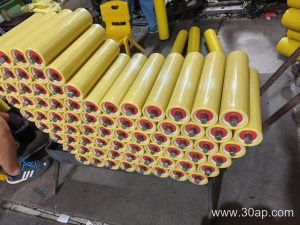
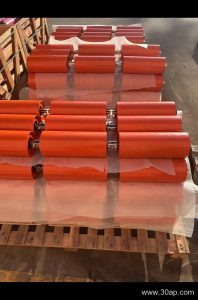
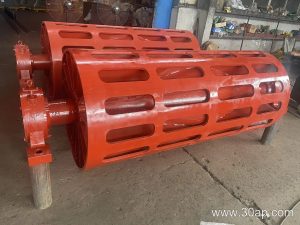
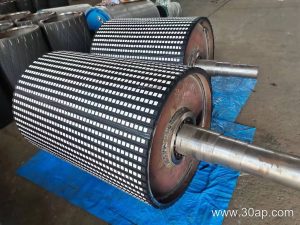
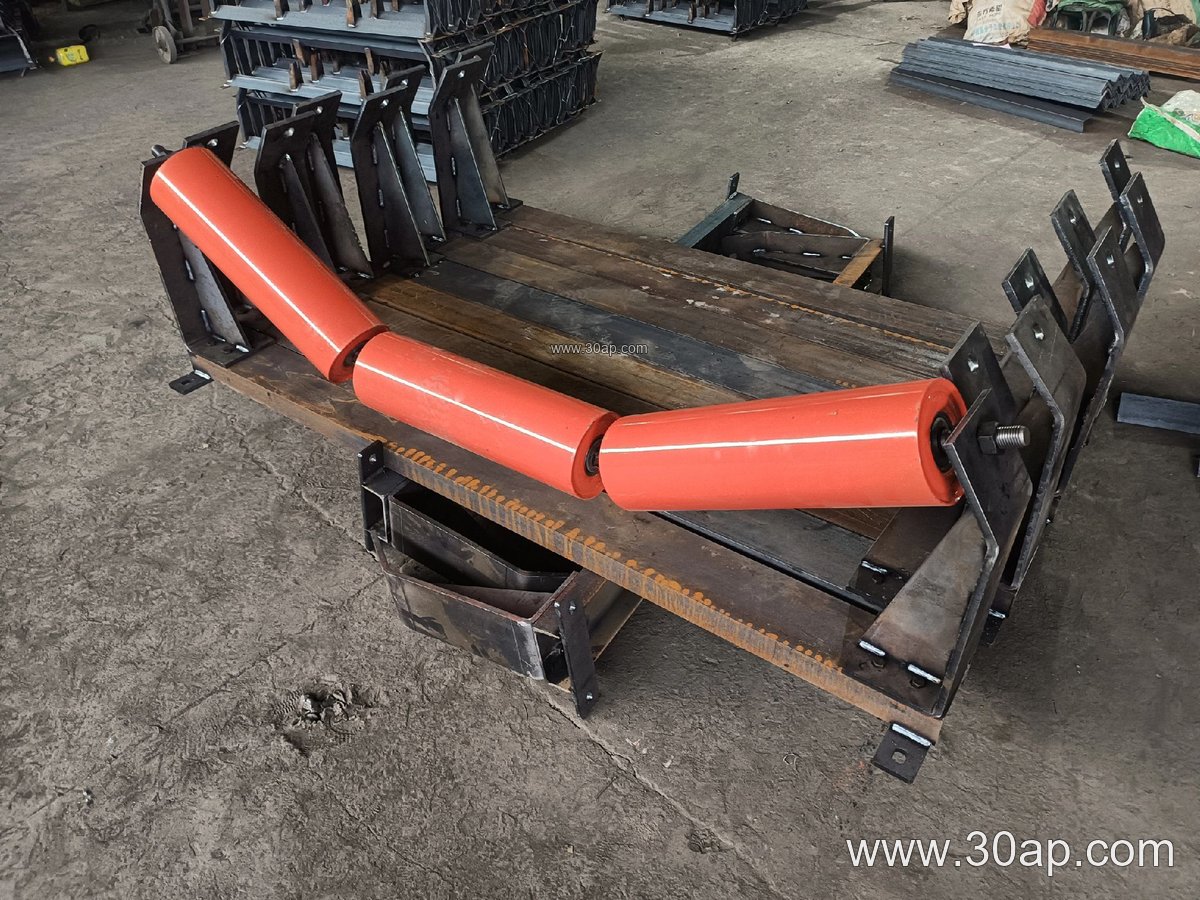
An adjustable conveyor bracket is a mounting component that supports idler rollers and sets the trough angle of the conveyor belt. Unlike a fixed bracket, it allows the roller positions to be changed so the same support structure can serve different belt widths, material loads, or transition zones. In a quarry, coal preparation plant, or cement kiln feed line, this flexibility helps maintenance teams fine-tune belt tracking without replacing the entire idler frame. The bracket is often used with a conveyor pulley at the drive or tail end, but it is not a substitute for those pulleys—it is the interface between the roller and the conveyor frame.
Construction and Common Forms
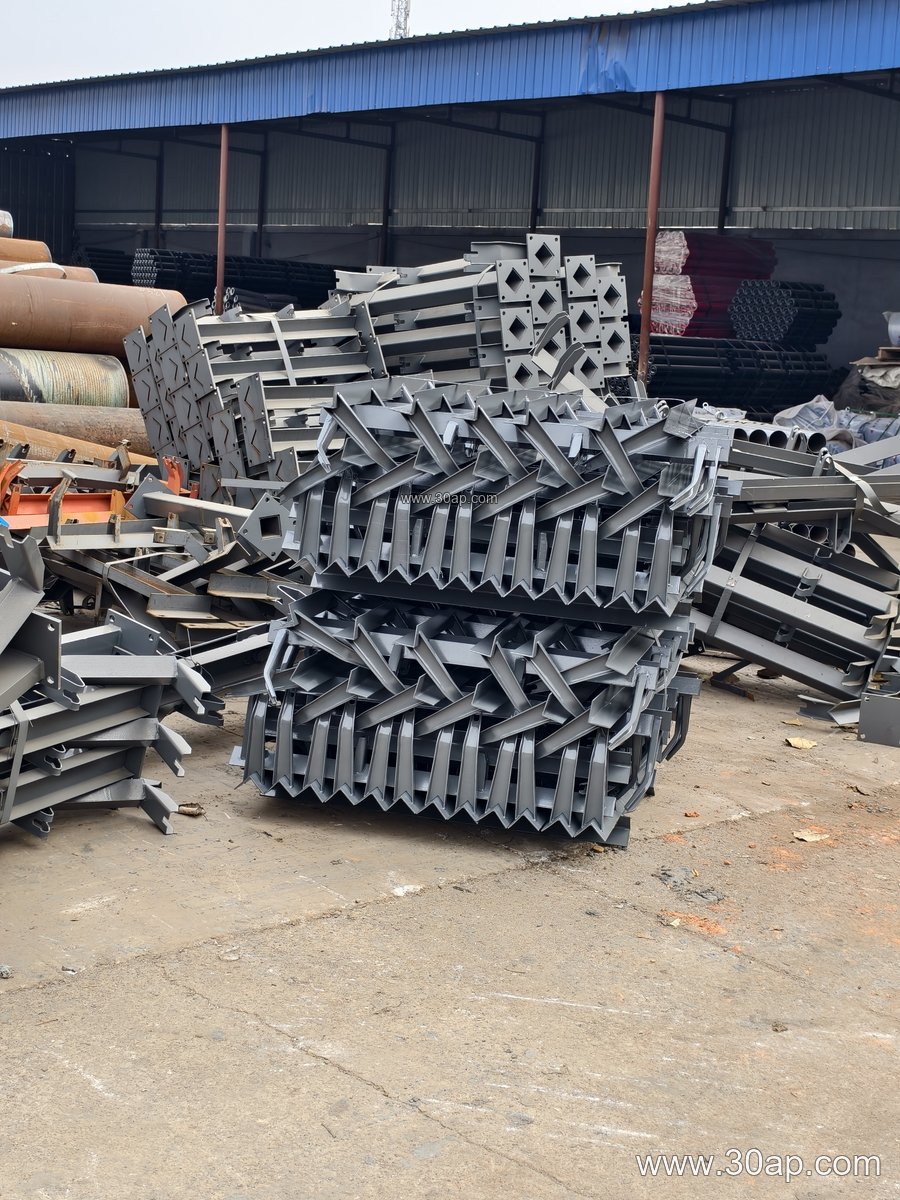
Most adjustable conveyor brackets are fabricated from角钢 (angle steel), 槽钢 (channel steel), or folded steel plate. The adjustment mechanism may use slotted holes, pivoting arms, or movable cross beams. Common types include troughing brackets, transition brackets, return brackets, and self-aligning brackets. For example, a troughing adjustable bracket can change the trough angle among 20°, 30°, 35°, and 45° to suit different material surcharge angles. A transition bracket near a pulley may be set to a shallower angle to smooth the belt path. Return brackets often carry a flat or V-shaped roller arrangement. The bracket does not define the belt width alone; mounting hole spacing and cross beam length usually vary with belt width and trough angle, so buyers should confirm these dimensions with the frame design.
Where It Fits in a Conveyor Line
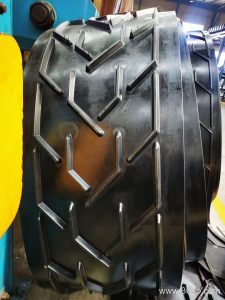
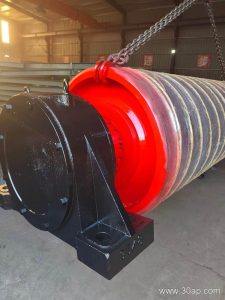
Adjustable brackets appear along the carrying side, at transition zones before a conveyor pulley, and on the return side. In a sand and gravel line, they help keep the conveyor belt centered after a crusher discharge. In a power plant coal handling system, they allow quick adjustment when a different roller diameter is introduced. They are also used in tunnel mucking conveyors where space is tight and belt path changes are frequent. The bracket works together with idler rollers, the conveyor belt, and occasionally a conveyor pulley for tensioning. However, a drive pulley, tail pulley, and bend pulley are not interchangeable with each other or with a bracket—each has a distinct role in the conveyor.
Selection and Adjustment Notes
When choosing an adjustable conveyor bracket, consider the belt width, roller diameter, trough angle, and mounting interface. Typical belt widths range from B500 to B2200, and common roller diameters include Ø89, Ø108, Ø133, Ø159, and Ø194. A combination such as B800 with a 35° trough angle and Ø108 rollers is common, but other combinations are also possible. The table below lists reference examples only—actual dimensions depend on the conveyor design.
| Reference Belt Width | Typical Trough Angle | Common Roller Diameter | Bracket Adjustment Feature |
|---|---|---|---|
| B650 | 30° | Ø89 | Slotted pivot for angle change |
| B800 | 35° | Ø108 | Movable cross beam |
| B1000 | 35°–45° | Ø133 | Multi-position holes |
| B1200 | 45° | Ø133 | Adjustable arm |
| B1400 | 35°–45° | Ø159 | Slotted base plate |
Forward-leaning brackets often use a small tilt, about 1.5° to 2°, to help belt tracking. Maintenance staff should check bolt tightness and roller rotation after adjustment. Do not assume that one belt width must pair with a single trough angle or roller diameter; the bracket is designed to accommodate a range. Always verify mounting hole spacing and cross beam length against the actual conveyor frame.
Buyer Checklist
- Confirm the bracket type: troughing, transition, return, or self-aligning.
- Match the bracket adjustment range to the required trough angle and roller diameter.
- Check material and finish for the environment—dust, moisture, or abrasive material.
- Verify mounting dimensions with the conveyor frame, not just the belt width.
- Plan for periodic inspection of bolts and pivot points.
An adjustable conveyor bracket is a practical choice when a conveyor line needs flexibility across different operating conditions. It supports the conveyor belt and idler rollers without replacing the fixed structure, and it helps keep material centered in industries from limestone mining to grain silos.