What an idler shaft does on a conveyor
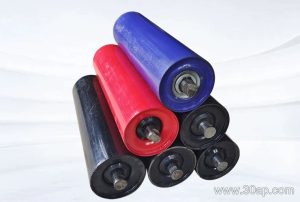
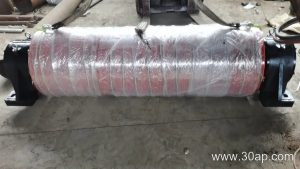
An idler shaft is the stationary axle that carries a rotating idler roller shell, allowing the conveyor belt to roll over a low-friction surface instead of dragging. In a typical troughing set, the shaft passes through the roller end caps, sits in the conveyor bracket slots, and stays fixed while the shell turns on its bearings. The same shaft arrangement appears in return rollers, impact idlers and self-aligning stations, so a small axle part has a direct effect on belt tracking, rolling resistance and the life of the whole conveyor line.
In a quarry, a coal washing plant or a cement plant, dozens or hundreds of these axles work continuously under dust and grit. A bent or worn idler shaft usually shows up first as a noisy roller, then as a misaligned conveyor belt, and finally as a stopped idler roller that rubs through the belt cover.
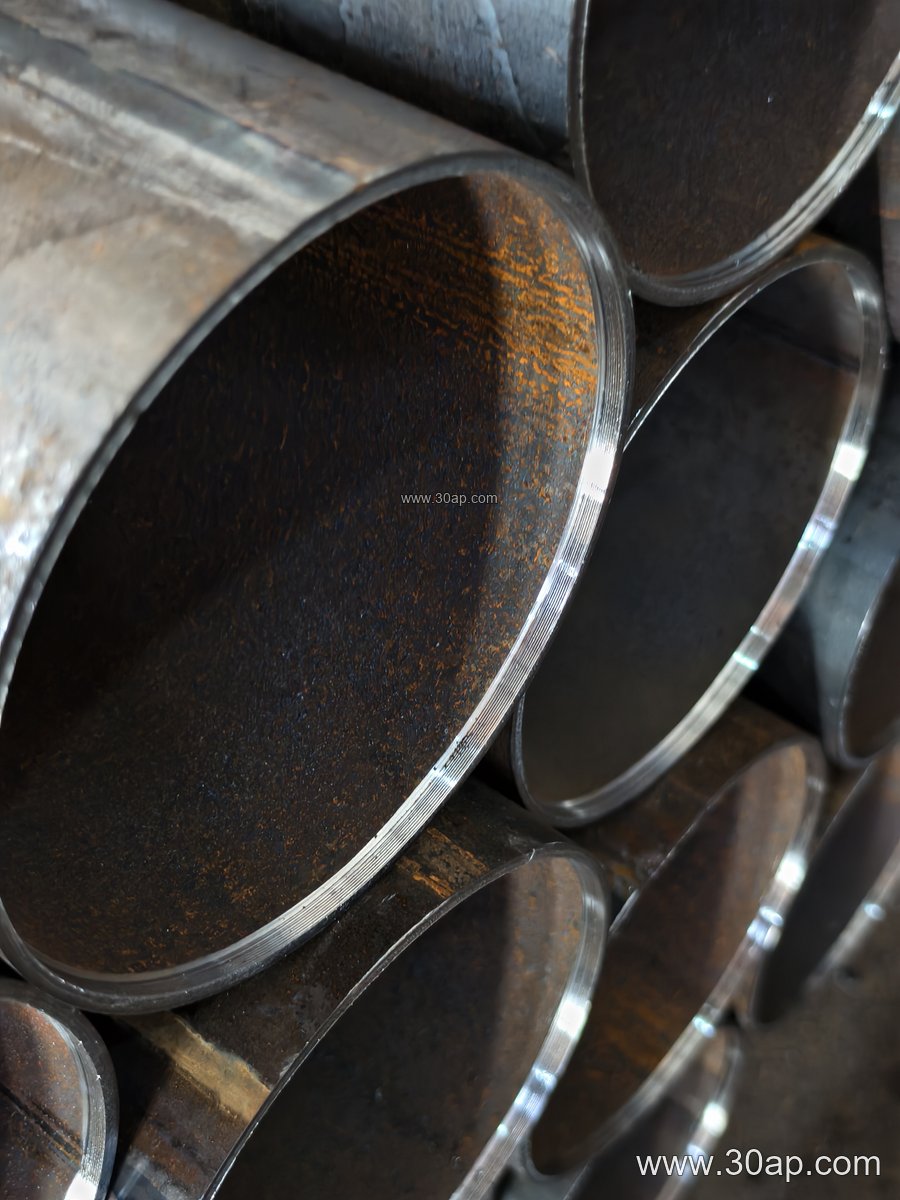
Construction and common configurations
The shaft is normally a cold-drawn or turned steel bar with machined journals at the ends. The journals fit the bracket slot or the flat mounting surface, and the ends may be flattened, drilled or threaded depending on the fixing method. Bearings sit on the shaft inside the shell; common bearing sizes include 6204, 6205, 6305, 6306, 6308 and 6310, but the bearing is selected together with the shell diameter and load, not from belt width alone.
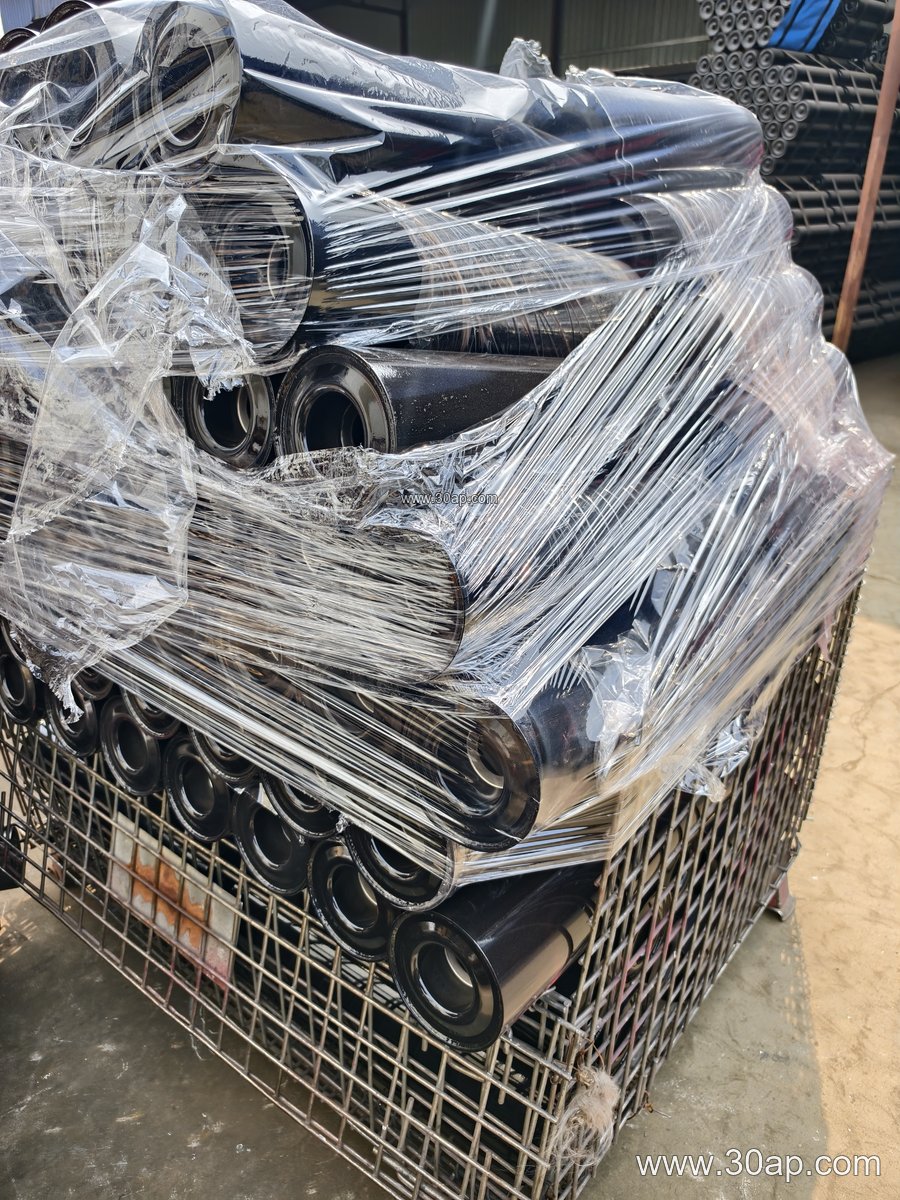
Sealing matters as much as the steel. Labyrinth seals, felt seals or contact seals keep fines away from the bearing cavity. In dusty stone crushing lines, a well-sealed idler shaft and shell assembly lasts much longer than an open design, even when both use the same bearing number.
Typical shaft and roller references
The table below lists common reference values, not fixed product pairings. Actual shaft diameter, journal length and flat position are set by the roller manufacturer and the conveyor design.
- Roller diameter references: Ø63, Ø76, Ø89, Ø102, Ø108, Ø127, Ø133, Ø159, Ø178, Ø194, Ø219
- Belt width references: B400, B500, B650, B800, B1000, B1200, B1400, B1600, B1800, B2000, B2200, B2400
- Troughing angles: 20°, 30°, 35°, 45°
- Roller surface options: steel tube, nylon, ceramic, rubber rings
- Bearing references: 6204, 6205, 6305, 6306, 6308, 6310
Where the part is used
Carrying idlers on the top run, return idlers on the bottom run, buffer idlers at the loading point and training idlers on long curves all rely on the same basic axle. In a coal handling system at a power station, impact idlers under the transfer chute take repeated shock loads, so their shafts are usually heavier and may be supported by rubber rings on the shell. In a sand and gravel line, a V-return set uses two short rollers on angled shafts to keep the belt centered.
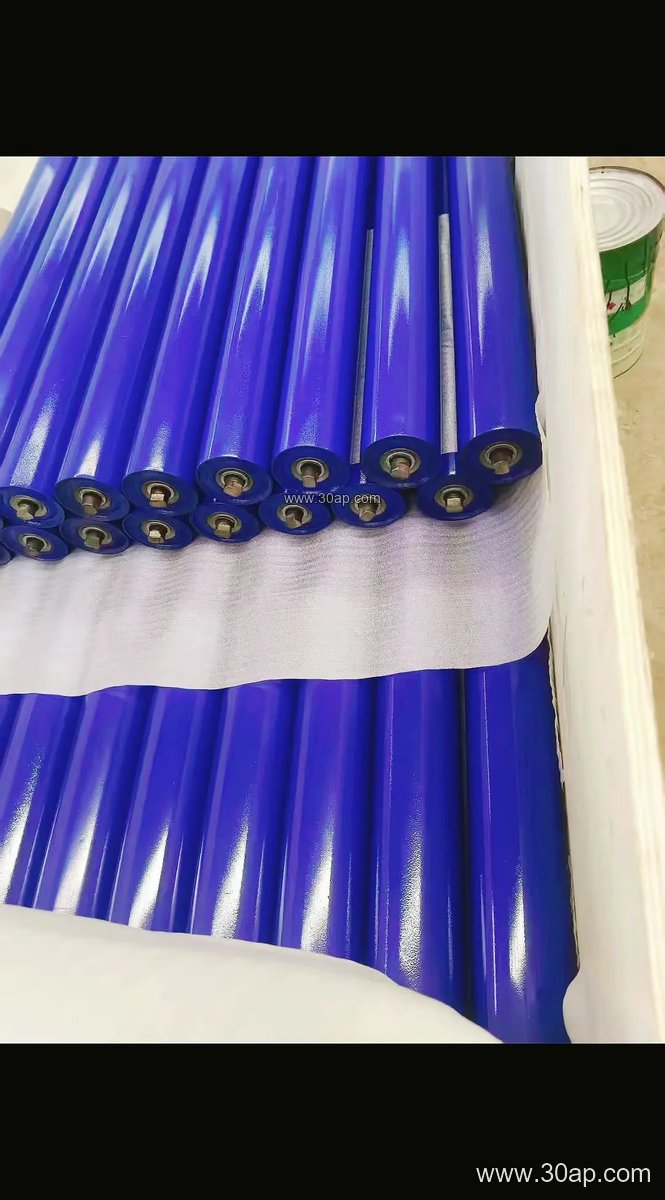
Do not confuse this part with the conveyor pulley. A drive pulley, tail pulley and bend pulley are separate rotating drums with their own shafts and locking assemblies. Those pulley types are not interchangeable with idler shafts, and a bend pulley cannot be replaced by a return idler set. The comparison is only useful when selecting the right component for the right position on the conveyor.
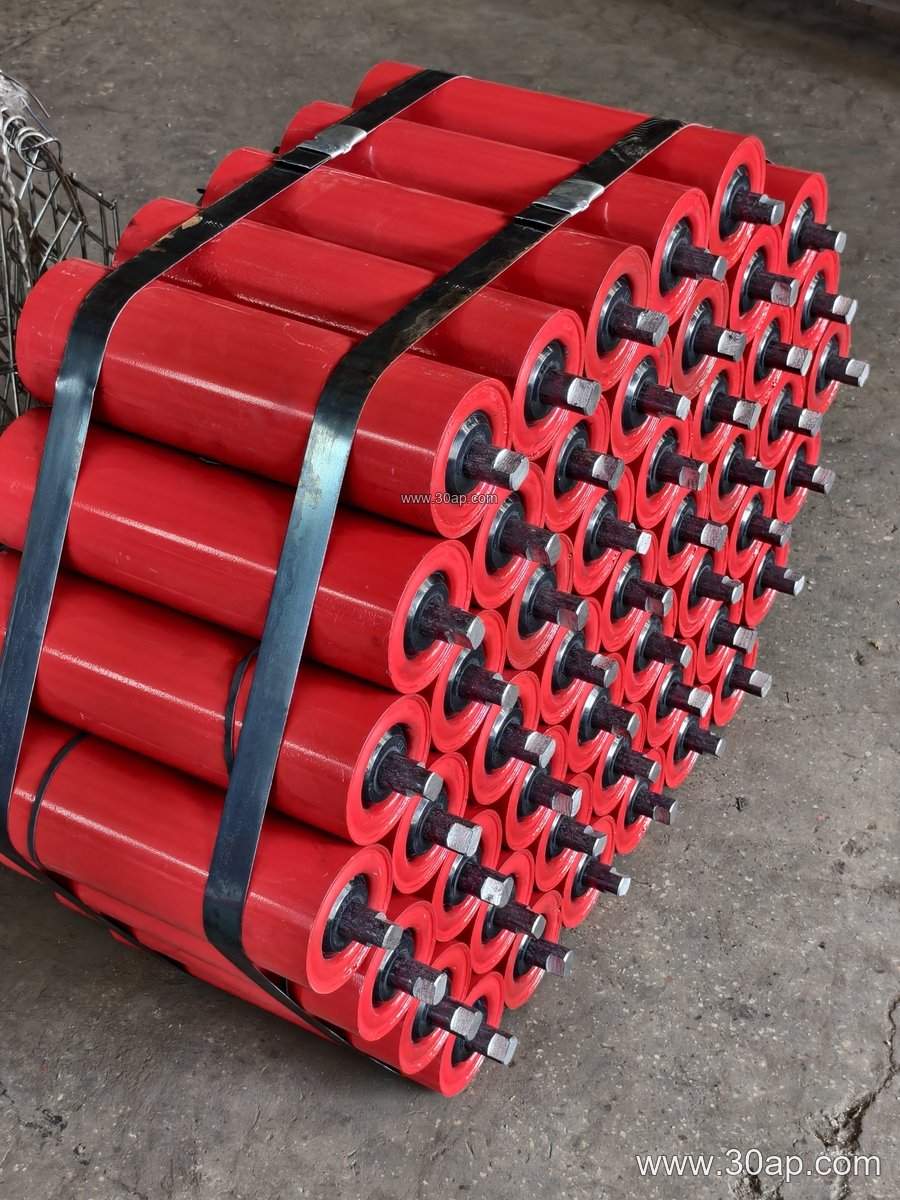
Selection points for buyers
Start with the load and the belt speed, then confirm the roller diameter and shaft end shape against the existing conveyor bracket. Check the distance between the bracket faces, the journal diameter, and whether the shaft end is flattened, drilled or fitted with a pin. A replacement that fits the bracket but has the wrong flat orientation will not seat correctly.
Ask for the bearing size, seal type and shell wall thickness together, because these determine the service life in a dusty or wet environment. For a mine or a limestone quarry, specify the dust and water exposure clearly. For a food or grain application, mention washdown and material contact requirements so the supplier can propose a suitable surface finish.
Finally, keep a small stock of common shafts and complete rollers for critical conveyors. In a busy sintering plant or tunnel spoil line, a spare idler shaft and bearing set can shorten a stoppage from hours to minutes. Inspect shafts for bending, fretting at the bracket seat and seal damage during routine belt inspections, and replace any shaft that no longer runs true.