What a Heavy-Duty Ceramic Lagged Pulley Does
A heavy-duty ceramic lagged pulley is a conveyor pulley whose shell is covered with ceramic tiles set in a tough rubber or polymer backing. This ceramic lagging creates a high-friction surface that grips the conveyor belt firmly, reducing slip even when the belt is wet, muddy, or carrying abrasive material. In industries such as mining, cement plants, and power station coal handling, this type of pulley is often chosen for drive positions where torque transmission is critical. It is also known as a ceramic rubber lagged pulley or ceramic lagging drum pulley, and the name refers to the same product.
The ceramic lagged pulley is not a replacement for a tail pulley or a bend pulley; those positions have different duties. A tail pulley mainly guides the belt at the rear, while a bend pulley changes belt direction. The ceramic lagged drive pulley, by contrast, is built to transmit power without belt slippage.
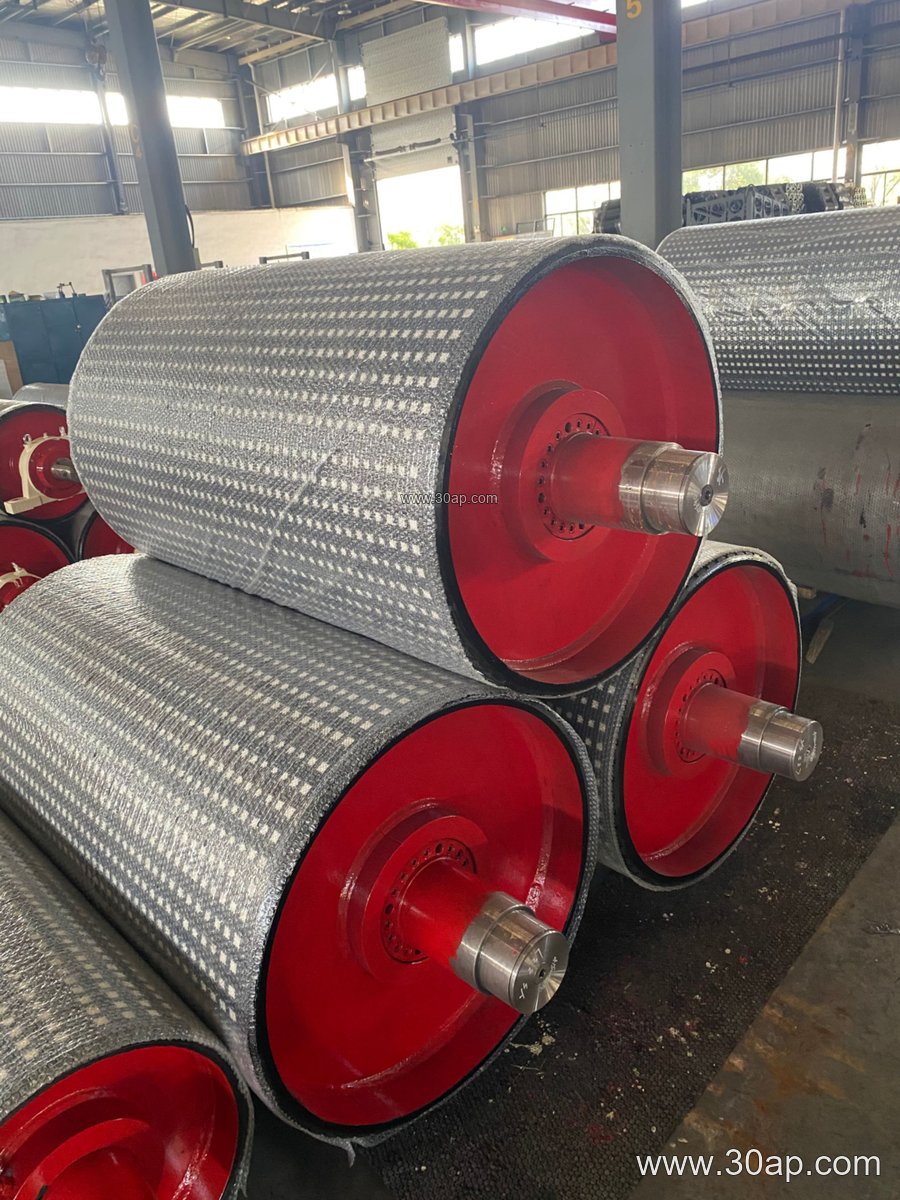
Construction and Surface Details
The body of a heavy-duty ceramic lagged pulley typically starts with a welded steel shell, machined end discs, and a shaft sized to the torque and load of the conveyor. The lagging is applied in two main steps: a rubber or polymer layer is bonded to the shell, and then ceramic tiles are embedded in a patterned layout. The tiles often have raised dimples or a textured surface to improve grip and help shed water and fines.
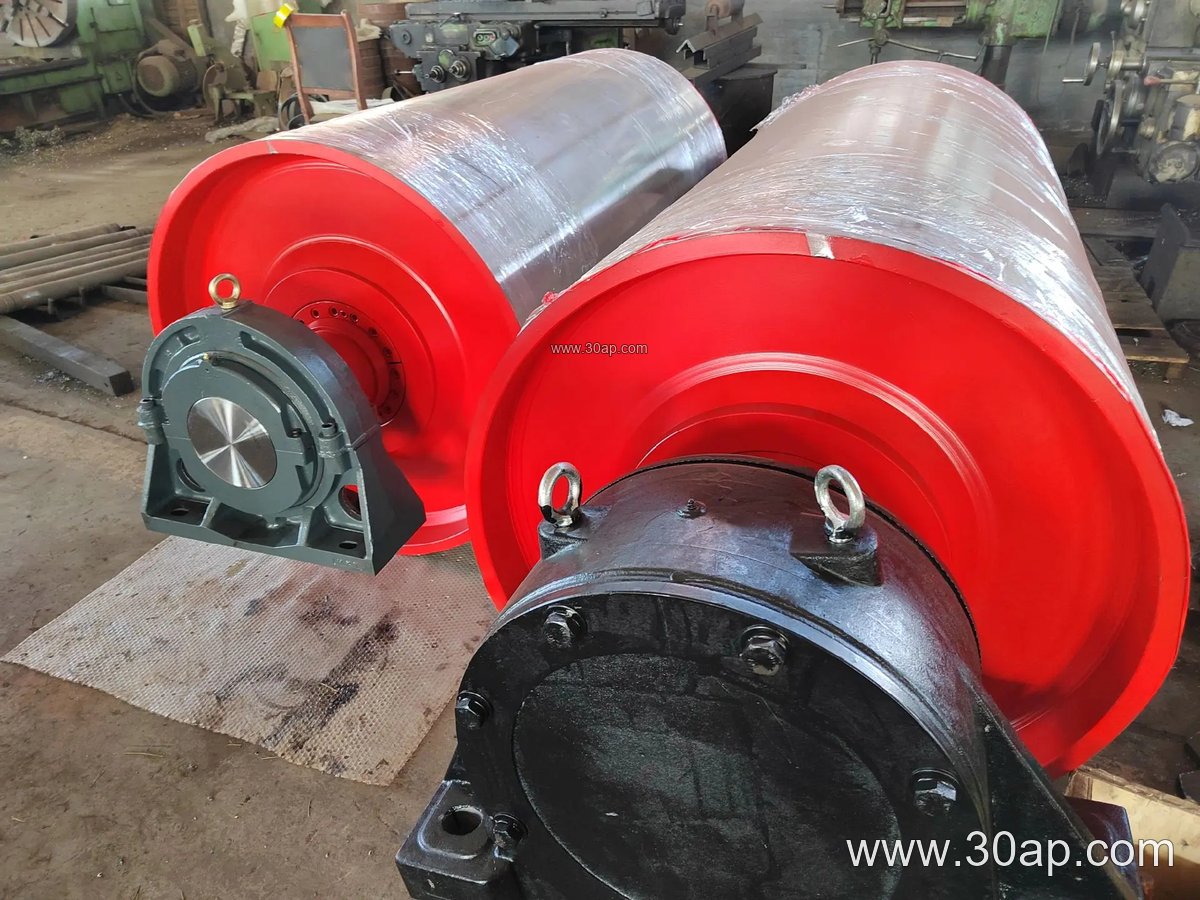
Common lagging thicknesses are 8 mm, 10 mm, 12 mm, 15 mm, and 20 mm. The ceramic tile pattern may be square, rectangular, or interlocking, and the tile size can vary by manufacturer. The pulley face width is usually wider than the belt width to allow for belt tracking. For example, a B800 belt may run on a pulley with a face width around 950 mm, while a B1200 belt may use a face width near 1400 mm. These are common reference values, not fixed rules.
Typical Size Combinations
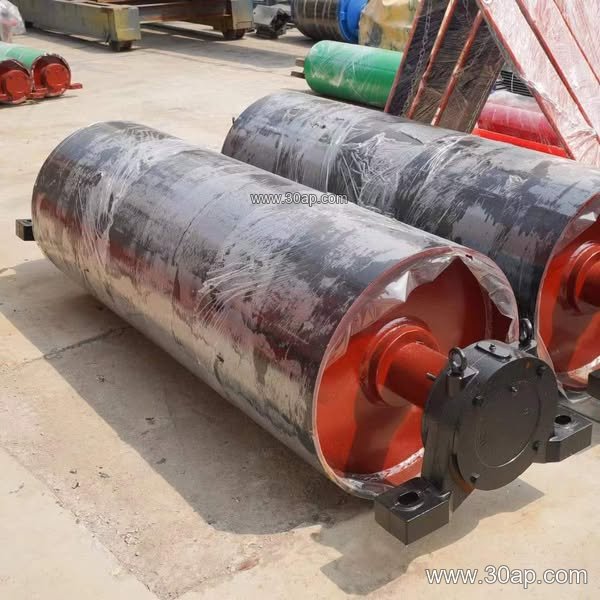
The table below shows common combinations of belt width, pulley diameter, and face width. Actual selection depends on belt tension, speed, and the conveyor layout, so these values should be treated as a starting point for discussion.
| Belt Width | Common Pulley Diameter | Approximate Face Width |
|---|---|---|
| B500 | Ø250, Ø315 | 600 mm |
| B650 | Ø315, Ø400 | 750 mm |
| B800 | Ø400, Ø500 | 950 mm |
| B1000 | Ø500, Ø630 | 1150 mm |
| B1200 | Ø630, Ø800, Ø1000 | 1400 mm |
| B1400 | Ø800, Ø1000 | 1600 mm |
| B1600 | Ø1000, Ø1250 | 1800 mm |
Shaft diameters are usually Ø50 to Ø200 mm and are determined by torque and bearing loads, not by belt width alone. A heavy-duty ceramic lagged pulley for a long overland conveyor may need a larger shaft than a short transfer point, even at the same belt width.
Where It Fits in a Conveyor
This pulley is most often installed as the drive pulley at the head of a conveyor, where it pulls the belt and transmits power from the gearbox. It can also be used as a tension pulley in some layouts, but the drive position is where the ceramic lagging offers the greatest benefit. In a coal preparation plant, a ceramic lagged drive pulley helps maintain grip when the belt carries damp coal and fines. In a limestone quarry, the same pulley type resists wear from abrasive dust and reduces belt slip during start-up under load.
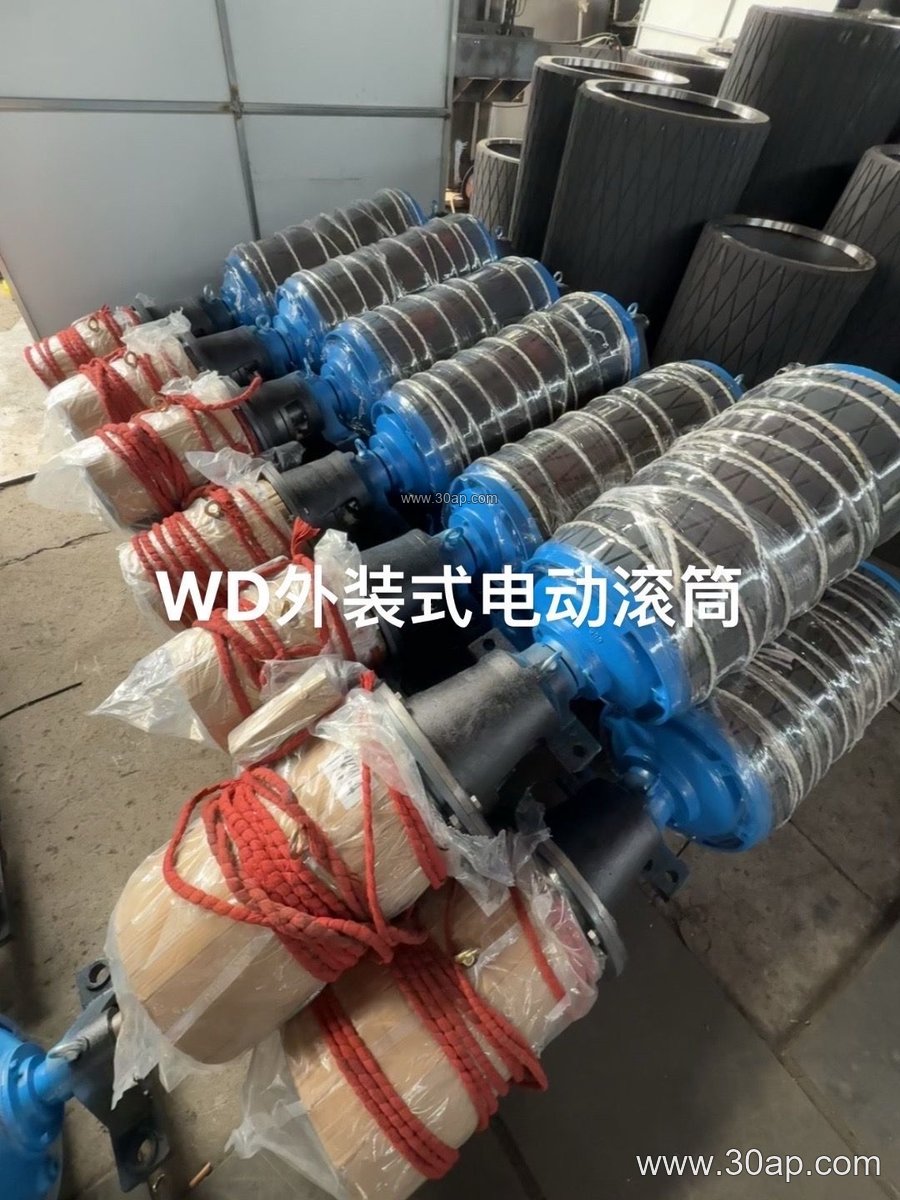
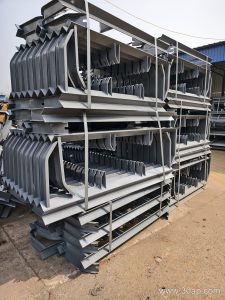
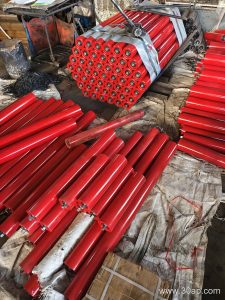
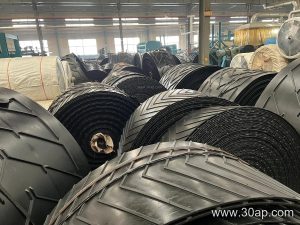
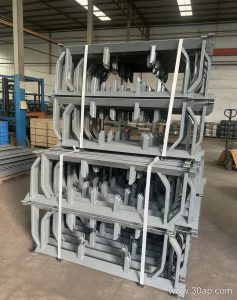
Other pulleys in the same conveyor, such as the tail pulley, bend pulley, and snub pulley, may use plain rubber lagging or no lagging at all. The ceramic lagged pulley is selected specifically for the high-traction positions. A conveyor pulley with ceramic lagging should be matched with a compatible conveyor belt and properly aligned conveyor bracket and idler roller frames to avoid edge damage.
Buyer Checklist
- Confirm the pulley position: drive, tail, bend, or tension. The heavy-duty ceramic lagged pulley is primarily a drive pulley component.
- Provide belt width, belt speed, and maximum belt tension so the pulley diameter and shaft size can be calculated.
- Specify lagging thickness and ceramic tile pattern if the environment is wet, oily, or extremely abrasive.
- Check that the pulley face width and conveyor bracket dimensions match the existing structure.
- Ask for the shaft material and bearing type, as these affect load capacity and maintenance intervals.
- Consider the conveyor belt cover grade; ceramic lagging is hard on the belt if the belt is not suitable for high-friction drive surfaces.
A heavy-duty ceramic lagged pulley can extend drive reliability in tough conditions, but it should be sized as part of the whole conveyor system. Review the pulley diameter, face width, shaft, and lagging together with the belt and the supporting conveyor components before ordering.