What a Power Plant Conveyor Idler Does
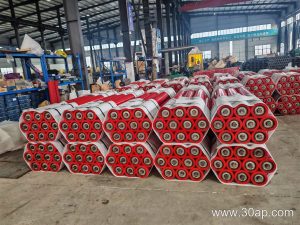
A power plant conveyor idler is the rotating support that carries the conveyor belt along the coal handling route. In a typical plant, coal moves from the stockpile or receiving pit to the crusher house and then to the boiler bunkers, and the belt is supported at intervals by idler rollers mounted in frames. Each idler roller turns under the loaded belt, keeping friction low and the belt profile stable. Because the belt is the most expensive wear item on the line, the quality of the idlers has a direct effect on belt life and on how often maintenance crews must intervene.
The same product is also called a conveyor idler roller or belt conveyor idler. These are equivalent names for the same assembly of shell, shaft, bearings and seals fitted into a conveyor bracket or frame.
How the Idler Is Built
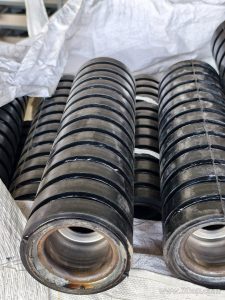
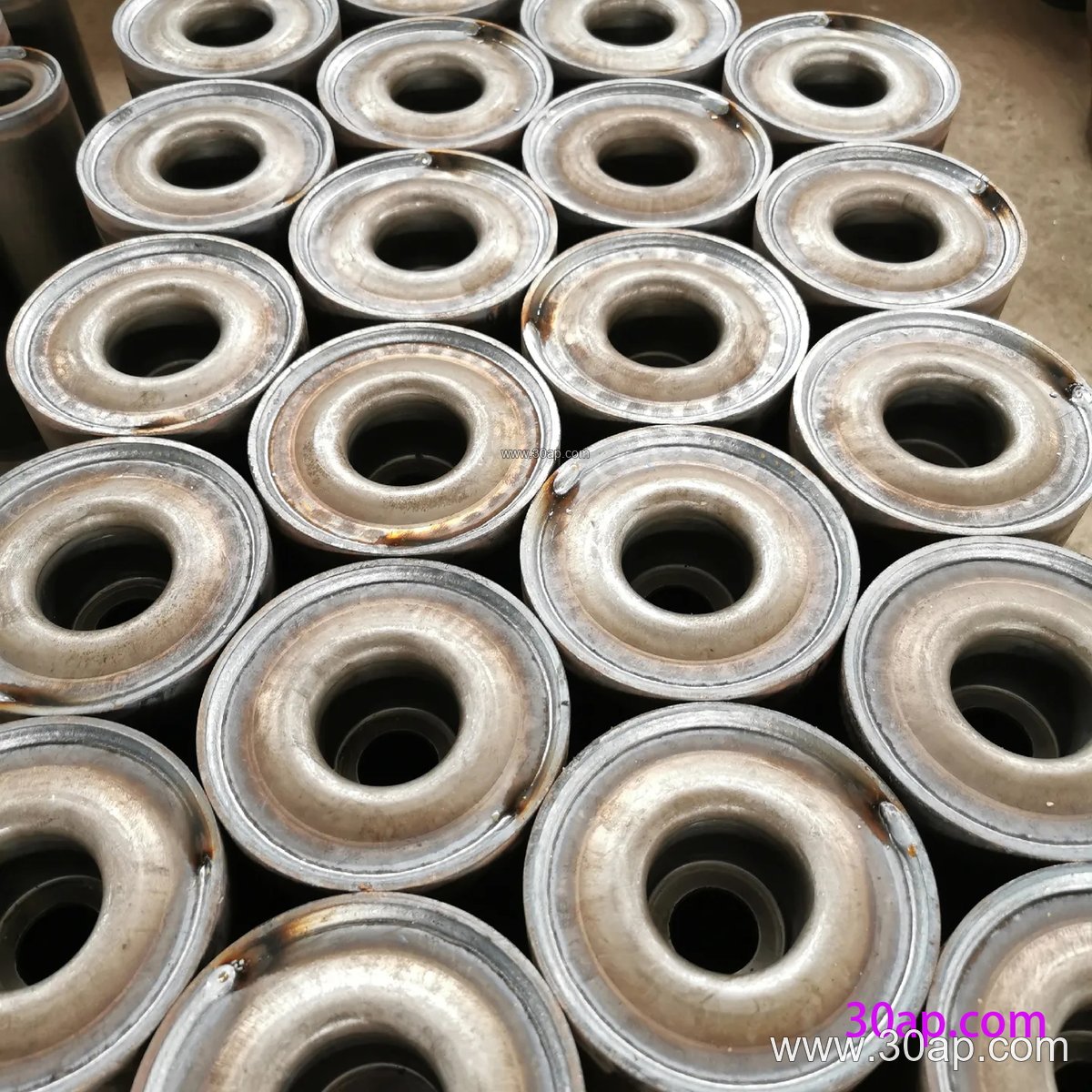
A power plant conveyor idler is a deceptively simple assembly, but each part matters. The shell is usually a steel tube machined at both ends; nylon, ceramic or rubber-covered shells appear where abrasion or material build-up is a concern. Inside, the shaft runs through bearing housings at each end, and the bearing size is chosen for the load and speed of the application rather than for the belt width alone. Common bearing numbers include 6204, 6205, 6305, 6306, 6308 and 6310, but a given roller diameter can accept different bearings depending on the design.
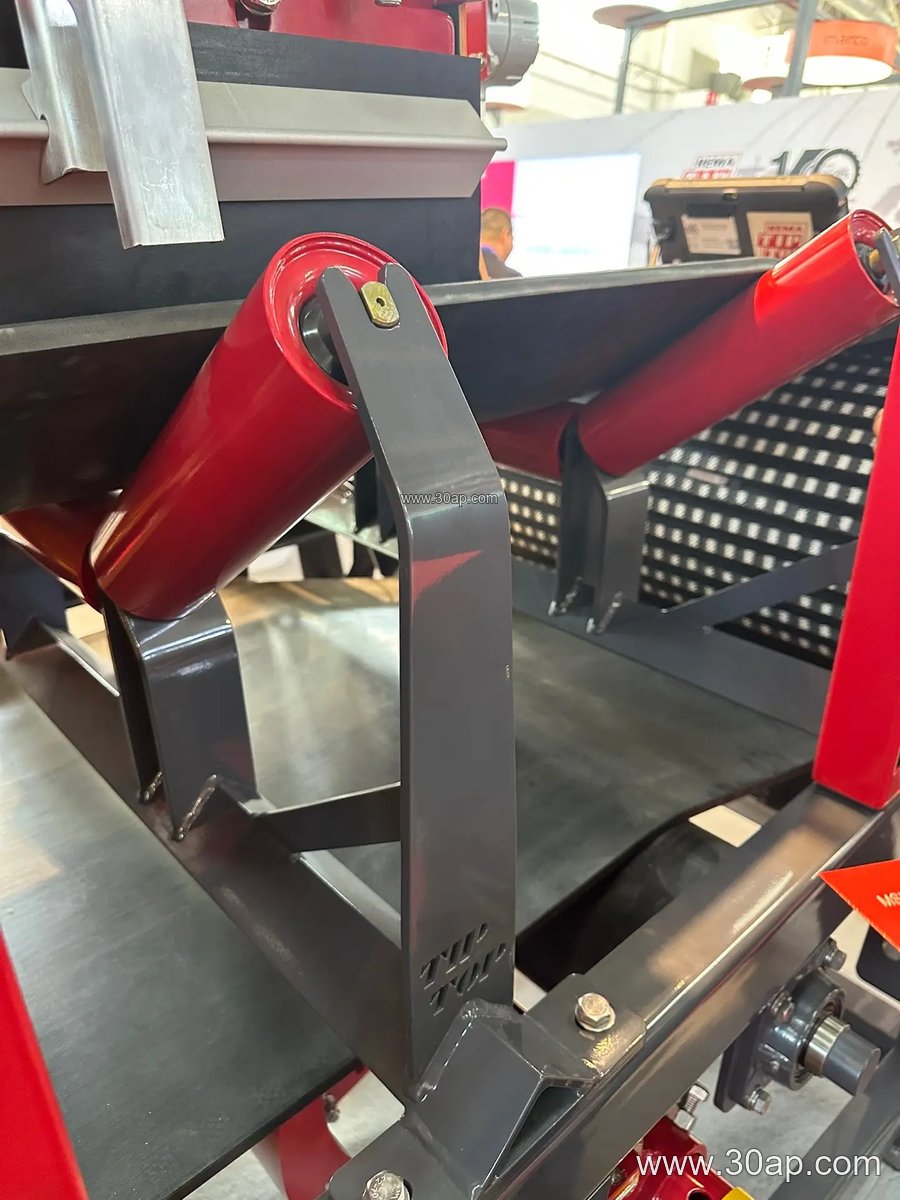
Sealing is the detail that separates a long-service idler from a short one. Coal dust and fine ash are highly penetrating, so labyrinth seals and grease-filled cavities are used to keep grit away from the bearing races. A well-sealed idler turns freely by hand and keeps turning after months in a dusty transfer tower.
Where Idlers Sit on the Coal Handling Line
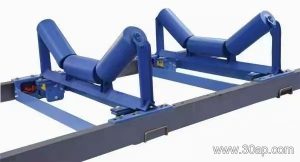
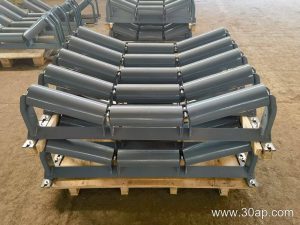
On the carrying side, troughing idlers are arranged in sets of two or three rolls to form a trough that holds the coal centrally on the belt. A three-roll troughing set is the most common arrangement on main coal conveyors, and the trough angle is commonly 20, 30, 35 or 45 degrees. On the return side, flat return idlers or V-return idlers support the empty belt.
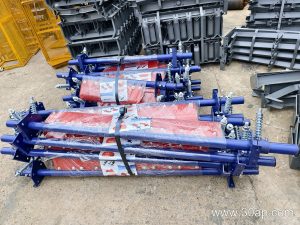
Other positions call for specific variants. Impact or buffer idlers with rubber rings are placed under the loading point where coal drops onto the belt. Transition idlers ease the belt from the flat pulley profile into the trough. Self-aligning idlers, including friction and tapered types, correct minor belt drift on long runs. Spiral idlers are sometimes used on the return side to shed sticky material.
Idlers are used across many bulk handling sites, not only power stations. The same components appear in a limestone quarry, a cement plant, a coal washing plant, a port terminal and a steelworks sinter line, but the dust, moisture and loading conditions differ, so the specification should follow the site.
Common Reference Dimensions
The table below gives typical reference values for orientation. Actual roll length depends on belt width, trough angle and roll position, and side rolls and centre rolls may differ. These are examples, not fixed combinations or supply commitments.
| Belt width | Typical roll length (three-roll troughing) | Common idler diameters |
|---|---|---|
| B500 | about 200 mm | Ø63, Ø76, Ø89 |
| B650 | about 250 mm | Ø76, Ø89, Ø102 |
| B800 | about 315 mm | Ø89, Ø102, Ø108 |
| B1000 | about 380 mm | Ø102, Ø108, Ø127 |
| B1200 | about 465 mm | Ø108, Ø127, Ø133 |
| B1400 | about 530 mm | Ø127, Ø133, Ø159 |
| B1600 | about 600 mm | Ø133, Ø159, Ø178 |
| B1800 | about 670 mm | Ø159, Ø178, Ø194 |
| B2000 | about 750 mm | Ø178, Ø194, Ø219 |
Widths from B400 up to B2400 are used in bulk handling, and the idler frame, shaft and bearing are selected together with the belt width and the load per roll.
What a Buyer Should Check
- Confirm the roll length and trough angle against the existing frame, not just the belt width.
- Match the idler type to the position: troughing on the carry side, flat or V-return on the return side, impact rolls under the loading point.
- Ask about seal design and bearing fit, since these determine service life in coal dust.
- Check that the shell material suits the material handled; rubber rings help at impact points.
- Remember that drive, tail and bend pulleys are separate components and are not interchangeable with idlers.
A power plant conveyor idler is a small part of the conveyor system, but specifying it with the right diameter, roll length, seal and frame keeps the conveyor belt running straight and the coal flowing to the boiler.