What a Fire Resistant Conveyor Belt Is
A fire resistant conveyor belt is a rubber conveyor belt designed to limit flame spread and, in many designs, to resist static buildup on a moving conveyor line. It is often called a flame retardant conveyor belt or an anti-static fire resistant belt, and these names describe the same product family. The belt is not fireproof in an absolute sense; it is formulated so that a small ignition source is less likely to develop into a sustained flame along the belt path.
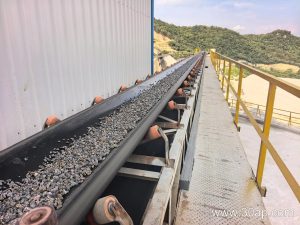
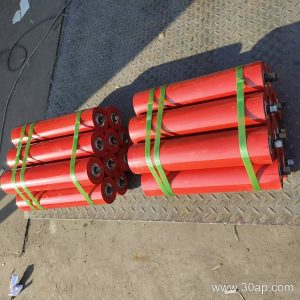
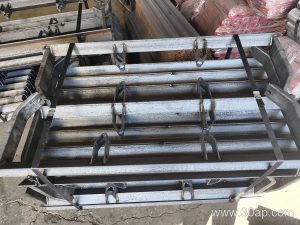
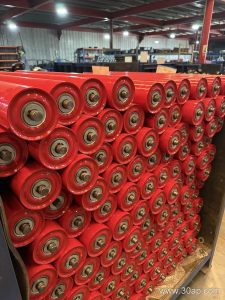
This matters most where sparks, hot material, or combustible dust are present. Mines, coal preparation plants, cement works, power stations, and sand and gravel yards are typical users, and the belt usually runs alongside conveyor pulleys, idler rollers, and conveyor brackets that must also suit the environment.
How the Belt Is Built
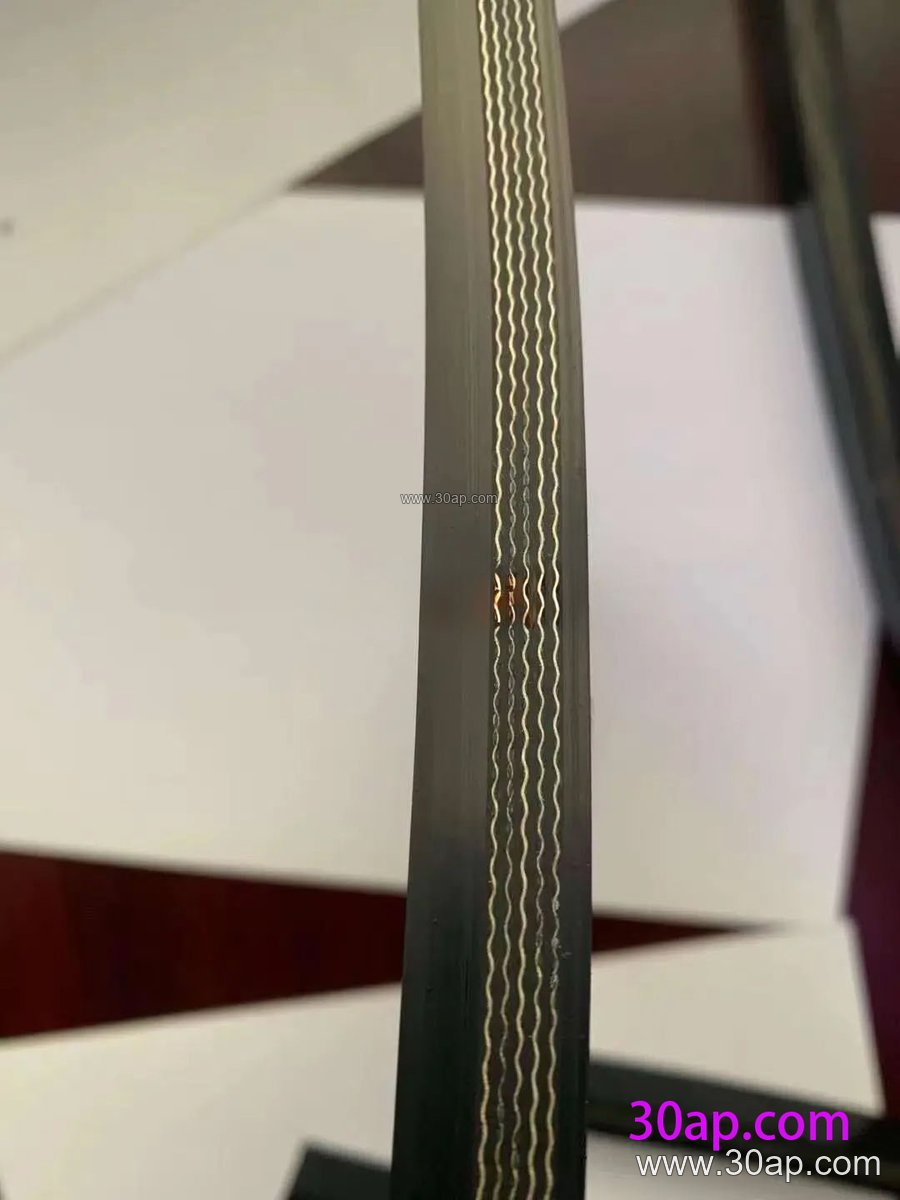
The construction follows the same layered logic as other textile or steel cord belts, with compound choices adjusted for flame resistance and static dissipation. A typical build includes:
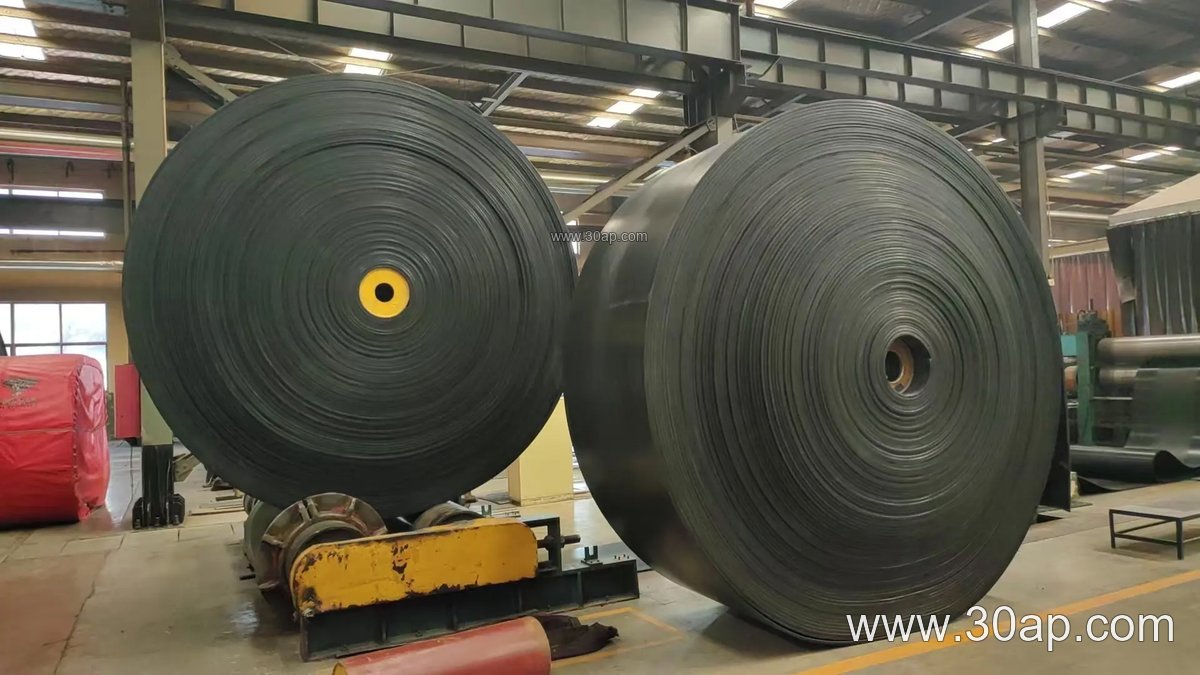
- Top and bottom cover rubber with fire retardant and anti-static additives
- A carcass of EP or NN fabric plies, or steel cord for heavy-duty lines
- Rubber skim layers between plies to bond the carcass
- Edge protection to reduce fraying and moisture ingress
Cover thickness is usually stated as top plus bottom, for example 4+2 mm or 6+2 mm. Carcass ply counts commonly range from 2 to 6 layers depending on load. The fire resistant compound is normally paired with anti-static performance, because a belt that accumulates static charge can create an ignition risk of its own.
Common Specifications
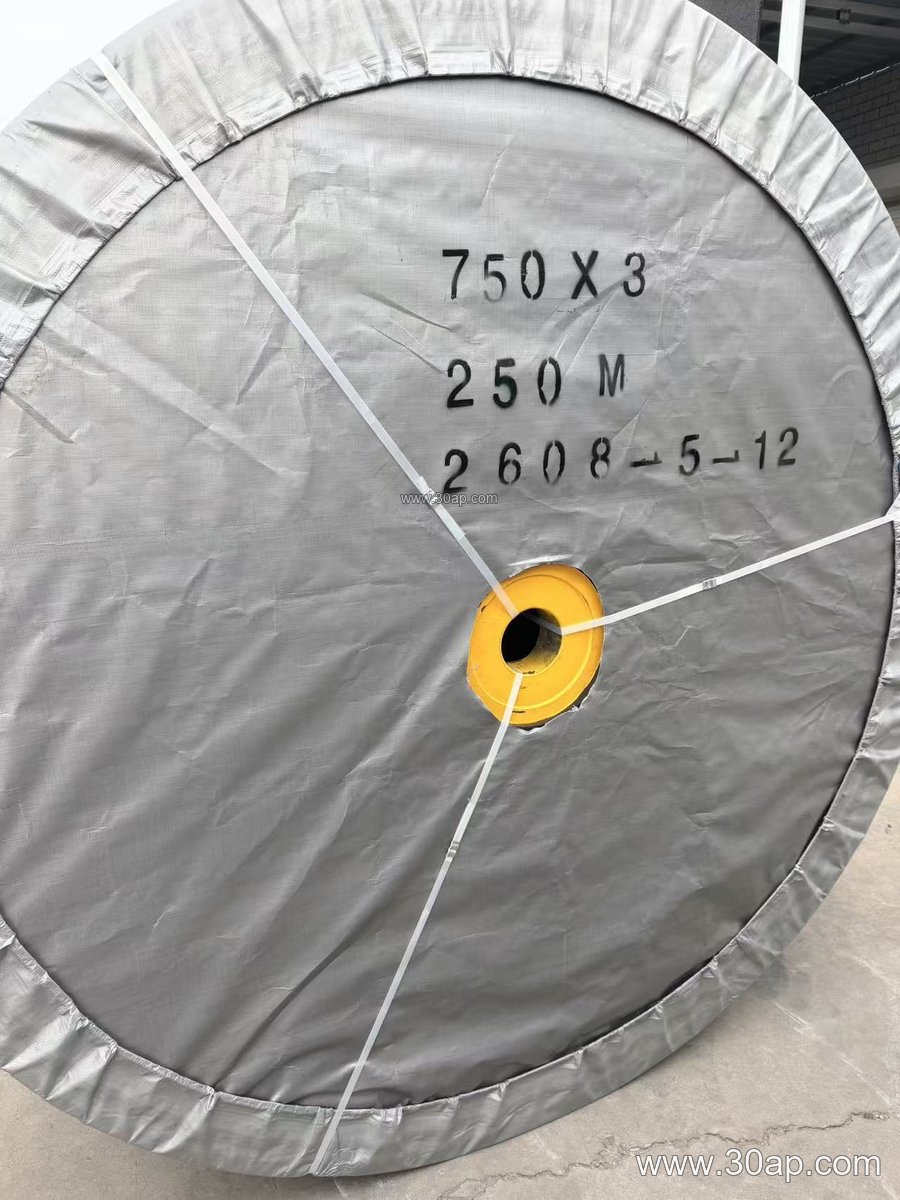
The table below shows reference ranges used in planning. Actual values are confirmed by the manufacturer for each order, and one belt width does not dictate a single pulley diameter.
| Parameter | Common reference values |
|---|---|
| Belt type | EP, NN nylon, steel cord, PVC, PVG |
| Strength grade | EP200 to EP2000 |
| Belt width | B500, B650, B800, B1000, B1200, B1400, B1600, B1800, B2000 |
| Cover thickness | 3+1.5, 4+2, 5+2, 6+2, 8+3 mm |
| Carcass plies | Usually 2 to 6 layers |
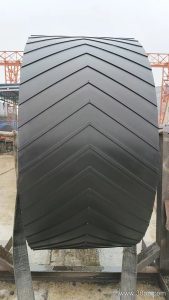
Surface forms such as plain, patterned, chevron, or corrugated sidewall can be combined with a fire resistant compound when the application calls for it. A chevron or patterned top may be chosen on inclined sections, while a plain surface suits flat runs and transfer points.
Where It Is Used
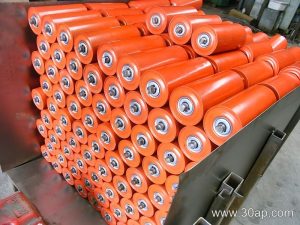
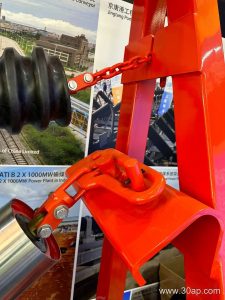
Fire resistant belts appear in coal handling systems, mine drift and slope conveyors, cement kiln feed lines, biomass and coal yards at power plants, and dusty aggregate operations. In these settings the belt works with conveyor pulleys at the drive, tail, and bend positions, supported by idler rollers and mounted on conveyor brackets. Each of these components has its own role; a drive pulley, a tail pulley, and a bend pulley are not interchangeable, and the belt specification should be matched to the whole conveyor layout rather than to one part.
Where hot clinker or sinter is handled, a heat resistant grade may be more suitable than a standard fire resistant belt. Where oil or chemicals are present, an oil resistant or acid and alkali resistant cover may be needed. These are separate properties, and a buyer should state all of them together rather than assume one grade covers every risk.
What Buyers Should Check
Before ordering, confirm the strength grade, width, cover thickness, and ply count against the actual conveyor design. Ask for the fire and anti-static performance data that applies to the offered compound, and check that the belt edges and splices use compatible materials. On site, keep the belt free of accumulated dust, align idler rollers to avoid edge damage, and inspect conveyor pulleys for material buildup that can cause rubbing and heat.
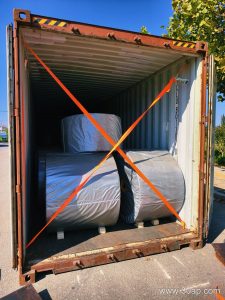
Storage also matters. Keep rolls dry, shaded, and off the ground, and avoid sharp bends that stress the carcass. A correctly specified fire resistant conveyor belt, matched to its pulleys, rollers, and brackets, supports safer operation in mines, coal plants, cement lines, power stations, and aggregate yards.