What a Carbon Steel Conveyor Bracket Does on a Belt Conveyor
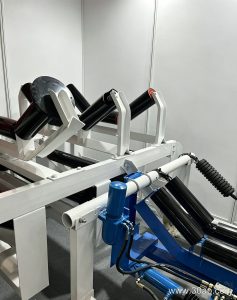
A carbon steel conveyor bracket is the structural part that holds conveyor idler rollers in the correct position under or above the conveyor belt. It carries the idler shaft, sets the trough angle on the carrying side, and keeps spacing stable along the frame. In a quarry, a cement plant, or a coal handling system, these brackets are the quiet link between the conveyor belt and the steel structure, and their accuracy affects belt tracking, idler life, and spillage.
The same item is often called a carbon steel idler support bracket or a conveyor idler frame bracket. Both names describe the same product: a fabricated steel support that positions idlers on a belt conveyor.
How the Bracket Is Built
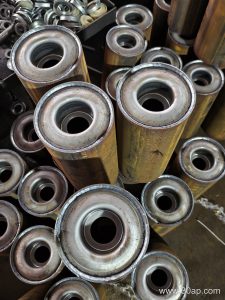
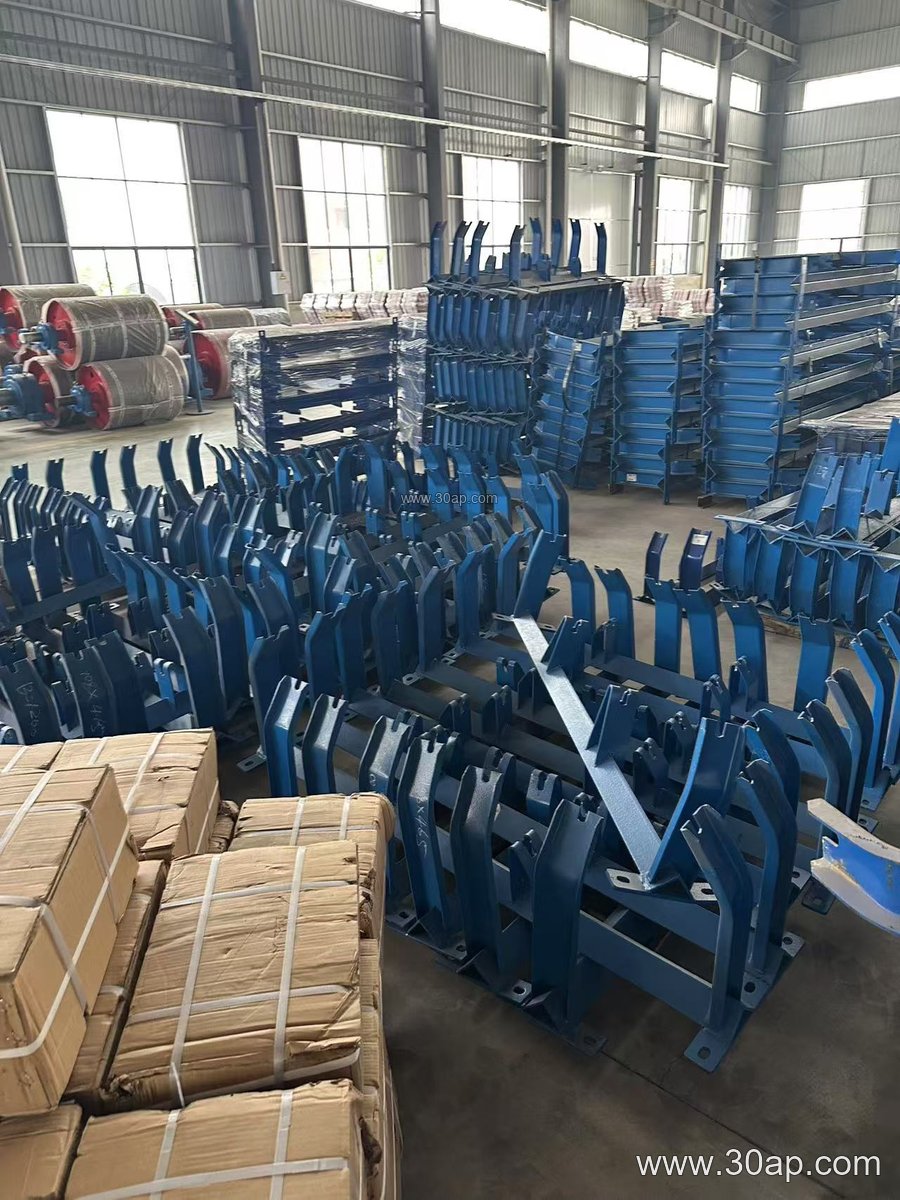
Most units are fabricated from angle steel, channel steel, or folded steel plate, then drilled or punched for mounting. Welded joints and hole positions determine whether the idler sits square to the belt line. A well-made bracket keeps the roller axis parallel to the pulley axis, which matters more than many buyers expect.
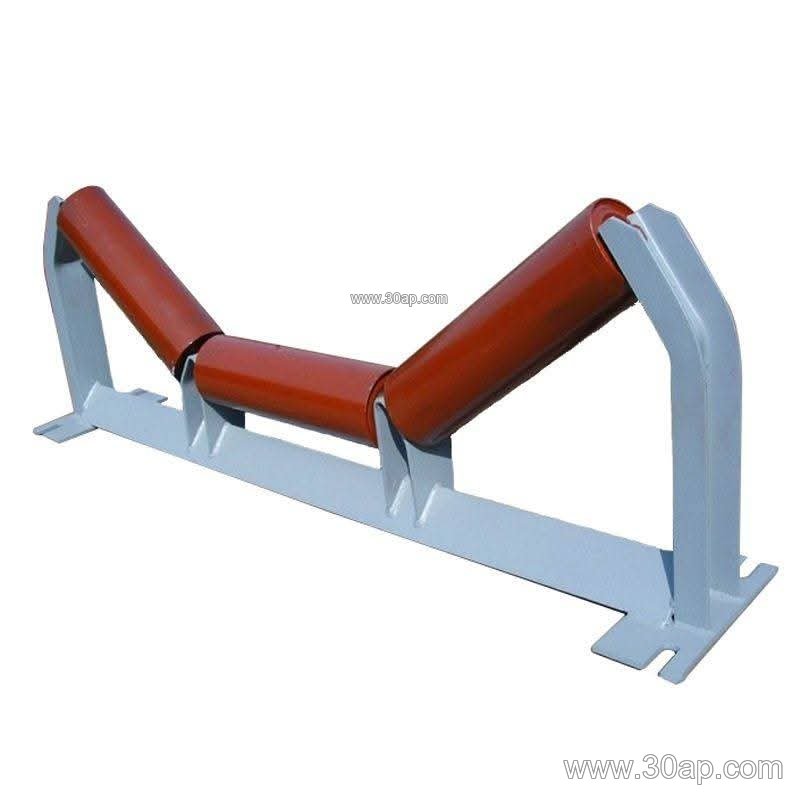
Common forms include:
- Trough brackets for carrying idlers, often with 20, 30, 35, or 45 degree trough angles
- Transition brackets near pulleys, where the belt changes from flat to troughed
- Return brackets and V-return brackets for the lower run
- Impact brackets for loading points, used with buffer idlers
- Self-aligning brackets for belt tracking correction
- Adjustable brackets that allow the trough angle to be changed on site
Surface treatment is usually painted or galvanized. Carbon steel is chosen for strength and cost, but it needs adequate coating in wet or dusty service such as a wash plant or a port terminal.
Where These Brackets Are Used
You will find them in limestone mines feeding a crusher, in cement plants on clinker and raw meal lines, in power plant coal conveying, and in sand and gravel plants where abrasive material wears idlers quickly. The bracket itself does not touch the material, but it must hold the conveyor idler roller firmly so the belt does not sag or wander.
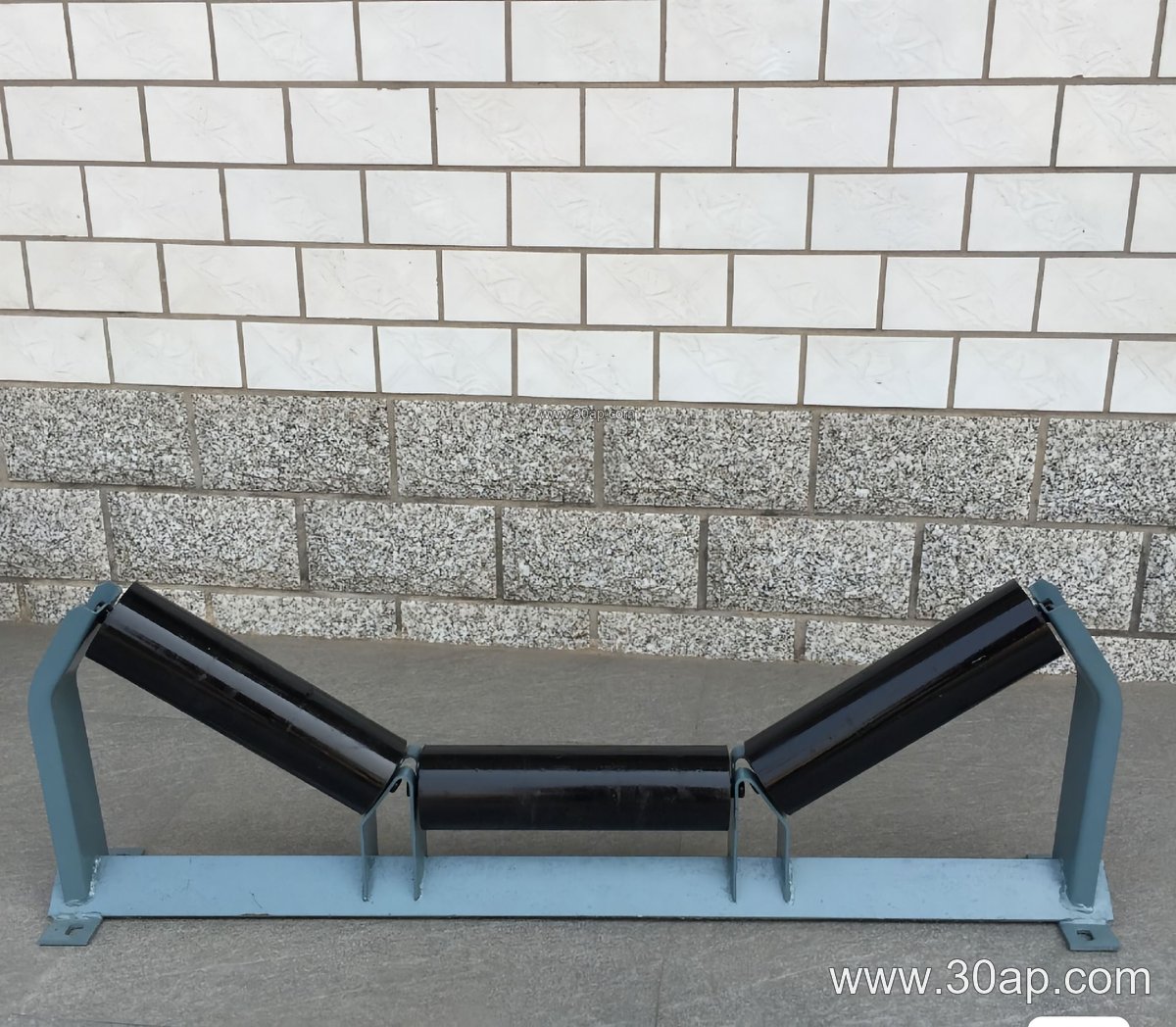
In a coal preparation plant, a self-aligning bracket can reduce belt edge contact at transfer points. In a crushing and screening line, impact brackets under the feed chute protect both the belt and the idler frame. The right choice depends on the duty, not on a single universal rule.
Matching Bracket, Belt Width, and Idler Diameter
Brackets are made to suit belt widths and idler diameters, but these are design relationships rather than fixed pairs. A B800 belt may run with 30 or 35 degree troughing and Ø89 or Ø108 idlers depending on load and speed. A B1200 line might use 35 or 45 degree troughing with Ø133 idlers. Larger widths such as B1600 or B2000 usually call for heavier frames and larger rollers.
Typical reference values are shown below. Treat them as common ranges, not as guaranteed specifications.
| Parameter | Common Reference Values |
|---|---|
| Belt width | B500, B650, B800, B1000, B1200, B1400, B1600, B1800, B2000, B2200 |
| Trough angle | 20°, 30°, 35°, 45° |
| Idler diameter | Ø89, Ø108, Ø133, Ø159, Ø194 |
| Forward tilt (where used) | about 1.5° to 2° |
| Material | Angle steel, channel steel, folded steel plate |
Installation hole spacing and crossbeam length vary with belt width and trough angle. They should be confirmed against the conveyor drawing rather than assumed. A bracket that fits one frame may not fit another, even at the same belt width.
Fixed or Adjustable
A fixed bracket locks the trough angle at one value, which is simple and rigid. An adjustable bracket lets maintenance staff fine-tune the angle between common positions, useful when material characteristics change or when a belt needs better centering. Adjustable types cost more and add a setting step during installation, so they suit lines where operating conditions vary.
For most new conveyors, fixed brackets matched to the design trough angle are sufficient. On existing lines being upgraded, adjustable units can help correct tracking without replacing the whole frame.
Buyer Checklist
- Confirm belt width, trough angle, and idler diameter before ordering
- Check mounting hole spacing and crossbeam length against the frame drawing
- State the environment: dusty, wet, abrasive, or high-impact
- Ask about coating or galvanizing for outdoor and wash-down areas
- Confirm whether the bracket is fixed or adjustable, and the angle range
- Check that the bracket suits the conveyor pulley layout at transition zones
A carbon steel conveyor bracket is a small cost item with a large effect on belt behavior. Getting the geometry right at the start avoids repeated tracking adjustments and premature idler wear later.