What a PVG Conveyor Belt Is
A PVG conveyor belt is a solid-woven, PVC-impregnated belt with a rubber cover, widely used where a tough, flame-retardant and antistatic belt is needed. In many plants it is simply called a PVC/PVG belt, and the two names refer to the same family of solid-woven conveyor belting. The construction combines a strong fabric carcass with PVC impregnation and a protective rubber surface, which gives it good resistance to cutting, abrasion and moisture compared with a plain fabric belt.
Because it is a solid-woven product rather than a multi-ply rubber belt, a PVG belt holds its shape well, resists edge fraying and can run on relatively small pulleys. That makes it a practical choice for underground coal mines, mineral processing plants, cement works, power stations and sand and gravel yards.
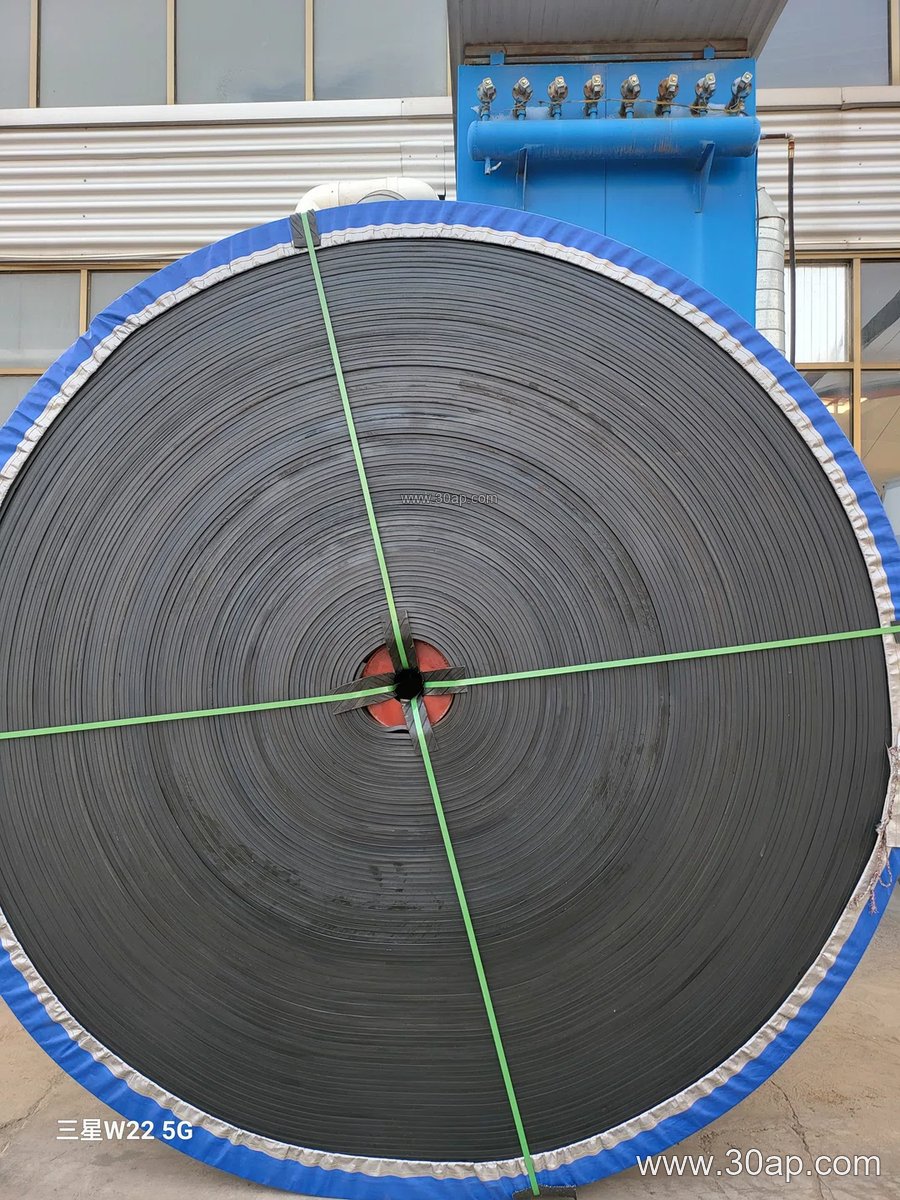
How the Belt Is Built
The carcass is usually a solid-woven fabric made from high-strength synthetic yarns. The whole carcass is impregnated with PVC paste, then covered on one or both sides with rubber. Typical constructions use a cover of 3+1.5 mm, 4+2 mm, 5+2 mm, 6+2 mm or 8+3 mm, depending on the duty. Cover thickness is normally selected by the user with the belt supplier, and thicker covers suit abrasive or heavy-impact service.
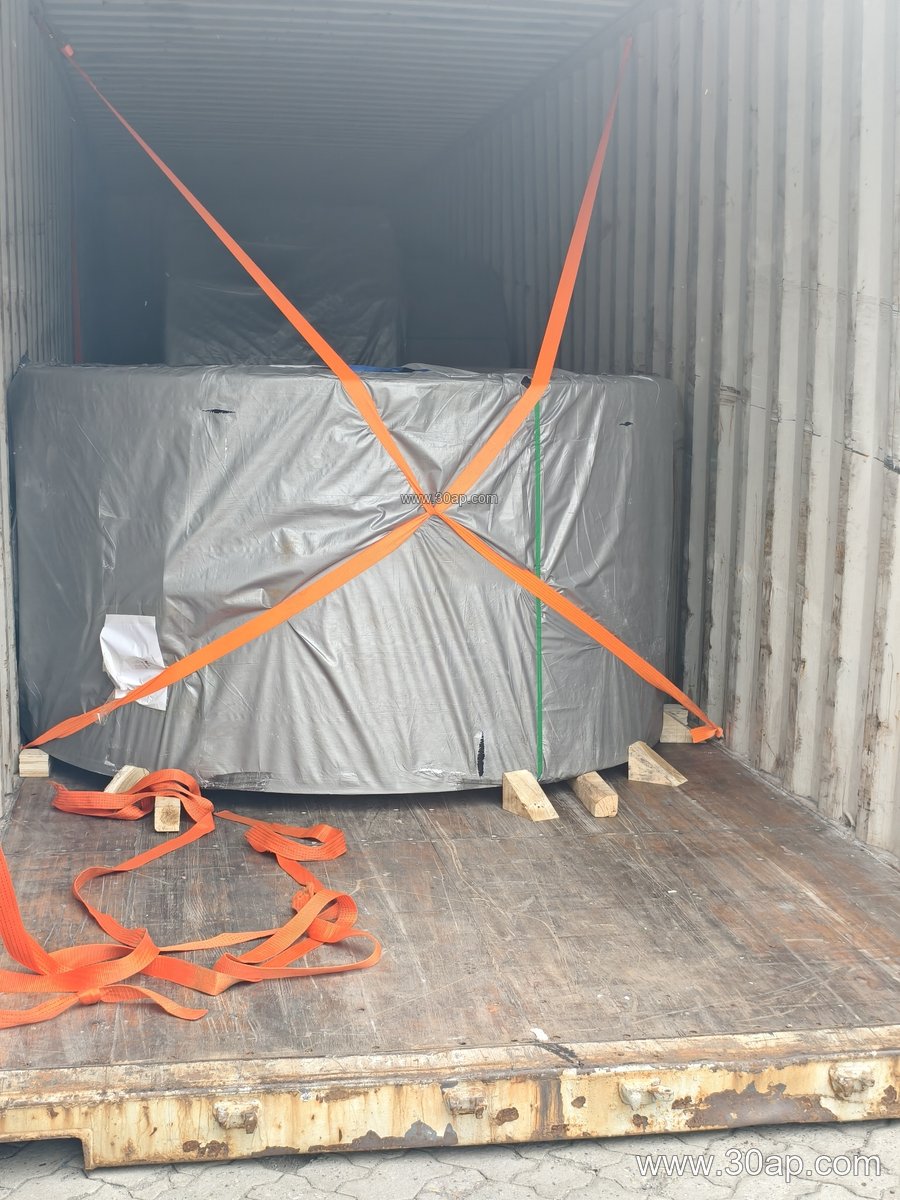
- Carcass: solid-woven fabric, usually 2 to 6 layers of strength in the weave
- Impregnation: PVC compound that bonds the fabric and seals the body
- Cover: rubber top and bottom covers for abrasion, cut and moisture protection
- Edges: sealed to limit wicking and edge damage
Strength grades for this family are commonly quoted as EP200, EP315, EP400, EP500, EP630, EP800, EP1000, EP1250, EP1600 and EP2000, though actual values depend on the manufacturer and the belt design. Standard widths include B500, B650, B800, B1000, B1200, B1400, B1600, B1800 and B2000. These are reference figures, not a fixed catalogue of every available size.
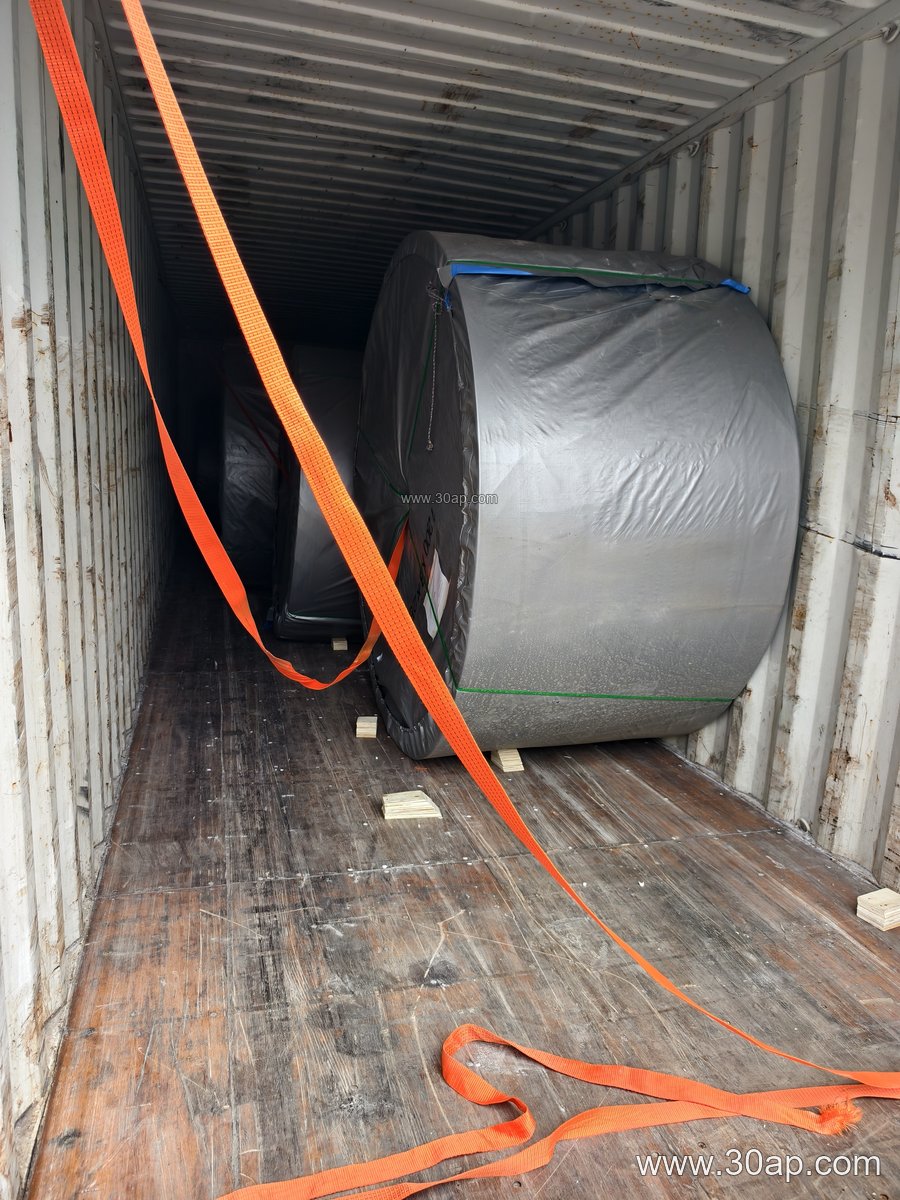
Where It Fits in the Conveyor Line
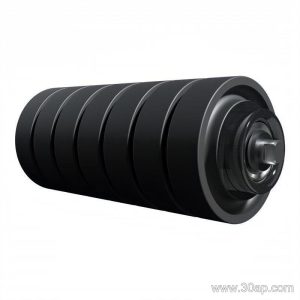
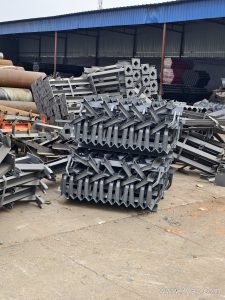
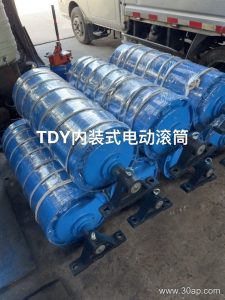
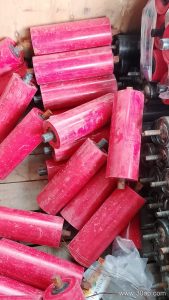
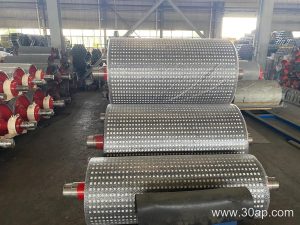
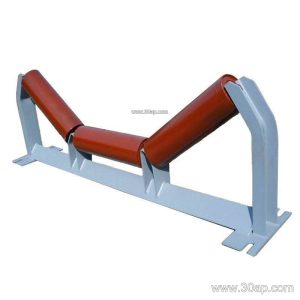
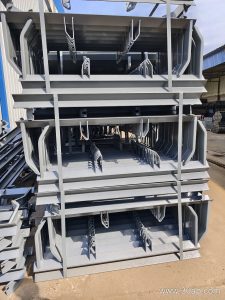
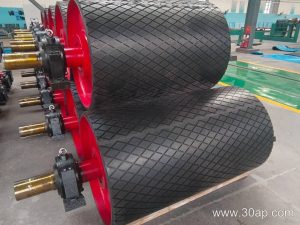
A PVG belt normally runs on a troughed idler roller set carried by a steel conveyor bracket frame, with a conveyor pulley at the drive and tail ends. The belt is often used in main haulage and transfer conveyors in coal mines, as well as in cement plants, power plants and aggregate yards where flame resistance and antistatic behaviour matter. It also suits wet or dusty conditions, since the PVC-impregnated body does not absorb water like a plain textile belt.
For very long, high-tension trunk conveyors, a steel cord or high-grade EP belt may be a better fit; the PVG belt is generally chosen for medium-duty lines and for installations where fire safety and flexibility are priorities. It is not a substitute for a drive pulley, tail pulley or bend pulley, which are separate components with their own specifications.
Buyer Checklist Before Ordering
Give the supplier the full duty picture rather than a single size. Useful details include:
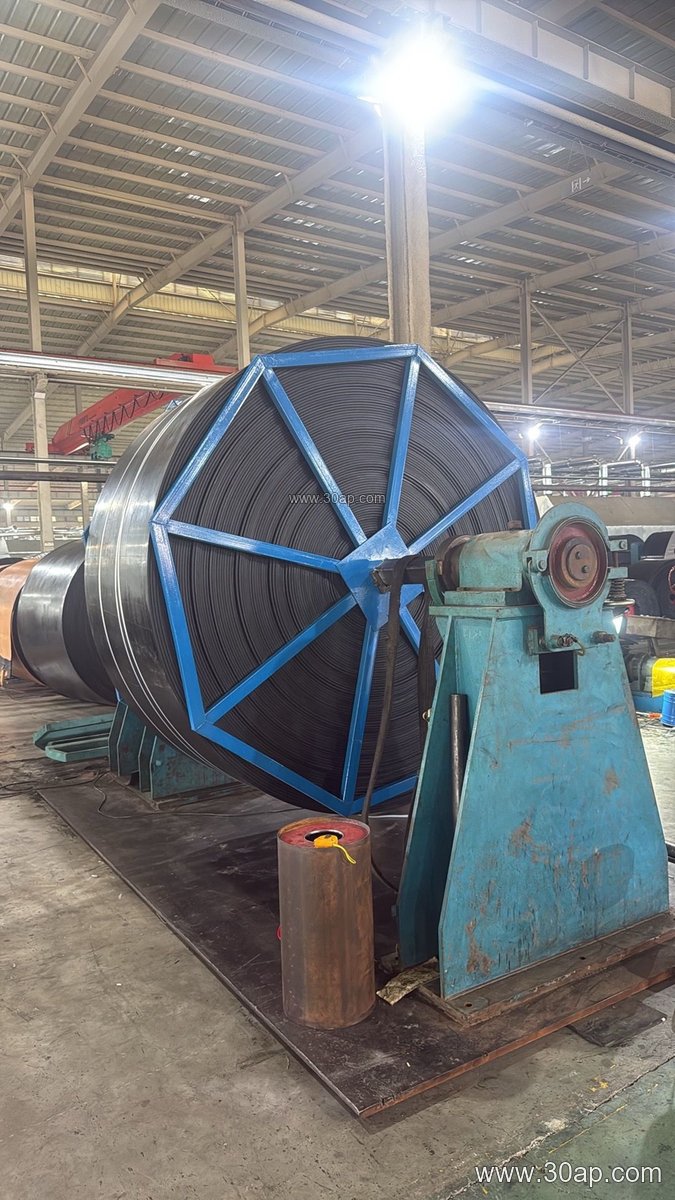
- Required strength grade and belt width
- Cover thickness for top and bottom, plus any wear or oil resistance needs
- Flame-retardant and antistatic requirements for the site
- Minimum pulley diameters on the drive, tail and bend positions
- Belt speed, lump size, incline angle and ambient temperature
- Whether a patterned surface, such as a chevron or ribbed cover, is needed for steep inclines
Do not assume that one belt width fixes one pulley diameter or one shaft size; those follow the conveyor design, load and drive calculation. Confirm splice type, edge condition and roll length with the manufacturer, and ask for the actual data sheet for the grade offered.
Installation and Care Notes
Align the belt carefully with the idler rollers and pulleys before tensioning, and check that the conveyor brackets are square and level. Keep the belt tracking straight, avoid sharp edges at transfer points, and maintain covers in good condition. Inspect for edge cuts, cover wear and splice opening at regular intervals, and clean spillage from the return side. With correct tracking and reasonable care, a PVG conveyor belt can serve reliably in demanding mining, cement, power and aggregate applications.