What a Heavy-Load Conveyor Pulley Does
A heavy-load conveyor pulley is the large rotating drum that transmits motion to the conveyor belt and carries the main belt tension at the head of a bulk handling line. In a quarry, a coal preparation plant or a cement clinker circuit, the drive pulley must start a fully loaded belt and keep it running through shock loads, abrasive dust and long shifts. The same component is often called a heavy-duty conveyor pulley or a heavy-duty drum pulley, and these terms describe the same product.
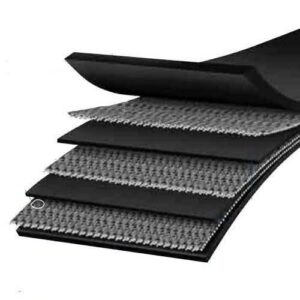
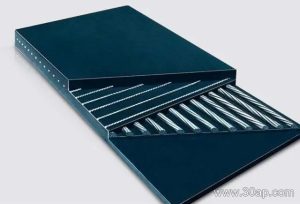
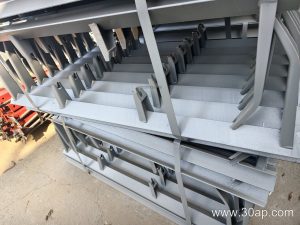
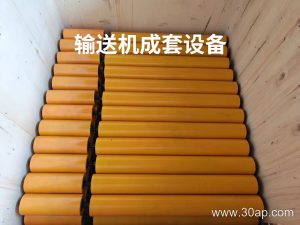
The pulley is not a standalone item. It works with the conveyor belt, the idler roller set and the conveyor bracket that holds the bearing housings. A poorly matched pulley shows up quickly as belt mistracking, slip or premature lagging wear.
How the Drum Is Built
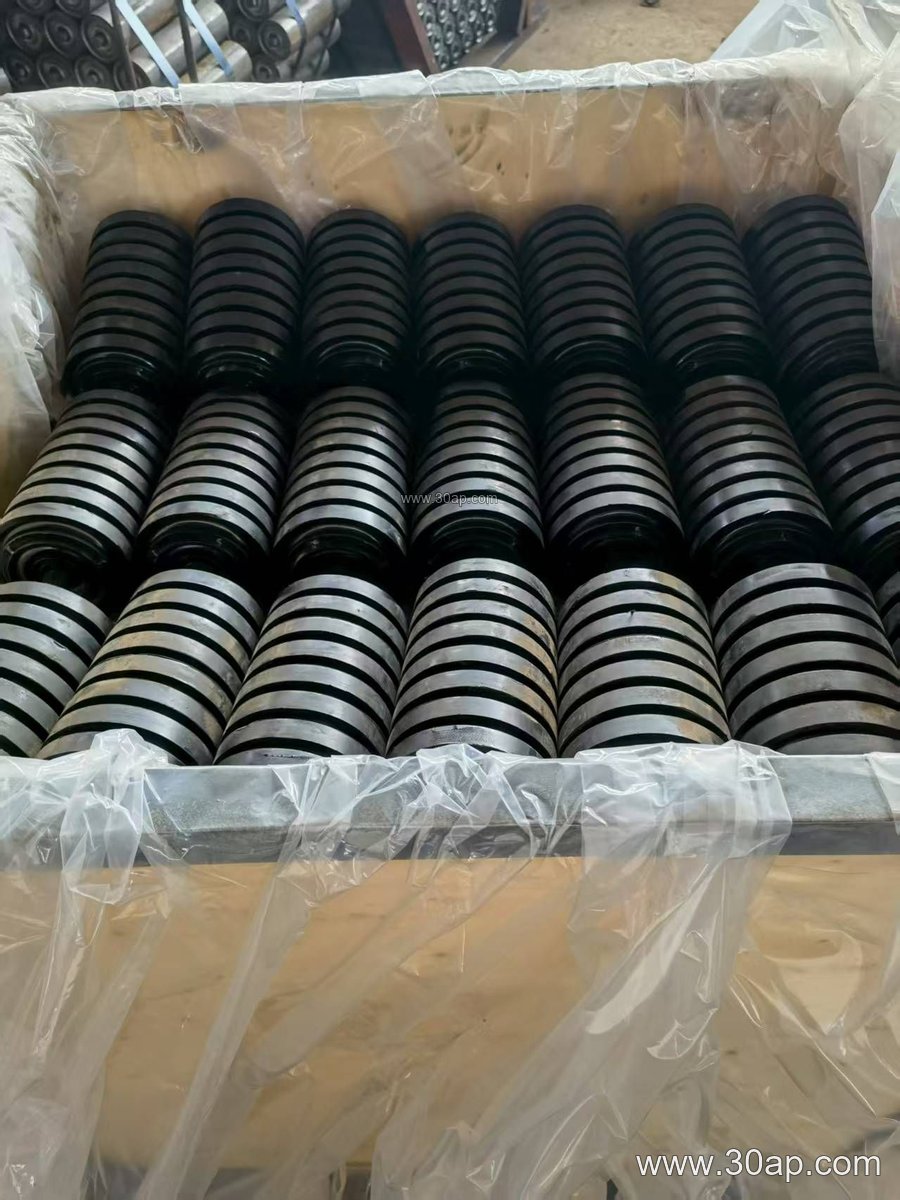
Most heavy-load pulleys combine a rolled steel shell, two end discs, a shaft and bearing assemblies. The shell thickness and the shaft diameter are set by the torque and radial load of the conveyor, not by belt width alone. Common shaft diameters include Ø80, Ø100, Ø120, Ø140 and Ø160 mm, but a larger or smaller shaft may be correct depending on the drive arrangement.
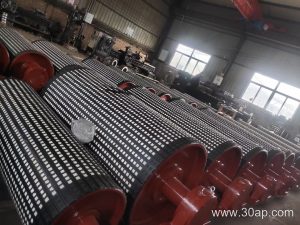
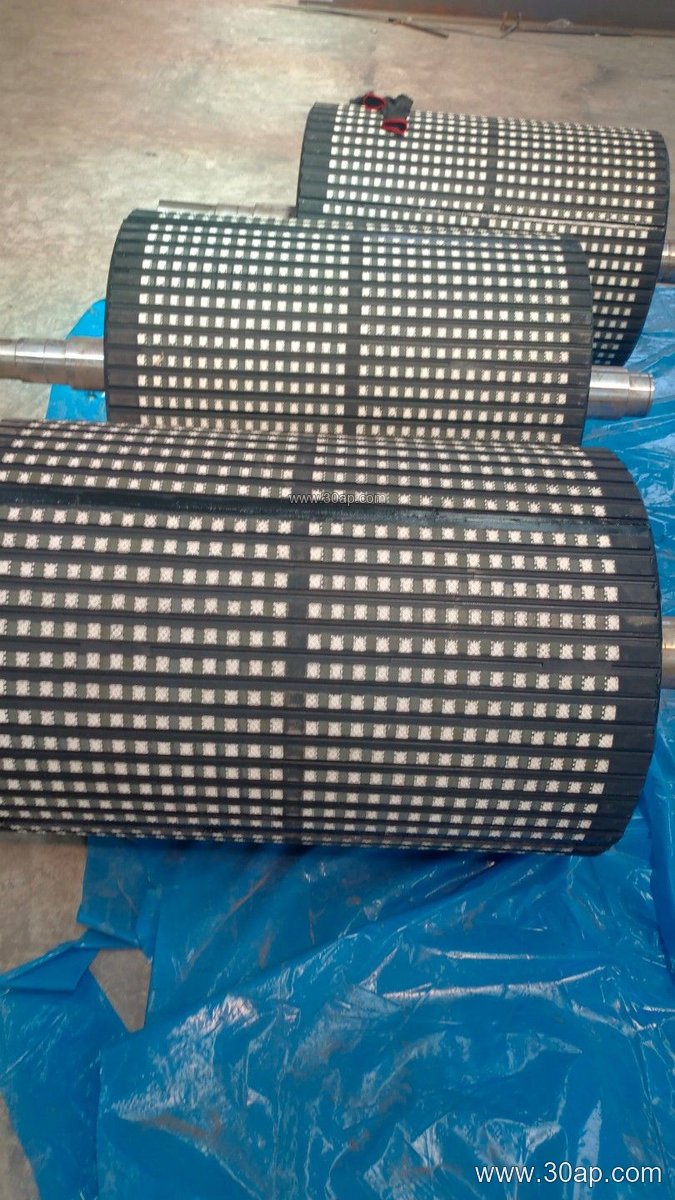
The surface is usually covered with lagging to improve grip and protect the shell. Plain, cold-bonded rubber, hot-vulcanized rubber, diamond pattern, herringbone and ceramic lagging are all available, with lagging thickness commonly 8, 10, 12, 15 or 20 mm. Diamond or herringbone profiles help shed water and fines, while ceramic tiles suit highly abrasive conditions.
Matching Diameter and Face Width
Pulley diameter affects belt life because a small drum bends the belt more sharply. Face width is normally slightly wider than the belt. The table below gives reference combinations; treat them as design starting points rather than fixed rules.
| Belt width | Typical face width | Example pulley combination |
|---|---|---|
| B500 | about 600 mm | B500 x Ø400 |
| B800 | about 950 mm | B800 x Ø500 |
| B1000 | about 1150 mm | B1000 x Ø630 |
| B1200 | about 1400 mm | B1200 x Ø1000 |
| B1400 | about 1600 mm | B1400 x Ø800 |
| B1600 | about 1800 mm | B1600 x Ø1000 |
| B1800 | about 2000 mm | B1800 x Ø1250 |
One belt width can pair with several diameters. For example, B1200 may run with Ø800, Ø1000 or Ø1250 depending on belt speed, tension and available space. Do not assume a single diameter is mandatory for every conveyor.
Where It Is Used
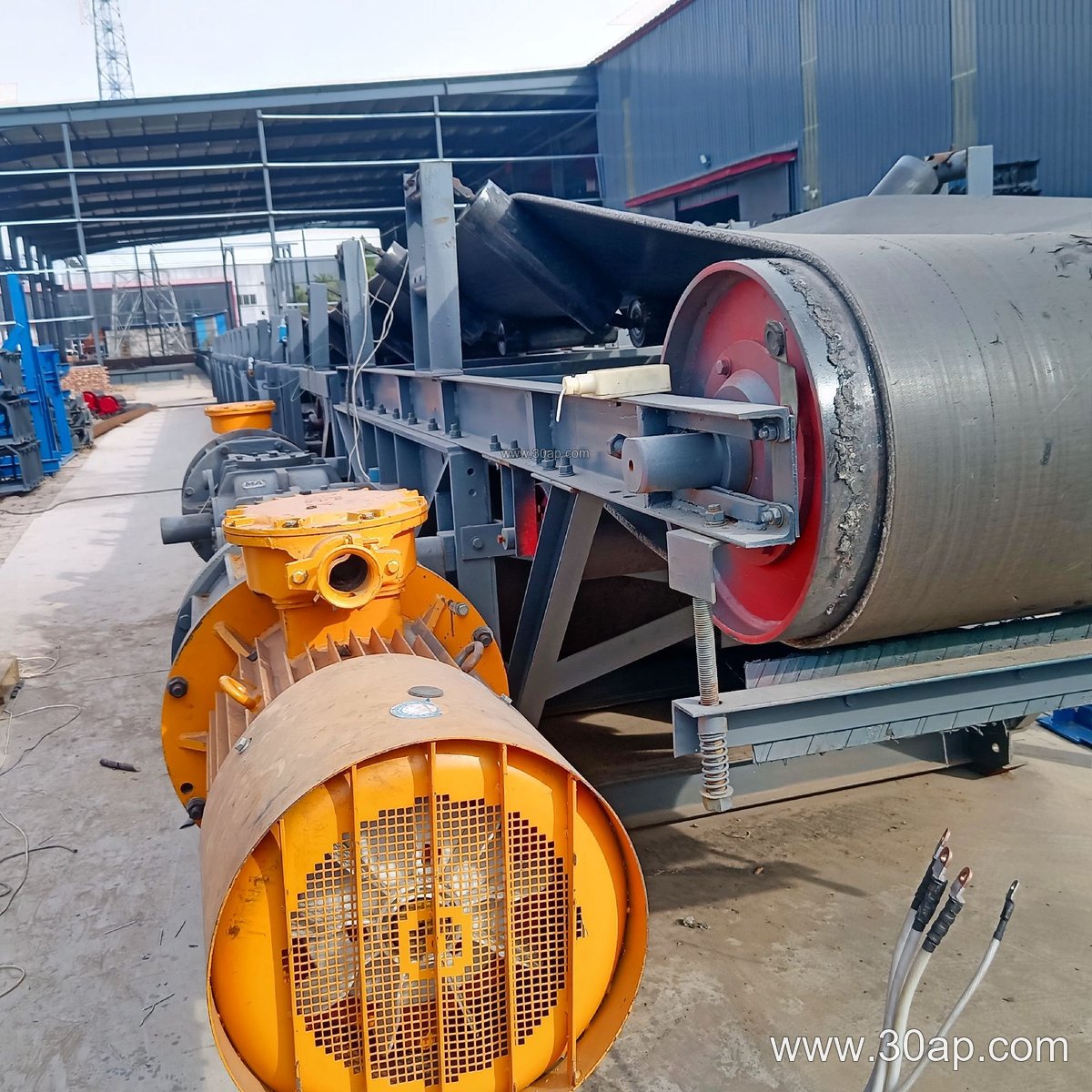
Heavy-load conveyor pulleys appear at the discharge end of a primary crushing line in an iron or copper mine, on the main haulage belt of a limestone quarry, and in the coal yard of a power plant. In a sand and gravel plant they drive the long field conveyor that carries screened aggregate to the stockpile. The load profile in these places is similar: coarse, heavy material, frequent starts and a belt that must stay centered.
At the tail or take-up position, a lighter bend pulley may handle the same belt, but it is a different subtype with a different duty. Drive, tail and bend pulleys are not interchangeable names, and a heavy-load pulley should be specified for its own position.
What Buyers Should Check
- Confirm the actual belt tension and starting torque so the shaft and shell are sized correctly.
- Choose lagging to suit the material: rubber for general grip, ceramic for abrasive ore, grooved profiles for wet conditions.
- Match the pulley face width to the belt and check clearance with the conveyor bracket and idler roller frames.
- Ask for the balance grade, bearing type and shaft material rather than relying on belt width alone.
- Plan inspection of lagging wear and bearing condition as part of routine maintenance.
A well-specified heavy-load conveyor pulley keeps the belt running true and protects the whole conveyor from unnecessary downtime. The correct choice comes from load data, not from a single size figure.