What a Galvanized Idler Is and Where It Fits
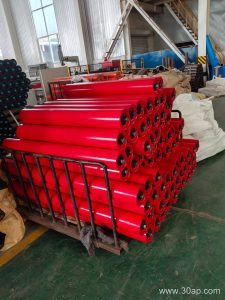
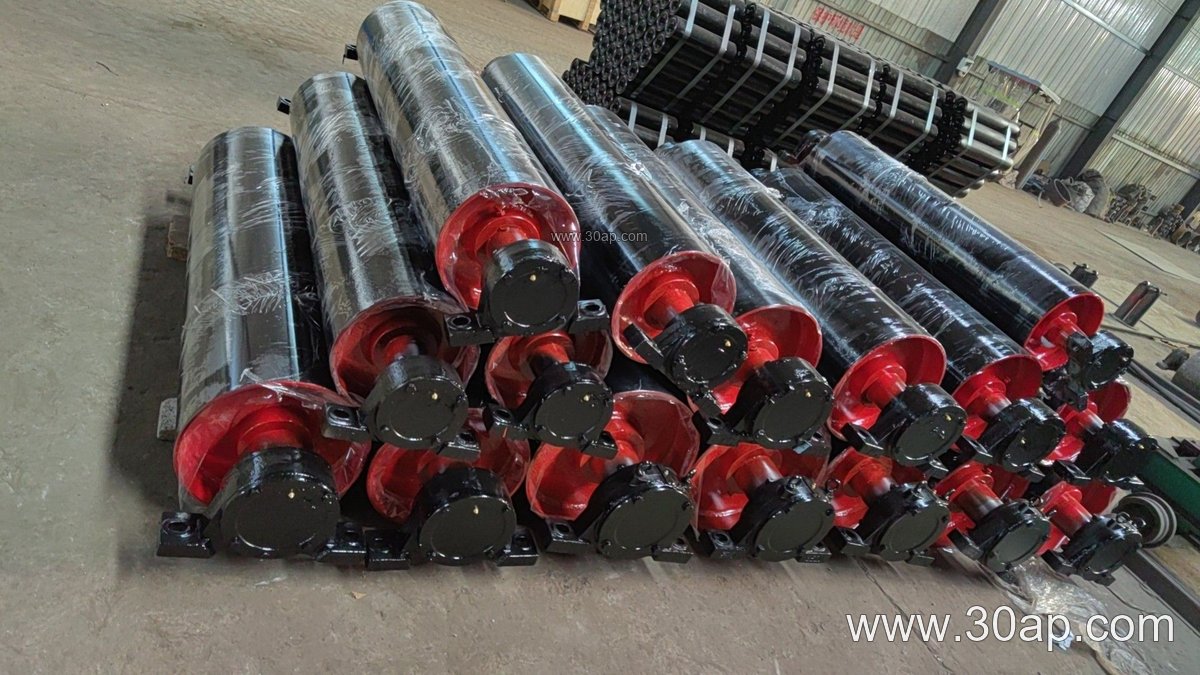
A galvanized idler is a conveyor idler roller whose steel components receive a zinc coating to resist corrosion. In a typical conveyor line, these idlers support the conveyor belt and the material load, reducing friction and keeping the belt tracking smoothly. You will find them in sand and gravel plants, cement works, coal preparation plants, power station coal handling, and port bulk terminals. While the drive pulley, tail pulley, and bend pulley handle power transmission and belt direction, the galvanized idler is a carrying or return component, and the two groups are not interchangeable.
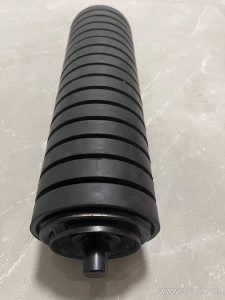
The zinc coating matters most in damp, dusty, or mildly corrosive settings. It does not replace proper sealing, but it helps extend service life when moisture and fine dust are present. For heavy abrasive service, a rubber-disc impact idler may be chosen at transfer points, but the galvanized idler remains the standard carrying roller for general duty.
Construction and Common Configurations
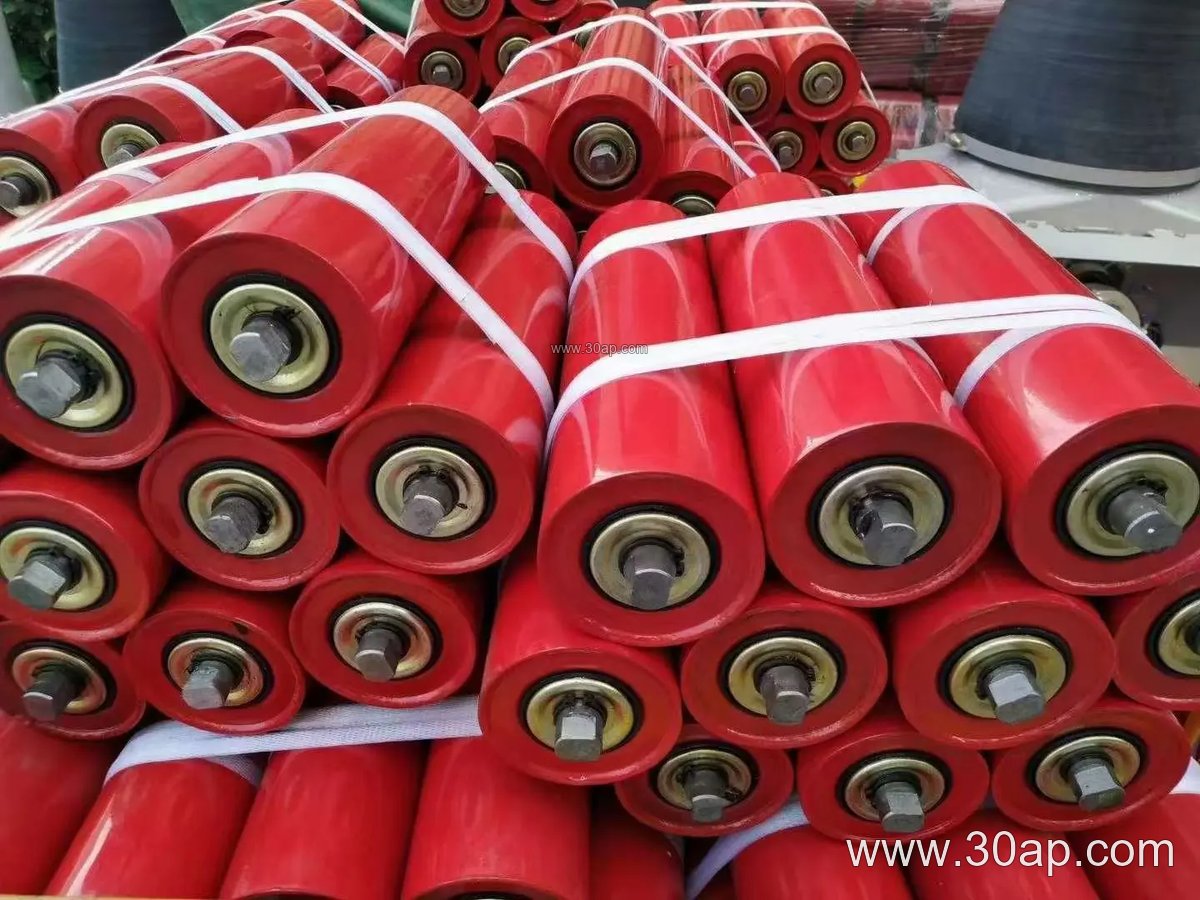
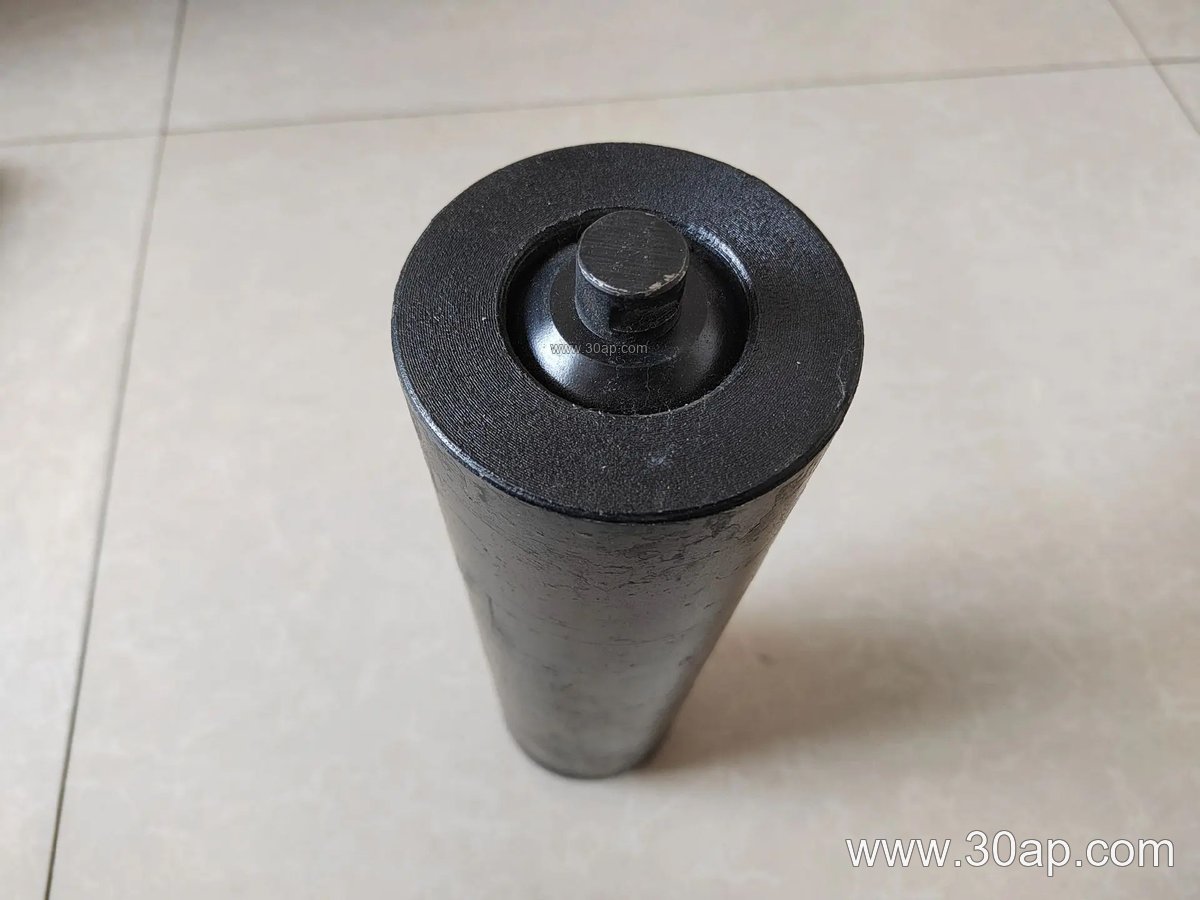
Most galvanized idlers use a steel tube shell, welded end discs, a through shaft, and sealed ball bearings. The galvanizing is applied to the shell and sometimes to the end caps and brackets. Bearing seats and shaft ends are usually left uncoated or masked to preserve fit and tolerance. Common roller diameters include Ø63, Ø76, Ø89, Ø102, Ø108, Ø127, Ø133, Ø159, and larger sizes for heavy duty. Bearing numbers such as 6204, 6205, 6305, 6306, 6308, and 6310 appear across these sizes, but no single bearing is tied to one diameter.
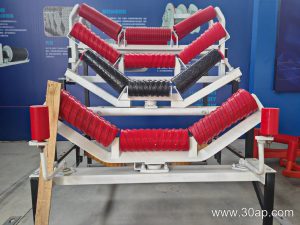
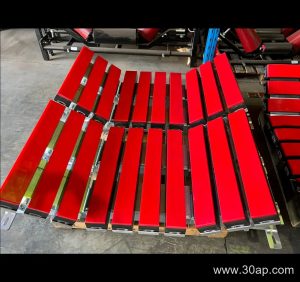
Idler sets come as single-roll, two-roll, and three-roll troughing arrangements. The trough angle is commonly 20, 30, 35, or 45 degrees. A slight forward tilt of about 1.5 to 2 degrees is sometimes used on training idlers to help center the belt. Roll length varies with belt width and trough form; for example, a three-roll troughing set often uses rolls around 200 mm for B500, 250 mm for B650, 315 mm for B800, 380 mm for B1000, and 465 mm for B1200. These are common references, not fixed pairings, and side rolls may differ from the center roll.
| Parameter | Common Reference |
|---|---|
| Roller diameter | Ø63, Ø76, Ø89, Ø102, Ø108, Ø127, Ø133, Ø159, Ø178, Ø194, Ø219 |
| Belt width | B400, B500, B650, B800, B1000, B1200, B1400, B1600, B1800, B2000 |
| Trough angle | 20°, 30°, 35°, 45° |
| Roll surface | Steel tube, nylon, ceramic, rubber rings |
| Bearing | 6204, 6205, 6305, 6306, 6308, 6310 |
Where Galvanized Idlers Are Used
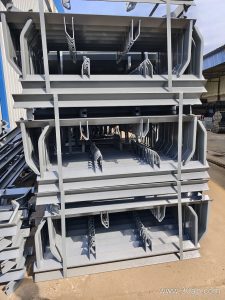
In a limestone quarry or sand and gravel line, galvanized carrying idlers on the main belt are exposed to dust and occasional washdown. In a coal preparation plant or power station coal yard, moisture and fine coal dust make corrosion resistance useful, provided the seals are effective. The same idler type may appear on return runs as a flat or V-return roller, but those are different positions and should be specified separately. A conveyor bracket or frame holds the idler in place, and the bracket spacing affects belt sag and load distribution.
Selection and Maintenance Notes
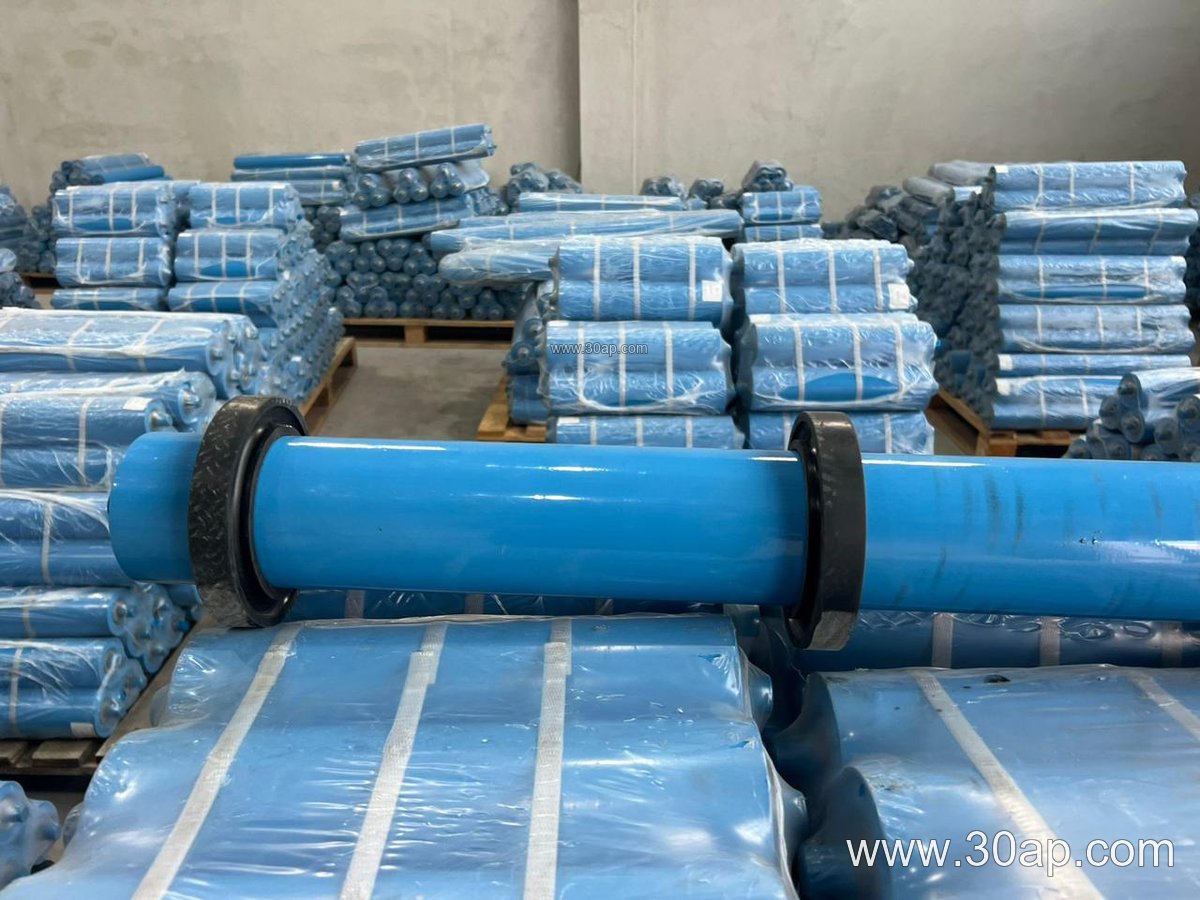
Buyers should match the idler diameter and bearing to the belt speed, load, and environmental conditions rather than choosing by belt width alone. A larger diameter generally handles higher loads and extends bearing life, but frame height and clearance must allow it. Check that the galvanized coating is uniform and that shaft ends and bearing housings are clean. During operation, listen for squealing or rumbling, check for belt misalignment, and replace idlers with damaged shells or failed seals. Keep spare idlers in the same diameter and bearing size to simplify maintenance. For corrosive or wet service, confirm the sealing arrangement with the supplier, since galvanizing alone does not guarantee protection.
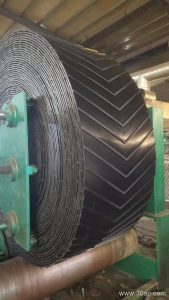
Used together with a compatible conveyor belt, conveyor pulley, and properly aligned conveyor bracket, a galvanized idler supports steady production in demanding bulk handling environments.