What a Plastic Idler Is
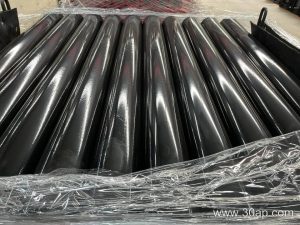
A plastic idler is a conveyor idler roller whose shell or body is made primarily from engineering plastic rather than steel. It is an idler roller used to support the conveyor belt along the carrying and return sides of a conveyor. In aggregate plants, cement works, and light-duty bulk handling lines, the plastic idler offers a lighter alternative to conventional steel rollers, which can simplify manual handling during installation and maintenance.
The term covers several designs, including plain plastic rollers, plastic return rollers, and plastic impact rollers with rubber rings. The plastic idler should not be confused with a conveyor pulley. A conveyor pulley is a drive, tail, or bend pulley that transmits power or changes belt direction, while an idler roller only supports the belt. These are different components with different functions and are not interchangeable.
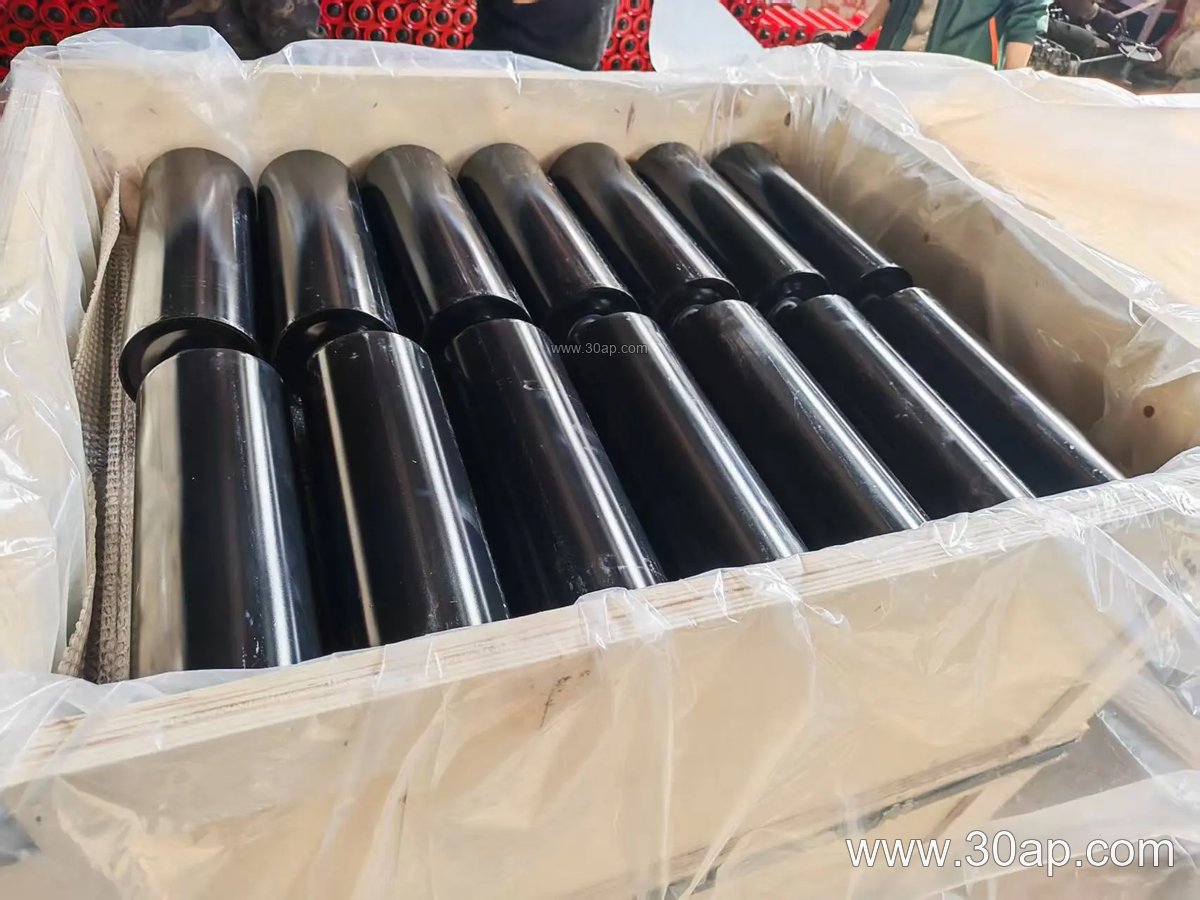
Construction and Materials
A typical plastic idler consists of a plastic tube, bearing housings, a shaft, and seals. The plastic shell is often a reinforced thermoplastic, chosen for resistance to moisture and mild chemicals. Bearings are usually deep-groove ball bearings such as 6204, 6205, or 6305, selected according to load and speed rather than matched to one shell diameter. Sealing is important in dusty locations, so labyrinth seals or contact seals are common on better-quality units.
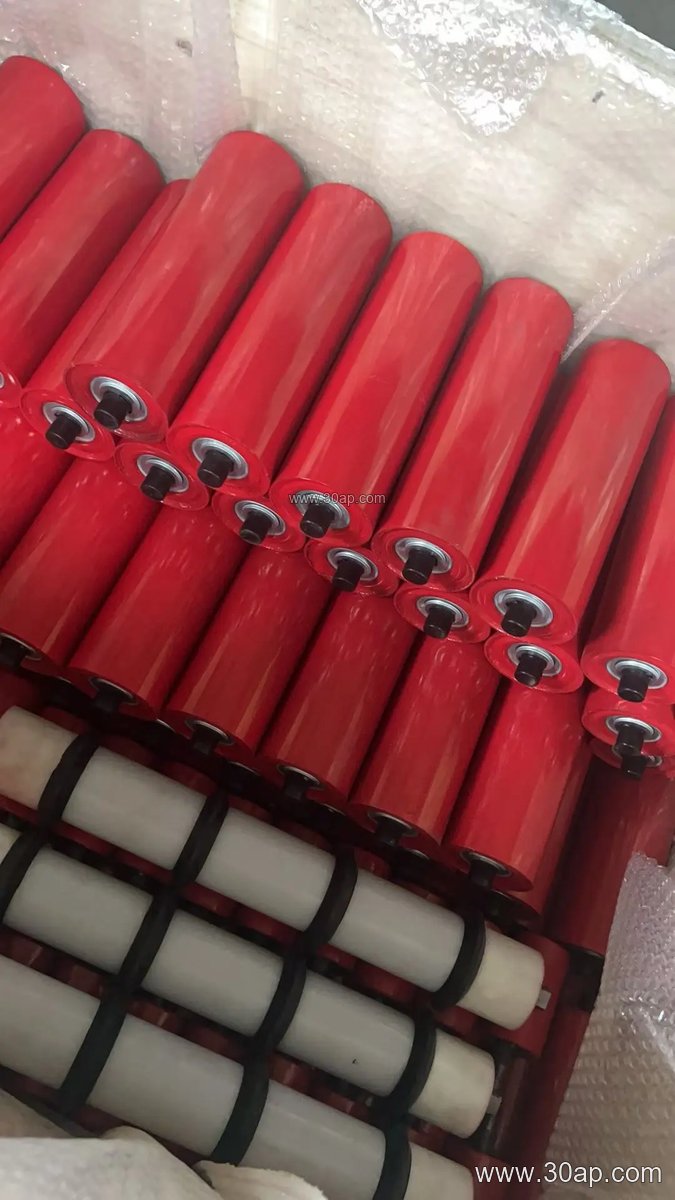
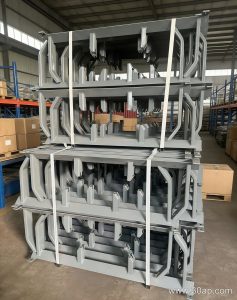
Plastic idlers may be supplied as single rollers or assembled into idler sets. For carrying runs, three-roll troughing sets with trough angles of 20, 30, 35, or 45 degrees are common. Return runs often use a single flat roller or a V-shaped return set. The roller diameter may be Ø63, Ø76, Ø89, Ø102, Ø108, Ø127, or larger depending on belt width and load. Roller length follows belt width, trough angle, and roll arrangement, so a B800 belt may use rolls around 315 mm long in a three-roll set, but side rolls and center rolls can differ. These values are typical examples, not fixed pairings.
Where Plastic Idlers Are Used
Plastic idlers are often found in applications where corrosion or weight is a concern. In a limestone quarry or a sand and gravel line, wash water and fine dust can shorten the life of unprotected steel rollers, and plastic shells resist rust. In a cement plant, plastic return rollers may be used on the return strand to reduce buildup of fine material. Light-duty conveyors in fertilizer blending or grain handling also use plastic idlers because they are easy to replace and do not spark.
They are less common in heavy-duty primary crushing circuits or large coal mines where high impact and heavy loads favor steel shells with rubber rings. For those duties, a steel impact roller or a rubber-ring buffer roller is usually more suitable. A plastic idler can still serve on secondary conveyors, transfer points with modest drop heights, or mobile crushing and screening plants where weight saving matters.
Selection Points for Buyers
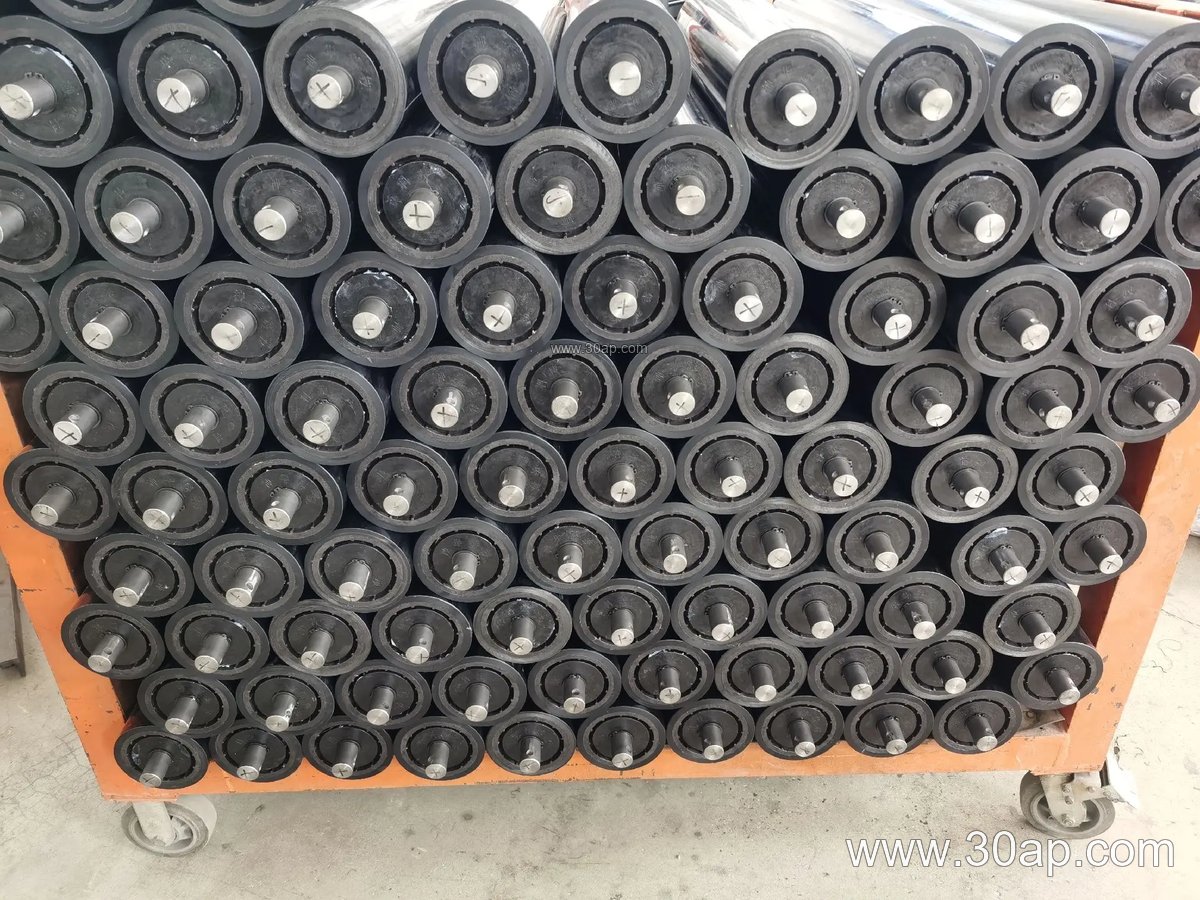
Buyers should match the plastic idler to the conveyor belt width, belt speed, and load. Key details include roller diameter, roller length, shaft diameter, bearing size, and sealing arrangement. The shaft diameter is determined by the bearing and load rating, not by belt width alone. For a given belt width, several roller diameters may work, and the final choice depends on the idler set design and the conveyor bracket dimensions.
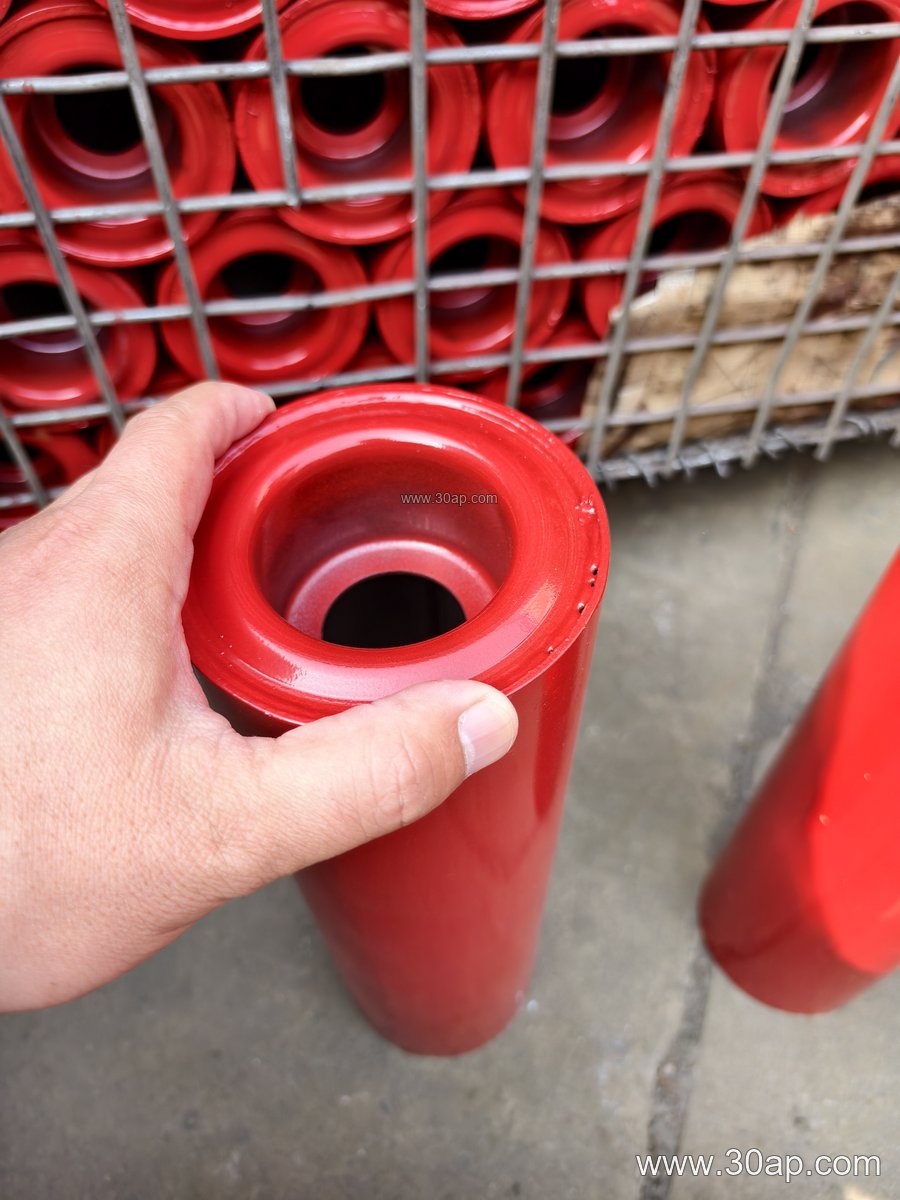
Check the mounting: plastic idlers must fit the existing conveyor bracket or frame. Confirm the trough angle if a carrying set is needed, and specify flat or V-return for the return side. In dusty or wet conditions, ask about seal type and bearing protection. Also consider ambient temperature, since some plastics lose strength at elevated temperatures. Request the manufacturer’s load and speed limits rather than assuming a plastic roller will match a steel roller of the same size.
Maintenance and Inspection
Plastic idlers are generally low maintenance, but they still need inspection. Listen for squealing or rumbling bearings, watch for belt tracking problems, and check for cracked shells or worn seals. Replace any roller that does not turn freely. Keep the conveyor belt aligned and the idler sets clean, because material buildup can cause uneven wear. In wash-down areas, confirm that the selected seals are suitable for wet service.
Spare parts should be ordered by the same dimensions and bearing designation as the original unit. Do not substitute a conveyor pulley or a different idler subtype without checking the conveyor design. A plastic idler is a supporting component, and its performance depends on correct selection and proper installation on the conveyor frame.