What a Conveyor Belt Idler Does on the Line
A conveyor belt idler is the rotating roller assembly that supports the loaded belt between the head and tail of a conveyor. It carries the weight of the material, keeps the belt tracking in a stable path, and reduces friction so the drive system does not have to pull the belt over a fixed surface. In a quarry, a coal preparation plant, or a cement plant, hundreds of these rollers may be installed along one conveyor, which makes their condition a direct factor in energy use and downtime.
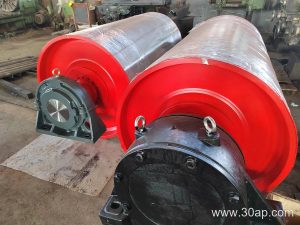
The idler roller is different from a conveyor pulley. A drive pulley transmits torque, a tail pulley changes the belt direction at the discharge end, and a bend pulley redirects the belt path. Those components are not interchangeable with an idler, because an idler only supports and guides the belt as it moves.
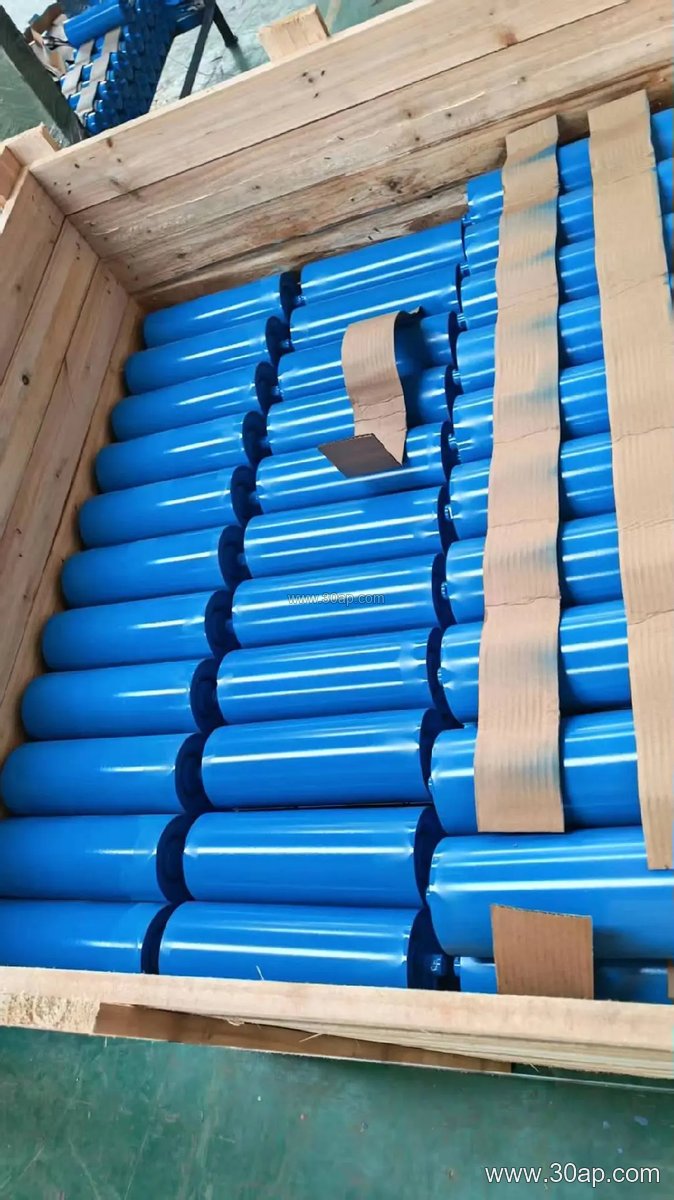
Construction and Main Subtypes
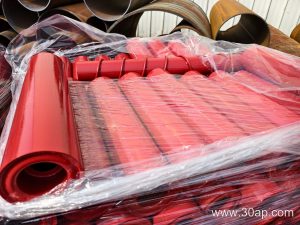
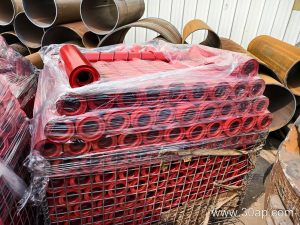
A typical idler roller has a steel tube shell, a shaft, bearing housings, and seals at both ends. The shell may be plain steel, nylon coated, ceramic covered, or fitted with rubber rings for impact absorption. Bearings such as 6204, 6205, 6305, 6306, 6308, and 6310 are common in light to heavy duty rollers, but the bearing size is selected with the shaft, load, and speed rather than by the belt width alone.
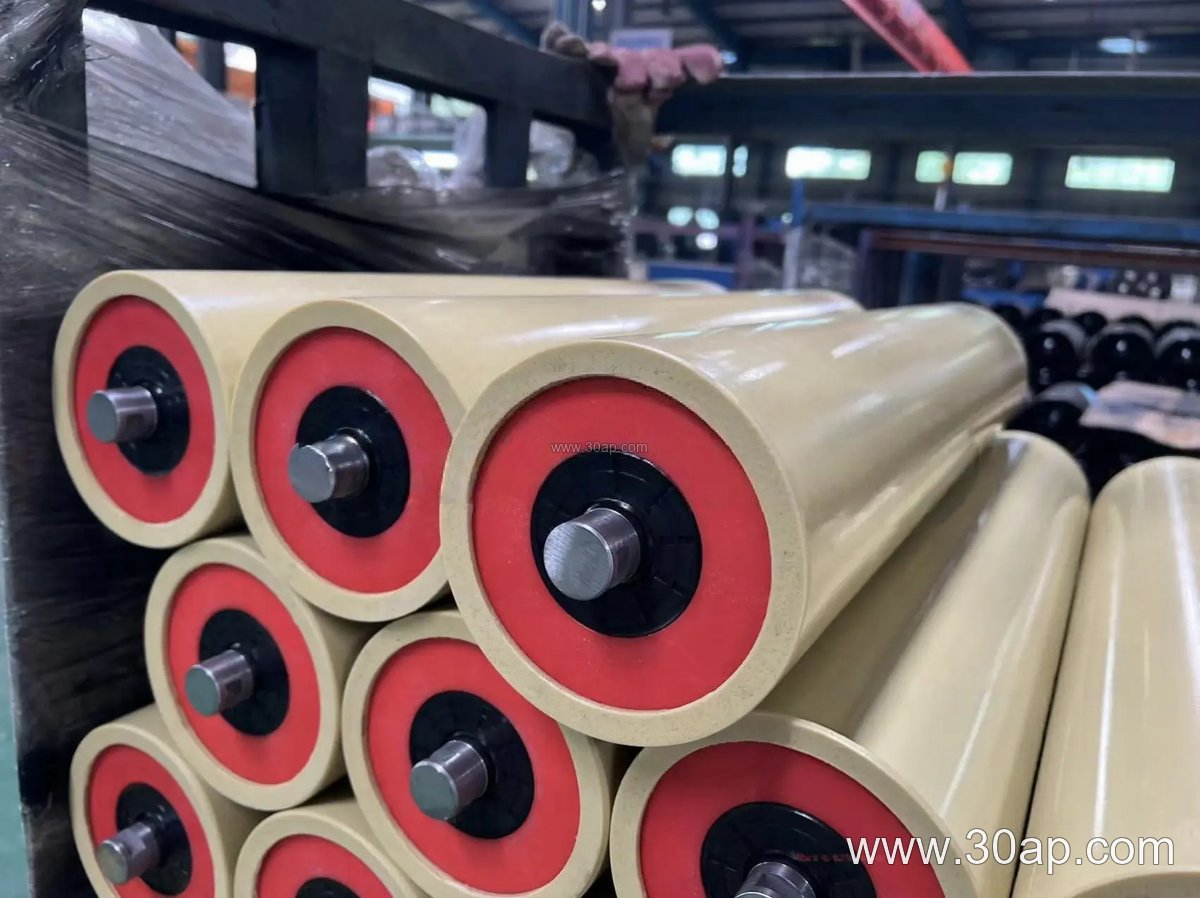
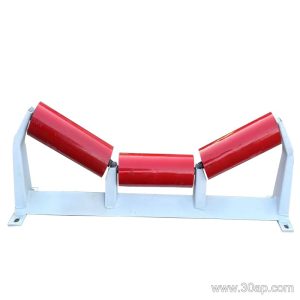
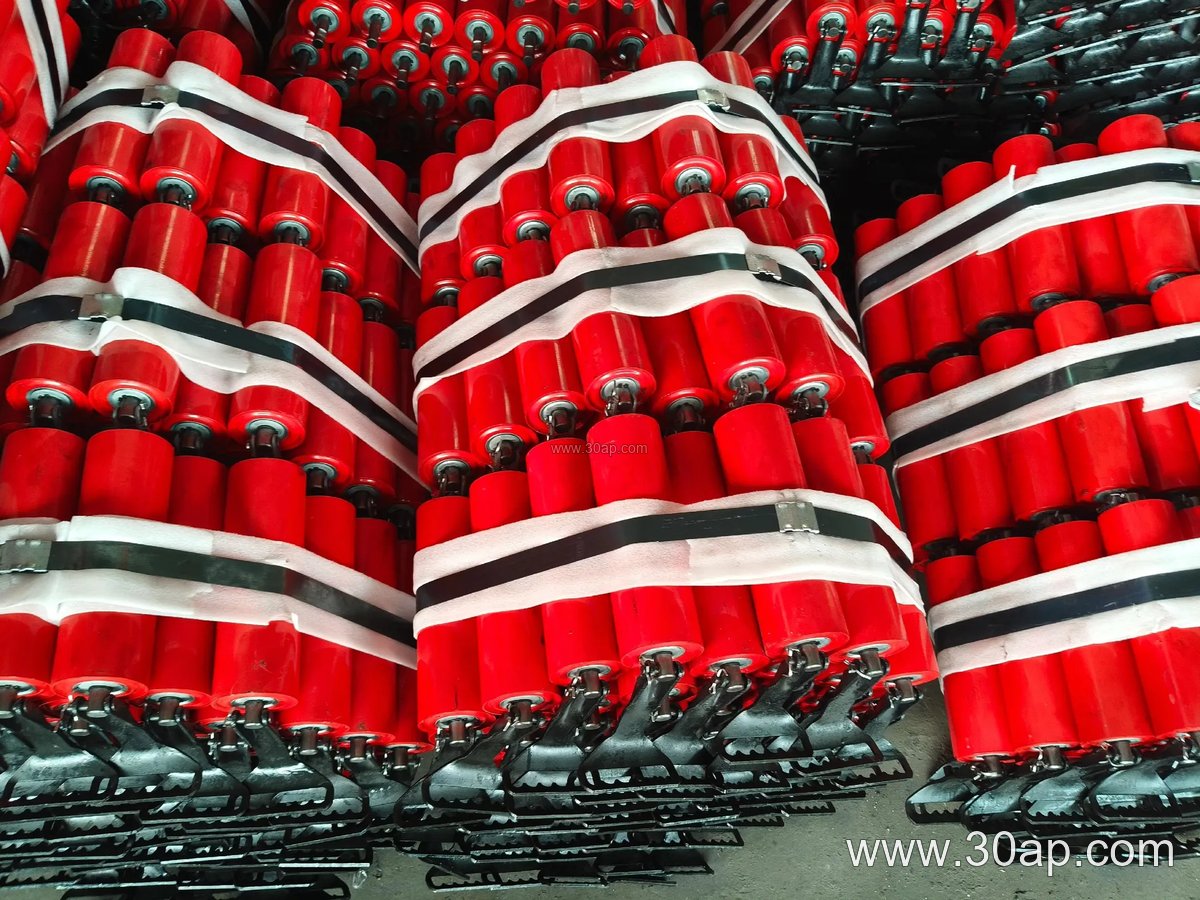
Types are chosen by position and duty. Troughing idlers, also called carrying idlers, form a trough that holds the material on the belt. Return idlers support the empty belt on the lower run. Impact idlers with rubber rings are placed under the loading point to absorb falling material. Self-aligning idlers correct belt drift, while spiral and comb types help clean the belt surface. A transition idler smooths the change from the flat pulley to the troughed profile.
Troughing Idler Arrangements
- Single roller: used on narrow belts or flat belt sections.
- Two-roller troughing set: a simple V shape for moderate loads.
- Three-roller troughing set: the most common arrangement on wide belts, with a center roller and two side rollers.
Common Dimensions and How They Are Read
Roller diameter and belt width are often discussed together, but they are separate decisions. Roller diameters such as Ø63, Ø76, Ø89, Ø102, Ø108, Ø127, Ø133, Ø159, Ø178, Ø194, and Ø219 appear in different duty classes. Wider belts usually need larger rollers and heavier frames, yet one belt width can accept more than one roller diameter depending on speed and load.
Troughing angle also affects the roller set. Common trough angles are 20, 30, 35, and 45 degrees. A shallow angle suits fragile material, while a deeper trough contains a larger load. Forward tilt of about 1.5 to 2 degrees is used on some self-aligning and training idlers to help steer the belt.
| Belt width | Typical three-roller center length |
|---|---|
| B500 | about 200 mm |
| B650 | about 250 mm |
| B800 | about 315 mm |
| B1000 | about 380 mm |
| B1200 | about 465 mm |
| B1400 | about 530 mm |
| B1600 | about 600 mm |
| B1800 | about 670 mm |
| B2000 | about 750 mm |
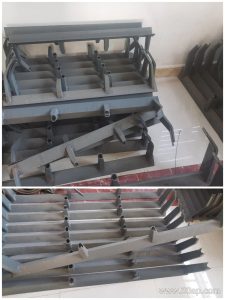
These figures are common examples, not fixed matches. Side rollers and center rollers can differ, and the final roller length is set by the belt width, trough angle, and frame design. A conveyor bracket or frame must also match the roller shaft and mounting spacing.
Where Idlers Are Used
In a limestone mine, a crushing and screening line, or a power plant coal handling system, idlers run continuously under abrasive and dusty conditions. In a sand and gravel plant, impact idlers are often installed below the crusher discharge, while return idlers keep the empty belt from sagging. The same principles apply in a tunnel muck removal conveyor or a fertilizer bulk line, although the material and environment change the choice of seal and roller surface.
What a Buyer Should Check
- Confirm the belt width and trough angle before ordering a roller set.
- Match the roller diameter to the load, speed, and available frame height.
- Select the bearing and seal type for the actual dust and moisture level.
- Check the shaft end and bracket dimensions against the existing conveyor.
- Decide between steel, nylon, ceramic, or rubber ring surfaces based on wear and impact.
A conveyor belt idler is a small component with a large effect on belt life. When the roller diameter, trough angle, bearing, and mounting details are chosen together, the conveyor runs with less vibration, less spillage, and more predictable maintenance.