What the EP1000 Conveyor Belt Is
The EP1000 conveyor belt is a polyester-cotton (EP) carcass rubber belt with a nominal tensile strength of 1000 N/mm. It sits in the middle-to-heavy duty range of textile-reinforced belts, above EP800 and below EP1250 in the common EP series. In a coal mine, cement plant, power station, or sand and gravel yard, this belt is often chosen for main haulage lines where the load is steady and the incline is moderate. The product is also written as an EP conveyor belt of 1000 strength class, which is the same item under its accurate equivalent name.
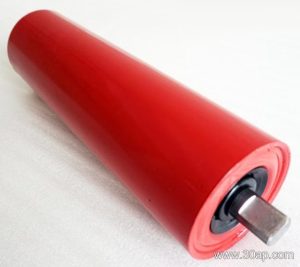
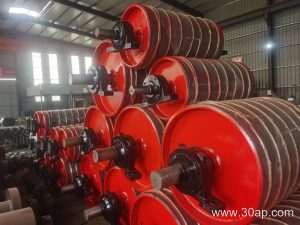
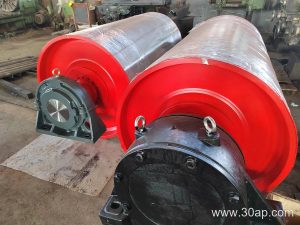
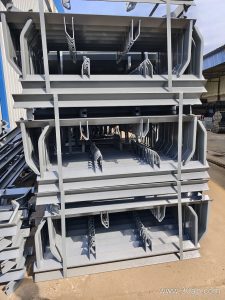
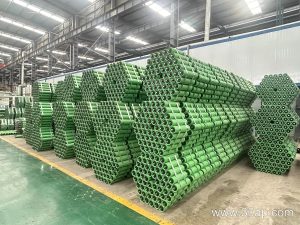
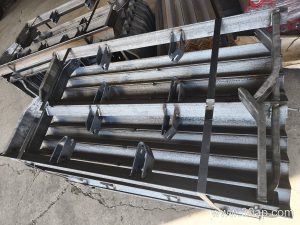
An EP1000 belt is not a pulley, not an idler roller, and not a conveyor bracket. It is the moving carrying surface of a belt conveyor. The drive pulley, tail pulley, and bend pulley each perform different duties and are not interchangeable; the belt simply runs over them.
Construction and Rubber Cover
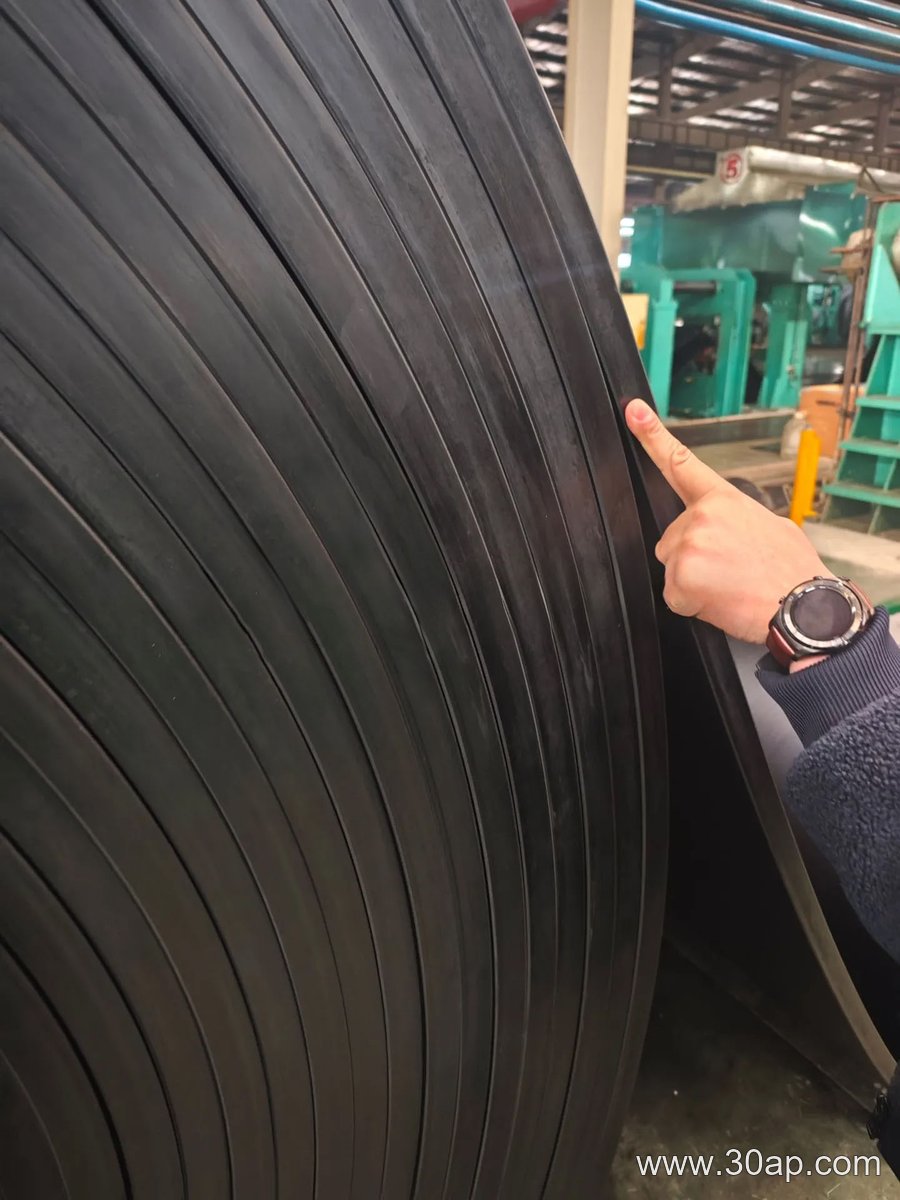
The carcass is built from multiple layers of EP fabric, usually two to six plies, bonded with rubber skim. The number of plies and the cover thickness are selected together with the duty. Common cover combinations include 3+1.5 mm, 4+2 mm, 5+2 mm, 6+2 mm, and 8+3 mm, where the first figure is the top cover and the second is the bottom cover. The top cover protects against abrasion and impact; the bottom cover runs against the idler rollers.
| Parameter | Typical range |
|---|---|
| Strength class | EP1000 (1000 N/mm) |
| Carcass plies | 2 to 6 |
| Belt width | B650, B800, B1000, B1200, B1400, B1600, B1800 |
| Cover grade | wear resistant, heat resistant, oil resistant, flame retardant, antistatic, cold resistant, acid and alkali resistant |
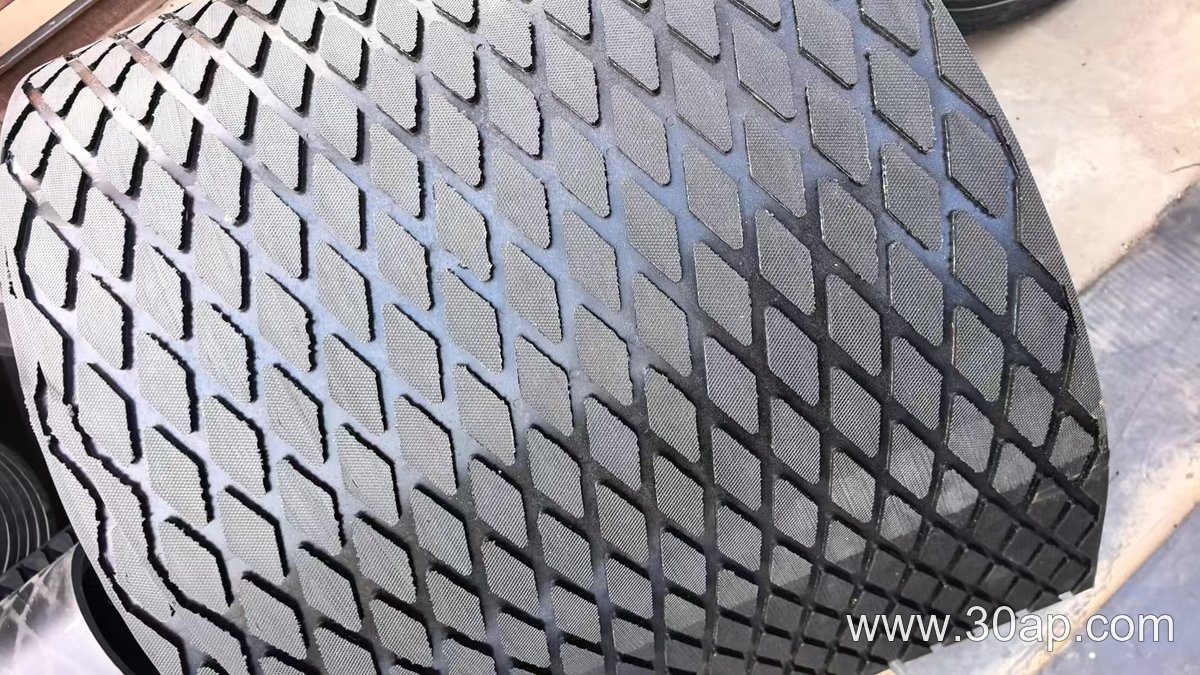
| Surface form | smooth, patterned, chevron, corrugated sidewall |
These values are common reference data, not a fixed specification for every order. Width and pulley diameter are matched by design, and one belt width does not dictate one pulley diameter.
Where It Fits in the Plant
In a coal preparation plant, an EP1000 belt may carry raw coal from a crusher to a screening station. In a cement works, it can move clinker or limestone on a long inclined gallery. In a power plant, it often feeds coal to a bunker. In a sand and gravel yard, it links a vibrating screen to a stockpile conveyor.
Where the material is sharp, hot, or oily, a cover grade is chosen to suit. Where the route climbs, a patterned or chevron surface can help hold the load. Where space is tight, a corrugated sidewall version may replace a conventional troughed line. For comparison, a steel cord belt is preferred on extremely long, high-tension overland routes, while an NN nylon belt may be used on lighter duties. These are alternatives for different duties, not replacements for the EP1000 belt in its own class.
Buyer Checklist
- Confirm the actual duty: material, lump size, capacity, incline, and daily running hours.
- State the required strength class and ply number, not just the width.
- Choose the cover grade and cover thickness from the working conditions.
- Check the pulley diameters and the transition distance so the belt can bend without stress.
- Review the idler roller spacing and the conveyor bracket layout, as they affect belt support and tracking.
- Ask for the splice method and edge condition to match the installation crew.
Installation and Care
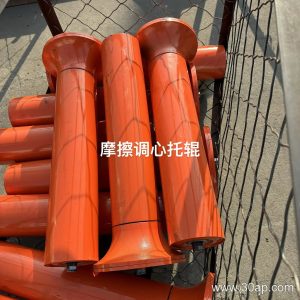
Correct alignment at the drive pulley and tail pulley prevents edge wear. Idler rollers should turn freely; a seized roller can cut the bottom cover quickly. The bend pulley and other pulleys should be checked for rubber lagging wear. Keep the belt cleaner adjusted so that sticky material does not build up on the return side.
Storage matters too. Keep the roll shaded, dry, and off the ground, and avoid sharp bends. When the belt is stored for a long period, rotate the roll occasionally. During operation, watch for mistracking, cover gouges, and splice opening, and record them so maintenance can be planned. A well-matched EP1000 conveyor belt, with the right pulleys, idler rollers, and brackets, gives long service in mines, cement plants, power stations, and aggregate yards.