What a Belt Conveyor Rubber Lagged Pulley Does
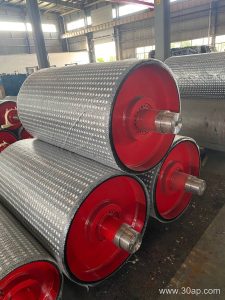
A belt conveyor rubber lagged pulley is a conveyor pulley whose cylindrical shell is covered with a rubber layer to improve grip between the drum and the conveyor belt. In practice, it is also called a rubber-coated conveyor drum or rubber-lagged head pulley when it sits at the discharge end. The rubber surface raises the friction coefficient, which helps transmit torque without slippage, especially when the belt carries wet, muddy, or dusty material. It also protects the shell from abrasive wear and reduces material build-up on the face.
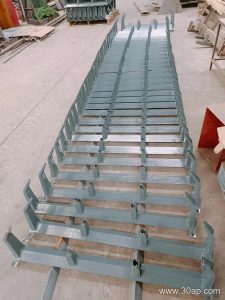
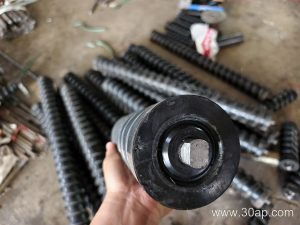
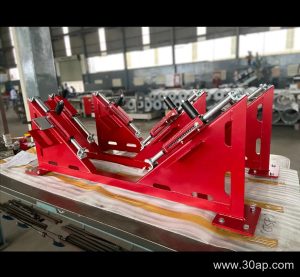
You will find this component in quarries, coal washing plants, cement clinker lines, power station coal handling, and port bulk terminals. It works together with the conveyor belt, idler rollers, and conveyor brackets to keep the belt tracking and moving reliably.
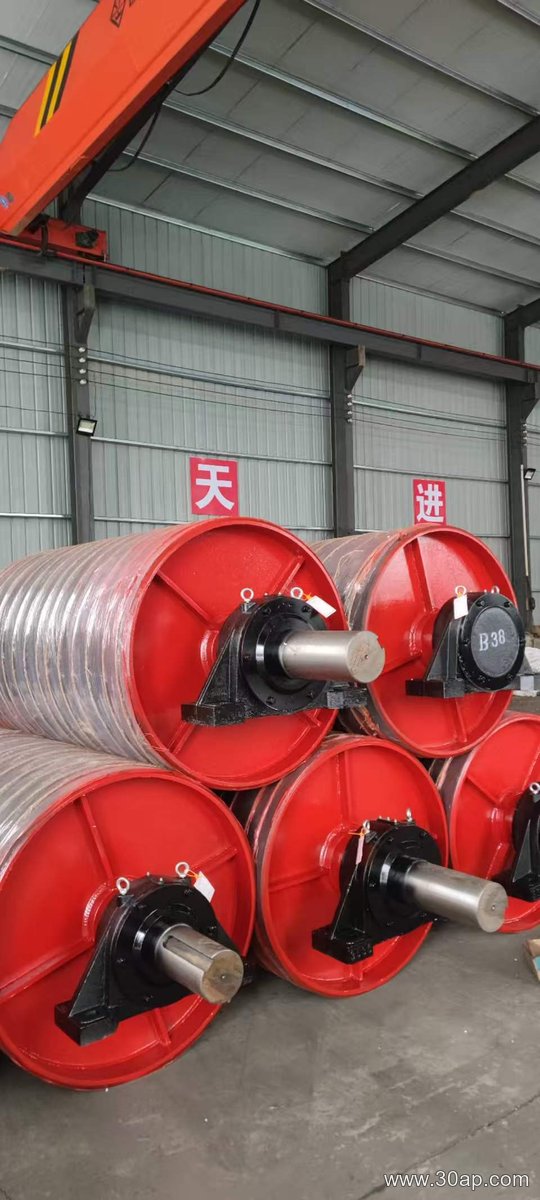
How the Rubber Layer Is Built
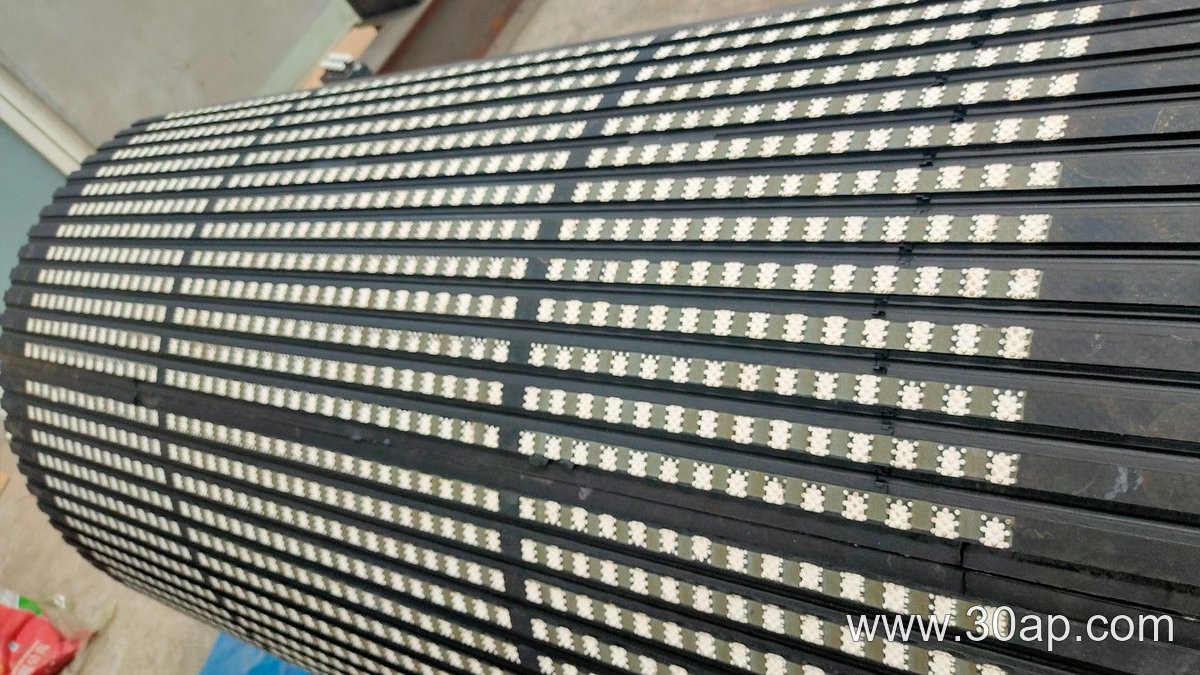
The construction starts with a steel shell, end discs, and a shaft. After machining, the rubber is applied in one of several ways. Common surface forms include plain rubber, diamond grooving, herringbone grooving, ceramic-lagged rubber, and cold-bonded or hot-vulcanized sheets. Each form changes water drainage and grip behavior. For example, diamond or herringbone patterns channel water away from the contact patch, which is useful in wet coal or slurry-adjacent service.
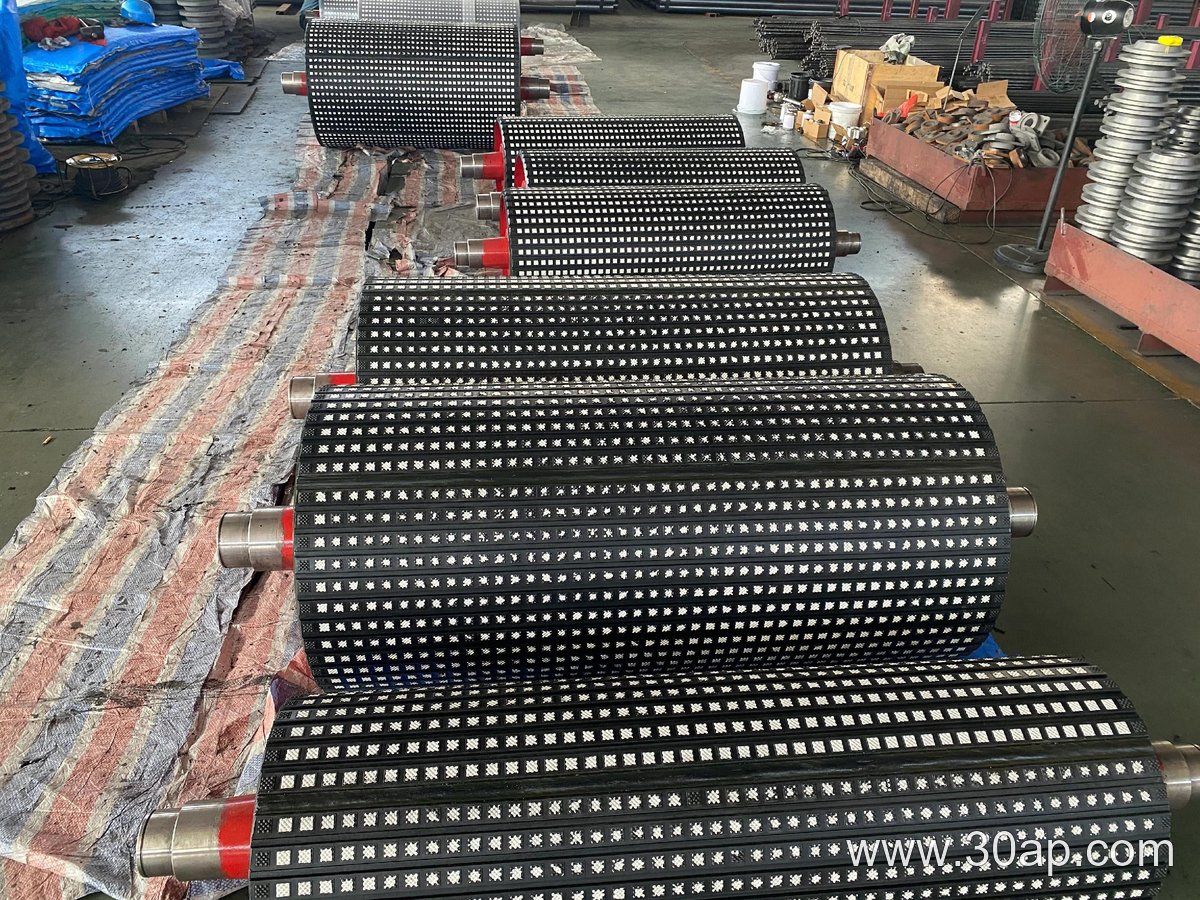
Rubber thickness is often 8, 10, 12, 15, or 20 mm. Thicker layers last longer under high abrasion but can affect pulley diameter and belt wrap. The shell face width is usually wider than the belt itself. For instance, a B800 belt may run on a pulley face around 950 mm, while a B1200 belt may use a face near 1400 mm. These are common references, not fixed rules. The actual diameter and shaft size are determined by torque, belt tension, and load, not by belt width alone.
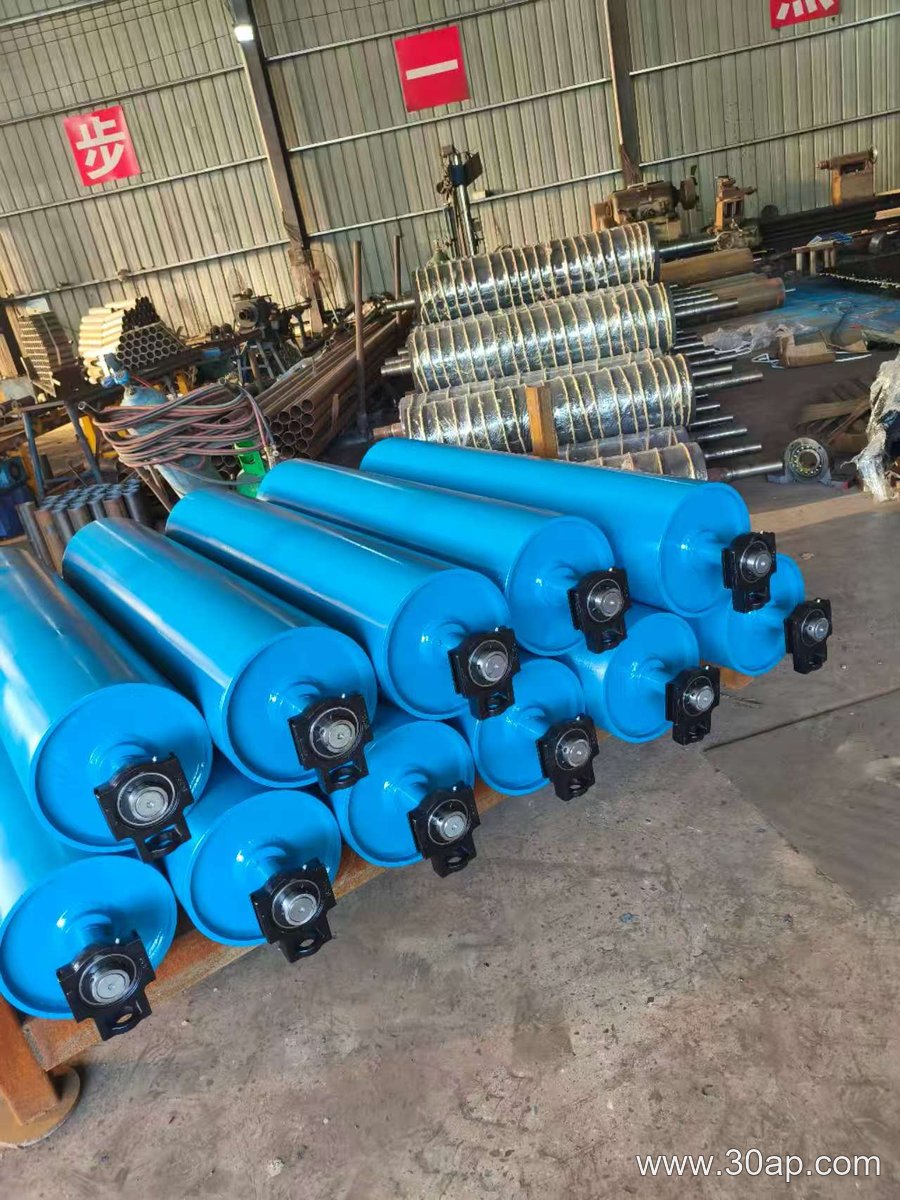
Where It Fits in the Conveyor System
A rubber lagged pulley is most often used as a drive pulley or head pulley, where it must transfer power to the belt. It can also appear as a tail pulley, bend pulley, or take-up pulley when extra grip or wear protection is needed. These positions are not interchangeable: a drive pulley handles torque, a tail pulley guides the belt at the loading end, and a bend pulley changes belt direction. A plain steel pulley may be sufficient for light-duty, dry applications, but a rubber lagged version is preferred when slipping, moisture, or abrasive dust is a concern.
In a typical aggregate or mining conveyor, the rubber lagged drive pulley works with a gearbox, conveyor belt, and a series of idler rollers. The lagging helps prevent belt slip during start-up, when torque demand is highest.
Common Dimensions and Surface Options
The table below lists typical reference values. They are not universal specifications and should be confirmed against the actual conveyor design.
| Parameter | Common Reference Values |
|---|---|
| Belt width (B) | B400, B500, B650, B800, B1000, B1200, B1400, B1600, B1800, B2000 |
| Pulley diameter (Ø) | Ø200, Ø250, Ø315, Ø400, Ø500, Ø630, Ø800, Ø1000, Ø1250, Ø1400 |
| Rubber thickness | 8, 10, 12, 15, 20 mm |
| Surface pattern | Plain, diamond, herringbone, ceramic, cold-bonded, hot-vulcanized |
| Shaft diameter (Ø) | Ø50, Ø60, Ø70, Ø80, Ø90, Ø100, Ø120, Ø140, Ø160, Ø180, Ø200 |
| Face width examples | B400 ≈ 500 mm; B500 ≈ 600 mm; B650 ≈ 750 mm; B800 ≈ 950 mm; B1000 ≈ 1150 mm; B1200 ≈ 1400 mm; B1400 ≈ 1600 mm |
Combinations such as B1200 × Ø1000, B800 × Ø500, or B1400 × Ø800 are possible, but a given belt width can match more than one diameter. Shaft diameter depends on torque and bearing load, not on belt width alone.
What Buyers Should Check Before Ordering
- Position and duty: Confirm whether the pulley is for drive, tail, bend, or take-up service. The required lagging and shaft strength differ.
- Belt width and pulley face: Match the face width to the belt, allowing for tracking and edge clearance.
- Rubber type and thickness: Choose plain, diamond, herringbone, or ceramic lagging based on material moisture and abrasiveness.
- Diameter and shaft: Provide belt tension, torque, and speed so the supplier can calculate the correct combination.
- Balancing and runout: A lagged pulley should be balanced and concentric to avoid vibration and premature belt wear.
- Environmental conditions: In coal preparation, cement, or port dust, consider wear-resistant rubber and sealed bearings.
Because a belt conveyor rubber lagged pulley directly affects belt life and drive efficiency, it pays to specify it as part of the whole conveyor system, together with the belt, idler rollers, and brackets. The right lagging grade and dimensions will reduce downtime and keep material moving.