What a Copper Ore Conveyor Belt Is
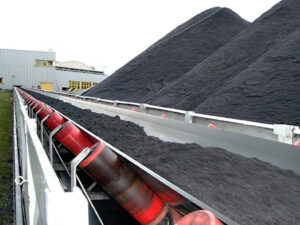
A copper ore conveyor belt is the load-carrying component in a bulk handling system that moves crushed or run-of-mine copper ore from the pit, stockpile, or crushing station to the next stage of processing. Because copper ore is heavy, abrasive, and often delivered in large lump sizes, the belt must combine high tensile strength with a wear-resistant cover. In practice, the same belt can be described as a heavy-duty rubber conveyor belt for copper ore, and this equivalent name refers to the same product rather than a different item.
Mines, coal preparation plants, cement works, power stations, and sand and gravel yards all use similar belting concepts, but copper ore duty usually places more emphasis on impact resistance and abrasion resistance than on fine material handling.
Construction and Common Specifications
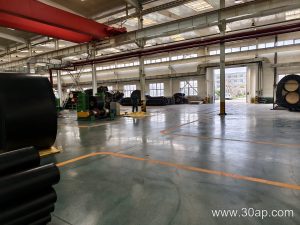
The belt is built around a carcass that carries the tension, covered on both sides by rubber or PVC compounds. Common carcass types include EP fabric, NN nylon, and steel cord. The cover grade is selected for the duty: abrasion-resistant, heat-resistant, oil-resistant, flame-retardant, anti-static, cold-resistant, or acid and alkali resistant. Surface forms such as patterned, chevron, and corrugated sidewall belts are used where the incline or material control requires them.
Reference values below are typical ranges, not fixed supply promises. Actual selection depends on the conveyor design, ore lump size, drop height, and operating environment.
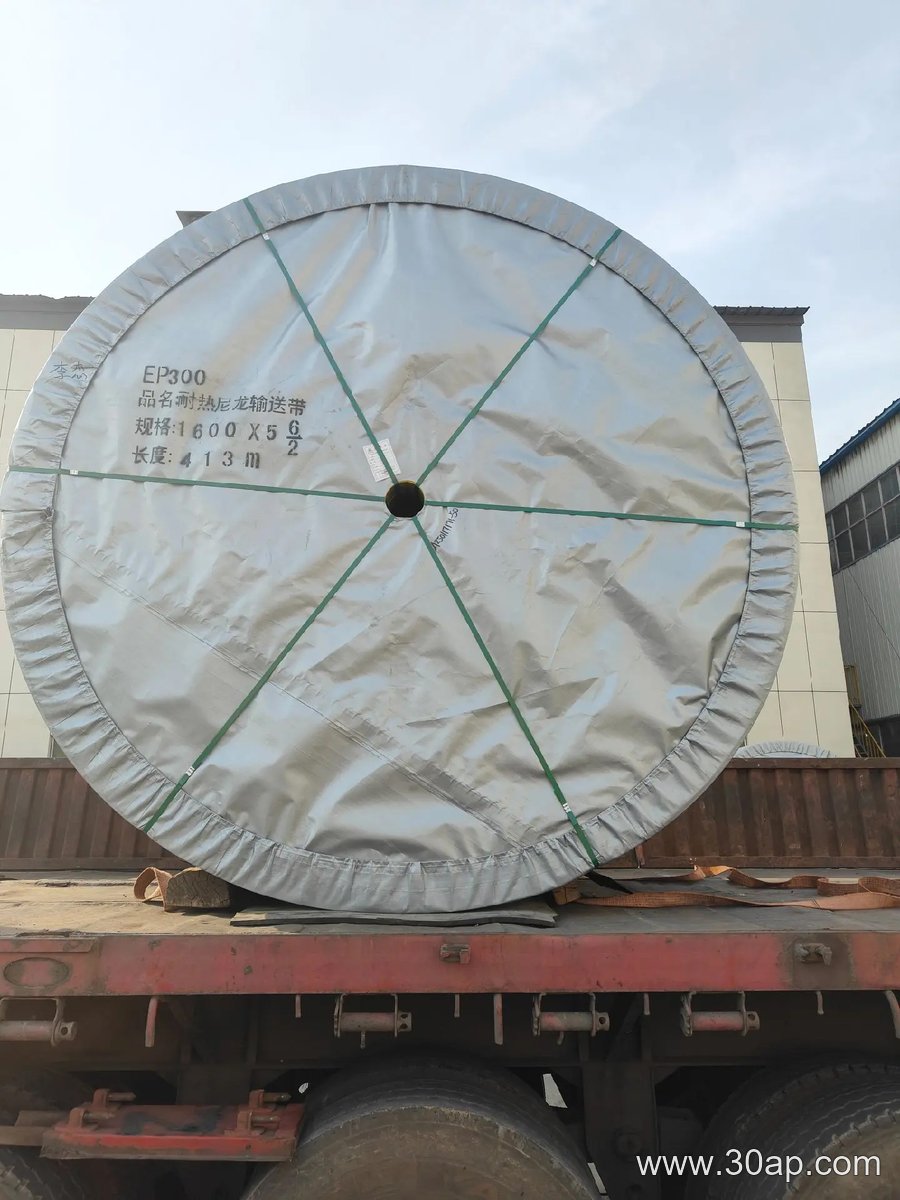
| Parameter | Common reference values |
|---|---|
| Belt type | EP, NN nylon, steel cord, PVC, PVG |
| Tensile strength | EP200, EP315, EP400, EP500, EP630, EP800, EP1000, EP1250, EP1600, EP2000 |
| Belt width | B500, B650, B800, B1000, B1200, B1400, B1600, B1800, B2000 |
| Cover thickness | 3+1.5, 4+2, 5+2, 6+2, 8+3 mm |
| Carcass plies | Usually 2 to 6 layers |
No single belt width is tied to one pulley diameter, and shaft size is determined by the conveyor design rather than by belt width alone.
Where It Works in the Copper Flow
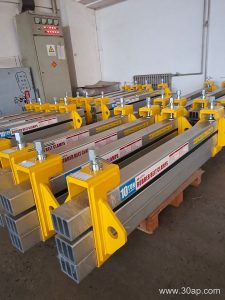
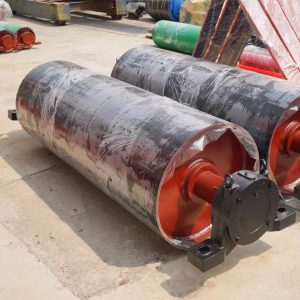
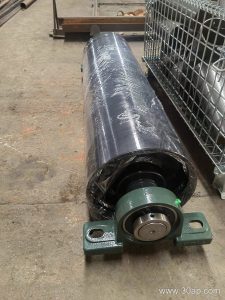
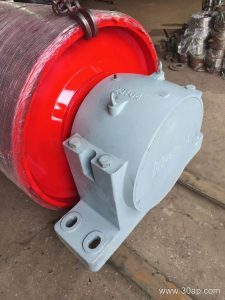
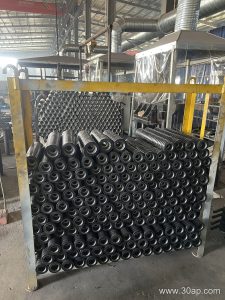
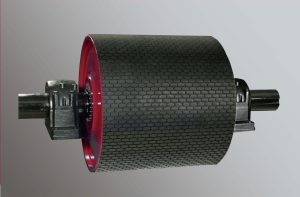
Copper ore handling often starts with a primary crusher and then a series of conveyors that feed stockpiles, mills, or leach pads. The belt works with a conveyor pulley at the head and tail, idler rollers that support the load, and a conveyor bracket that holds the idlers and pulleys in alignment. Drive, tail, and bend pulleys each have a distinct role and are not interchangeable names.
- Mine and pit haulage to the crushing station
- Crushed ore transfer to the grinding circuit
- Stockpile and reclaim conveyors
- Overland transport to the processing plant
- Load-out to trucks, rail, or ship
In a coal mine, cement plant, power station, or sand and gravel yard, the same belt family may appear, but copper ore usually calls for a stronger carcass and a thicker cover.
Selection Points for Buyers
Start with the material data: maximum lump size, bulk density, moisture, temperature, and chemical exposure. Then confirm the required tensile strength and belt width against the conveyor capacity and the troughing angle. A heavily abrasive copper ore may justify a thicker top cover, while a hot concentrate stream may require a heat-resistant grade.
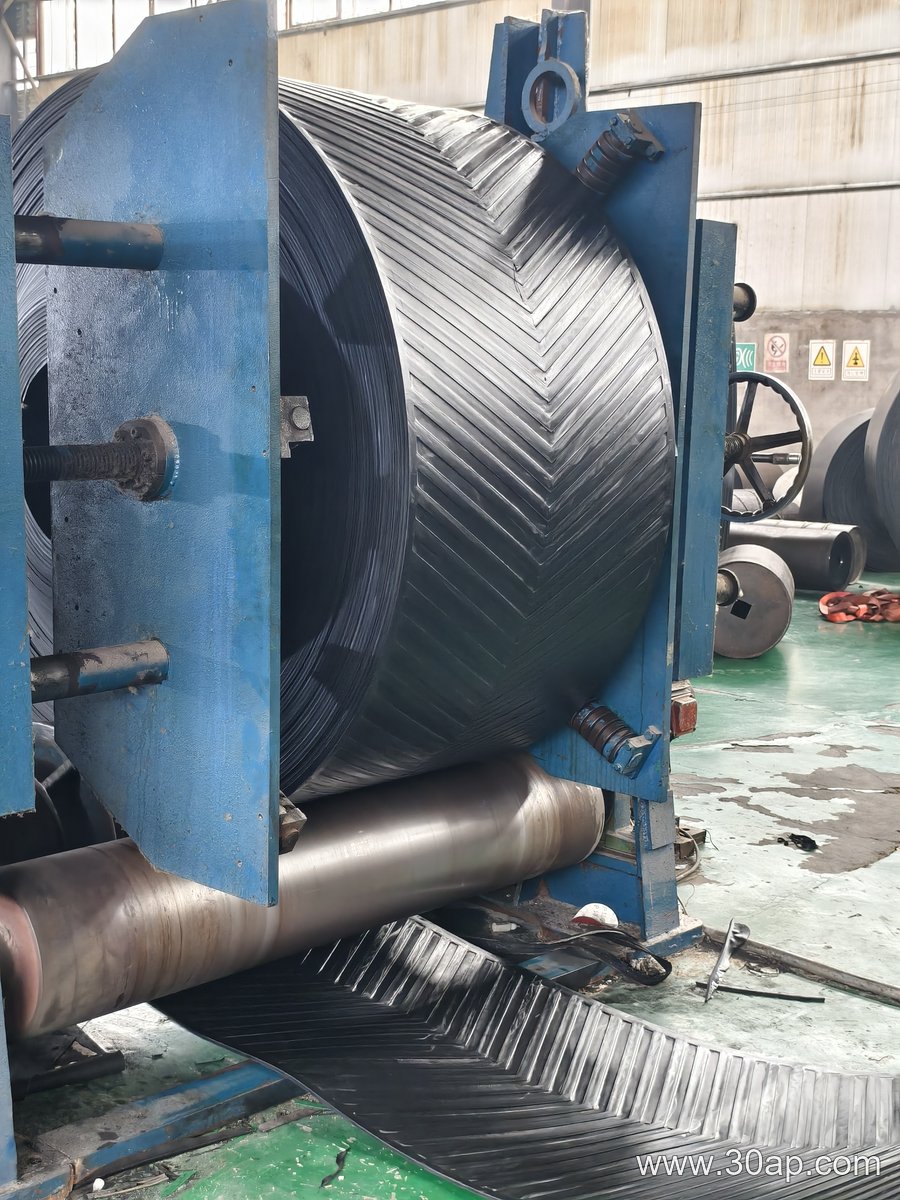
Check the pulley and idler arrangement as a system. Pulley lagging, idler spacing, and the transition distance from the tail pulley all affect belt life. A conveyor belt that is correctly matched to the drive and take-up will track better and resist edge damage.
For steep inclines, a chevron or corrugated sidewall belt can prevent material rollback, but it should not be treated as a direct replacement for a standard smooth belt on flat or gently inclined runs. Where oil or chemicals are present, select a cover compound that suits the actual exposure rather than assuming a general-purpose rubber will last.
Installation and Maintenance Notes
Correct splicing is critical. Mechanical fasteners may suit short or temporary runs, while vulcanized splicing is common for permanent, high-tension installations. After installation, align the conveyor pulley and idler roller frames so the belt runs centered. Inspect the cover for cuts, gouges, and edge wear, and check the carcass for exposed fabric or cord.
- Keep the belt cleaner and return idlers working.
- Watch for material buildup on the tail pulley.
- Re-tension take-up units as the belt settles.
- Record cover wear to plan replacement before failure.
A copper ore conveyor belt is a wear part and a structural part at the same time. Matching the belt type, strength, width, and cover to the actual ore and conveyor layout is the most reliable way to control downtime in a mining, cement, power, or aggregate operation.