What a High-Capacity Trough Idler Does on a Belt Conveyor
A high-capacity trough idler is the load-bearing roller assembly that supports the conveyor belt and the material on it, shaped so the belt forms a trough. In a quarry, a coal washing plant, or a cement kiln feed line, this idler must carry a heavy belt load without excessive deflection, heat build-up, or premature bearing failure. The trough angle holds the material centered, especially when the conveyor belt is running at high speed or handling lumpy ore. Unlike a drive pulley or tail pulley, the trough idler does not transmit power; it only carries the belt and guides its profile.
Construction Details That Matter
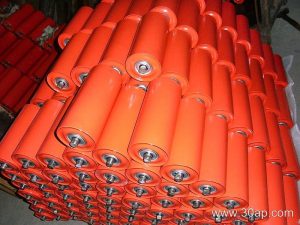
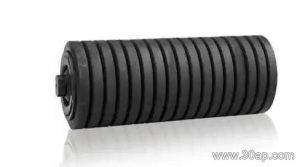
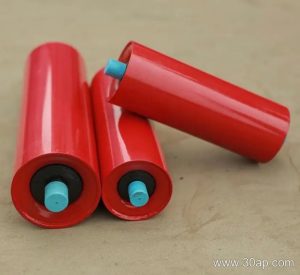
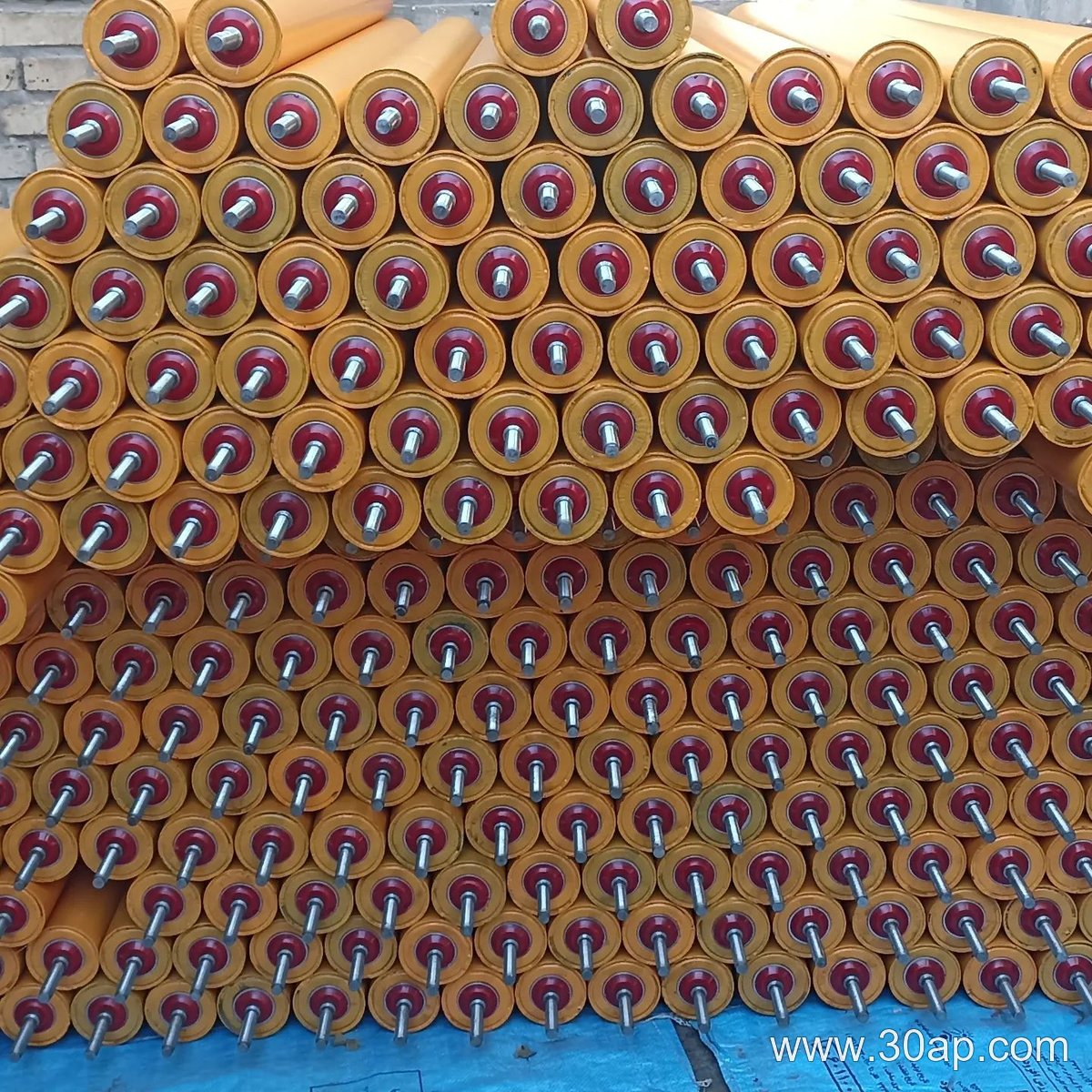
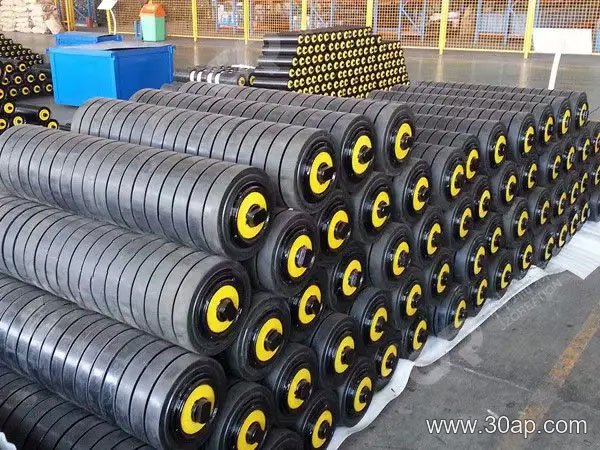
A typical high-capacity trough idler is built as a three-roll set, though two-roll and single-roll versions exist for narrower belts. The roller shell is usually steel tube, but nylon, ceramic, and rubber disc surfaces are also used when abrasion or impact is severe. Common roller diameters include Ø89, Ø108, Ø127, Ø133, Ø159, Ø178, and Ø194 mm, depending on belt width and load. Bearings such as 6204, 6205, 6305, 6306, 6308, and 6310 are pressed into the end caps, and the seal arrangement — often a labyrinth or felt seal — determines how well the idler survives dust and water ingress.
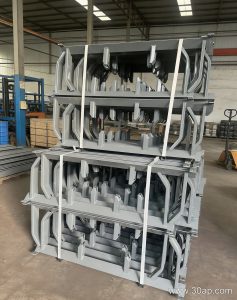
The shaft is fixed to a conveyor bracket, and the trough angle is set by the bracket geometry. Standard trough angles are 20, 30, 35, and 45 degrees. A transition idler may be placed near the head or tail pulley to gradually change the belt from flat to troughed, reducing edge stress. For impact zones under a crusher or transfer chute, a rubber-disc impact idler is often used instead of a standard trough idler; this is a related subtype, not a replacement for the main subject.
Where High-Capacity Trough Idlers Are Used
These idlers appear in bulk material handling where tonnage is high and downtime is expensive. In an iron ore mine, a high-capacity trough idler carries the conveyor belt through the primary crushing circuit. In a coal-fired power plant, the same idler type supports the coal feed on the stockyard conveyor. Other common sites include limestone quarries, sand and gravel pits, copper concentrators, and fertilizer plants. The trough angle is chosen to match the material’s angle of repose; a 35-degree trough is common for aggregate, while a 45-degree trough may be used for fine, dry material that tends to spill.
Common Sizes and How They Relate to Belt Width
Roller length is not a fixed match to belt width, but typical examples help a buyer understand the range. For a three-roll trough idler, the side roller length often falls in these general ranges:
| Belt Width | Typical Roller Length (side roll) | Common Roller Diameter |
|---|---|---|
| B500 | about 200 mm | Ø63 to Ø89 mm |
| B650 | about 250 mm | Ø76 to Ø108 mm |
| B800 | about 315 mm | Ø89 to Ø133 mm |
| B1000 | about 380 mm | Ø108 to Ø159 mm |
| B1200 | about 465 mm | Ø127 to Ø178 mm |
| B1400 | about 530 mm | Ø133 to Ø194 mm |
These are reference values only. The actual shaft diameter, bearing size, and roller length are determined by the conveyor design, belt speed, and material load. A high-capacity trough idler for a B1800 or B2000 belt may use a larger roller diameter and a heavier bracket. Do not assume one belt width can only use one pulley diameter or one shaft size.
Selection and Maintenance Notes for Buyers
When choosing a high-capacity trough idler, match the roller diameter and bearing to the load and speed. A larger diameter reduces rotational speed and bearing wear, but adds weight and cost. The seal type matters in dusty or wet conditions; a labyrinth seal is often preferred in cement and coal handling. Check the trough angle against the material’s characteristics — too shallow and the belt may spill, too steep and the belt may fold or wear unevenly. Also confirm that the idler bracket matches the existing conveyor frame. During maintenance, inspect for seized rollers, worn shells, and damaged seals; replace any idler that does not turn freely. Remember that a trough idler is not a drive pulley or a bend pulley, so it should never be used to transmit torque.
For reliable operation, keep a small stock of spare idlers and brackets on site. In a sand and gravel line or a tunnel muck conveyor, a failed trough idler can stop the whole belt, so quick replacement is practical. Always follow the conveyor manufacturer’s specification for roller diameter, bearing, and trough angle, and treat any catalog size as a starting point rather than a fixed rule.