What a Heavy-Duty Mining Conveyor Belt Is
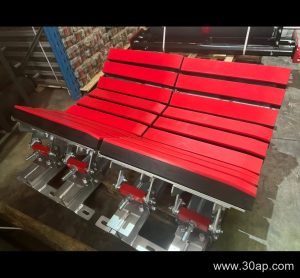
A heavy-duty mining conveyor belt is the load-carrying component in bulk material handling systems used across mines, coal preparation plants, cement works, power stations, and sand and gravel yards. It moves crushed ore, coal, clinker, limestone, and aggregate over long distances and steep inclines. Unlike a general-purpose belt, this class of belt is built to resist impact at the loading point, abrasion from sharp rock, and continuous tensile stress from the drive system.
The same product is often called a high-tension mining conveyor belt or a heavy mining belt. These are accurate equivalent names for the same item, not different products.
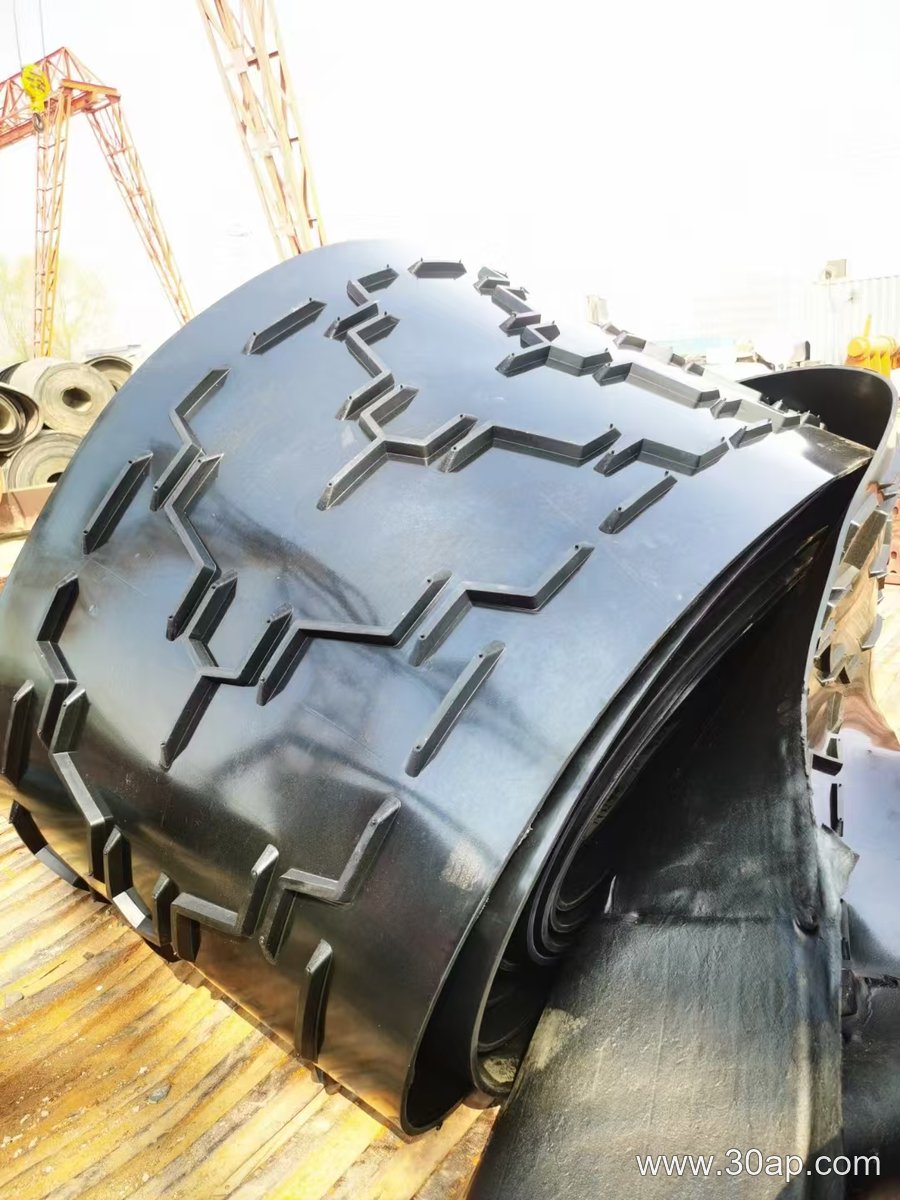
Construction and Material Layers
The belt body usually combines a carcass and rubber covers. The carcass provides strength and elongation control, while the covers protect the carcass from wear, heat, oil, or fire risk depending on the site.
Carcass Types
- EP conveyor belt: polyester warp and nylon weft, common for general mining duty.
- NN nylon conveyor belt: nylon warp and weft, good for impact and flex fatigue.
- Steel cord conveyor belt: steel wire ropes embedded in rubber, used for very long hauls and high tension.
- PVC or PVG belt: solid-woven fabric with PVC or PVG covers, often chosen for underground coal where flame resistance is required.
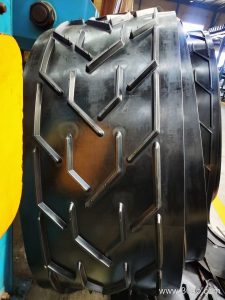
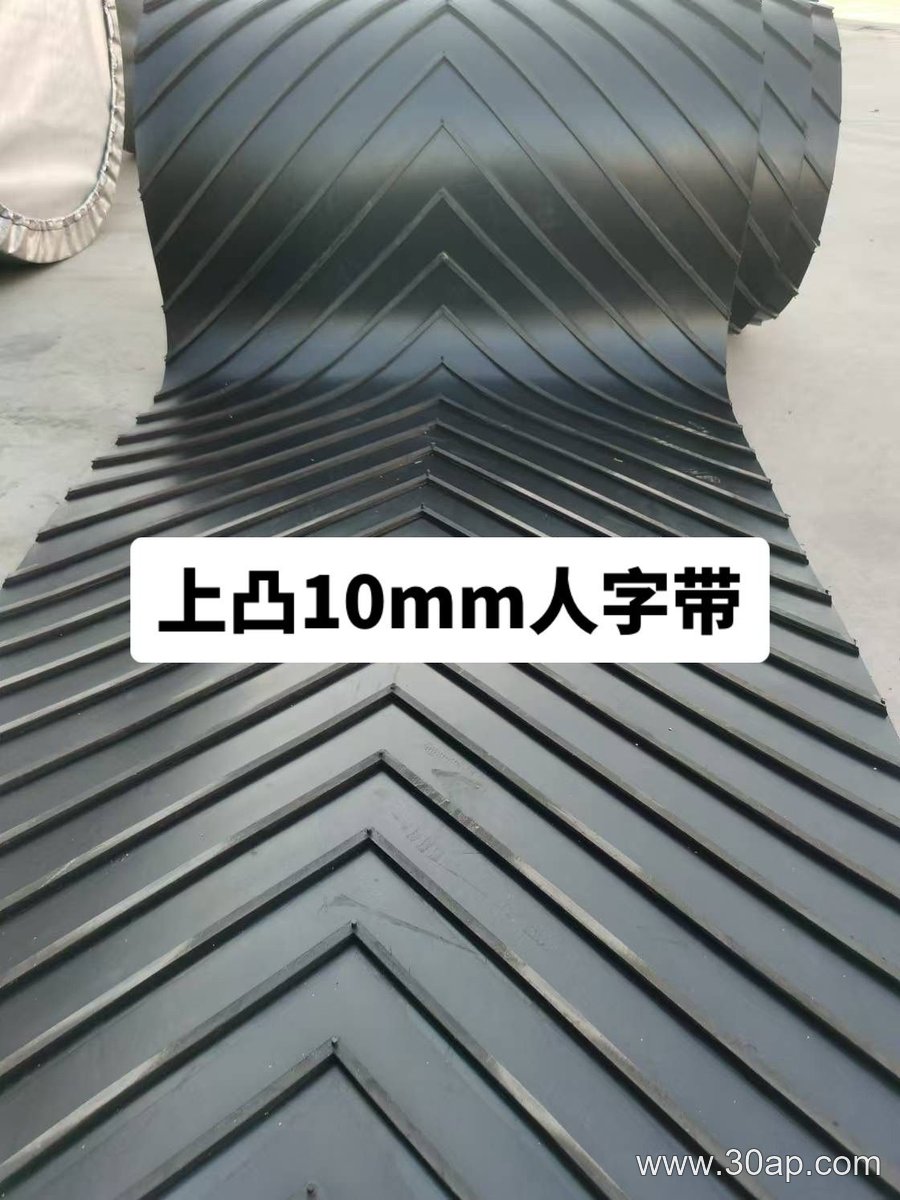
Special covers include abrasion-resistant, heat-resistant, oil-resistant, flame-retardant, antistatic, cold-resistant, acid and alkali resistant, chevron or profile, and corrugated sidewall forms. Each cover addresses a specific operating condition rather than replacing the base product.
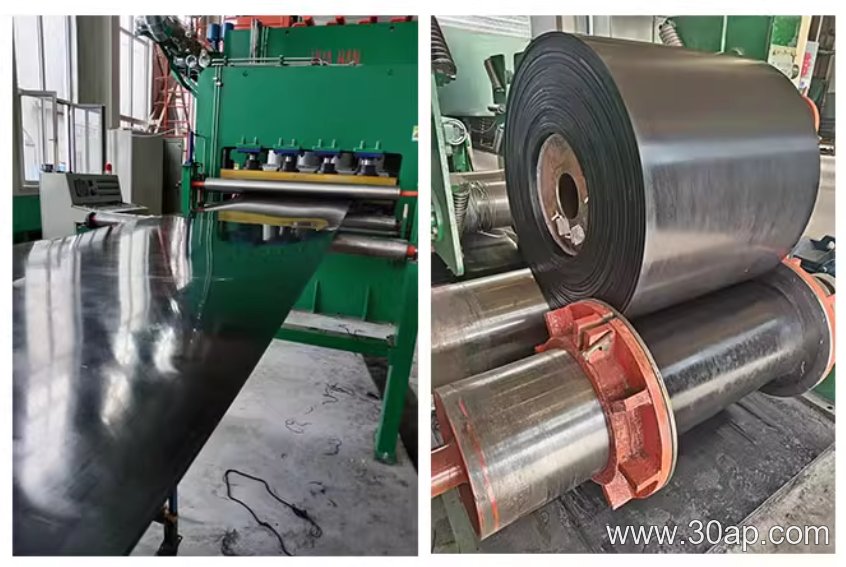
Cover Thickness Examples
Cover grade is often written as top cover plus bottom cover thickness. Common combinations include 3+1.5 mm, 4+2 mm, 5+2 mm, 6+2 mm, and 8+3 mm. The carcass may have 2 to 6 plies in fabric belts. These values are reference data; actual selection follows the belt tension, lump size, and troughing design.
Where It Is Used
Heavy-duty belts appear in primary crushing circuits, overland conveyors, stockyard stacking lines, and underground coal transport. In a cement plant, a belt may feed raw mill or clinker cooler. In a power station, it handles coal from the yard to the bunker. In a sand and gravel plant, it carries screened aggregate to stockpiles.
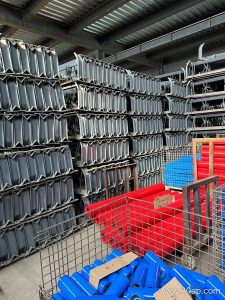
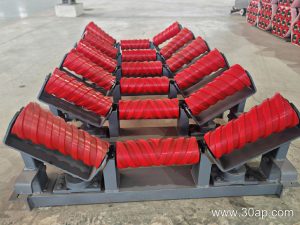
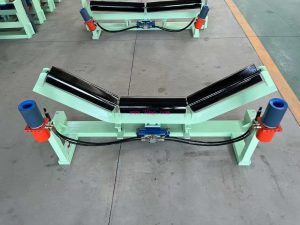
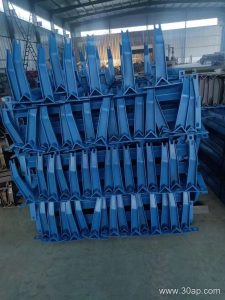
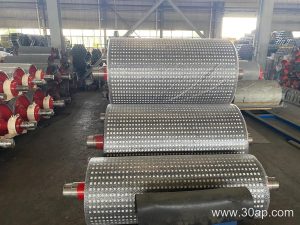
Supporting components matter. A conveyor pulley at the head, tail, or bend point changes belt direction and applies tension. Idler rollers support the belt and shape the trough. A conveyor bracket holds the idler frame in alignment. Drive, tail, and bend pulleys are not interchangeable names; each performs a distinct function in the conveyor layout.
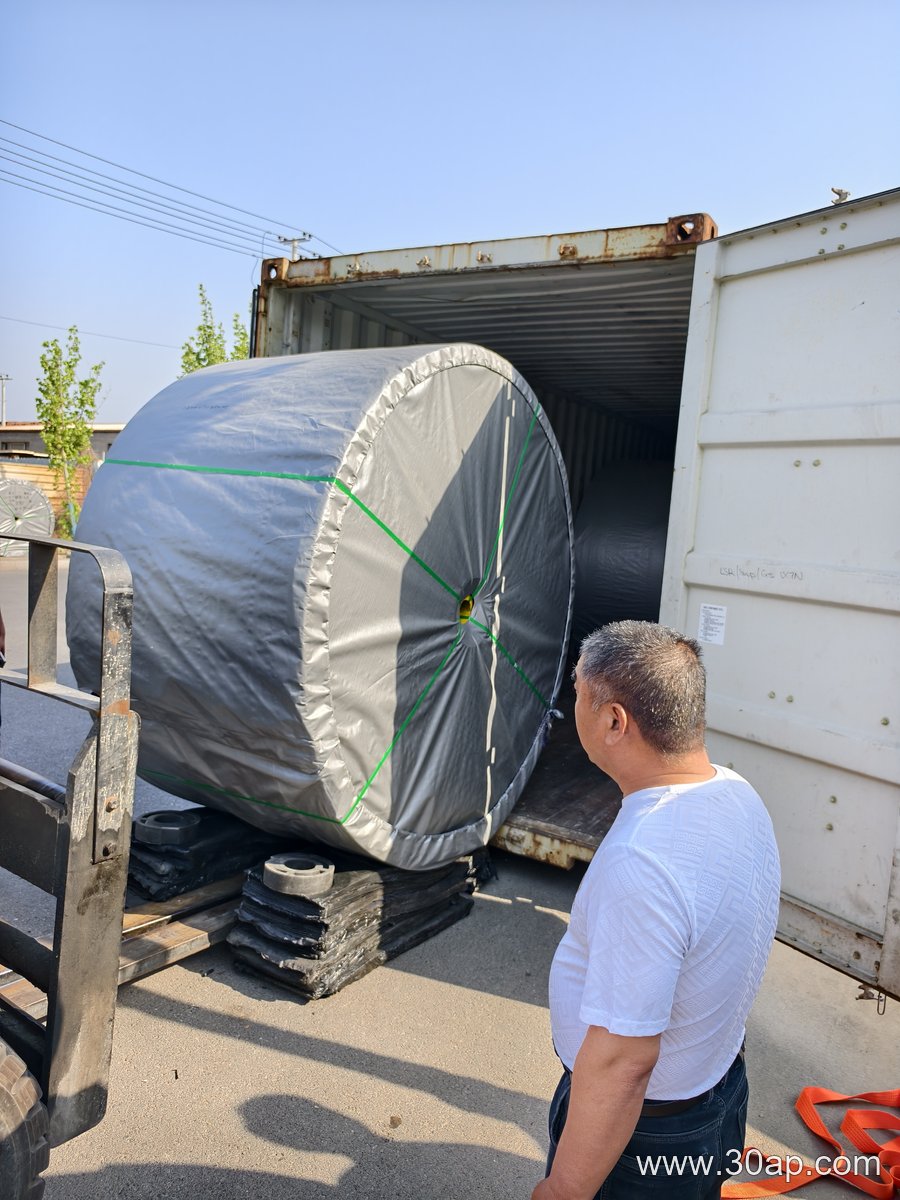
Key Specifications a Buyer Should Check
When specifying a heavy-duty mining conveyor belt, confirm the following with the supplier. Values below are common reference points, not universal guarantees.
Belt Width and Strength
- Width: B500, B650, B800, B1000, B1200, B1400, B1600, B1800, B2000.
- Fabric belt strength: EP200, EP315, EP400, EP500, EP630, EP800, EP1000, EP1250, EP1600, EP2000.
- Steel cord belt strength is usually quoted by full-thickness breaking strength, not by EP grade.
Belt width and pulley diameter are matched by conveyor design, not by a fixed rule. One belt width can run on different pulley diameters depending on tension and space. A shaft diameter cannot be derived from belt width alone; it comes from torque, bending load, and bearing selection.
Operating Conditions
- Material lump size and drop height at the loading point.
- Belt speed and incline angle.
- Ambient temperature and presence of oil, chemicals, or fire risk.
- Top and bottom cover thickness needed for wear life.
Installation and Maintenance Notes
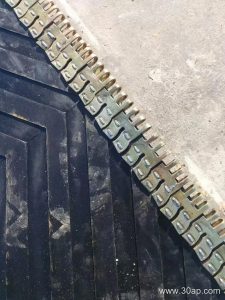
Correct alignment of the conveyor pulley, idler roller, and conveyor bracket reduces edge damage and belt mistracking. Keep the loading chute centered so material lands in the middle of the belt. Inspect splices, cover wear, and carcass condition at regular intervals. A belt that runs straight and is not overloaded at the transfer point will usually deliver longer service in mining and quarry work.
For any project, share the actual duty, belt width, strength grade, cover thickness, and environmental conditions with the belt maker. The final heavy-duty mining conveyor belt specification should be confirmed against the conveyor design, not copied from a general table.