What a Tail Pulley Assembly Does on a Conveyor
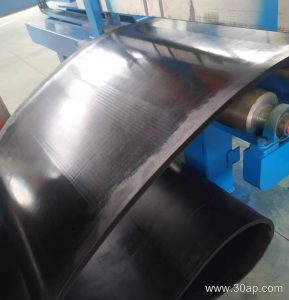
A tail pulley assembly is the return-end package that keeps the conveyor belt tracking, tensioned, and turning smoothly at the back of the conveyor. In a typical bulk handling line, the tail pulley sits opposite the drive pulley. The drive pulley pulls the belt forward, while the tail pulley provides a rotating return point. It is not a drive pulley by function, and it is not a bend pulley by position. Those are different roles, even if they look similar.
This assembly is common in coal mines, cement plants, power plant coal handling, sand and gravel lines, and port bulk terminals. A quarry or crushing circuit often relies on it to keep the return strand stable under constant load.
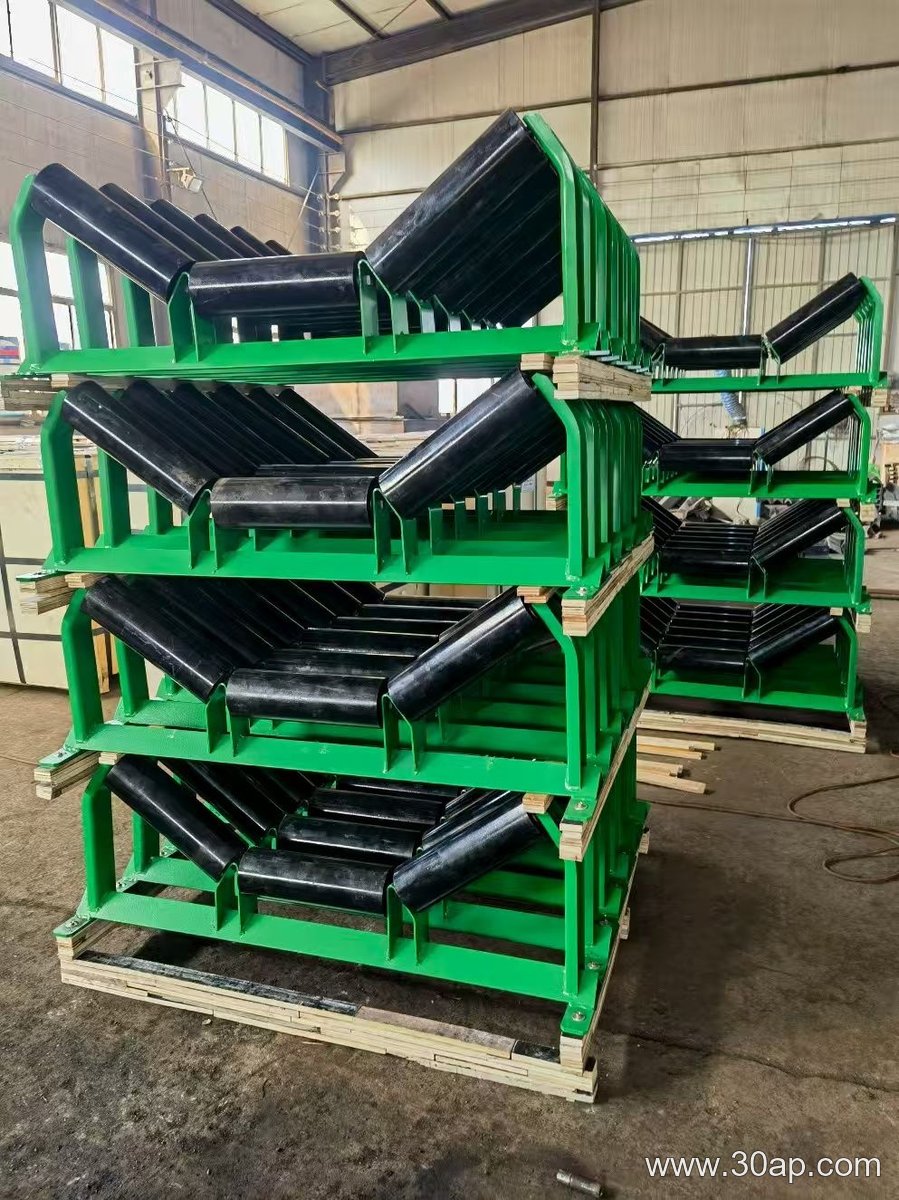
How a Tail Pulley Assembly Is Built
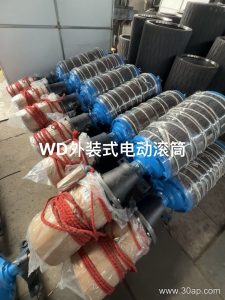
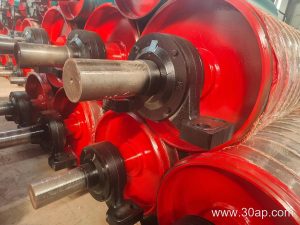
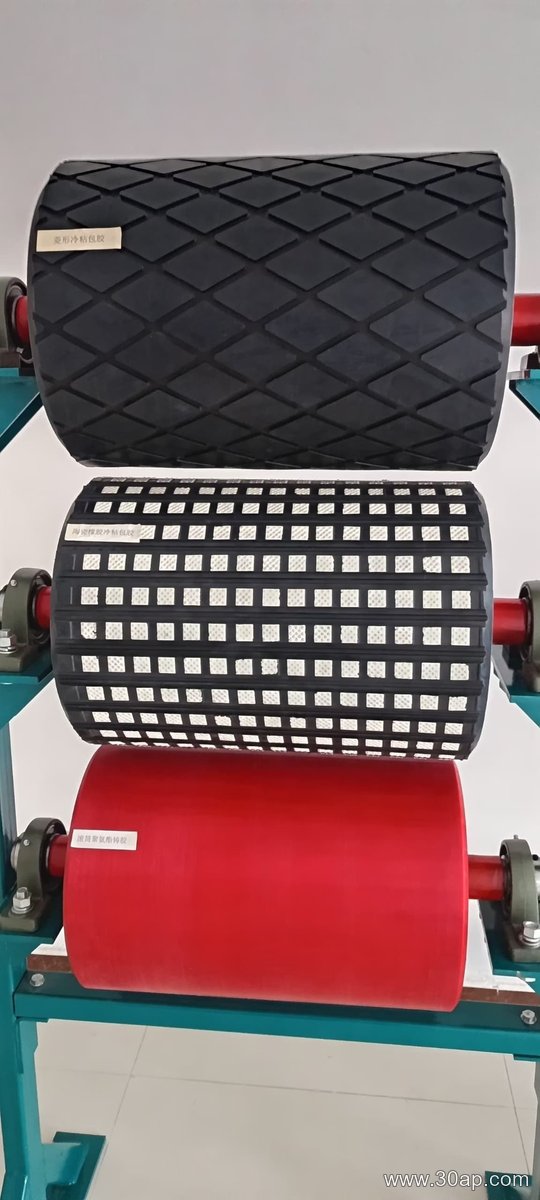
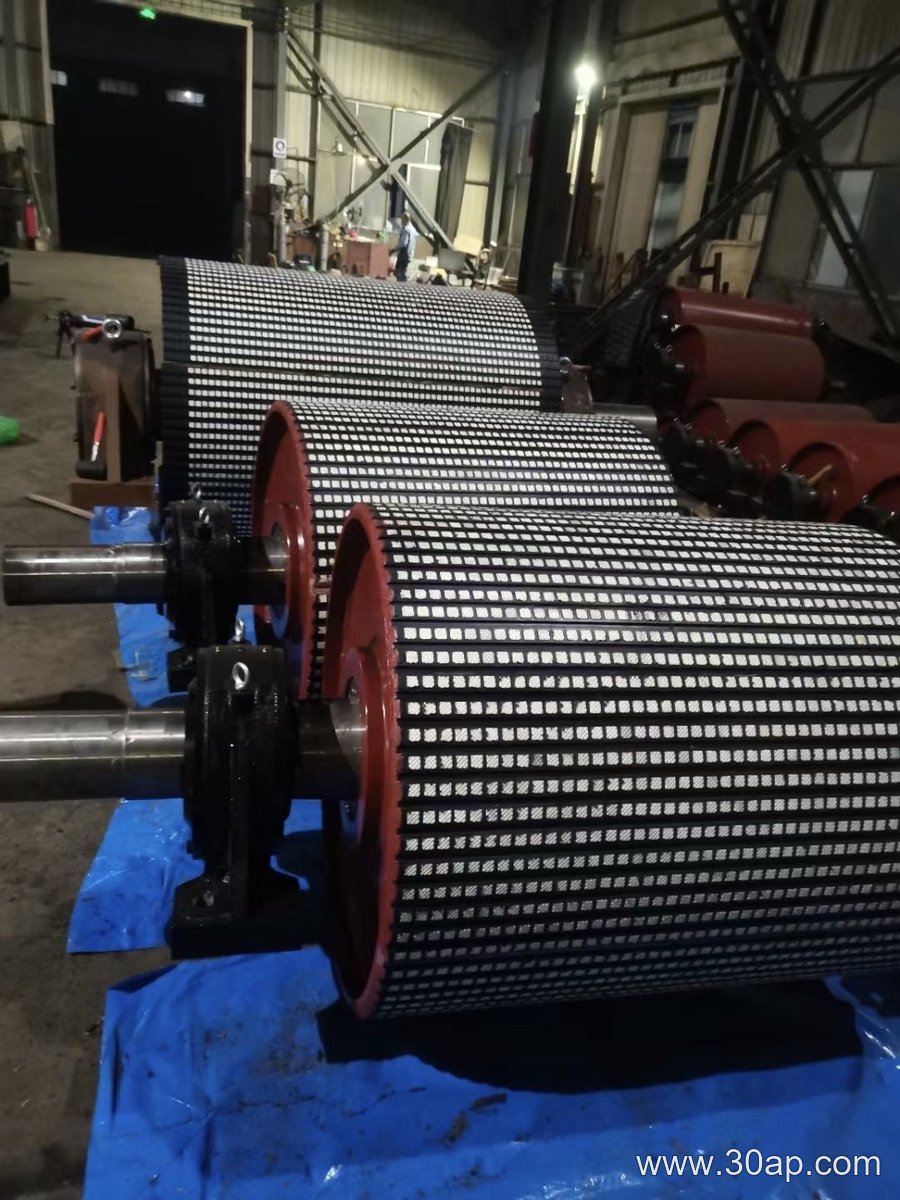
A complete assembly usually includes the pulley shell, shaft, hub, bearing housings, bearing block, and a take-up or tensioning arrangement. The shell can be smooth or covered with rubber lagging. Common surface forms include plain, cold-bonded rubber, hot vulcanized rubber, diamond grooved, herringbone, and ceramic lagging. Lagging thickness often falls in the 8, 10, 12, 15, or 20 mm range, depending on the belt and material.
Bearing selection follows the shaft load and torque, not the belt width alone. A 50 mm shaft may suit a smaller unit, while a 120 mm or 160 mm shaft is more typical for heavy-duty service. The pulley face width is usually wider than the belt. For example, a B800 belt often runs on a face around 950 mm, and a B1200 belt may use a face near 1400 mm. These are reference relationships, not fixed rules.
Where It Fits and Why Position Matters
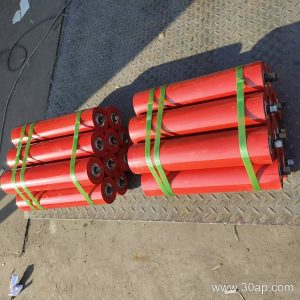
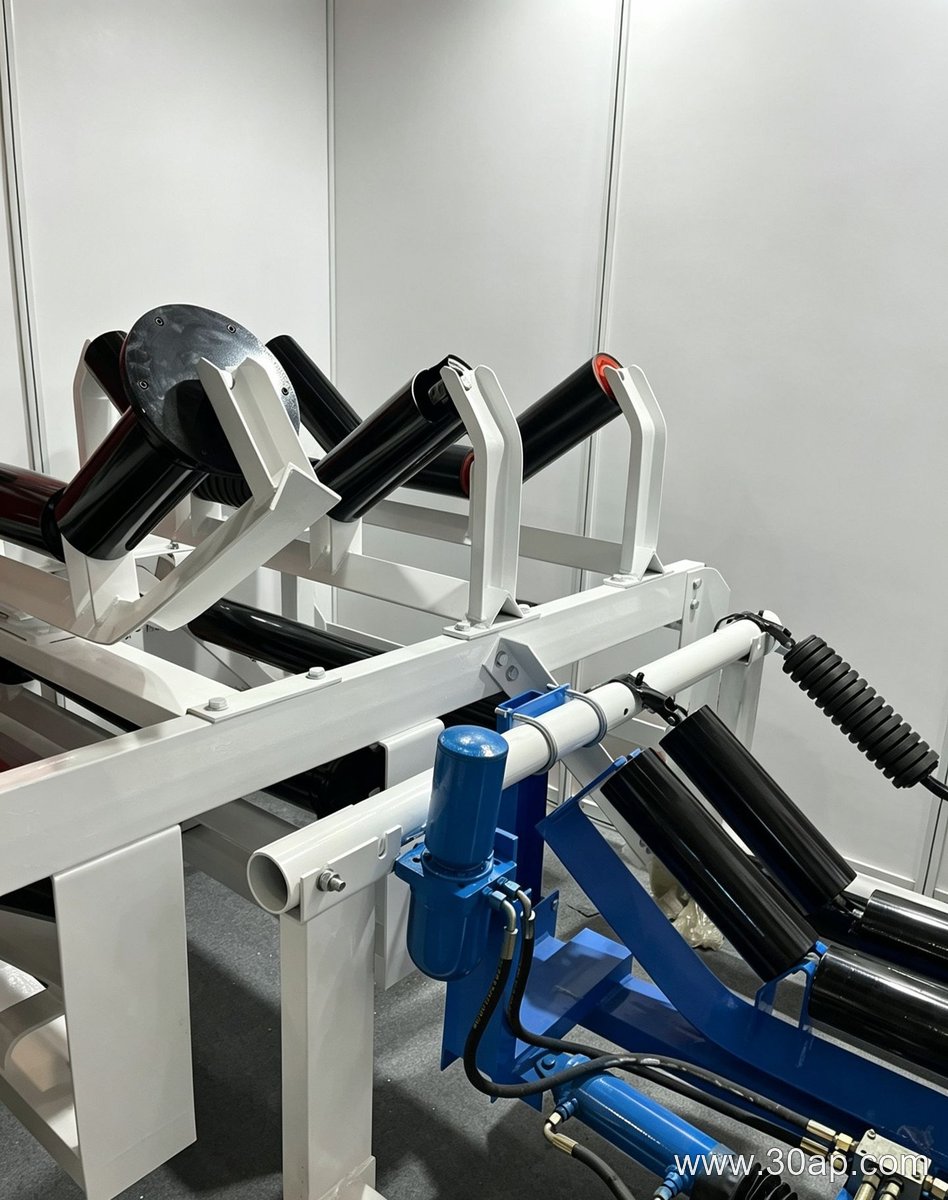
The tail pulley assembly is mounted at the rear of the conveyor frame. It works together with the conveyor belt, idler rollers, and conveyor brackets. If the belt is misaligned at the tail, the whole conveyor can drift. That is why the tail pulley often includes a self-aligning or wing-type option on some designs. However, a wing pulley is not the same as a standard tail pulley. It is a subtype used for specific sticky or high-build-up materials.
In a coal preparation plant or a limestone crushing line, the tail end may see fines, moisture, and occasional impact. A lagged tail pulley can improve grip and reduce slip. In a power plant coal yard, a smooth tail pulley may be preferred where material buildup is low.
Key Parameters Buyers Should Check
When specifying a tail pulley assembly, confirm the belt width, pulley diameter, shaft diameter, face width, lagging type, and bearing type. The table below gives common reference values. Actual selection depends on the conveyor design, torque, and load.
| Belt Width | Typical Pulley Diameter | Typical Face Width | Common Shaft Diameter |
|---|---|---|---|
| B500 | Ø250 – Ø400 | 600 mm | Ø50 – Ø80 |
| B650 | Ø315 – Ø500 | 750 mm | Ø60 – Ø100 |
| B800 | Ø400 – Ø630 | 950 mm | Ø80 – Ø120 |
| B1000 | Ø500 – Ø800 | 1150 mm | Ø100 – Ø140 |
| B1200 | Ø630 – Ø1000 | 1400 mm | Ø120 – Ø160 |
| B1400 | Ø800 – Ø1250 | 1600 mm | Ø140 – Ø180 |
| B1600 | Ø1000 – Ø1400 | 1800 mm | Ø160 – Ø200 |
Do not assume one belt width can only match one pulley diameter. The same B1000 conveyor may use a different tail pulley diameter depending on the take-up travel, belt type, and space available.
Installation and Maintenance Notes
Proper alignment at the tail end reduces edge wear and belt tracking problems. Check the bearing blocks and the take-up mechanism regularly. If the tail pulley is lagged, inspect the lagging for wear or glazing. A worn tail pulley can cause slippage and uneven belt travel.
For a reliable tail pulley assembly, match the pulley to the actual load and environment. In a tunnel boring or fertilizer handling line, corrosion resistance and sealing may matter more than raw diameter. In a steel mill sinter line, heat and dust may demand a different bearing arrangement. The right assembly is the one that fits the conveyor, not the one copied from a different site.