What a Single Drive Pulley Does
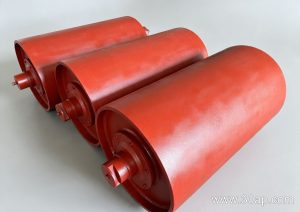
A single drive pulley is the head-end drum that transmits power to the conveyor belt. It is usually the largest and most heavily loaded pulley on the machine. In a quarry, a coal preparation plant, or a cement clinker line, this one component decides how smoothly the belt accelerates, how well it tracks, and how long the belt lasts. Unlike a tail pulley or a bend pulley, which simply redirect or tension the belt, the drive pulley is connected to the gearbox and motor, so it must handle torque as well as belt tension.
The same product is also called a head drive pulley or, in many workshops, simply a drive drum. Those names describe the same function. Do not confuse it with a wing pulley or a snub pulley; those are different subtypes with different jobs.
How It Is Built
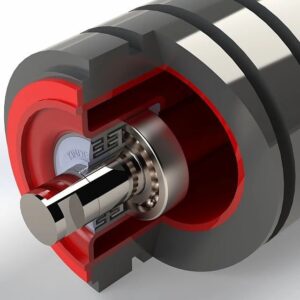
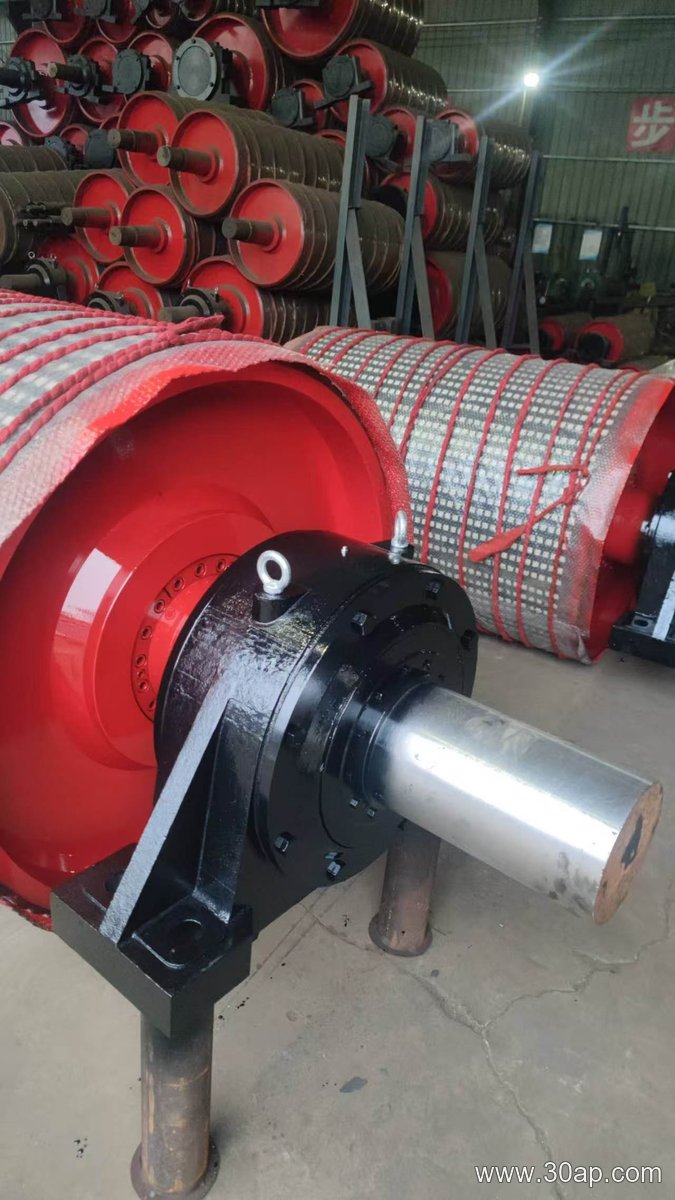
A typical single drive pulley has a cylindrical shell, two end discs, a shaft, and a lagging surface. The shell is usually made from rolled steel plate, machined to keep the outside diameter concentric with the shaft. The shaft is sized by torque and load, not by belt width alone. Common shaft diameters include Ø60, Ø80, Ø100, Ø120, Ø140, Ø160, and Ø180, but the final value depends on the drive calculation.
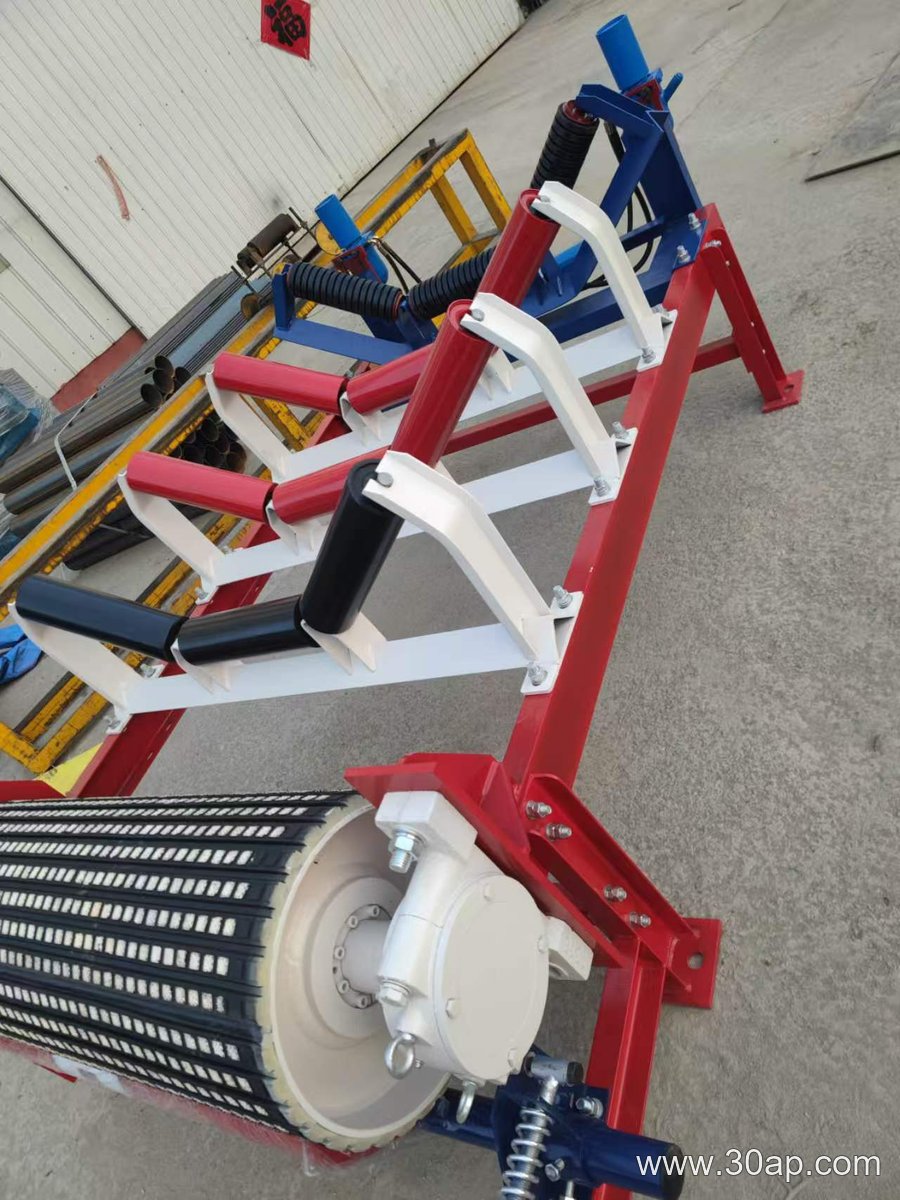
Surface form matters. A bare, smooth shell is called a plain surface. For better grip, the drum may be covered with rubber lagging. Common options are cold-bonded rubber, hot-vulcanized rubber, diamond grooved lagging, herringbone lagging, and ceramic lagging. Lagging thickness is often 8 mm, 10 mm, 12 mm, 15 mm, or 20 mm. In a wet or muddy sand and gravel line, diamond or herringbone grooves help water escape; in a dry cement plant, a plain rubber surface may be enough.
Common Sizes and Combinations
Buyers often start with belt width, then look at pulley diameter. The table below shows typical shell widths and a few diameter examples. These are reference values, not fixed rules. One belt width can work with more than one pulley diameter depending on belt speed, wrap angle, and required tension.
| Belt Width | Typical Shell Width | Example Diameter Range |
|---|---|---|
| B500 | About 600 mm | Ø250 to Ø400 |
| B800 | About 950 mm | Ø400 to Ø630 |
| B1000 | About 1150 mm | Ø500 to Ø800 |
| B1200 | About 1400 mm | Ø630 to Ø1000 |
| B1400 | About 1600 mm | Ø800 to Ø1250 |
| B1600 | About 1800 mm | Ø1000 to Ø1400 |
Typical diameter series include Ø200, Ø250, Ø315, Ø400, Ø500, Ø630, Ø800, Ø1000, Ø1250, Ø1400, Ø1600, and Ø1800. A common combination such as B1200 × Ø1000 or B800 × Ø500 can be seen in many projects, but it is not the only valid match. The pulley diameter is selected from belt tension, wrap angle, and the allowable surface pressure.
Where It Fits in the Conveyor
The single drive pulley sits at the discharge end of a belt conveyor. It pulls the loaded belt and returns the empty side. In a coal-fired power plant, it moves coal from the stockyard to the bunker. In a limestone mine, it carries crushed rock to the screening station. The pulley works together with conveyor idlers, a conveyor bracket, and the belt itself. If the drive pulley is too small, the belt may slip; if it is too large, the gearbox torque may be excessive. A tail pulley or bend pulley on the same conveyor does not drive the belt, so it cannot replace the drive drum.
What a Buyer Should Check
- Confirm the belt width and the required shell width. A B650 belt usually needs a shell around 750 mm, while a B1800 belt may need about 2000 mm.
- Confirm the shaft diameter by torque, not by belt width alone. Do not assume a fixed shaft size from the belt width.
- Choose the lagging surface for the material and weather. Diamond rubber is common in wet gravel; plain rubber is often used in dry cement.
- Check the pulley diameter against the belt tension and wrap angle. A larger diameter reduces belt bending stress but costs more.
- Ask for the balancing grade and runout if the conveyor runs at high speed.
When the drive pulley is selected correctly, the conveyor belt runs straight, the idler roller and conveyor bracket last longer, and the whole system uses less energy. The key is to match the single drive pulley to the actual load, not to a catalogue number alone.