What the EP800 Conveyor Belt Is
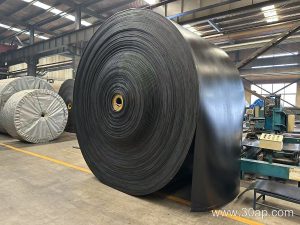
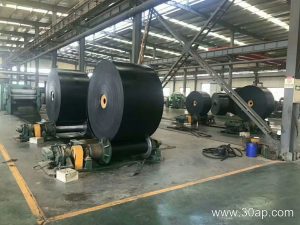
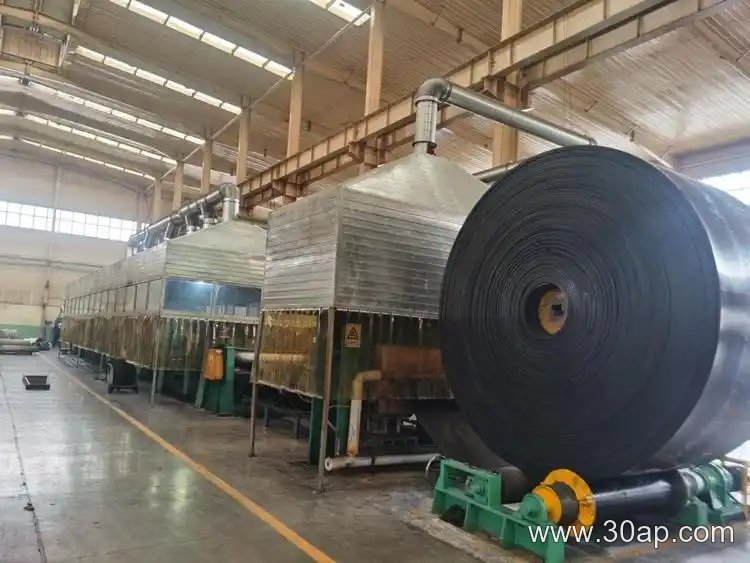
The EP800 conveyor belt is a multi-ply rubber belt built on an EP (polyester warp, polyamide weft) fabric carcass with a nominal tensile strength of 800 N/mm per ply. It sits in the middle of the common EP strength range, above EP630 and below EP1000, which makes it a practical choice for medium to heavy duty conveying in mines, coal preparation plants, cement works, power stations and aggregate yards. In everyday plant language it is often called an EP800 rubber conveyor belt or an 800 N/mm EP belt, but the short name and the full name refer to the same product.
The carcass fabric gives the belt low elongation, good troughability and strong resistance to impact, while the rubber covers protect it from abrasion, moisture and the material being carried.
How the Belt Is Built
An EP800 belt is normally made up of several layers held together by friction and skim rubber. Typical construction details include:
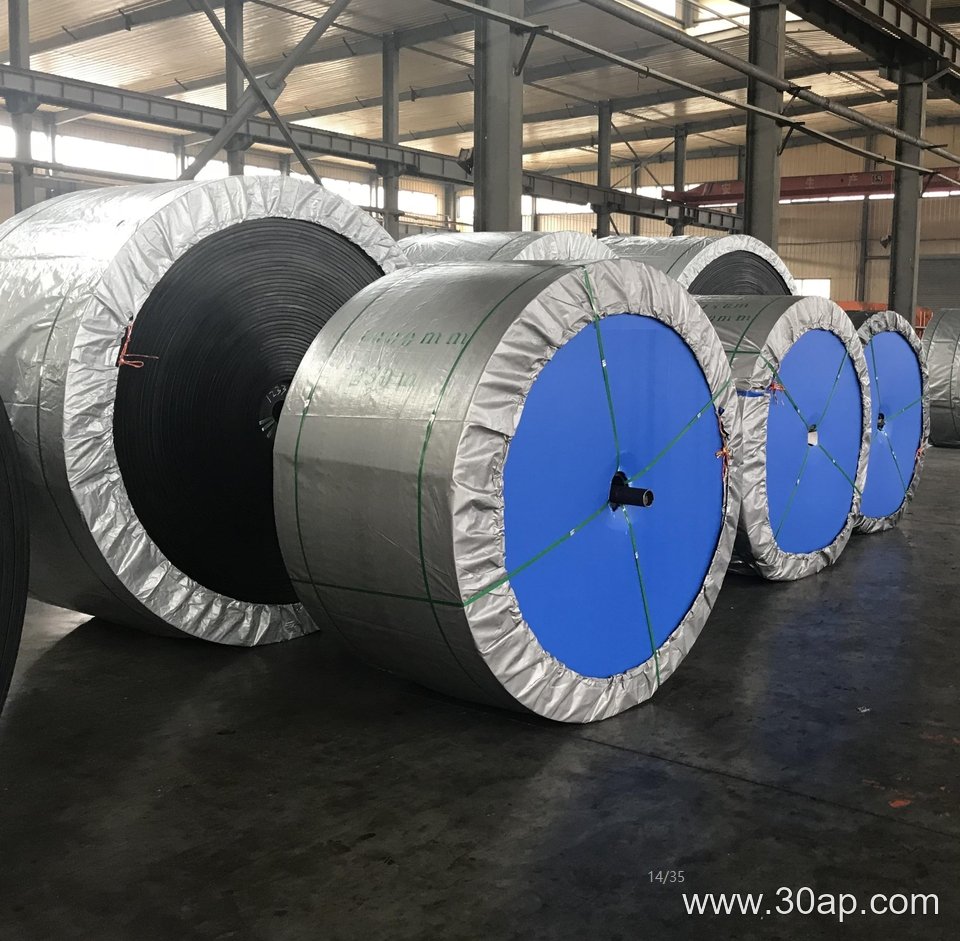
- EP fabric plies, usually 2 to 6 layers depending on the duty and the required safety factor
- Top and bottom cover rubber in grades such as wear resistant, heat resistant, oil resistant, flame retardant, anti-static, cold resistant or acid and alkali resistant
- Cover thickness combinations such as 3+1.5, 4+2, 5+2, 6+2 or 8+3 mm for different abrasion and impact conditions
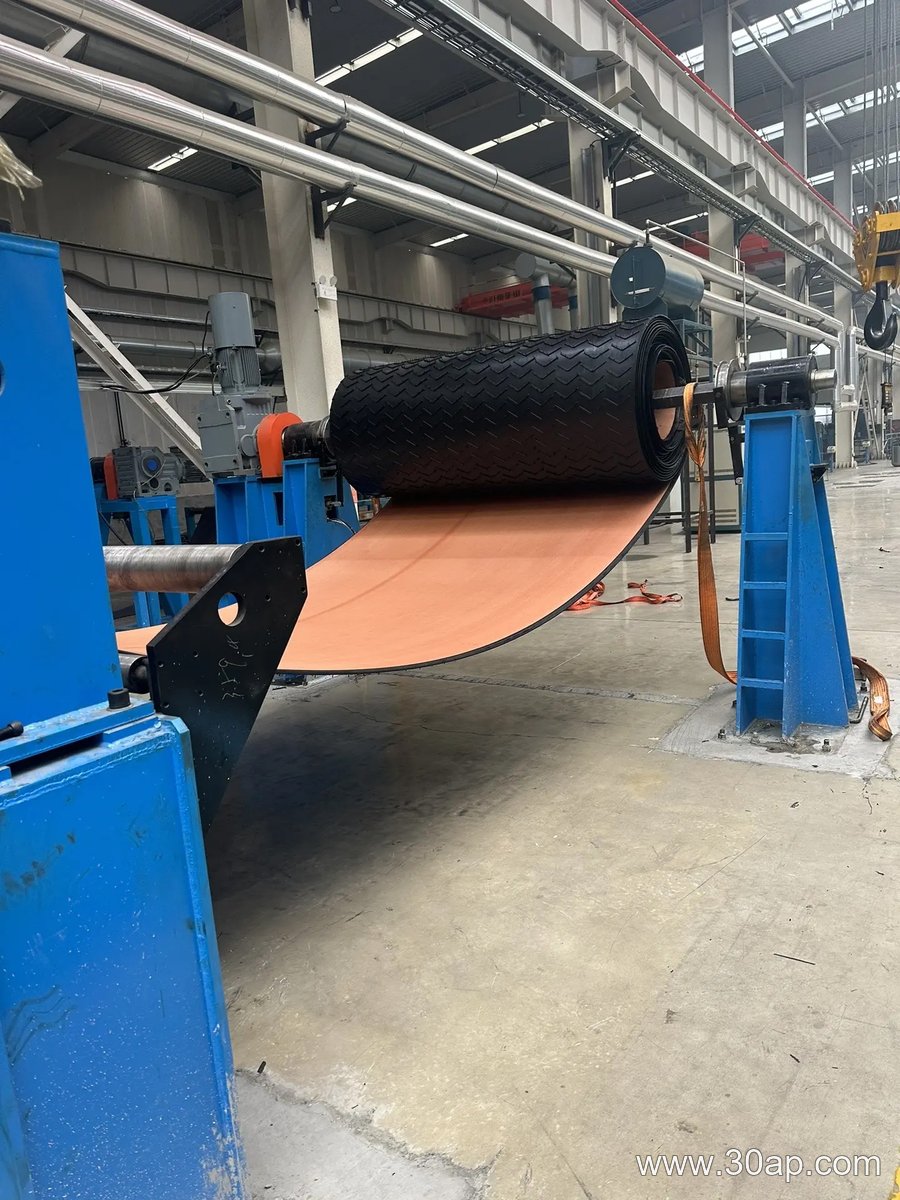
- Optional surface forms including smooth, patterned, chevron and corrugated sidewall finishes
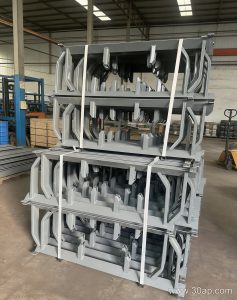
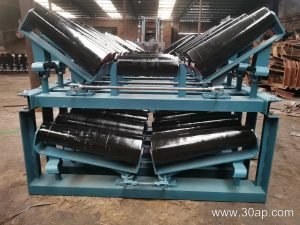
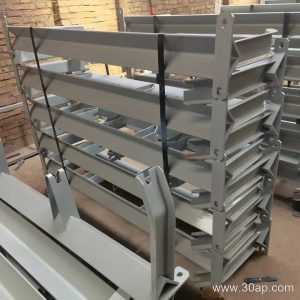
Because the belt runs over conveyor pulleys, idler rollers and conveyor brackets, the splice quality and edge condition matter as much as the carcass itself. A poorly joined belt can fail long before the fabric reaches its rated strength.
Common Sizes and Strength Ratings
EP800 is one point in a wider EP family. Buyers comparing options may also see EP200, EP315, EP400, EP500, EP630, EP1000, EP1250, EP1600 and EP2000. The following table shows typical reference data. These values are common ranges, not fixed combinations, and the final specification is set by the conveyor design.
| Item | Typical reference values |
|---|---|
| Belt strength | EP200, EP315, EP400, EP500, EP630, EP800, EP1000, EP1250, EP1600, EP2000 |
| Belt width | B500, B650, B800, B1000, B1200, B1400, B1600, B1800, B2000 |
| Cover thickness | 3+1.5, 4+2, 5+2, 6+2, 8+3 mm |
| Carcass plies | Usually 2 to 6 layers |
| Surface form | Smooth, patterned, chevron, corrugated sidewall |
A wider belt does not automatically mean a larger pulley diameter, and belt width alone does not define shaft size. Those choices come from the conveyor layout, the load, the trough angle and the drive arrangement.
Where EP800 Belts Are Used
This belt class fits many bulk handling lines where the load is steady but not extreme. Typical places include:
- Coal mines and coal preparation plants feeding crushers and screens
- Cement plants moving clinker, limestone and additives
- Power stations handling coal and ash
- Sand and gravel yards, quarries and aggregate stockyards
- Ports and storage yards transferring ore, fertilizer and other bulk cargo
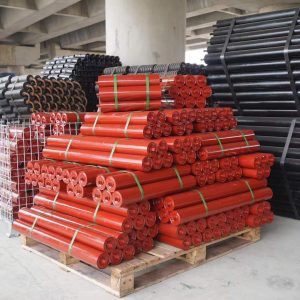
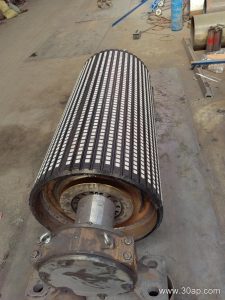
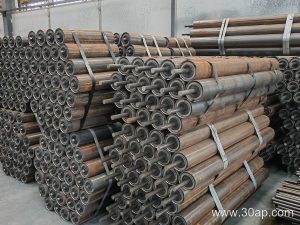
In these systems the belt works together with conveyor pulleys, idler rollers and conveyor brackets. Drive, tail and bend pulleys each have their own role and are not interchangeable, so the belt specification should match the whole conveyor, not just one component.
What a Buyer Should Check
Before ordering an EP800 conveyor belt, confirm the material being carried, the lump size, the throughput, the incline, the ambient temperature and whether the environment is wet, oily, dusty or flammable. These answers decide the cover grade, cover thickness, ply count and surface form. A flame retardant and anti-static belt is common in coal work, while a heat resistant grade suits clinker and sinter lines.
It also helps to ask about delivery length, edge type, splice method and roll handling. The belt should be stored away from direct sunlight, oil and sharp objects, and installed with correct tension so that it tracks well on the pulleys. Regular checks of the belt surface, edges and splices, together with the condition of the idler rollers, will extend service life.
EP800 is not the only option for every job. Where the load is lighter, an EP400 or EP500 belt may be enough; where the duty is very heavy, a higher strength grade or a steel cord belt may be more suitable. Matching the belt to the actual working conditions is the most reliable way to avoid premature wear.