What a Conveyor Belt Support Frame Does
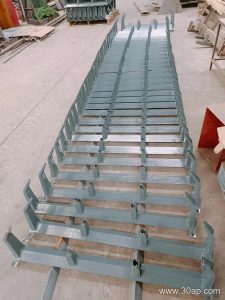
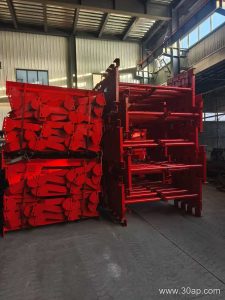
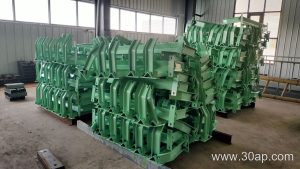
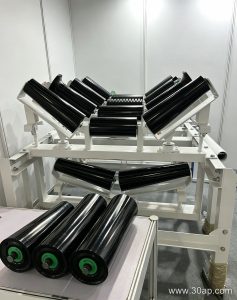
A conveyor belt support frame is the structural backbone that holds the idlers in the correct position along a conveyor line. It keeps the belt profile stable, maintains the trough angle, and transfers the load from the belt and material down to the conveyor stringers. In a quarry, cement plant, or coal handling system, this frame is often the difference between a belt that runs true and one that spills material or wears its edges.
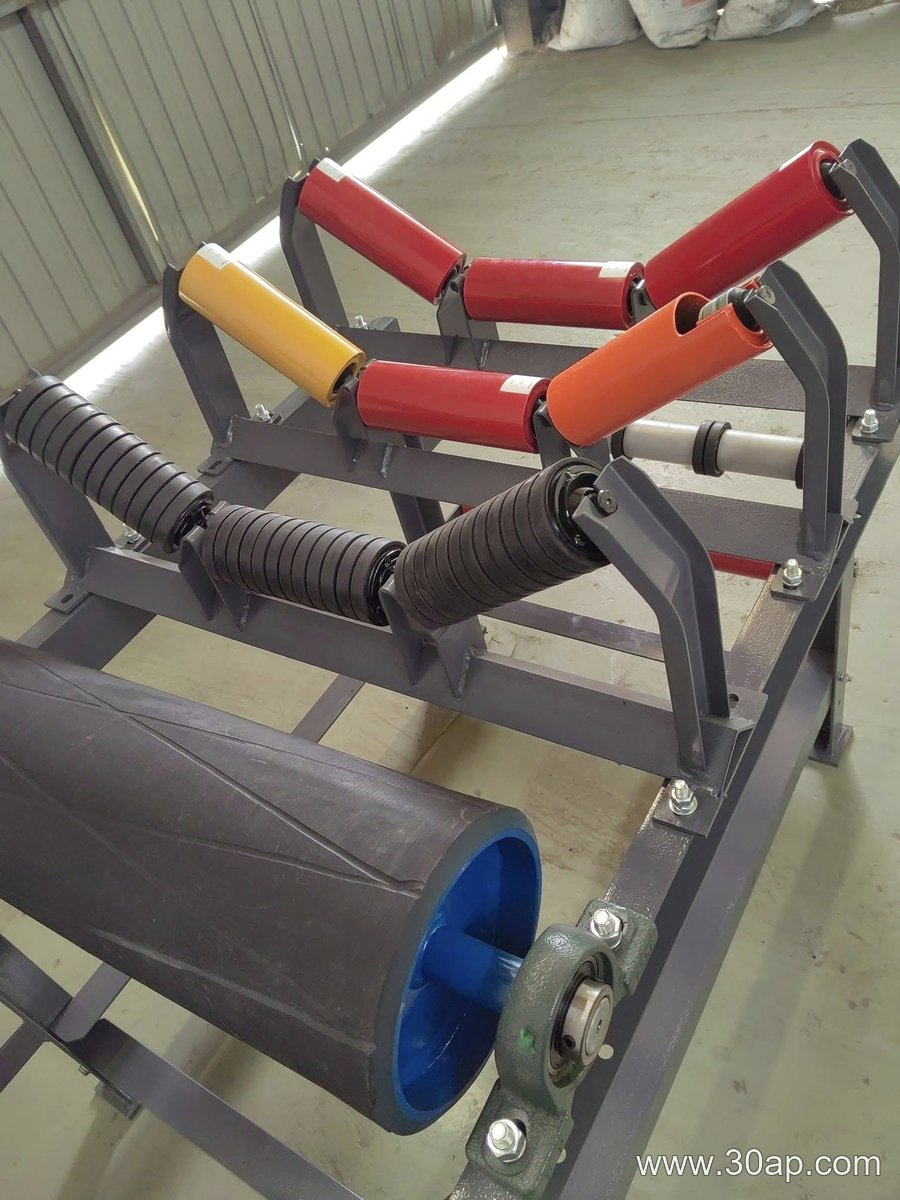
The frame is not a single universal part. It is a fabricated assembly that can include top troughing brackets, return brackets, impact brackets, and transition brackets. Each one is designed for a specific position along the conveyor, and each works together with the belt, the idler roller, and the conveyor pulley to keep production moving.
How the Frame Is Built
Most support frames are made from angle steel, channel steel, or folded steel plate. The choice depends on the load, the belt width, and the environment. A frame for a B650 belt in a sand and gravel line may use lighter angle sections, while a B1400 or B1600 frame in an iron ore plant often uses heavier channel or folded plate for extra rigidity.
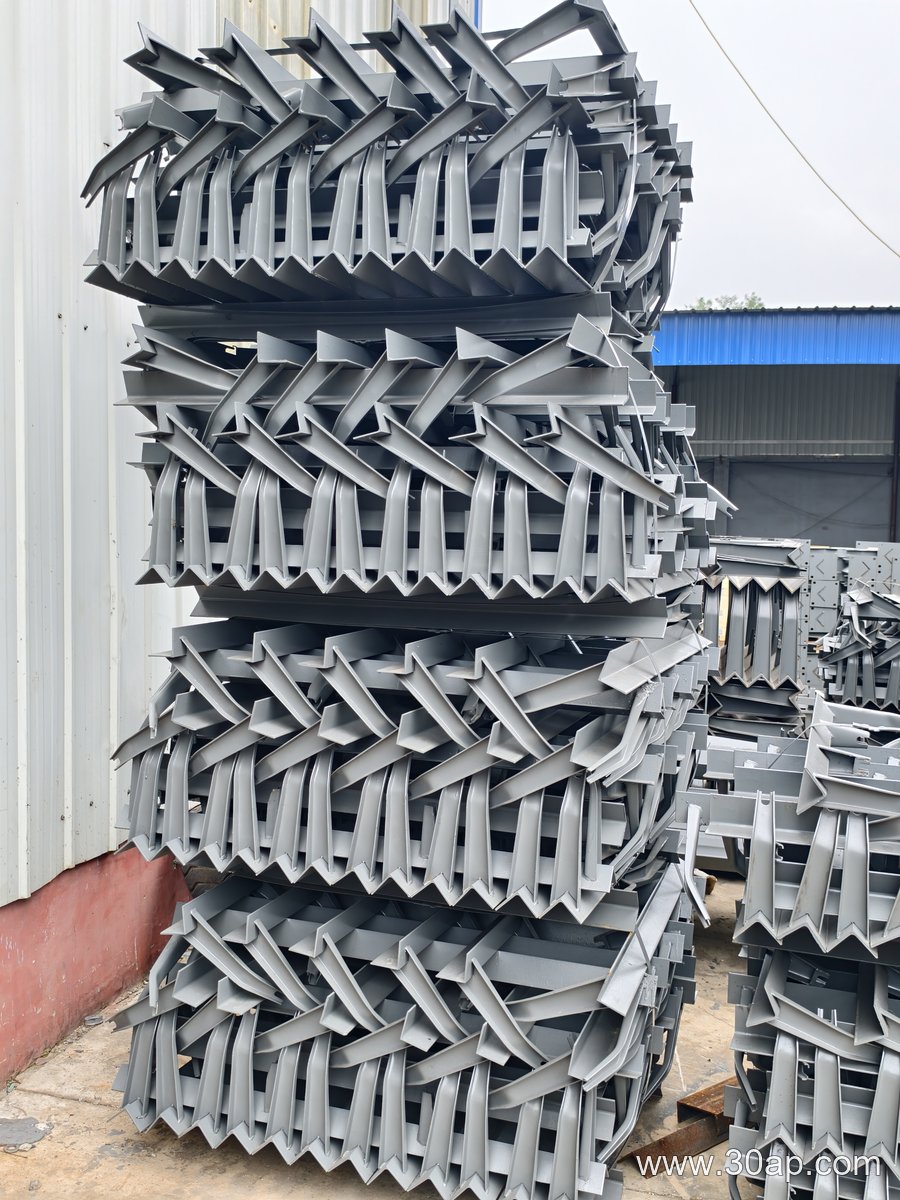
The frame includes mounting holes for the idler shafts, cross beams, and sometimes adjustable slots. Common trough angles are 20 degrees, 30 degrees, 35 degrees, and 45 degrees. The frame geometry must match the selected trough angle and the idler diameter. Typical roller diameters include Ø89, Ø108, Ø133, Ø159, and Ø194, but the correct match depends on belt speed, load, and design requirements.
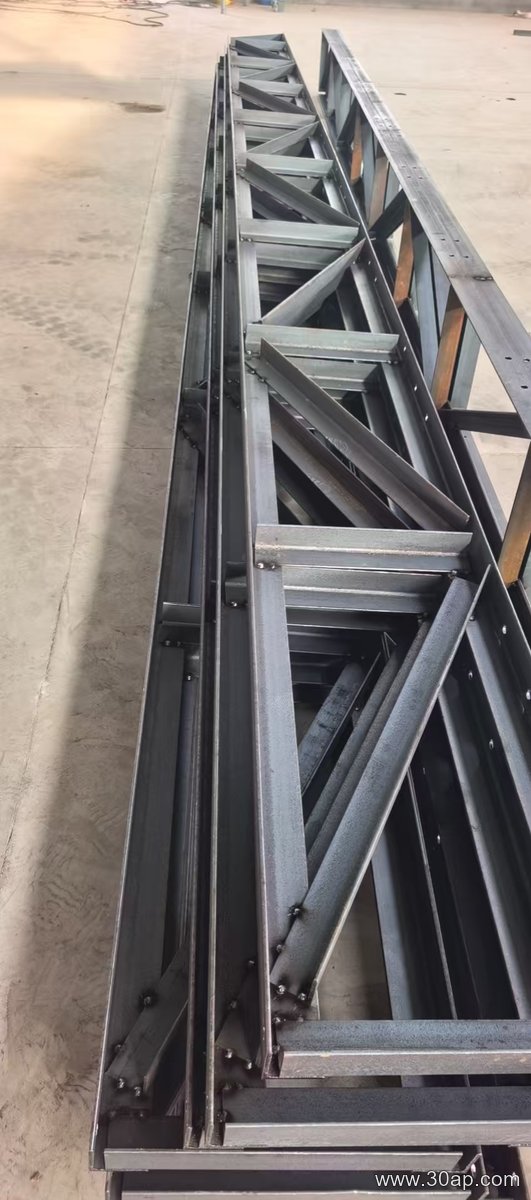
Adjustable frames allow the trough angle to be changed within a range, which helps during transition zones or when belt loading changes. Fixed frames are welded or bolted to a specific angle and are simpler and more rigid.
Common Types and Where They Fit
Different positions along the conveyor call for different frame types. The table below gives common examples, but final selection should follow the conveyor design.
- Troughing support frame: carries the loaded belt on the carrying side, usually with three idlers.
- Transition support frame: supports the belt as it changes from flat at the pulley to troughed on the line.
- Return support frame: holds the return idlers under the belt, often as a flat or V-shaped assembly.
- Impact support frame: used under loading points, built to absorb material impact with buffer idlers.
- Self-aligning support frame: helps correct belt misalignment in long or curved conveyors.
A flat return bracket and a V-return bracket are not interchangeable. Each has a different job, and choosing the wrong one can cause belt damage or excessive wear.
Typical Reference Data
The values below are common industry references. They are not fixed combinations, and a single belt width can work with more than one trough angle or roller diameter.
| Belt width | Common trough angle | Common roller diameter |
|---|---|---|
| B500 | 20° to 30° | Ø89 |
| B650 | 20° to 35° | Ø89, Ø108 |
| B800 | 30° to 35° | Ø108, Ø133 |
| B1000 | 30° to 45° | Ø108, Ø133, Ø159 |
| B1200 | 35° to 45° | Ø133, Ø159 |
| B1400 | 35° to 45° | Ø133, Ø159, Ø194 |
| B1600 | 35° to 45° | Ø159, Ø194 |
| B1800–B2200 | 35° to 45° | Ø159, Ø194 |
Mounting hole spacing and cross beam length change with belt width and trough angle. They are not universal numbers.
Where Support Frames Are Used
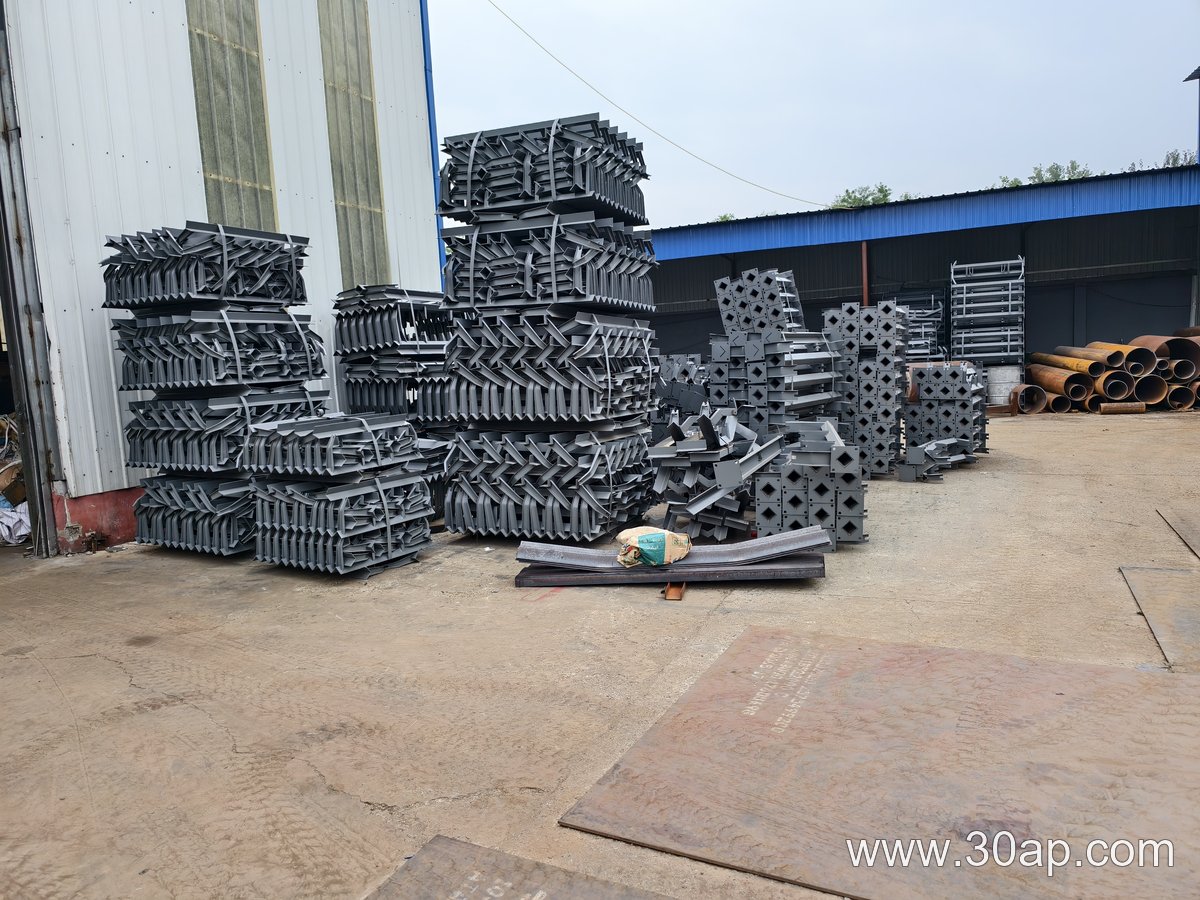
These frames appear in almost every bulk material handling system. In a coal washing plant, they carry the belt through wet and abrasive conditions. In a cement plant, they support clinker and raw meal conveyors. In a power plant coal yard, they keep the belt aligned through long transfer points. In a limestone mine or aggregate crushing circuit, they handle heavy lump sizes and constant impact.
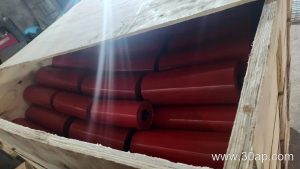
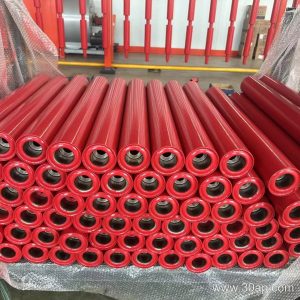
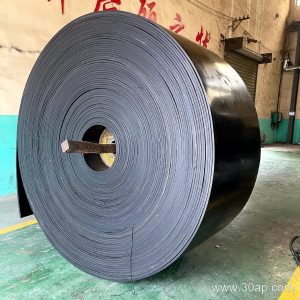
The frame works with the conveyor belt, idler roller, and conveyor pulley. A poorly aligned support frame can cause the belt to drift, which increases edge wear and may damage the pulley. A well-built frame keeps the belt centered and extends the life of the whole conveyor.
What Buyers Should Check
Before ordering, confirm the belt width, trough angle, roller diameter, and mounting dimensions. Ask whether the frame is fixed or adjustable. Check the material and finish for the working environment, especially in wet or corrosive areas. Also confirm that the frame matches the existing conveyor bracket and stringer hole pattern.
Do not assume one frame fits every conveyor. The right support frame is the one that matches the belt, the idlers, and the load. For mines, quarries, and processing plants, that match is what keeps the belt running straight and the material moving.