What a Sand and Gravel Plant Conveyor Pulley Does
In a sand and gravel plant, the conveyor pulley is the rotating drum that drives or redirects the belt carrying crushed stone, washed sand, and screened aggregate. Unlike an idler roller, which supports the belt along its length, a pulley transfers torque and keeps the belt tracking. The drive pulley, also called the head pulley, grips the belt and pulls it forward. The tail pulley sits at the loading end, while bend and take-up pulleys manage tension and direction changes. These roles are not interchangeable, and each position demands a different design approach.
Core Structure and Materials
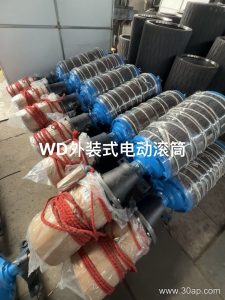
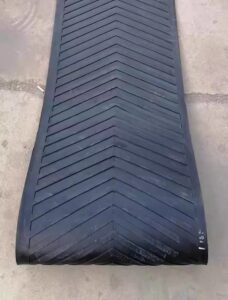
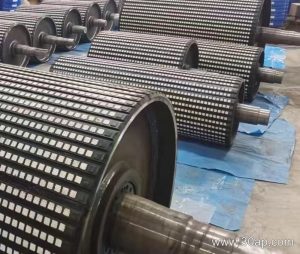
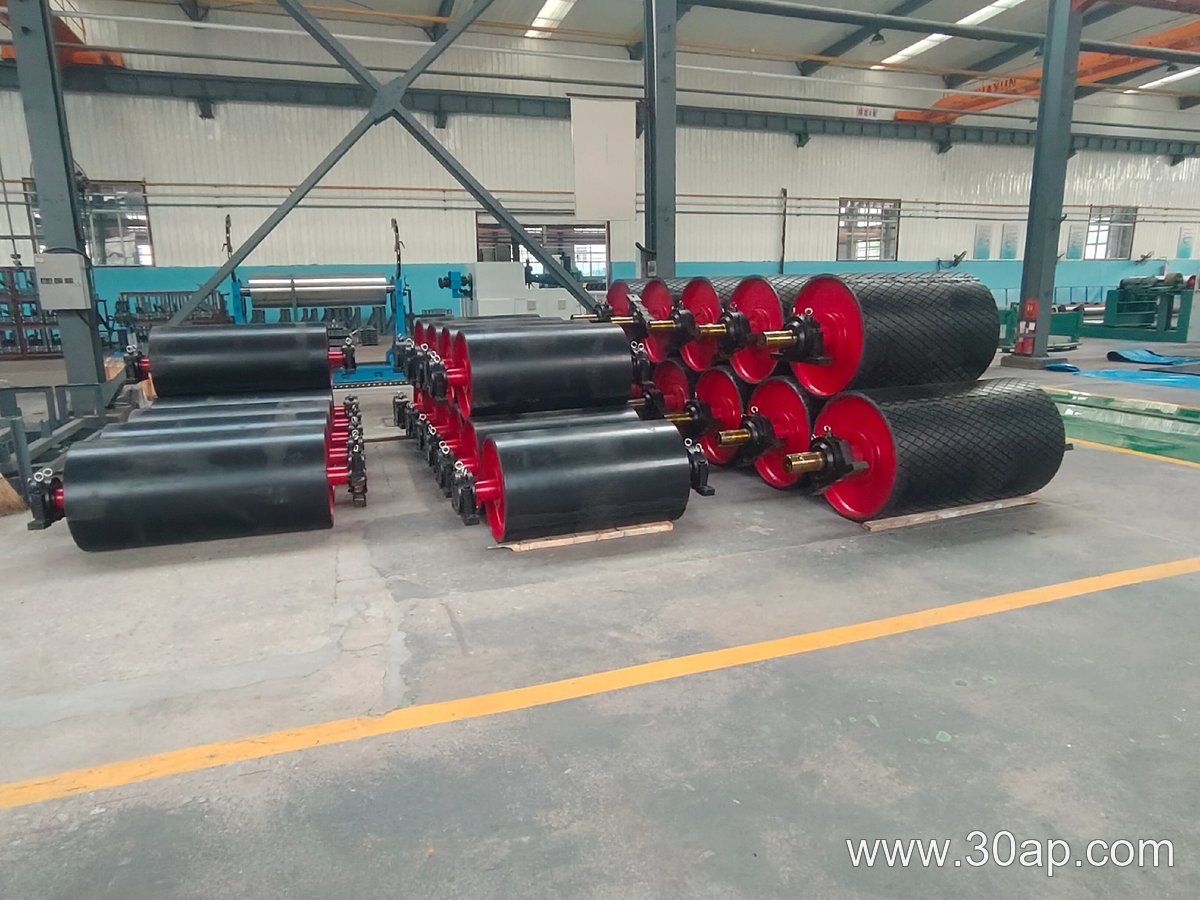
A typical sand and gravel plant conveyor pulley is built from a cylindrical shell, two end discs, a shaft, and a hub locking assembly. The shell may be seamless steel tube or fabricated plate, machined to reduce runout. Shafts are sized by torque and bending load, not by belt width alone. Common shaft diameters include Ø50, Ø80, Ø120, Ø160, and Ø200 mm, but the final choice depends on the drive power and belt tension. Surface options range from plain steel to rubber lagging applied by cold bonding or hot vulcanization. Diamond and herringbone patterns improve grip in wet, gritty conditions.
Where It Fits in the Aggregate Flow
Sand and gravel pits often use a primary jaw crusher, followed by screening and washing. The conveyor belt moves material between these stages. A drive pulley at the head end powers the belt, while a wing pulley at the tail helps shed sticky fines. In a wash plant, rubber lagging on the drive pulley reduces slip when the belt is wet. For a transfer point that changes direction, a bend pulley guides the belt without driving it. The take-up pulley, often mounted on a carriage, maintains tension as the belt stretches. Each position calls for a specific pulley subtype, and using a tail pulley as a drive pulley would quickly cause tracking problems and premature wear.
Common Configurations and Reference Dimensions
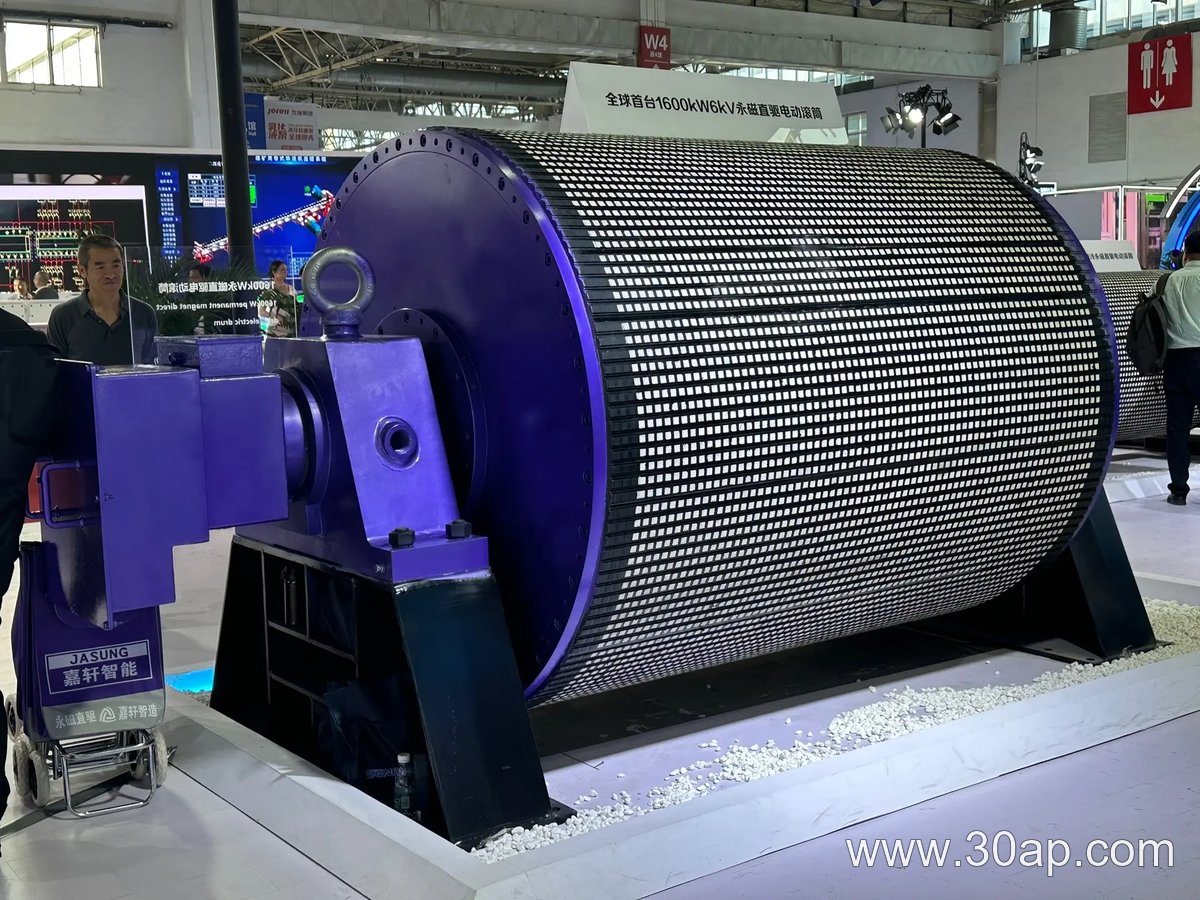
When specifying a pulley for an aggregate conveyor, engineers match the shell width to the belt width. The table below shows typical combinations, but these are reference values, not fixed rules. A B800 belt may use a pulley with a face width around 950 mm, and a B1200 belt often pairs with a 1400 mm face. Diameters vary widely: Ø320, Ø500, Ø800, and Ø1250 mm are all seen in sand and gravel plants. A larger diameter reduces belt stress but requires more space and cost.
- B400 belt width – pulley face approx. 500 mm – common diameter Ø200 to Ø315 mm
- B650 belt width – pulley face approx. 750 mm – common diameter Ø250 to Ø500 mm
- B1000 belt width – pulley face approx. 1150 mm – common diameter Ø400 to Ø800 mm
- B1400 belt width – pulley face approx. 1600 mm – common diameter Ø630 to Ø1000 mm
- B1600 belt width – pulley face approx. 1800 mm – common diameter Ø800 to Ø1250 mm
Lagging thickness is often 8, 10, 12, 15, or 20 mm. Plain surface, flat rubber, diamond, herringbone, and ceramic lagging are available. Ceramic lagging suits high-torque drives in wet, abrasive conditions, but it costs more and may wear the belt cover faster if misapplied.
Selection Tips for Buyers
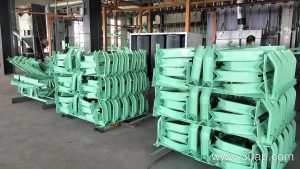
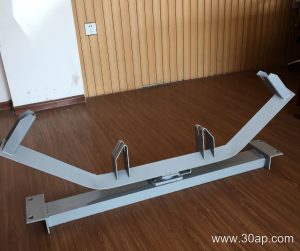
Do not assume that one belt width automatically matches one pulley diameter. A B1200 conveyor might use a Ø1000 mm drive pulley for a long overland run, while a short transfer might use a Ø500 mm bend pulley. The shaft diameter must be calculated from the actual torque and radial load. A common mistake is to copy a pulley from a similar plant without checking the belt tension and starting torque. Also consider the environment: in a quarry with high dust, a wing pulley on the tail helps prevent material buildup. In a washing plant, choose lagging that resists water and fine silt. The conveyor bracket and take-up frame must align with the pulley shaft and allow adjustment.
Maintenance and Wear
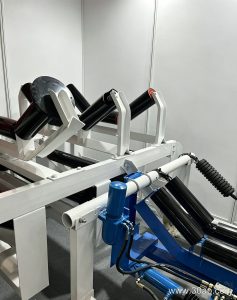
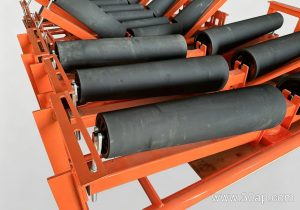
Inspect lagging for cracks, glazing, or missing chunks. Worn lagging reduces friction and can cause belt slip, especially in cold or wet weather. Check the pulley for runout and shaft deflection. A bent shaft will damage the conveyor belt and bearings. Lubricate bearings according to the manufacturer schedule, and keep the area around the tail pulley clean. In sand and gravel operations, abrasive dust acts like grinding paste, so sealed bearing housings are preferred. Replace worn idler rollers and damaged brackets at the same time to avoid uneven belt support.
Whether you run a small pit or a large aggregate line, the sand and gravel plant conveyor pulley is a critical link between the drive and the belt. Choose the right subtype for each position, verify dimensions against actual load, and maintain lagging and bearings to keep material moving.