What a Power Plant Conveyor Belt Does
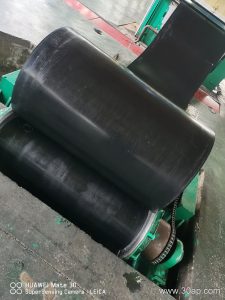
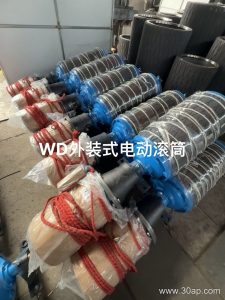
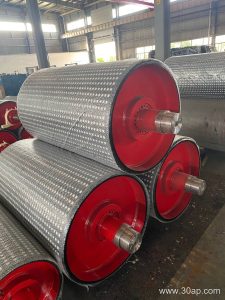
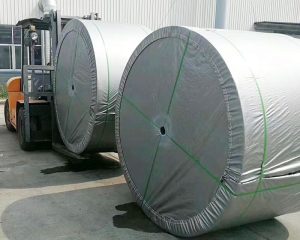
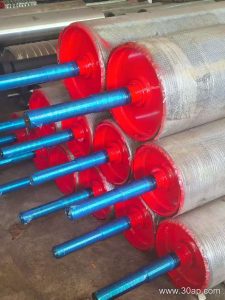
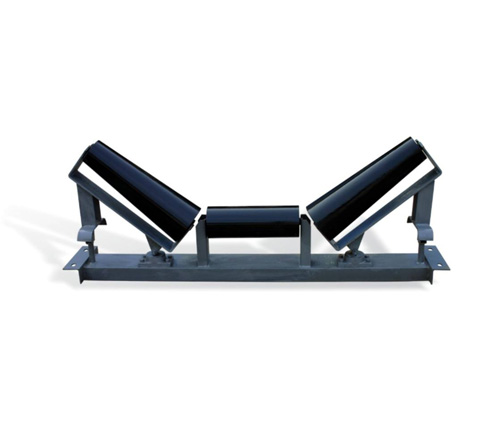
A power plant conveyor belt is the load-bearing element in a bulk material handling system that moves coal, biomass, limestone, ash, or other fuels and residues between stockpiles, crushers, bunkers, and boilers. Unlike a general-purpose belt on a light assembly line, this belt works under constant tension, abrasive loads, and sometimes elevated temperatures. The belt itself is only one part of the circuit; it runs over idler rollers, wraps around a conveyor pulley at the drive and tail ends, and is held in alignment by conveyor brackets and frames. The belt’s job is simple to describe and demanding to execute: carry the material without spilling, stretching, or failing prematurely.
How the Belt Is Built
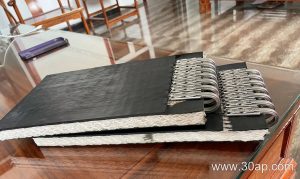
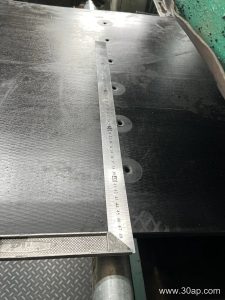
Most power plant belts use a carcass of fabric plies or steel cords, covered on both sides with rubber or PVC compounds. The carcass provides tensile strength and resistance to elongation, while the cover protects against abrasion, impact, and heat. A typical construction includes:
- Top cover and bottom cover with different thicknesses depending on the duty
- Fabric plies such as EP or NN nylon, usually 2 to 6 layers
- Steel cord cores for very high-tension, long-distance runs
- Edge protection and, where needed, anti-static or flame-retardant compounds
Cover grades are often expressed as a pair, for example 4+2 mm or 6+2 mm, meaning top cover plus bottom cover. The choice depends on lump size, drop height, and whether the material is oily, hot, or chemically active.
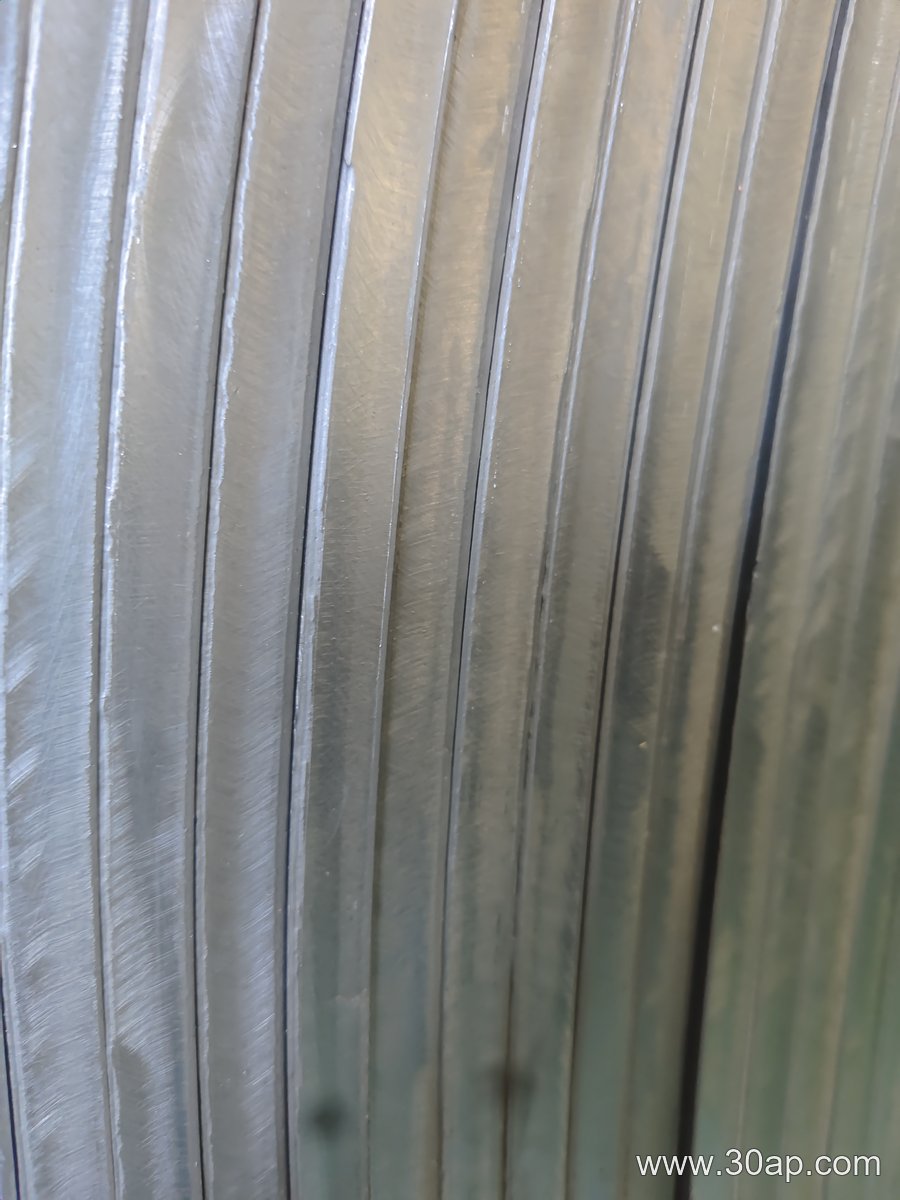
Common Types and Where They Fit
Not every power plant needs the same belt. A coal yard may use an EP conveyor belt with moderate abrasion resistance, while a biomass boiler feed line might require a heat-resistant or oil-resistant cover. In underground or enclosed galleries, flame-retardant and anti-static properties become important. Where the route inclines steeply, a patterned belt with chevron or herringbone ribs can help hold material in place, and a corrugated sidewall belt may be used for vertical or near-vertical lifts. These are variations of the same product family, not replacements for one another.
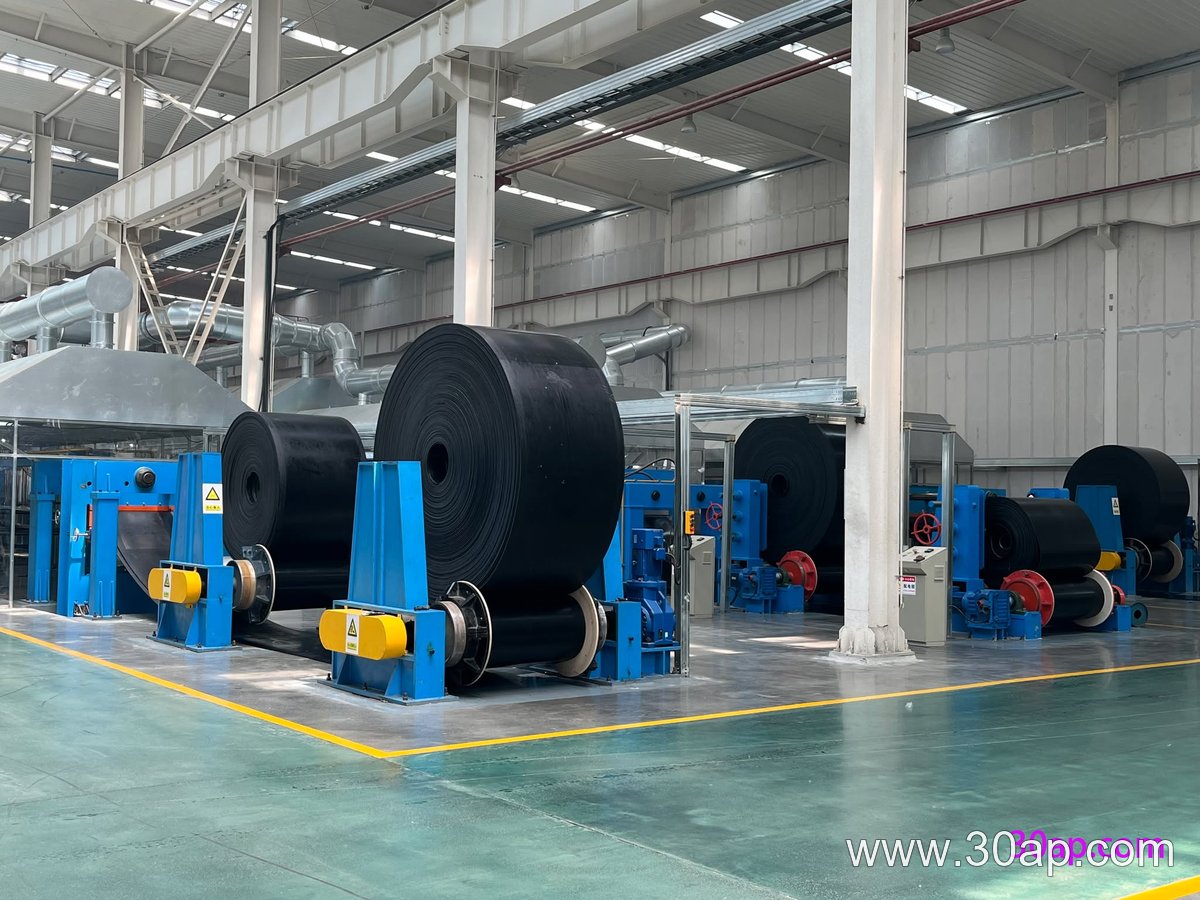
Dimensions and Strength Grades
Belt width and strength are selected together with the conveyor design, not in isolation. Common widths include B500, B650, B800, B1000, B1200, B1400, B1600, B1800, and B2000. Tensile grades for fabric belts are often listed as EP200, EP315, EP400, EP500, EP630, EP800, EP1000, EP1250, EP1600, and EP2000. Steel cord belts use a different designation system. The table below gives a practical reference for matching width, strength, and cover thickness in typical power plant duties.
| Belt width | Common strength grade | Typical cover (top+bottom) | Typical application |
|---|---|---|---|
| B650 | EP200–EP400 | 4+2 mm | Small coal feed, ash lines |
| B800 | EP315–EP630 | 4+2 or 5+2 mm | Boiler feed, limestone |
| B1000 | EP500–EP1000 | 5+2 or 6+2 mm | Main coal conveyor |
| B1200 | EP630–EP1250 | 6+2 or 8+3 mm | High-capacity stockyard |
| B1400 | EP800–EP1600 | 6+2 or 8+3 mm | Long-distance haulage |
| B1600 | EP1000–EP2000 | 8+3 mm | Heavy-duty primary transport |
These values are common references. Actual selection depends on capacity, incline, pulley diameter, and the number of plies. A wider belt does not automatically mean a larger drive pulley, and shaft diameter is never determined by belt width alone.
What a Buyer Should Check
Before ordering, confirm the material being carried, its temperature, lump size, and moisture. Check the minimum pulley diameter recommended for the carcass, the required cover grade, and whether the belt needs to be anti-static, flame-retardant, or oil-resistant. Ask for the ply count and the full cover thickness, not just the strength grade. Also review how the belt will be spliced, since a vulcanized joint has different strength from a mechanical fastener. Finally, make sure the idler rollers, conveyor pulley, and conveyor brackets are compatible with the belt’s thickness and edge condition. A power plant conveyor belt performs best when the whole system is matched, not when the belt is chosen as a standalone item.