What a Five-Roll Idler Bracket Does
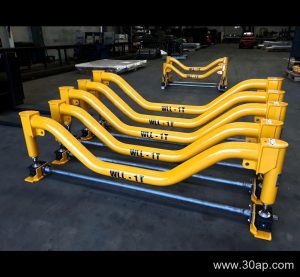
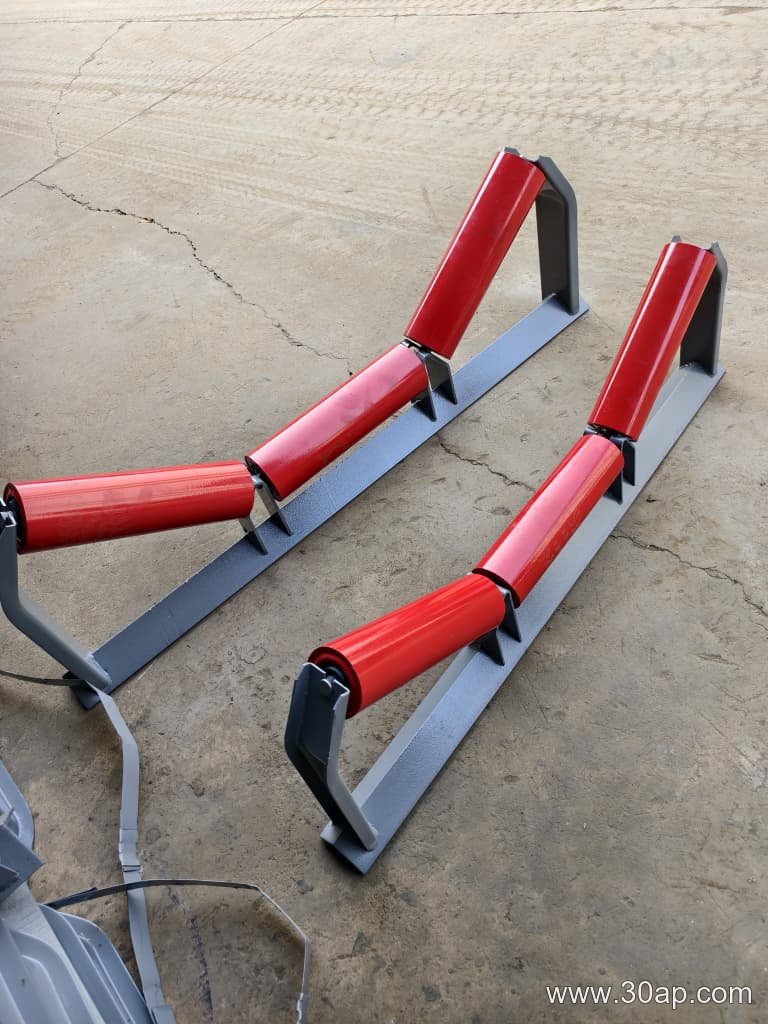
A five-roll idler bracket is a support frame that carries five idler rollers under a conveyor belt. The center roller sits flat or slightly raised, while the two inner and two outer rollers are angled to form a deep trough. This arrangement supports the belt across its full width and helps keep material centered during transport. In many bulk handling lines, the bracket is simply called a five-roll idler frame or five-roller support bracket, but it remains the same structural component.
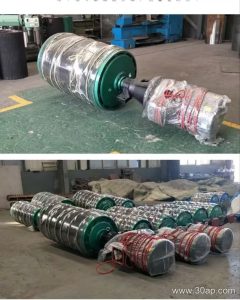
The bracket is not a pulley. Drive pulleys, tail pulleys, and bend pulleys are separate rotating components that transmit or redirect belt motion. A five-roll idler bracket belongs to the carrying side support system, where its job is to hold idler rollers and maintain belt shape.
How the Bracket Is Built
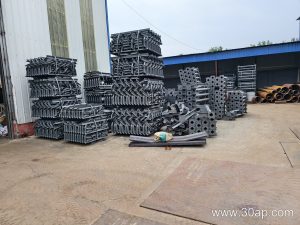
Most five-roll idler brackets are fabricated from angle steel, channel steel, or folded steel plate. The main cross beam provides the mounting base, while side arms position the outer rollers at the required trough angle. Roller seats are welded or bolted to the frame, and mounting holes are drilled to match the conveyor structure.
The bracket may be fixed or adjustable. Fixed designs hold a set trough angle, while adjustable versions allow the angle to be changed within a range. For example, an adjustable five-roll bracket might be set to 20, 30, 35, or 45 degrees depending on belt loading and material characteristics. A slight forward tilt of about 1.5 to 2 degrees is sometimes used on the side rollers to help steer the belt.
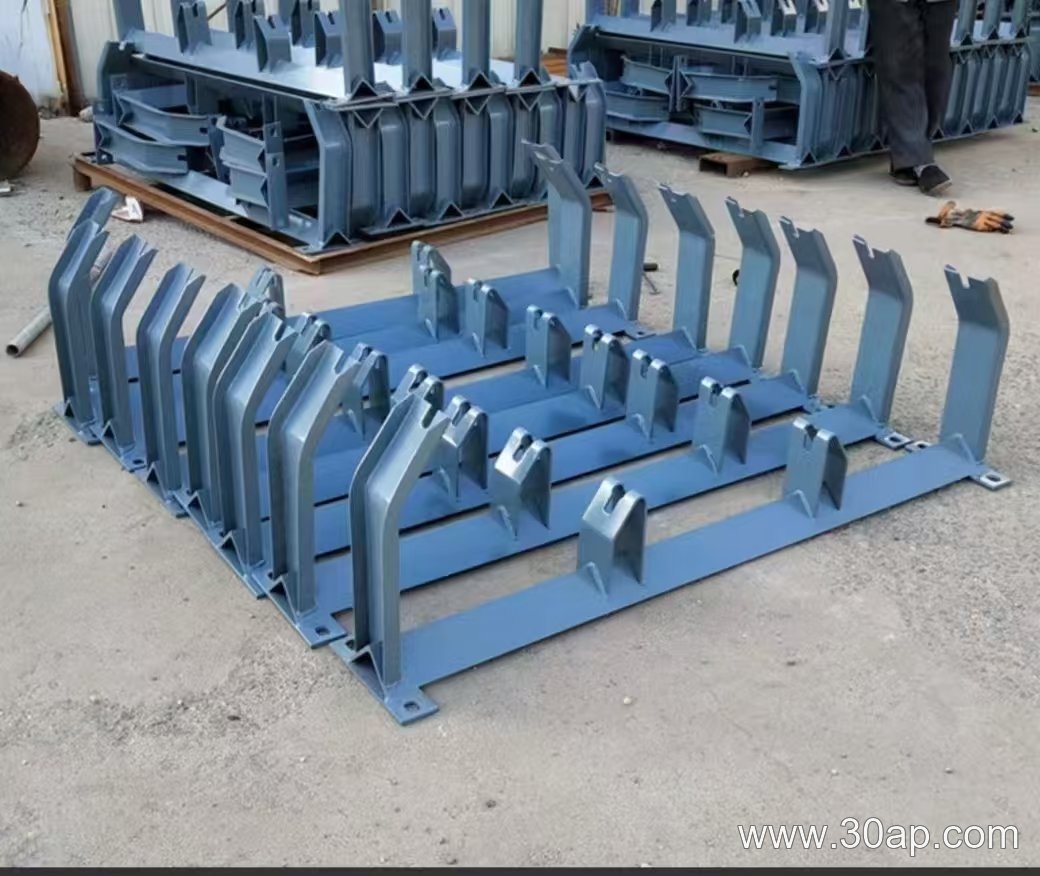
The frame length and hole spacing are not universal. They are determined by belt width, trough angle, roller diameter, and the overall conveyor design. A bracket built for one belt width will not automatically fit another.
Where It Fits in a Conveyor Line
Five-roll idler brackets are common in applications where the conveyor belt is wide and the material load is heavy or abrasive. They appear in quarry and limestone crushing circuits, sand and gravel lines, coal washing plants, and cement raw material handling. They are also used in port bulk terminals and steel plant sinter lines when deep troughing is needed.
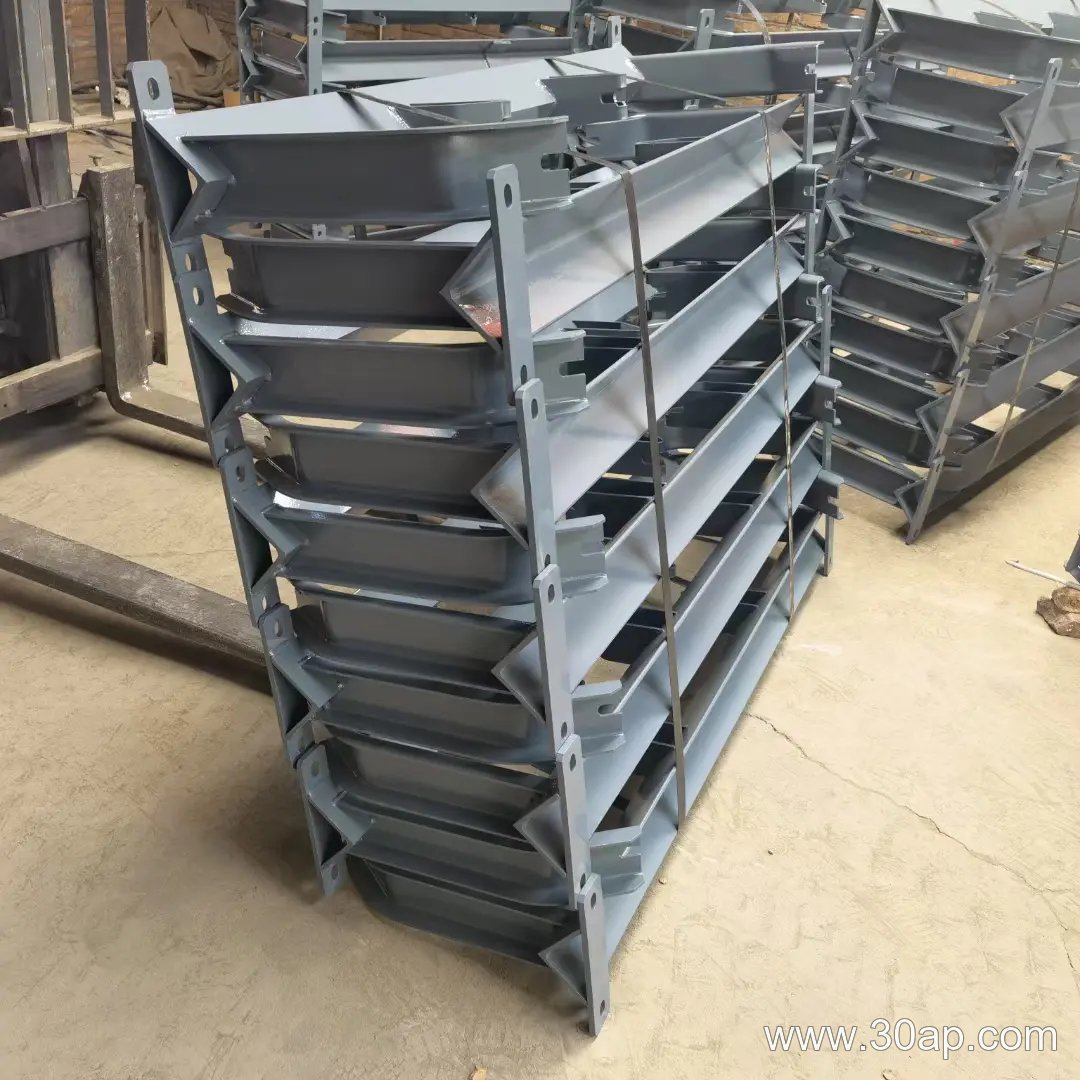
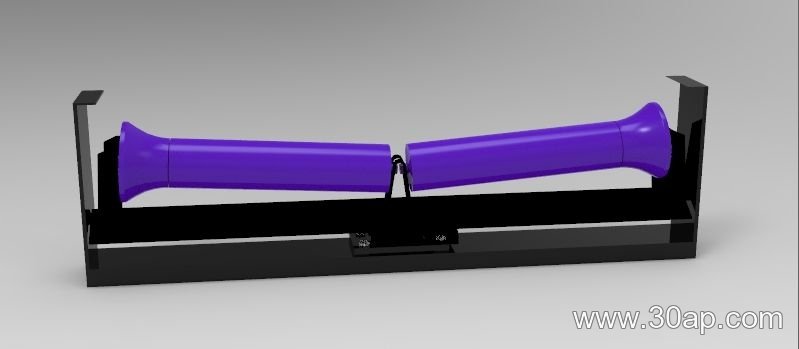
In these settings, the bracket works together with the conveyor belt, idler rollers, and the conveyor pulley at the head or tail. The pulley drives or redirects the belt, but the five-roll bracket supports the belt between those points. A transition bracket may be installed near the pulley to gradually change the belt from a flat profile to the full trough profile.
Matching Bracket, Roller, and Belt Width
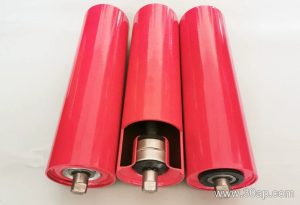
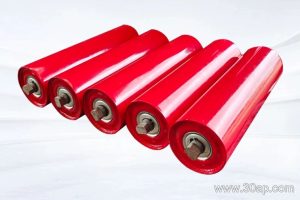
Selection starts with the belt width and the required trough angle. Common belt widths include B500, B650, B800, B1000, B1200, B1400, B1600, B1800, B2000, and B2200. Roller diameters such as Ø89, Ø108, Ø133, Ø159, and Ø194 are also available, but the bracket must be ordered to suit the actual roller shaft and mounting dimensions.
The table below shows reference combinations that are often seen in catalogues. These are examples, not fixed rules. A single belt width can be used with different trough angles and roller diameters depending on the conveyor design.
| Belt Width | Trough Angle | Roller Diameter | Typical Bracket Use |
|---|---|---|---|
| B650 | 30 degrees | Ø89 | Light to medium duty |
| B800 | 35 degrees | Ø108 | General bulk handling |
| B1000 | 35 degrees | Ø108 or Ø133 | Medium duty carrying side |
| B1200 | 45 degrees | Ø133 | Deep trough, heavy load |
| B1400 | 45 degrees | Ø159 | High capacity conveyor |
| B1600 | 45 degrees | Ø159 or Ø194 | Heavy duty bulk transport |
When the belt is wide and the material is fine and dusty, a deeper trough angle can help reduce spillage. When the material is lumpy or the belt is stiff, a shallower angle may be preferred to avoid excessive belt stress. The five-roll bracket gives the designer more control over belt profile than a three-roll bracket, but it also requires more rollers and a wider frame.
Buyer Checklist for a Five-Roll Idler Bracket
- Confirm the conveyor belt width and the required trough angle. The bracket must match both.
- Check the roller diameter and shaft size. A Ø108 roller and a Ø133 roller need different seat dimensions.
- Decide between fixed and adjustable brackets. Adjustable frames allow angle changes but may need more maintenance checks.
- Verify the mounting hole spacing and cross beam length against the conveyor stringer or frame.
- Confirm material and surface treatment. Angle steel and channel steel are common, but folded steel plate is also used.
- Ask whether the bracket is for carrying side or return side. A five-roll idler bracket is normally a carrying side support, not a return bracket.
A five-roll idler bracket is a practical choice when a standard three-roll support cannot maintain the required belt profile. It is not a replacement for a drive pulley, tail pulley, or bend pulley, and it should be selected together with the correct idler rollers and conveyor belt width. Buyers who check the trough angle, roller diameter, and mounting dimensions before ordering will avoid fitting problems later.