What an Anti-Static Conveyor Belt Does
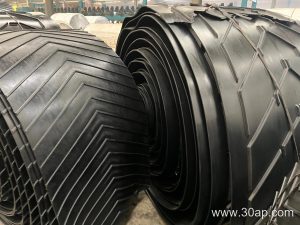
An anti-static conveyor belt is a rubber or PVC conveyor belt designed to limit the build-up of static electricity as material moves along the line. In dry, fast-moving operations, friction between the belt, the material, and the pulleys can generate a charge on the belt surface. If that charge is not controlled, it can discharge through nearby equipment or operators. The antistatic conveyor belt, also called a conductive conveyor belt in some workshops, provides a controlled path for that charge to dissipate.
This is not the same as a flame-retardant belt, although the two properties are sometimes requested together. Flame resistance slows the spread of fire, while anti-static behavior addresses charge accumulation. A buyer should keep these requirements separate when writing a specification.
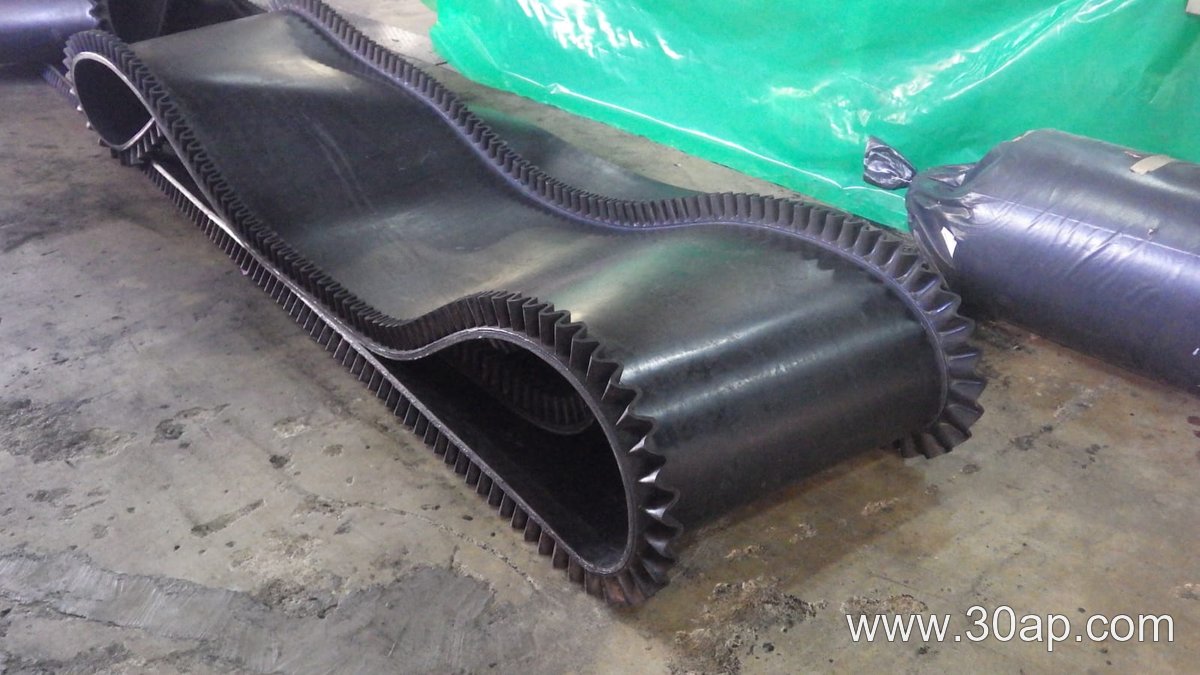
How the Belt Is Built
The construction follows a standard fabric-reinforced belt layout, with a few adjustments to the compound. A typical build includes:
- Carcass: EP or NN nylon fabric plies, usually 2 to 6 layers, or a steel cord core for high-tension duties.
- Cover rubber: top and bottom covers in common gauges such as 3+1.5, 4+2, 5+2, 6+2, or 8+3 mm.
- Anti-static compound: carbon black or conductive additives blended into the cover and, in some designs, into the carcass skim.
- Edge construction: cut edges or molded edges, depending on the application.
The conductive network must stay continuous across the belt. A splice that breaks the path can leave an isolated section that still holds a charge, so splicing methods matter as much as the original belt.
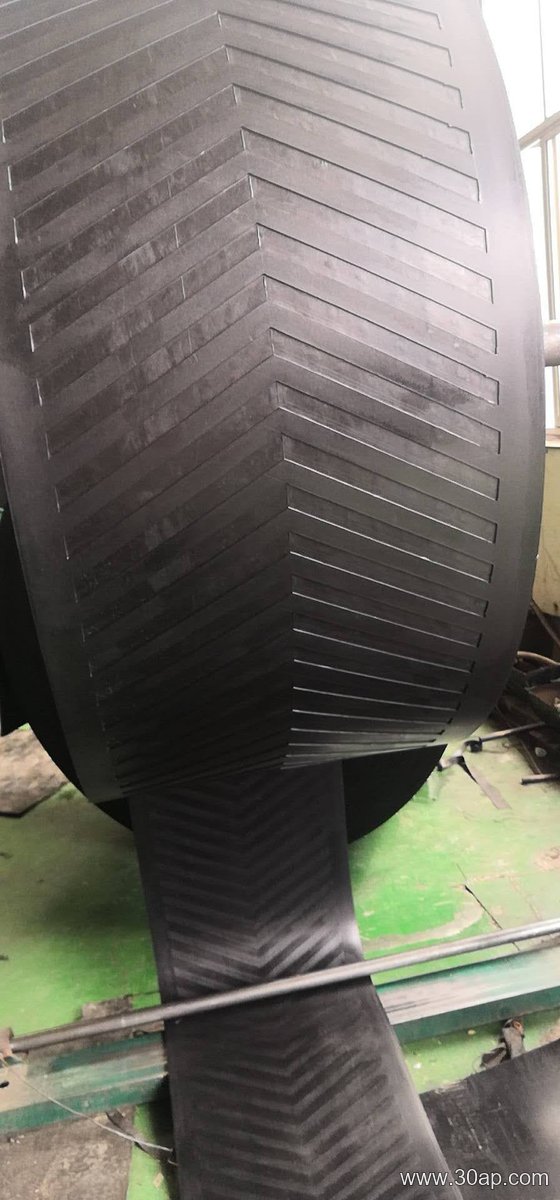
Where It Is Used
Anti-static belts appear in grain handling, coal preparation, flour and sugar transport, chemical powder lines, and any enclosed area where dust and solvent vapors may be present. They are also common in recycling plants and wood-processing lines, where dry chips and dust move quickly.
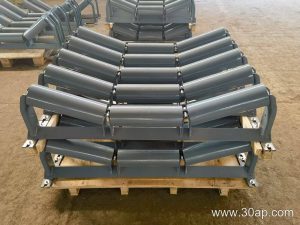
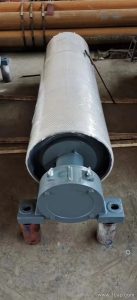
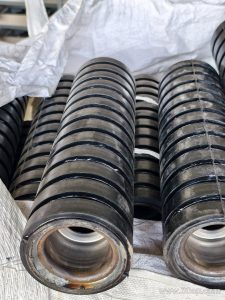
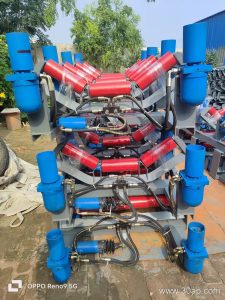
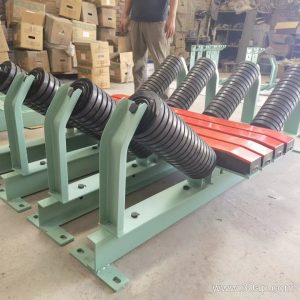
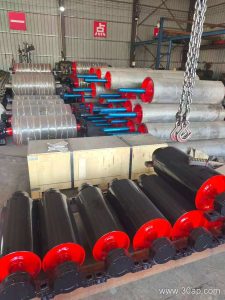
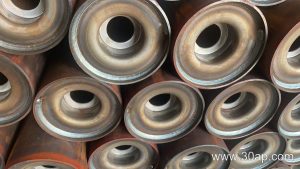
In these systems, the belt works with a conveyor pulley at the head and tail, idler rollers along the carrying run, and a conveyor bracket that holds the idlers in alignment. A grounded metal frame helps drain the charge collected by the belt. If the structure is isolated or painted, the dissipation path may be poor even with a conductive belt.
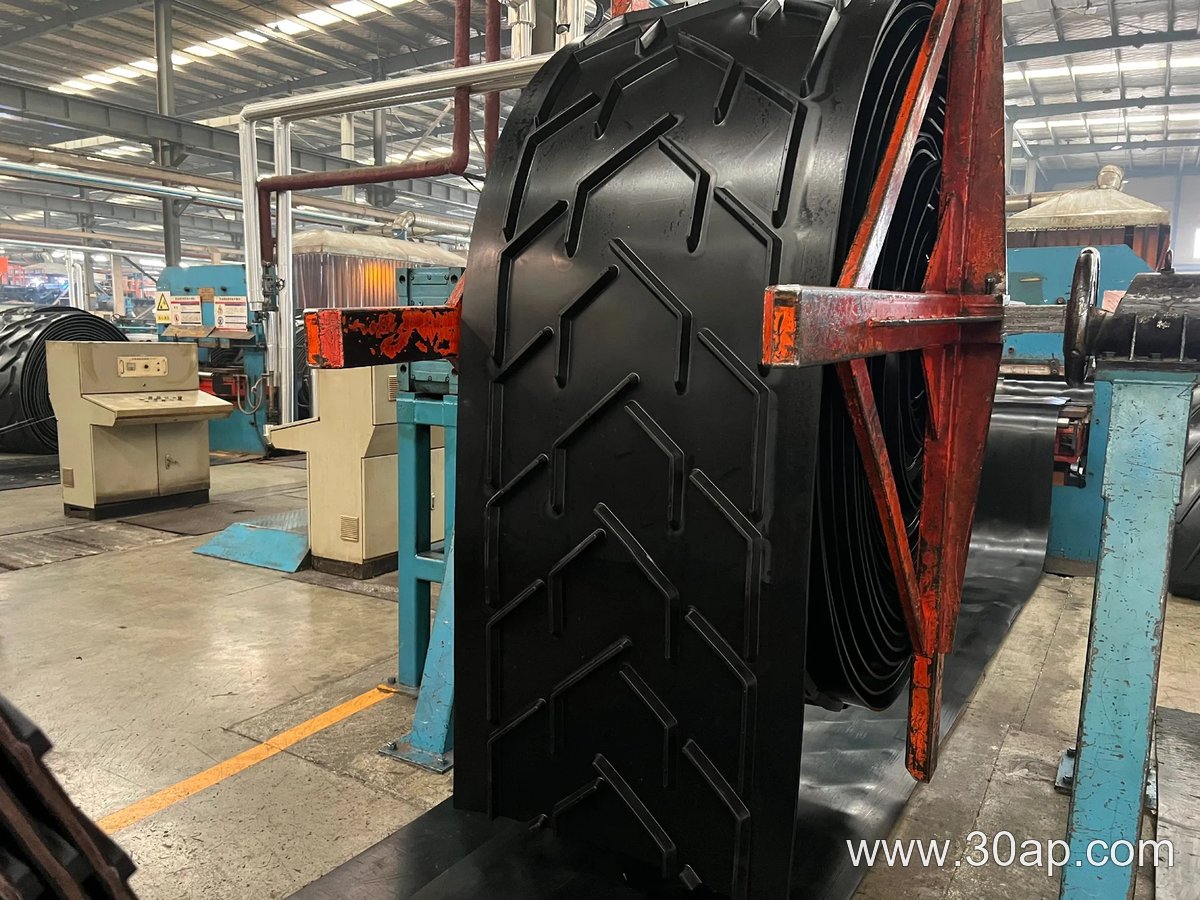
Specification Points for Buyers
Anti-static performance is usually described by surface resistance or volume resistance, measured under controlled conditions. Values differ between suppliers, so ask for the test method and the reported range rather than a single number. Common belt widths include B500, B650, B800, B1000, B1200, B1400, B1600, B1800, and B2000, but width alone does not fix the pulley diameter or shaft size. Those are determined by the conveyor design, belt tension, and pulley face length.
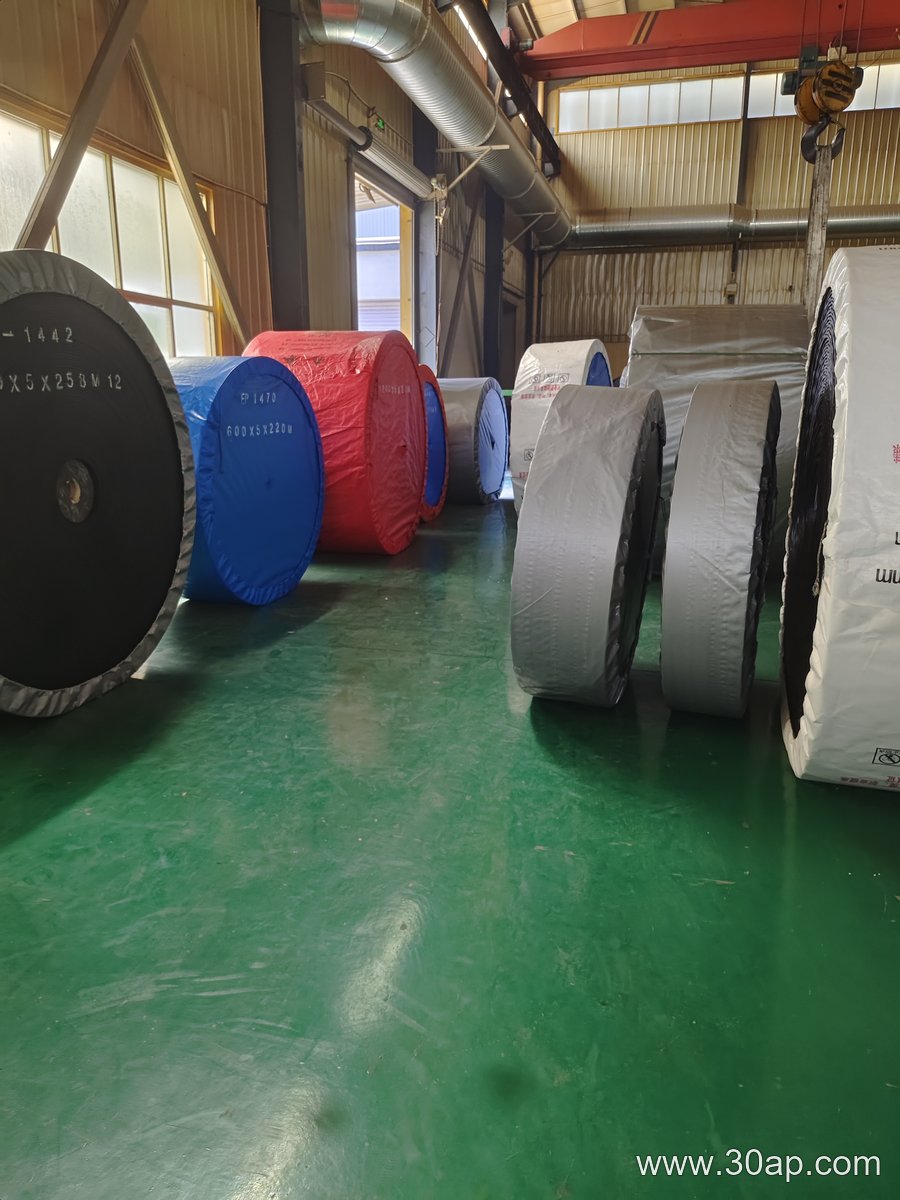
Strength grades such as EP200, EP315, EP400, EP500, EP630, EP800, EP1000, EP1250, EP1600, and EP2000 may be quoted for the carcass. A higher grade is not automatically better; it should match the calculated tension and the pulley diameters used in the system.
Selection and Maintenance Notes
When choosing an anti-static conveyor belt, confirm the material being carried, the ambient temperature, the presence of oil or chemicals, and whether the area is classified as a dust or vapor hazard. A PVC belt may suit food or clean-room duties, while a rubber belt with an anti-static cover is often chosen for heavier bulk handling.
Maintenance should include checking the grounding path, inspecting the belt surface for worn patches that expose the carcass, and verifying that idler rollers turn freely. A seized idler can cause local rubbing and heat, which shortens belt life and can disturb the conductive layer. Keeping the belt clean and avoiding excessive slippage at the drive pulley also helps.
For comparison, a standard non-conductive belt may be cheaper, but it is not a substitute where charge control is required. The anti-static version is specified for the electrical property, not simply as a wear-resistant or heat-resistant belt.