What a Return Self-Aligning Idler Does
A return self-aligning idler, also known as a self-training return roller, sits on the lower run of a conveyor belt and corrects misalignment automatically. Unlike a fixed flat return idler, it pivots on a central bracket and uses the belt’s own off-center movement to steer itself back into line. This makes it a practical choice where material buildup, uneven loading, or structural movement cause the belt to drift.
How the Self-Correcting Action Works
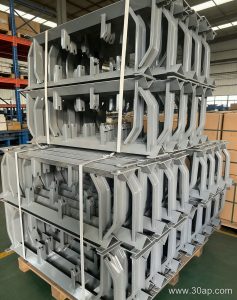
The design is mechanical rather than electronic. Two side rollers are set at a slight angle, often around 1.5 to 2 degrees forward, mounted on a common frame that rotates on a vertical shaft. When the conveyor belt contacts one side more heavily, the frame turns slightly. That turning action pushes the belt back toward the center. A return self-aligning idler usually carries the empty belt after discharge, so it handles less material than a carrying idler, but it still needs a strong frame and smooth bearings.
Construction and Common Components
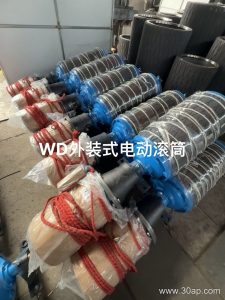
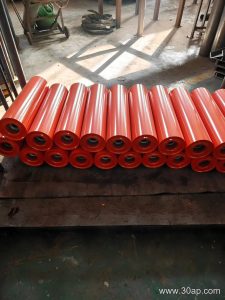
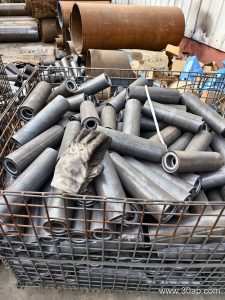
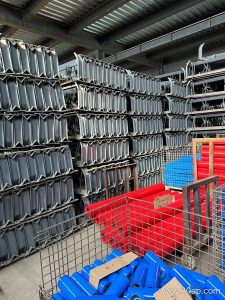
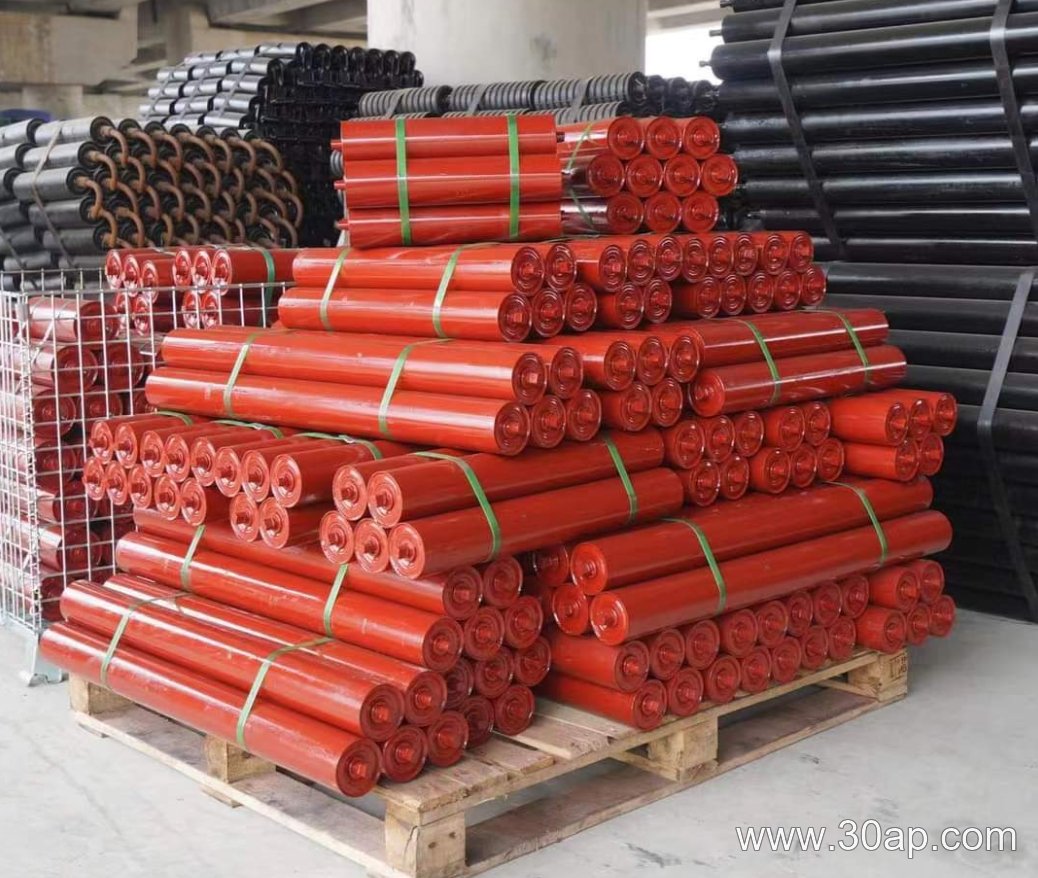
Most units combine a steel tube roller shell, sealed bearings, and a pivoting bracket. The roller surface may be plain steel, nylon, or rubber-covered depending on the environment. Bearings such as 6204, 6205, 6305, 6306, 6308, or 6310 are common, but the correct bearing depends on load, speed, and roller diameter, not on belt width alone. A return self-aligning idler is often paired with a conveyor bracket that allows the whole assembly to swivel.
Typical Dimensions and Roller Diameters
Roller diameter and length are selected by conveyor design. Common roller diameters include 63 mm, 76 mm, 89 mm, 102 mm, 108 mm, 127 mm, 133 mm, 159 mm, 178 mm, 194 mm, and 219 mm. Length varies with belt width and idler type. For reference, a return self-aligning idler for a B800 belt might use a roller around 315 mm long, while a B1200 system may use a roller near 465 mm. These are examples, not fixed rules.
Where It Fits on a Conveyor
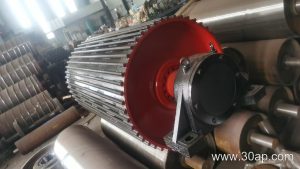
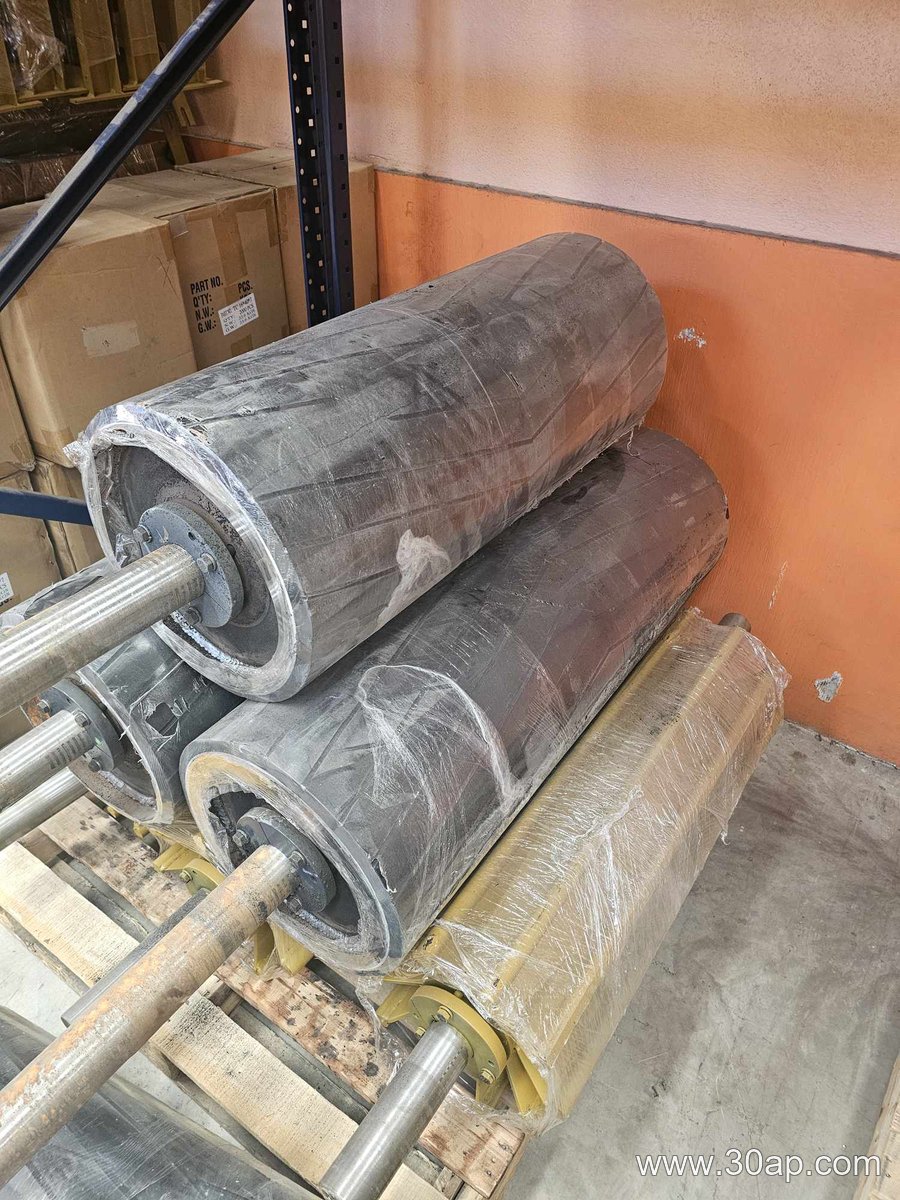
This idler is installed on the return strand, usually after the discharge pulley and before the tail pulley. It is especially useful in dusty or wet conditions where the belt tends to wander. Applications include sand and gravel lines, coal handling, and crushing circuits. A return self-aligning idler is not a substitute for a drive pulley, tail pulley, or bend pulley, nor is it the same as a troughing idler on the carrying side. It performs a specific tracking job on the empty belt.
What Buyers Should Check
- Belt width and return strand layout: confirm the roller length and frame width match the conveyor.
- Roller diameter: choose based on load and speed, not just belt width.
- Bearing and seal: match to dust, moisture, and temperature.
- Mounting bracket: verify hole spacing and pivot clearance.
- Surface: steel, nylon, or rubber-covered rollers suit different materials and buildup levels.
A return self-aligning idler can reduce edge damage and spillage when misalignment is a recurring problem. It should be inspected for free rotation and frame movement during routine maintenance. If the belt still drifts, check loading, pulley alignment, and structure before adding more self-aligning idlers.