What an 800mm Drive Pulley Does
An 800mm drive pulley is a head or drive pulley whose shell diameter is 800 mm. It transmits torque from the gearbox or motor to the conveyor belt, using friction between the belt and the pulley surface to move the load. The 800 mm diameter is a common size on medium and heavy-duty conveyors, because a larger drum increases the contact arc and reduces the bending stress on the belt carcass compared with a smaller pulley.
In many projects this drum is simply called a conveyor pulley or head drum. Those are general terms for the same family of components. A drive pulley is not the same as a tail pulley or a bend pulley: the drive pulley is the powered unit, while the tail pulley normally acts as a return or tensioning point and the bend pulley only changes belt direction. For example, a bend pulley may be used to increase the wrap angle around the 800mm drive pulley, but it does not replace the drive function.
Construction and Key Dimensions
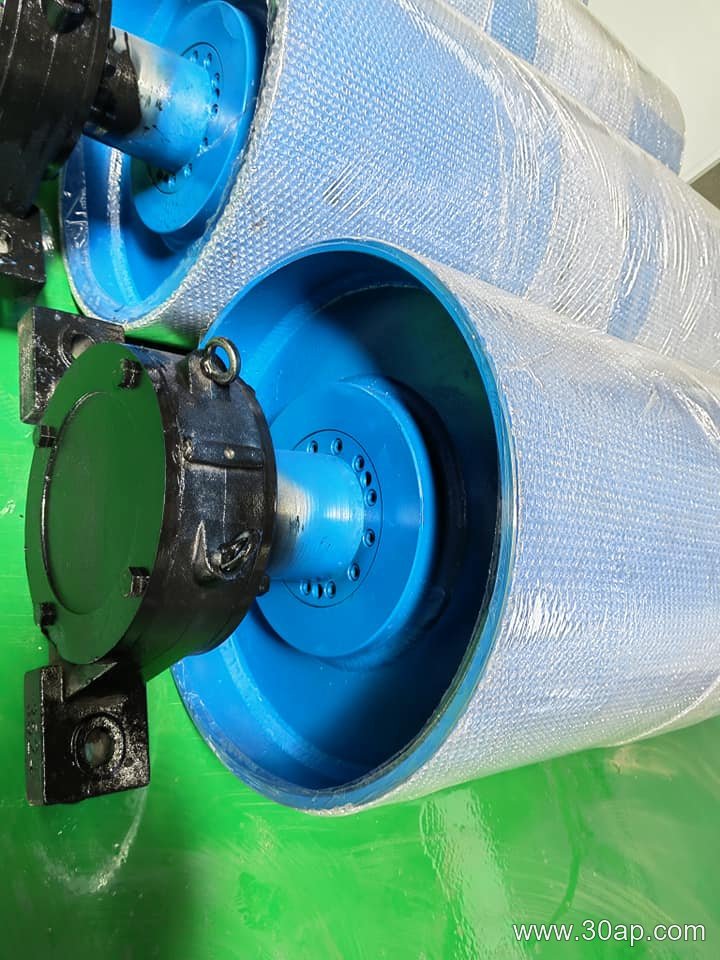
The assembly usually consists of a cylindrical shell, two end discs, a hub, and a shaft. The shell may be seamless tube or rolled and welded plate, machined on the outside to keep runout within tolerance. The shaft is sized by torque and bending load, not by belt width alone. Common shaft diameters range from Ø50 to Ø200 mm, and an 800 mm drum often uses a shaft in the middle of that range.
Surface treatment matters for grip. Plain steel is used where friction is sufficient, while rubber lagging is common on drive pulleys to improve traction and protect the shell. Available forms include cold-bonded rubber, hot vulcanized rubber, diamond lagging, herringbone lagging, ceramic lagging, and flat rubber. Lagging thickness is often 8, 10, 12, 15, or 20 mm. The choice depends on belt speed, material, moisture, and the required coefficient of friction.
Typical reference data for an 800mm drive pulley
- Shell diameter: 800 mm
- Belt width examples: B650, B800, B1000, B1200
- Face width: usually wider than the belt, for example about 950 mm for B800 and about 1150 mm for B1000
- Lagging: plain, rubber, diamond, herringbone, or ceramic
- Shaft diameter: selected by design, for example Ø80, Ø100, Ø120, or Ø140 mm
These values are common reference points, not a fixed rule. A B800 belt can be used with more than one pulley diameter, and the 800 mm size can also serve other belt widths when the conveyor design allows it. A drive pulley should never be selected from belt width alone.
Where It Is Used
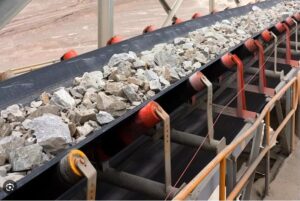
This size is found in aggregate plants, coal handling systems, and ore concentrators. In a sand and gravel line, an 800mm drive pulley may sit at the head of a primary conveyor that carries crushed stone to a screen. In a coal preparation plant, it often drives a belt that feeds a crusher or a stockpile. The same drum can appear in a tunnel muck conveyor or a fertilizer handling line when the duty and belt width match.
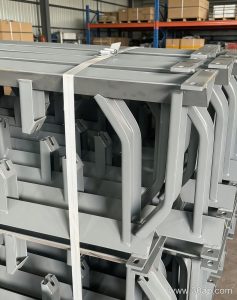
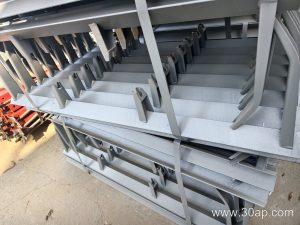
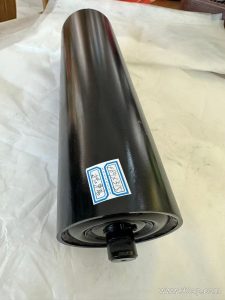
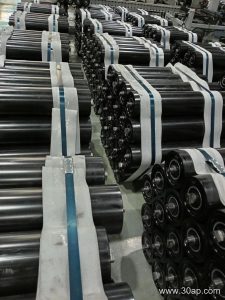
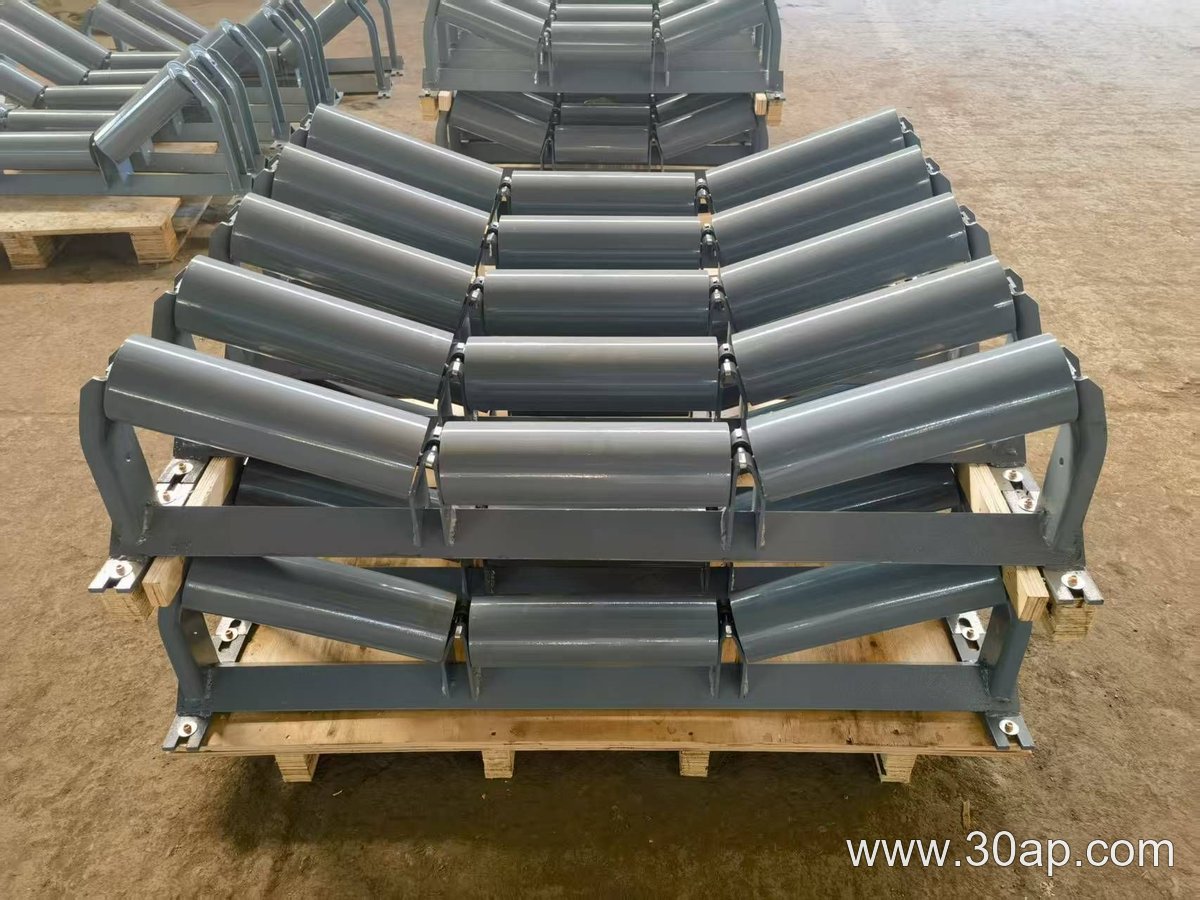
An 800mm drive pulley works with related parts such as the conveyor belt, idler rollers, and conveyor brackets. The belt wraps the drum, the idlers support the belt along the run, and the brackets hold the pulley assembly in place. A tail pulley, tension pulley, or snub pulley may also appear in the same conveyor, but each has its own role.
Buyer Checklist
Before ordering, confirm the belt width, the required shaft diameter and keyway, the lagging type and thickness, and the bearing arrangement. Check the face width and the mounting dimensions against the conveyor frame. For an 800mm drive pulley, ask whether the shell is machined, balanced, and tested for runout, and whether the lagging is cold-bonded or hot-vulcanized. Also confirm the duty cycle and the expected belt tension, because these determine the shaft and bearing size. A correctly specified 800 mm drive pulley will run smoothly for years, while a poorly matched one can slip, wear the belt, or overload the gearbox.