What a Guide Idler Bracket Does on a Conveyor
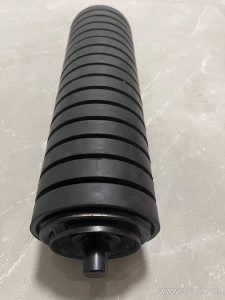
A guide idler bracket is the structural support that positions and holds guide idlers, which are also called training idlers or guide rollers, along the carrying or return side of a conveyor. Its main job is to keep the idler at the correct angle and height so the conveyor belt tracks smoothly instead of drifting to one side. Unlike a drive pulley or a tail pulley, which transmit motion and tension, the guide idler bracket only stabilizes belt path and supports rotating idlers. The same component is sometimes called a guide roller bracket or training idler bracket, depending on the plant’s naming convention.
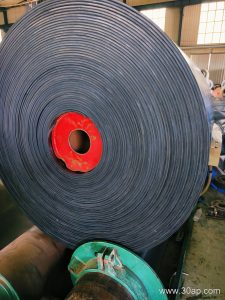
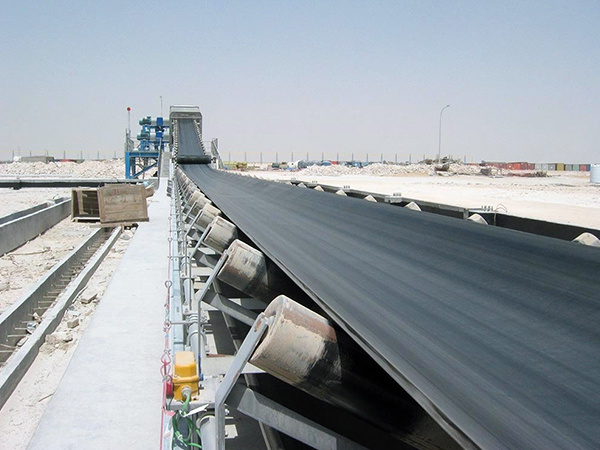
In practice, the bracket works together with the conveyor belt, idler roller and conveyor bracket system. A well-aligned bracket reduces edge damage and spillage, while a poorly fitted one can cause the belt to rub against the structure.
How the Bracket Is Built
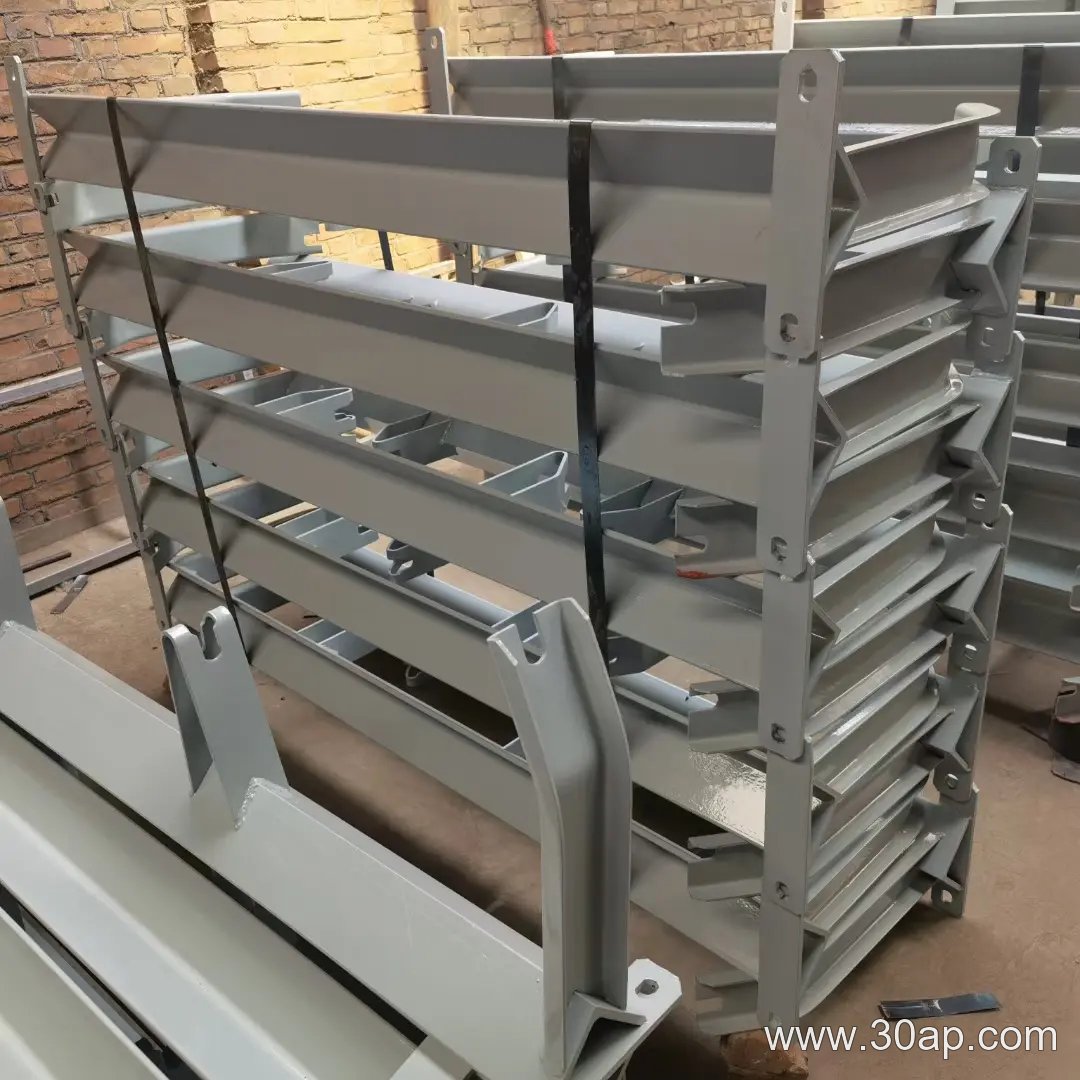
Most guide idler brackets are fabricated from angle steel, channel steel or folded steel plate. The choice depends on load, belt width and the surrounding frame. A typical bracket includes mounting holes, a slotted adjustment range and a cradle or pad that accepts the idler shaft. Some designs are fixed, while others are adjustable so the guide idler can be set to a specific angle.
Common surface treatments include painting or galvanizing, but the exact finish should always follow the project specification. The bracket is not a load-bearing pulley support in the same sense as a bend pulley bracket, so its strength is usually matched to the guide idler and belt tracking forces rather than to full belt tension.
Where It Fits in the Conveyor Line
Guide idler brackets appear in many bulk material handling locations. Two typical settings are a limestone quarry and a coal washing plant, where dusty and slightly corrosive conditions demand stable belt tracking. They are also used in sand and gravel lines, crushing and screening plants, and tunnel muck removal systems.
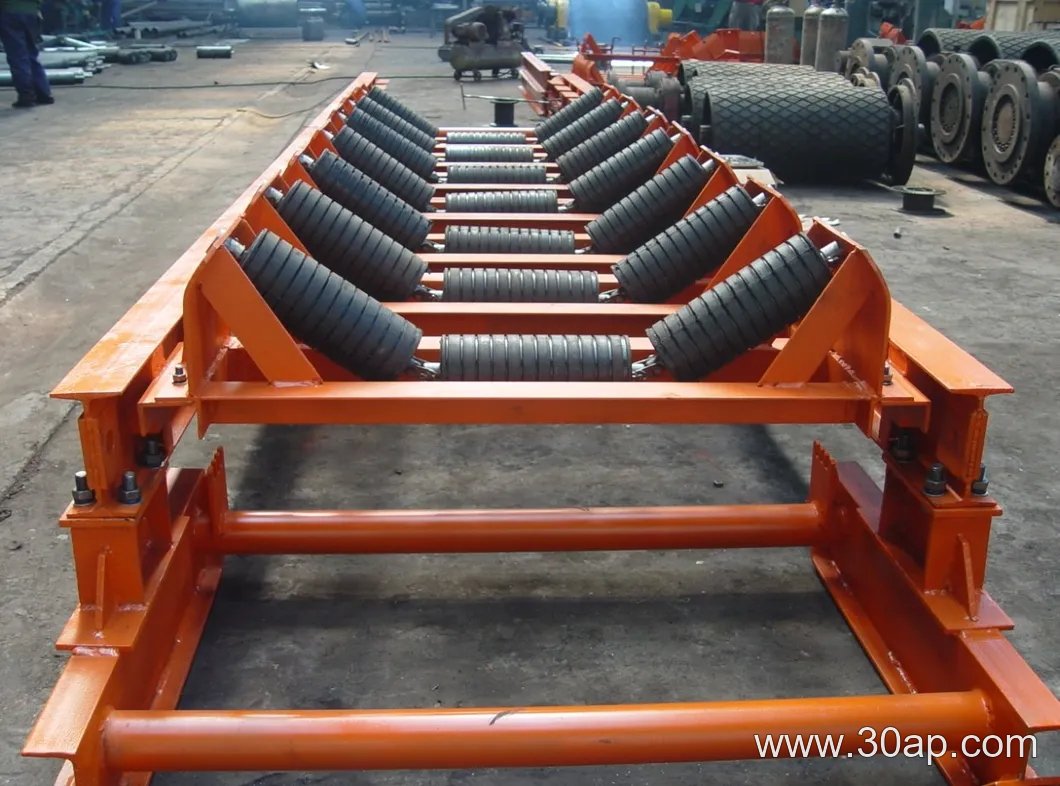
On the carrying side, the bracket may be part of a troughed idler set with a 20 degree, 30 degree, 35 degree or 45 degree trough angle. On the return side, a V-return or flat return bracket may be used instead. The guide idler bracket itself is usually placed slightly ahead of the point where belt misalignment starts, so it can correct the path before the edge contacts the frame.
Common Types and Adjustability
- Fixed guide idler bracket: welded or bolted in one position, simple and low maintenance.
- Adjustable guide idler bracket: allows the idler angle to be changed on site, often between common trough angles.
- Forward-tilt bracket: sets the idler about 1.5 to 2 degrees forward to encourage self-centering.
- Transition bracket: used near the head or tail to support the belt as it changes from troughed to flat.
Adjustable versions are useful when the belt width or material load changes, but they should not be confused with a drive pulley or tail pulley, which serve completely different functions.
Matching Bracket to Belt Width and Idler Diameter
Belt width and idler diameter influence the bracket’s mounting hole spacing and crossbeam length, but they do not lock a single combination. For reference, common belt widths include B500, B650, B800, B1000, B1200, B1400, B1600, B1800, B2000 and B2200. Common idler diameters include Ø89, Ø108, Ø133, Ø159 and Ø194.
A buyer may see a B800, 35 degree, Ø108 guide idler bracket or a B1200, 45 degree, Ø133 arrangement. These are examples, not mandatory pairings. A B650 belt can work with a 30 degree trough angle and Ø89 idler, but the same belt width may also use other angles and diameters depending on the conveyor design. The mounting hole distance and beam length should be confirmed from the current drawing, not assumed from belt width alone.
What a Buyer Should Check Before Ordering
Before selecting a guide idler bracket, confirm the belt width, trough angle, idler diameter, mounting hole pattern and whether the bracket is fixed or adjustable. Also check the conveyor frame type and the available space around the idler. For a conveyor bracket that must fit an existing structure, a dimensional sketch is more reliable than a generic size list.
Ask for the bracket material and finish if the site is wet, dusty or corrosive. A guide idler bracket is a small part, but it directly affects belt tracking and idler life. When it is correctly matched to the conveyor belt, idler roller and surrounding frame, it helps the line run straighter with less maintenance.