What a Motor-Driven Pulley Actually Is
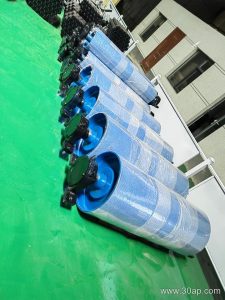
A motor-driven pulley is a conveyor drum with the drive unit built inside it. Instead of mounting a gearbox and motor outside the frame and connecting them to a shaft, the motor and reducer sit within the shell. The rotating shell contacts the conveyor belt directly and transmits traction. This arrangement is also known as a drum motor or an internal drive pulley, and both names describe the same component. It should not be confused with a tail pulley or a bend pulley, which serve different positions and duties on the same conveyor.
Because the drive is enclosed, the unit takes up little external space and needs no exposed chain, coupling or guard. That makes it a common choice where the conveyor layout is tight or where dust and water would shorten the life of an open drive.
How the Unit Is Put Together
Inside the shell there is usually an electric motor, a gear stage, bearings and a lubrication chamber. The shell is often fitted with a rubber or ceramic lagging to raise friction against the belt. Shafts at both ends are stationary in many designs, so the housing does not rotate while the drum does.
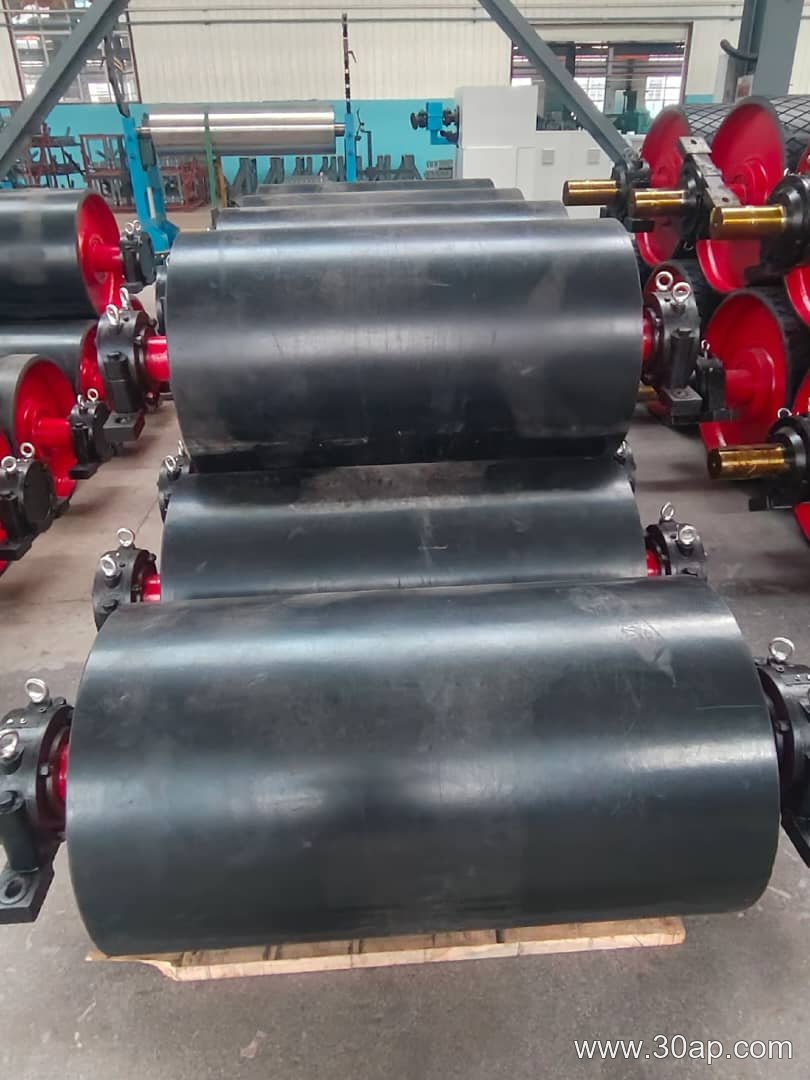
Key construction points a buyer can check include:
- Shell material and wall thickness, which affect stiffness under belt tension.
- Gear type and ratio, which set the output speed and torque.
- Lagging form, such as plain, diamond, herringbone or ceramic.
- Sealing class, which decides how well the unit handles washdown or fine dust.
- Mounting pattern, so the drum fits the existing conveyor bracket.
Where It Fits on a Conveyor
The most common position is the head or discharge end, where the belt leaves the drum and drops its load. In smaller or mobile conveyors, the same unit may act as the drive at the head while a plain tail pulley handles tension at the other end. A bend pulley only changes belt direction and does not drive, so it cannot replace this component.
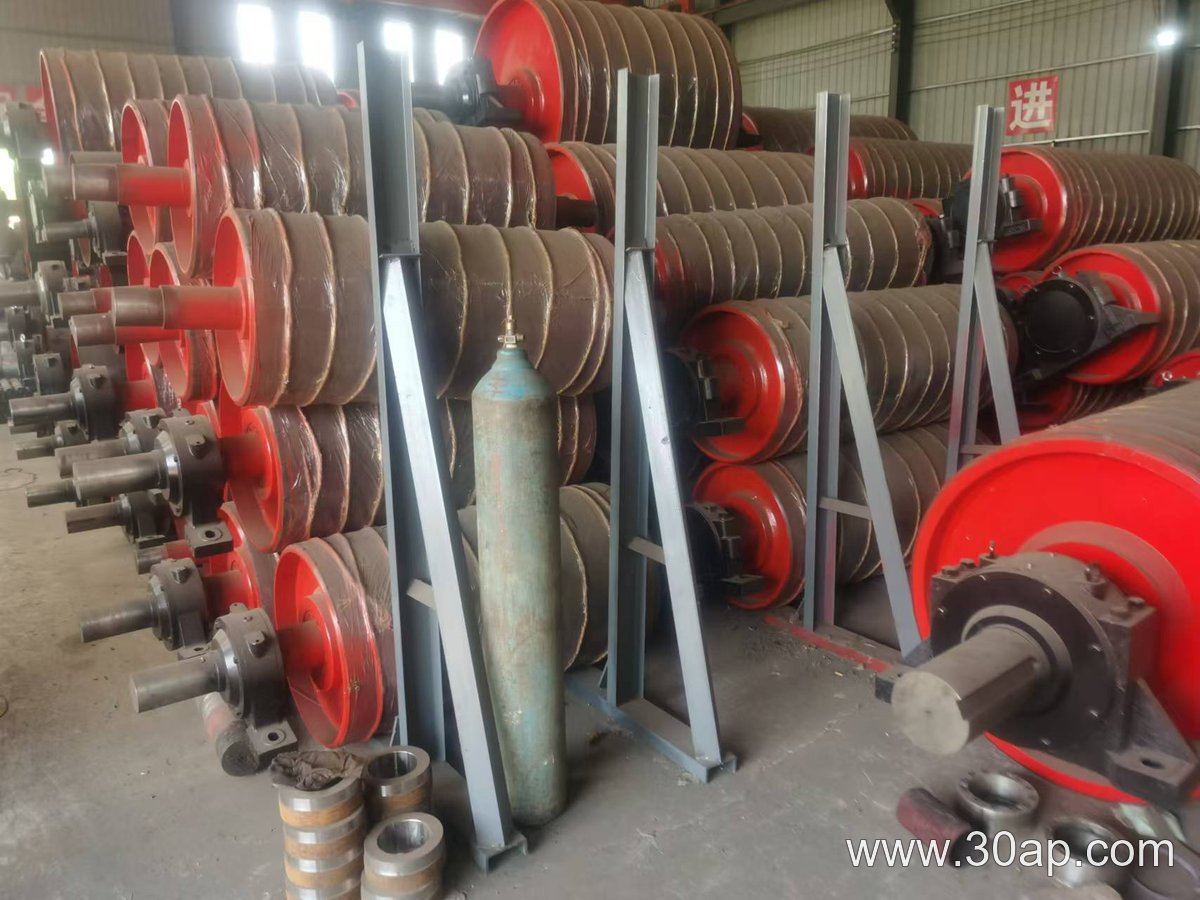
Typical sites include a concrete batching plant feeding aggregate, a grain silo handling bulk seed, and a tunnel muck conveyor where space is limited. In each case the drum motor keeps the drive compact and removes the need for a separate reducer platform.
Matching Belt Width and Drum Diameter
Belt width and drum diameter are related but not locked together. A wider belt usually calls for a wider drum face, while the diameter is chosen from belt tension, wrap angle and the required torque. A B800 belt might run on a Ø500 drum in one conveyor and a larger diameter in another, depending on load and speed. There is no rule that one belt width can only match one diameter.
Typical reference combinations look like this:
| Belt width | Approximate drum face | Possible diameter range |
|---|---|---|
| B400 | about 500 mm | Ø200 to Ø400 |
| B800 | about 950 mm | Ø400 to Ø630 |
| B1200 | about 1400 mm | Ø630 to Ø1000 |
| B1600 | about 1800 mm | Ø800 to Ø1250 |
These figures are common references, not fixed pairings. The final diameter comes from the conveyor design, and the shaft diameter is set by torque and bearing load rather than by belt width alone.
Surface and Lagging Choices
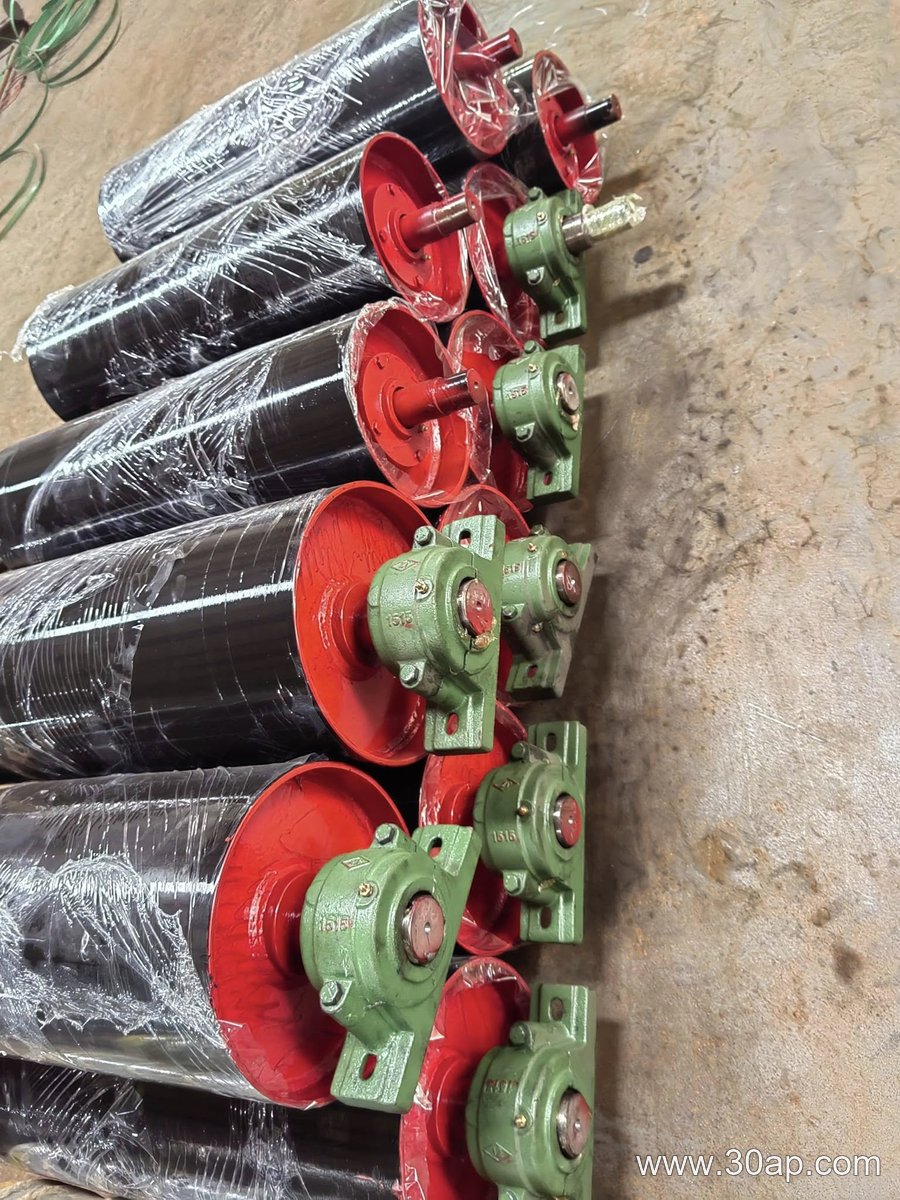
Lagging raises the friction coefficient and protects the shell. Plain rubber is used for many general duties. Diamond or herringbone patterns help shed water and fines. Ceramic tiles suit abrasive or wet conditions where rubber would wear quickly. Common lagging thicknesses include 8, 10, 12, 15 and 20 mm, selected according to load and slip risk.
What to Confirm Before Ordering
A clear specification avoids a mismatch on site. Buyers should confirm the belt width, the required belt speed, the output torque, the mounting position, the available space, the ambient conditions and the voltage and frequency of the power supply. It also helps to state whether the drum will run in a dusty, wet or corrosive area, because that affects sealing and lagging.
When the drive is internal, maintenance usually means checking oil, seals and bearing condition rather than changing external belts and chains. A conveyor pulley of this type can run for a long time when the load is within its rating and the belt is aligned. Checking alignment and keeping the idler roller and conveyor bracket in good order will also reduce strain on the drum.