What a High-Angle Conveyor Trough Idler Does
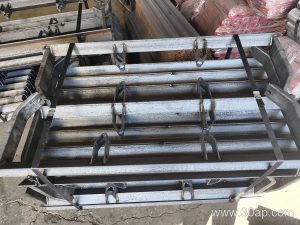
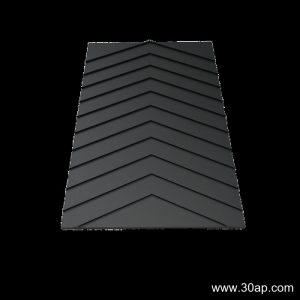
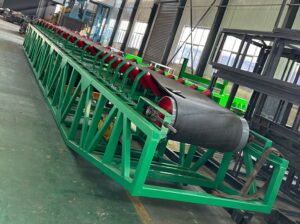
When a conveyor has to lift bulk material at a steep angle, the belt needs more than a flat support. A high-angle conveyor trough idler is the roll assembly that shapes the belt into a deep trough so the load sits centered and does not slide back. In practice, this is a steep-incline troughing idler used on the carrying side of the conveyor. It works together with the conveyor belt, the conveyor pulley at the head or tail, and the conveyor bracket that holds each station in line.
The main job is simple: support the belt, keep the material contained, and let the belt run smoothly. On an incline, the trough angle and roll arrangement matter more than on a flat run because gravity is working against the load.
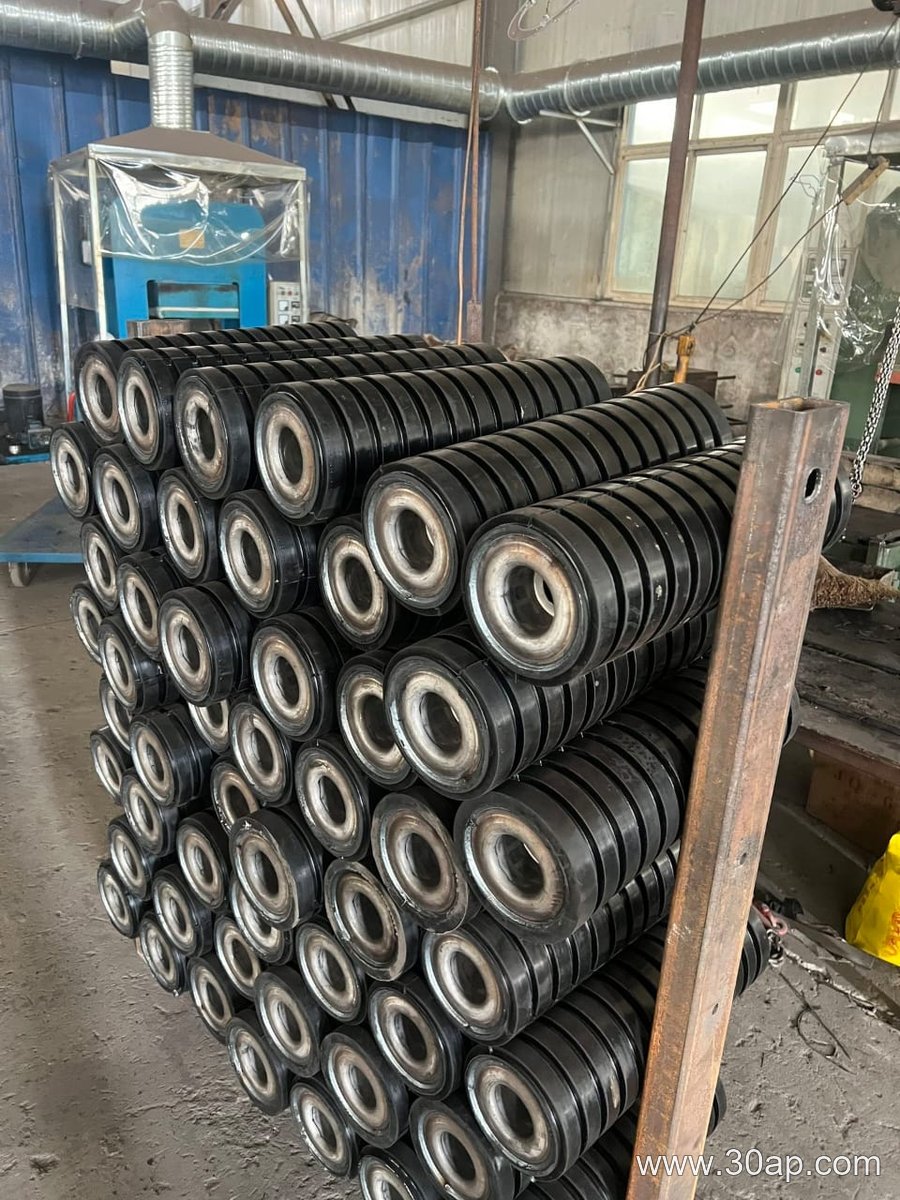
How the Idler Is Built
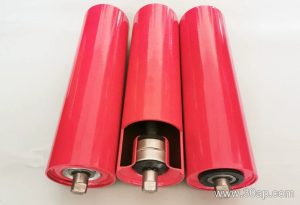
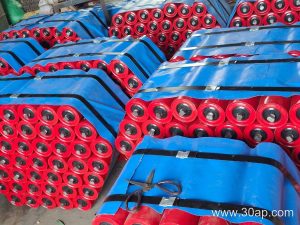
A typical unit uses three rolls set at a trough angle. Two side rolls tilt upward, and a center roll sits lower. Common trough angles are 20, 30, 35, and 45 degrees. Steeper angles suit high-angle conveying because they give the belt a deeper pocket. The rolls may be steel tube, nylon, ceramic, or rubber-covered, depending on the material and the environment.
Inside each roll is a shaft, bearing housing, and bearing. Common bearing sizes include 6204, 6205, 6305, 6306, 6308, and 6310. The bearing is not tied to one roll diameter; selection depends on load, speed, and seal design. Roll diameters often range from Ø63 to Ø219, with Ø89, Ø108, Ø127, Ø133, and Ø159 being common in many bulk handling conveyors. The roll length changes with belt width, trough angle, and the number of rolls in the station. For a three-roll troughing set, common roll lengths are roughly 200 mm for B500, 250 mm for B650, 315 mm for B800, 380 mm for B1000, 465 mm for B1200, 530 mm for B1400, 600 mm for B1600, 670 mm for B1800, and 750 mm for B2000. These are examples, not fixed matches, and side rolls can differ from the center roll.
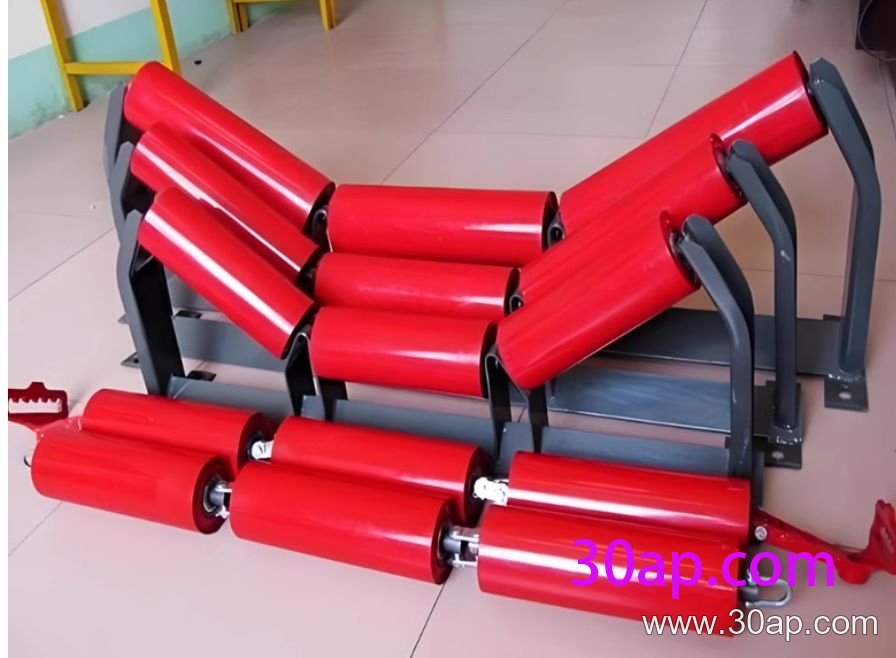
Where It Fits on the Conveyor
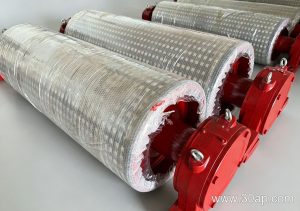
These idlers are placed along the carrying run, especially on the steep section. They are not the same as the drive pulley or tail pulley, which transmit power and change belt direction. A bend pulley is also a different component. The trough idler only supports and shapes the belt.
On a high-angle system, you may also see transition idlers near the loading point and return idlers under the belt. A V-type return idler or a flat return roller can be used on the return strand, but those are different positions and should not be confused with the troughing idler on the carrying side. In some cases, a garland or spiral idler is chosen for sticky material, but the main subject here remains the high-angle trough idler.
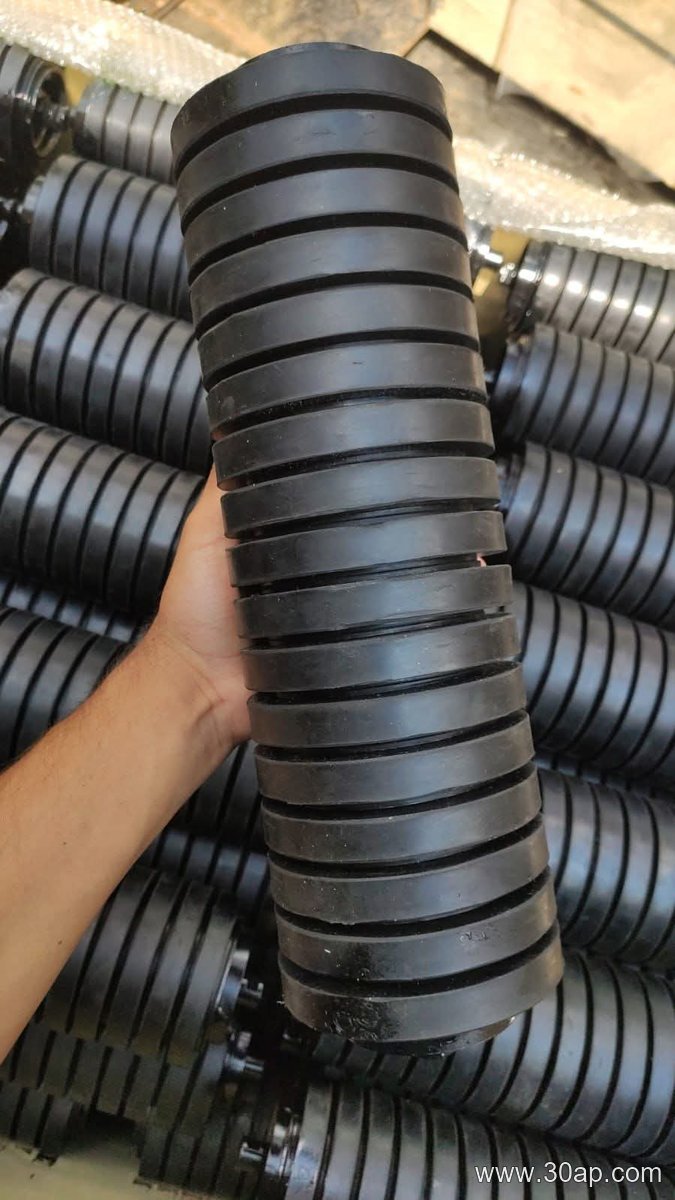
Applications and Site Conditions
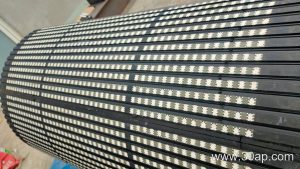
Steep incline trough idlers are common in sand and gravel lines, crushed stone operations, and tunnel mucking. They also appear in fertilizer plants and grain handling where the belt must climb at a steep angle without spilling. The material type matters: wet or sticky loads may need a different roll surface, while abrasive rock calls for wear-resistant tube or rubber discs.
Belt width also guides the choice. Common widths include B400, B500, B650, B800, B1000, B1200, B1400, B1600, B1800, B2000, B2200, and B2400. A wider belt usually needs a wider idler station and a larger roll length, but the exact combination is set by the conveyor designer. Do not assume one belt width always pairs with one pulley diameter or one shaft size.
What Buyers Should Check
- Trough angle and roll arrangement for the steep section
- Roll diameter and wall thickness for the load and impact
- Bearing size and seal type for dust and moisture
- Roll surface material for abrasion or sticking
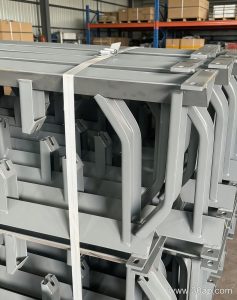
- Mounting dimensions and bracket compatibility
- Belt width and required roll length
Ask for the idler drawing, bearing code, and roll length before ordering. If the conveyor already has a high-angle trough idler set, match the mounting holes and the trough angle first. A well-chosen idler keeps the belt tracking, reduces spillage, and helps the steep incline do its job without extra wear on the belt or the pulley.