What a Coal Mine Conveyor Pulley Does Underground
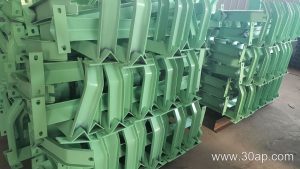
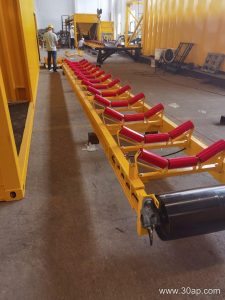
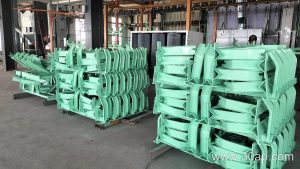
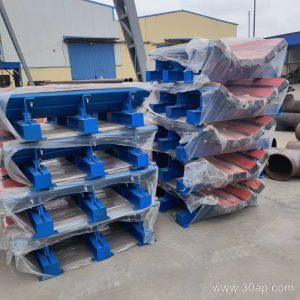
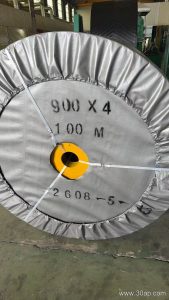
A coal mine conveyor pulley is the rotating drum that drives or redirects the conveyor belt in a coal handling system. It is not a single generic part. Drive pulleys transmit torque from the gearbox to the belt, tail pulleys return the belt at the loading end, and bend pulleys change belt direction around tensioning or transfer points. Each position has its own load profile, so a drive pulley and a tail pulley are not interchangeable even when they share a similar diameter. The same rule applies to a bend pulley and a take-up pulley. In a typical coal mine, the conveyor pulley works with the conveyor belt, idler rollers, and conveyor brackets to keep material moving from the face to the surface or to a preparation plant.
Construction and Surface Options
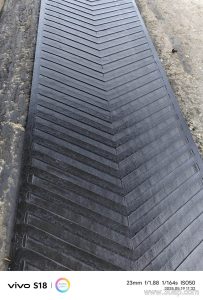
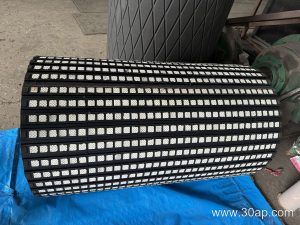
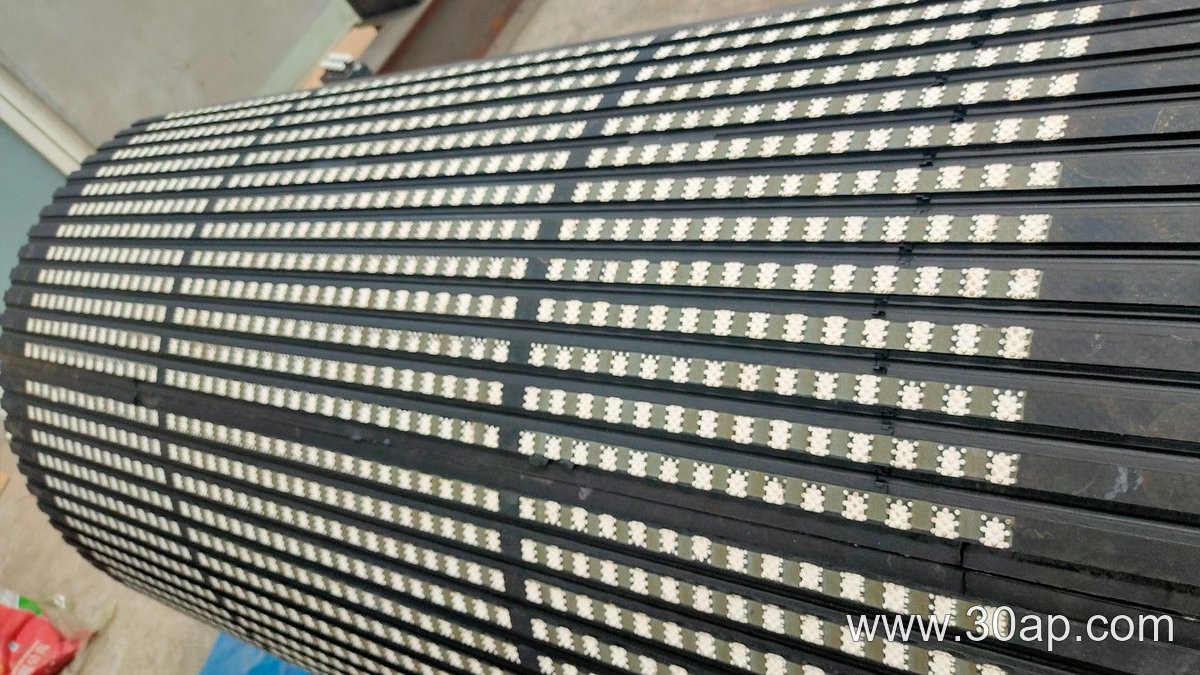
A coal mine conveyor pulley is usually built from a steel cylindrical shell, two end discs, a shaft, and a hub connection. The shell may be machined smooth or covered with rubber. Common surface forms include plain finish, hot vulcanized rubber, cold bonded rubber, diamond grooving, herringbone grooving, and ceramic lagging. Lagging thickness commonly falls in the range of 8 mm to 20 mm, with 10 mm and 12 mm widely used for moderate duty. The shaft diameter is selected by torque and bending load, not by belt width alone. Typical shaft sizes include Ø50, Ø60, Ø70, Ø80, Ø90, Ø100, Ø120, Ø140, Ø160, Ø180, and Ø200. A larger shaft may be needed where the pulley sits close to the drive and carries high tension.
Where It Fits in a Coal Handling Line
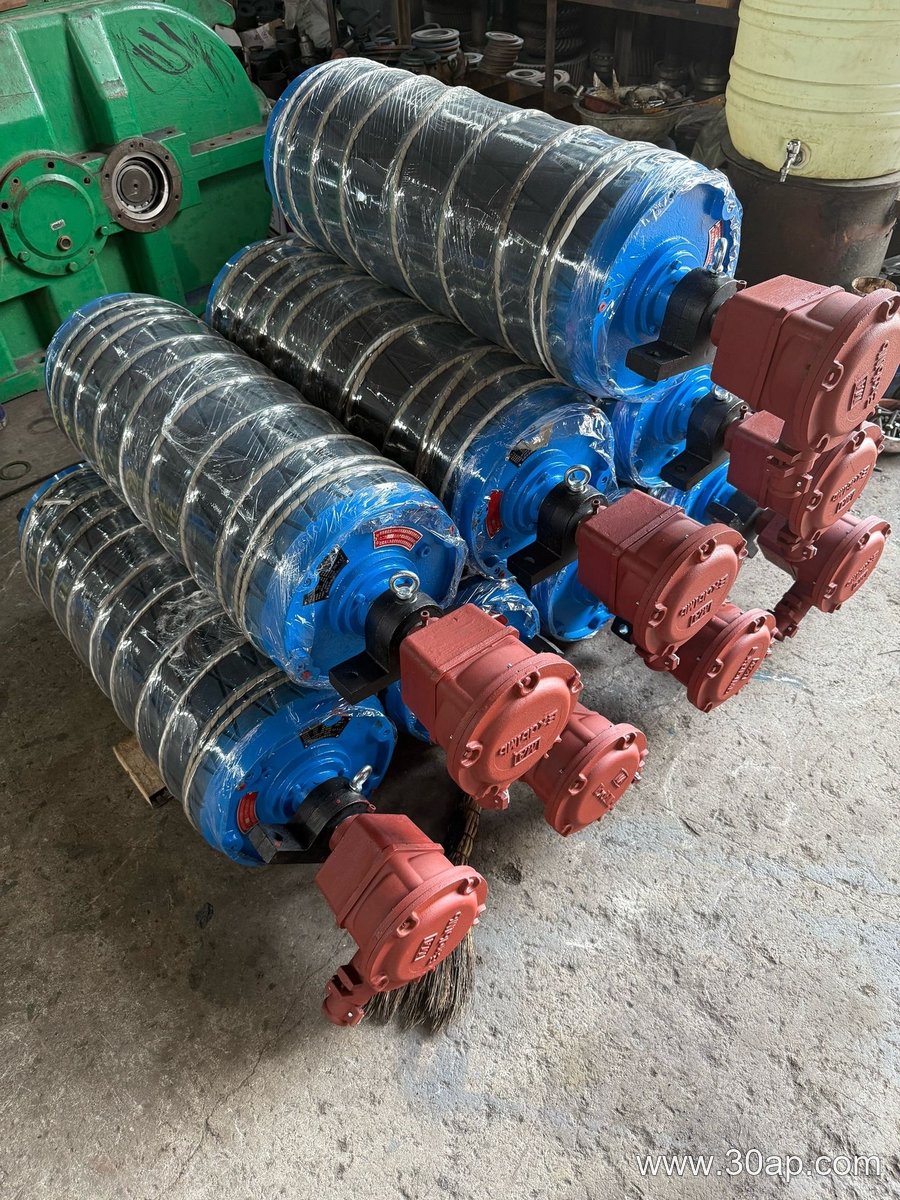
Coal mines and coal preparation plants use these pulleys at the head, tail, and intermediate transfer points. A head or drive pulley often sits at the discharge end, while a tail pulley is placed at the loading zone. Bend pulleys appear around gravity take-ups or where the belt must wrap a tensioning unit. In a wash plant, a coal mine conveyor pulley may handle wet, sticky fines, so lagging choice matters more than in a dry ROM coal line. In a power plant coal yard or a port stockyard, the same pulley family moves crushed coal over long distances. The working environment is usually dusty, sometimes wet, and often requires attention to sealing and corrosion protection.
Sizing a Pulley to the Belt and the Duty
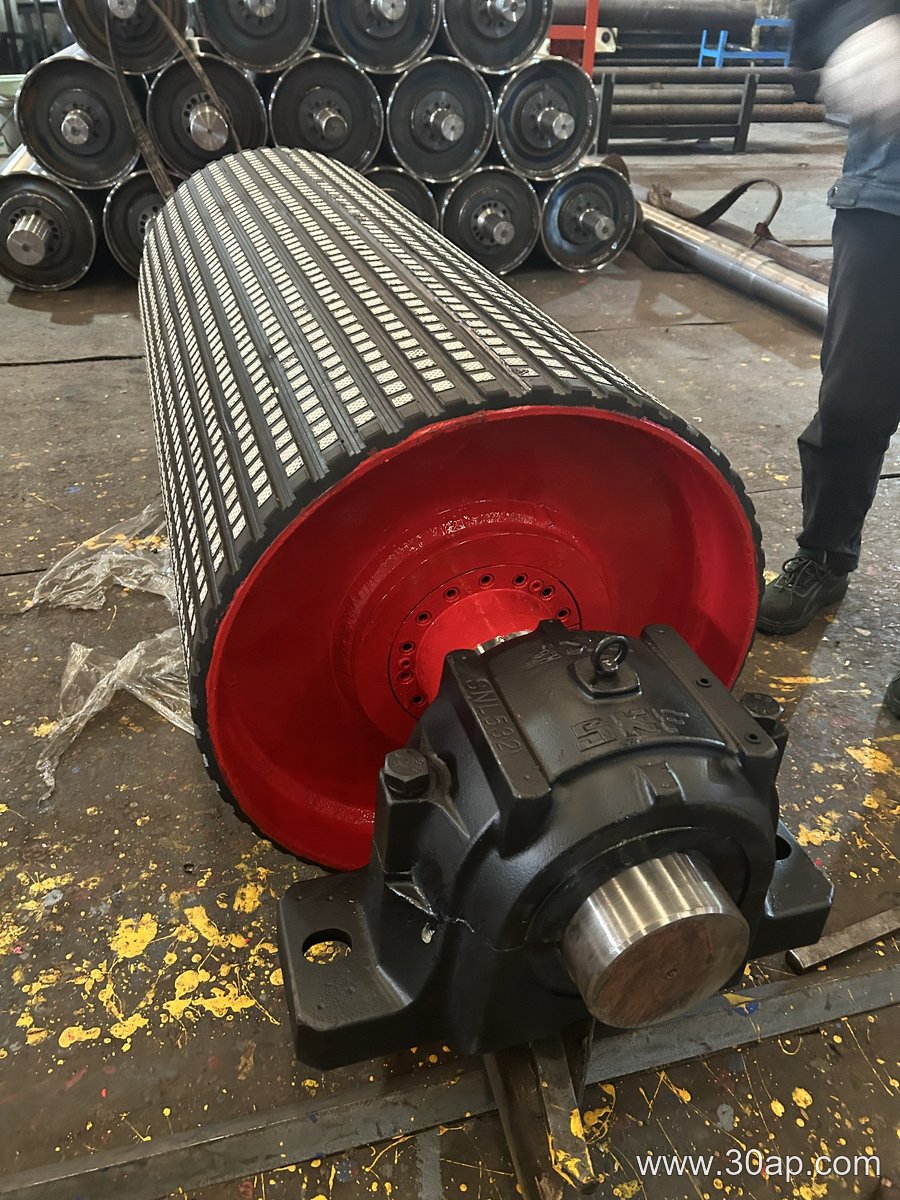
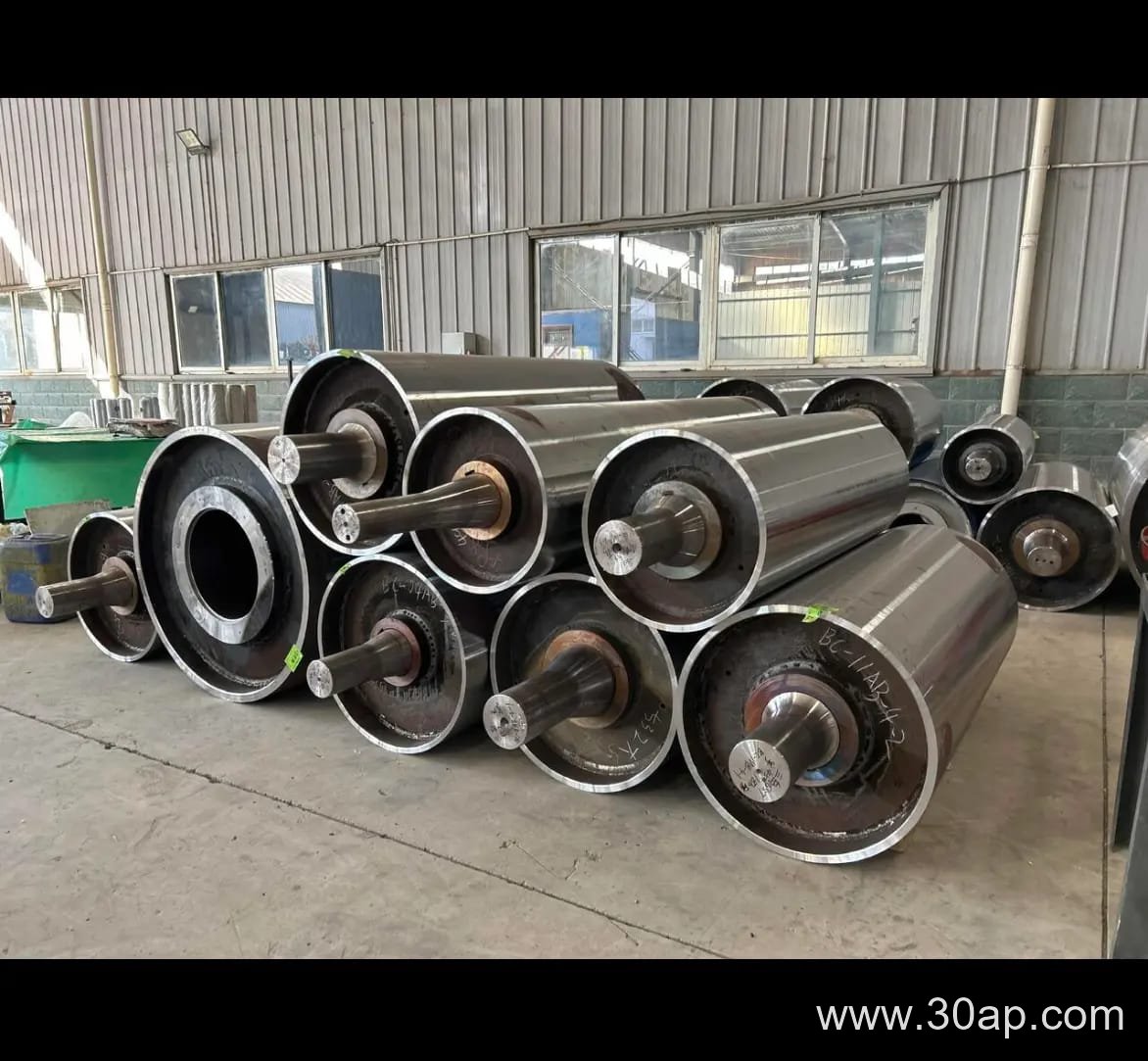
Belt width and pulley diameter are related but not locked together. A B800 belt may run on a Ø500 pulley in one conveyor and a Ø630 pulley in another, depending on belt tension, wrap angle, and space. Larger diameters reduce belt bending stress and can improve belt life, but they also require more room and add weight. The pulley face width is normally wider than the belt. For example, a B400 belt often uses a face around 500 mm, a B650 belt around 750 mm, and a B1200 belt around 1400 mm. These are common reference values, not a fixed rule. A buyer should confirm the actual belt width, the required shaft size, and the lagging type with the conveyor designer.
What Buyers Should Check Before Ordering
- Position and function: drive, tail, bend, take-up, or snub. Each has a different duty.
- Belt width and pulley face width, such as B800 with a face near 950 mm.
- Pulley diameter and shaft diameter as a matched set, not as separate guesses.
- Lagging form and thickness, for example diamond rubber at 10 mm or plain steel for a light return position.
- Bearing type, sealing arrangement, and lubrication method for the coal dust environment.
- Balancing and runout requirements for high-speed drives.
Do not assume that one belt width can only match one pulley diameter, and do not derive a shaft size from belt width alone. A coal mine conveyor pulley is a designed component. The right choice comes from the conveyor’s tension calculation, the drive power, and the space available at the installation point.
Maintenance Notes for Underground and Plant Use
Inspect lagging for wear, glazing, or missing rubber. Check for material buildup between the pulley and the belt, which can cause tracking problems. Verify that the conveyor bracket and bearing housing remain aligned. If a bend pulley shows uneven wear, the cause may be a misaligned belt or a worn idler roller nearby, not the pulley itself. Keep records of shaft diameter, lagging thickness, and installation date so replacement parts match the original design. For coal mines, the goal is simple: keep the belt centered, keep the torque transmitted, and avoid unplanned stops.