What a Carrying Trough Idler Does on a Conveyor
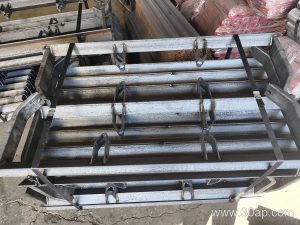
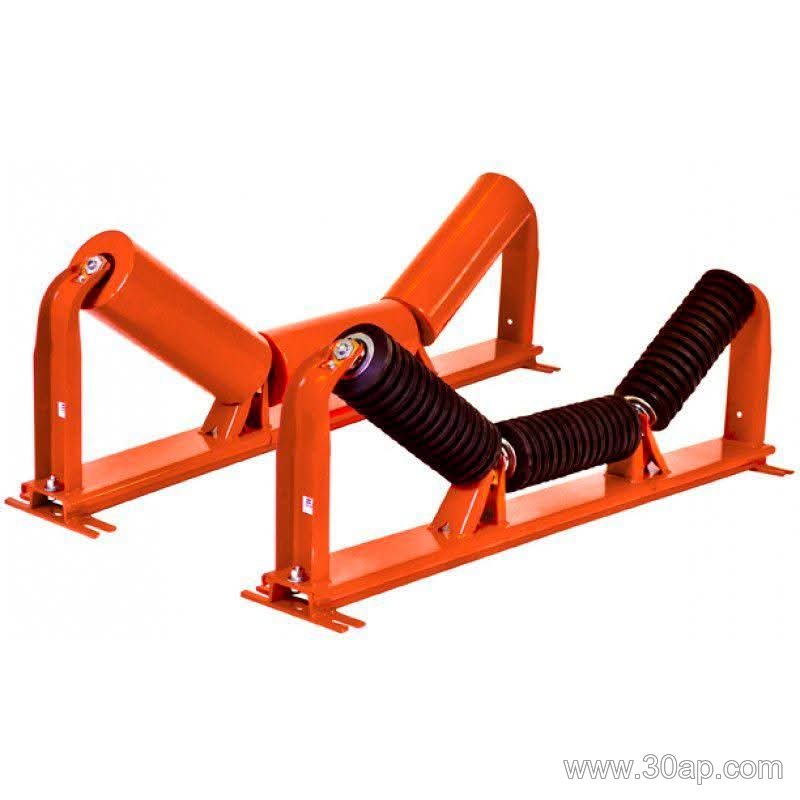
A carrying trough idler is the upper roller set that supports the loaded conveyor belt and shapes it into a shallow trough. The belt sits inside that trough, so bulk material stays centered instead of spilling over the edges. On a typical three-roll troughing idler, the two side rollers angle upward while the center roller stays nearly horizontal, and together they form the troughing angle. This is the everyday upper carrying idler arrangement found on most belt conveyors, and it works together with the conveyor belt, the idler roller frame, and the supporting conveyor bracket.
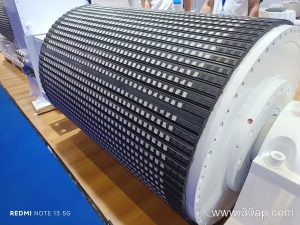
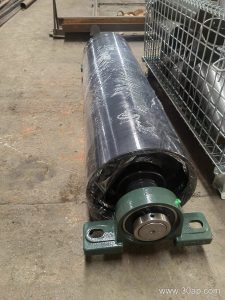
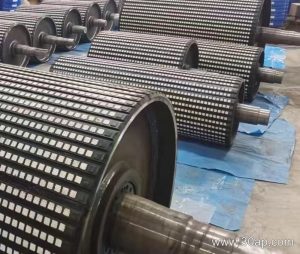
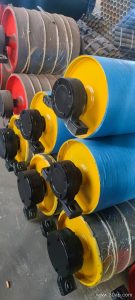
Do not confuse a carrying trough idler with a conveyor pulley. Drive, tail, and bend pulleys are entirely different components that transmit power or change belt direction. A carrying trough idler only supports the belt and the material on it.
How the Roller Set Is Built
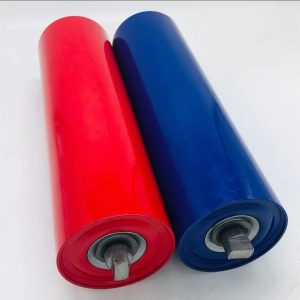
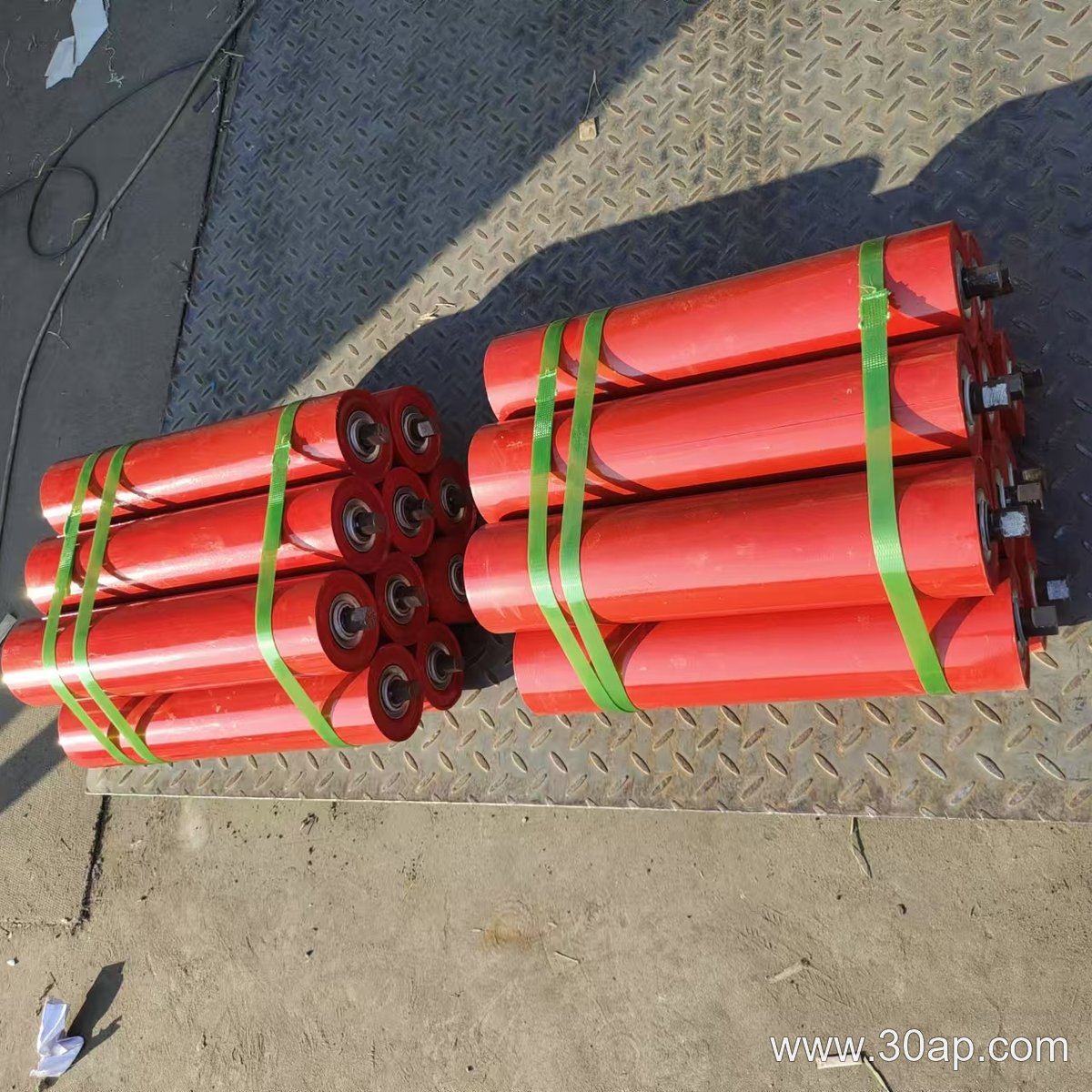
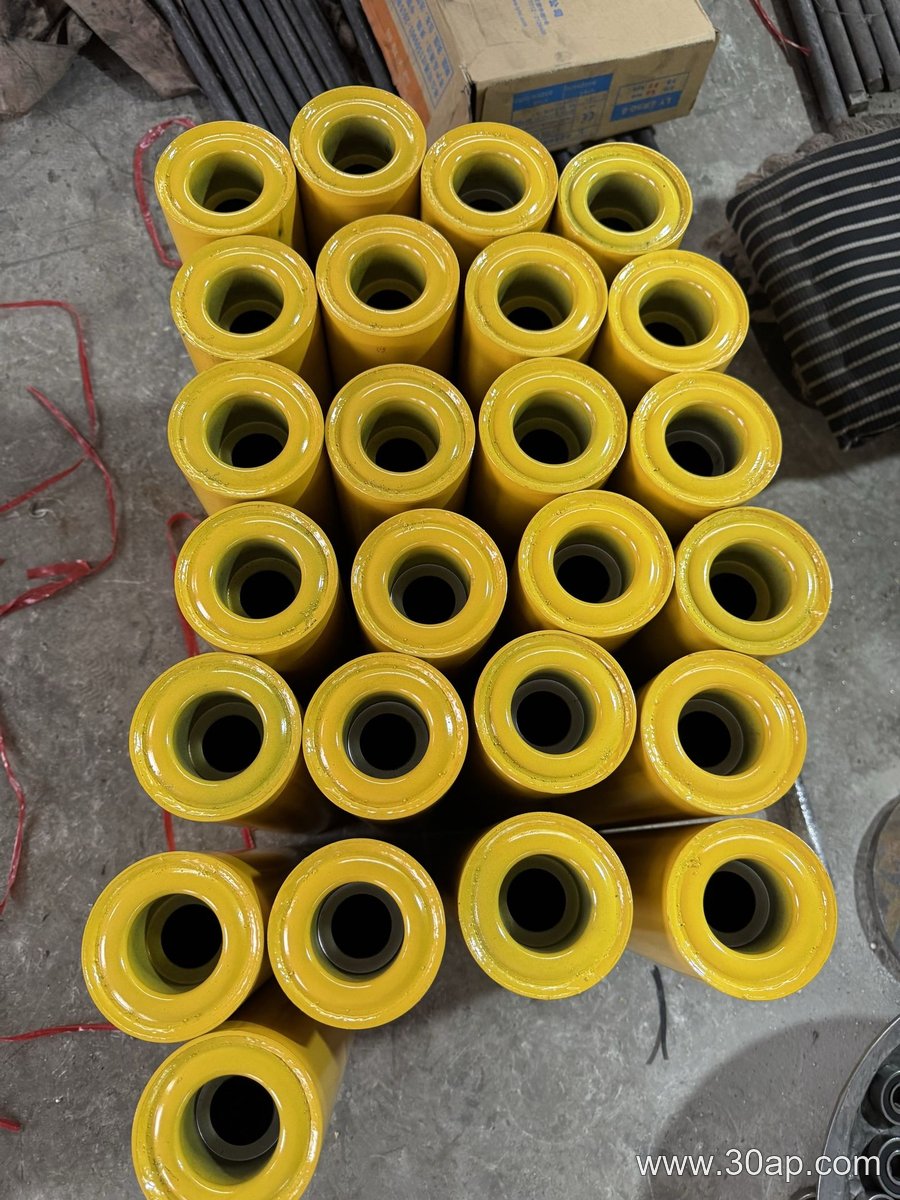
The basic parts are the roller shell, the shaft, the bearing housing, and the seal. Shells are commonly made of steel tube, and some designs use nylon, ceramic, or a rubber ring surface depending on the material being handled and the wear conditions. Bearing sizes such as 6204, 6205, 6305, 6306, 6308, and 6310 appear across the range, but no single bearing is tied to one roller diameter. The bearing choice follows the load, speed, and sealing design of the roller.
Sealing matters as much as the bearing itself. Dust, fine grit, and moisture are the main enemies of roller life, so labyrinth seals and grease retention features are common. A well-sealed idler roller keeps its grease in and keeps contaminants out, which reduces rolling resistance and extends service intervals.
Troughing Angles and Roller Arrangement
Troughing angles of 20, 30, 35, and 45 degrees are common. A shallow angle suits materials that are easy to disturb, while a deeper trough helps contain a wider load on a fast-moving belt. The roller set can be a single roller, a two-roll arrangement, or a three-roll troughing set, and the choice affects how the belt is trained and how evenly the load is distributed.
An important related subtype is the transition idler. It is placed near a pulley where the belt changes from flat to troughed, and it smooths that change so the belt is not overstressed at the edges. It is a comparison point, not a replacement for the main carrying idler.
Roller Diameter and Belt Width
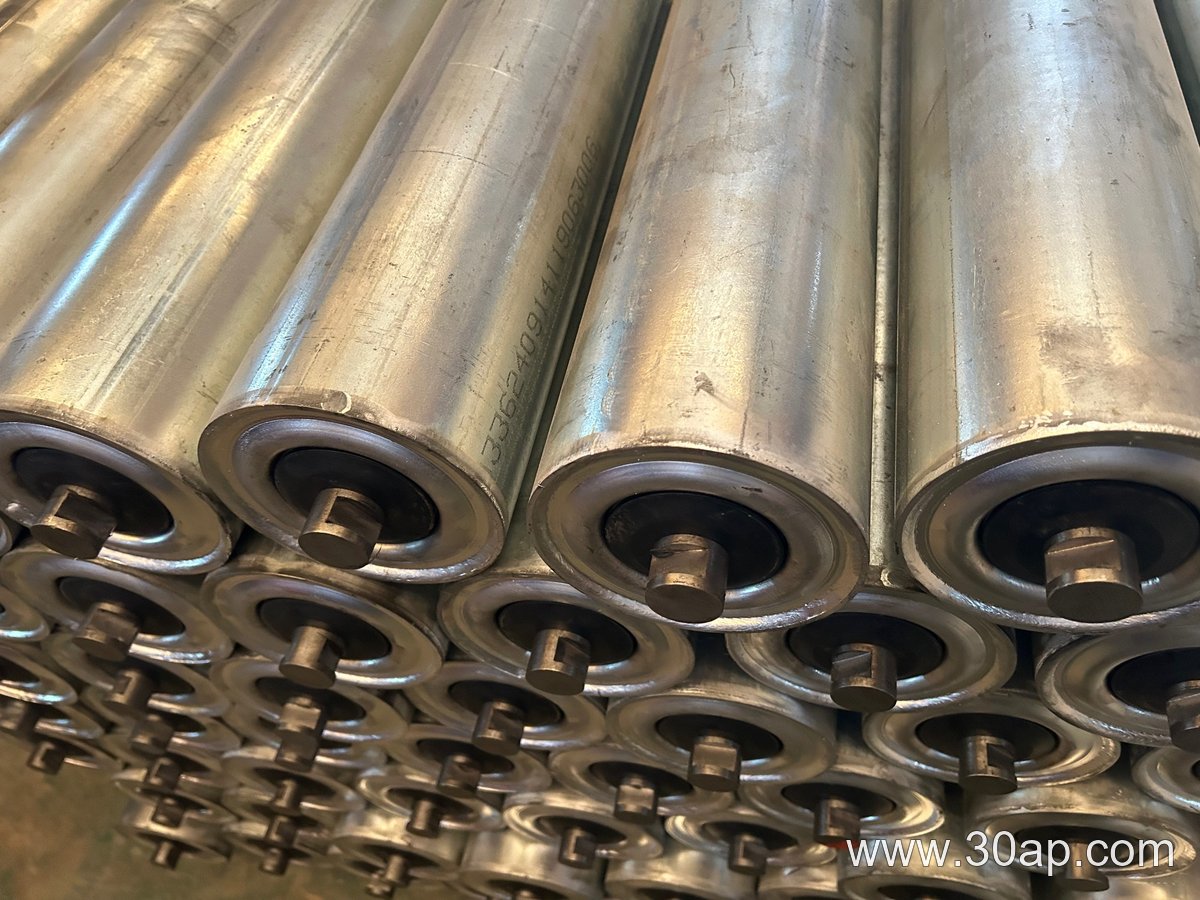
Roller diameters such as 63, 76, 89, 102, 108, 127, 133, 159, 178, 194, and 219 mm are used across different conveyor sizes. Belt widths commonly range from B400 up to B2400. Roller length changes with belt width, troughing angle, and the number of rollers in the set. For example, a three-roll troughing set with a B800 belt often uses side rollers around 315 mm long, while a B1200 set may use side rollers near 465 mm. These are reference examples only; side and center rollers can differ, and the final length is determined by the conveyor design.
There is no rule that says one belt width can only match one pulley diameter, and shaft diameter should not be guessed from belt width alone.
Where Carrying Trough Idlers Are Used
These idlers appear wherever bulk material moves continuously on a belt. In a limestone quarry, they carry crushed rock from the primary crusher toward the stockpile. In a coal-fired power plant, they support the conveyor belt that feeds coal from the yard to the bunkers. Both are demanding settings because the material is abrasive and the belt runs for long hours.
In a concrete mixing plant or a sand and gravel line, the same troughing sets handle smaller, drier loads, and the sealing and roller surface may be selected differently to suit the dust and moisture present.
What a Buyer Should Check
- Confirm the belt width and the required troughing angle before ordering, since these determine roller length and the frame geometry.
- Match the roller diameter and bearing class to the actual load and belt speed, not to a single fixed number.
- Review the seal type for the site conditions, especially where dust or washdown is present.
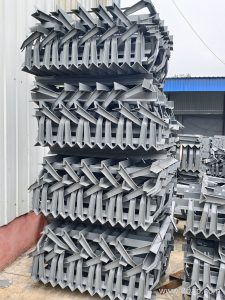
- Check that the conveyor bracket and mounting dimensions fit the existing frame before replacement.
- Ask about roller surface options such as steel, nylon, ceramic, or rubber ring when abrasion or impact is a concern.
A carrying trough idler is a simple component, but its diameter, seal, surface, and troughing angle all influence belt life and material containment. Choosing the right combination for the duty keeps the conveyor running smoothly.