What a Three-Roll Idler Bracket Does
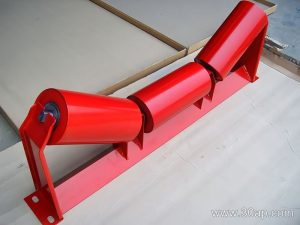
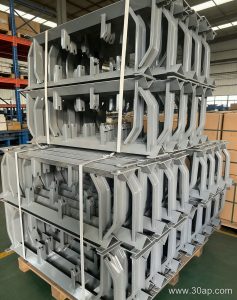
A three-roll idler bracket is the support frame that holds three idler rollers in a trough shape under a conveyor belt. It is also called a troughing idler bracket or troughing station bracket. Its job is simple but critical: keep the belt cupped so material stays centered and does not spill. The center roller sits flat, while the two side rollers angle upward. That angle is the trough angle, and the bracket controls it.
The bracket does not carry the belt alone. It works with a conveyor belt, idler rollers, and a conveyor pulley at the drive or tail end. But the three-roll bracket is what gives the belt its carrying profile along the load zone.
How the Bracket Is Built
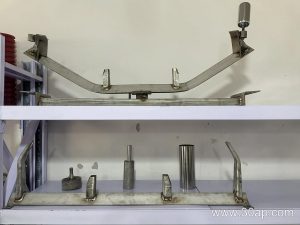
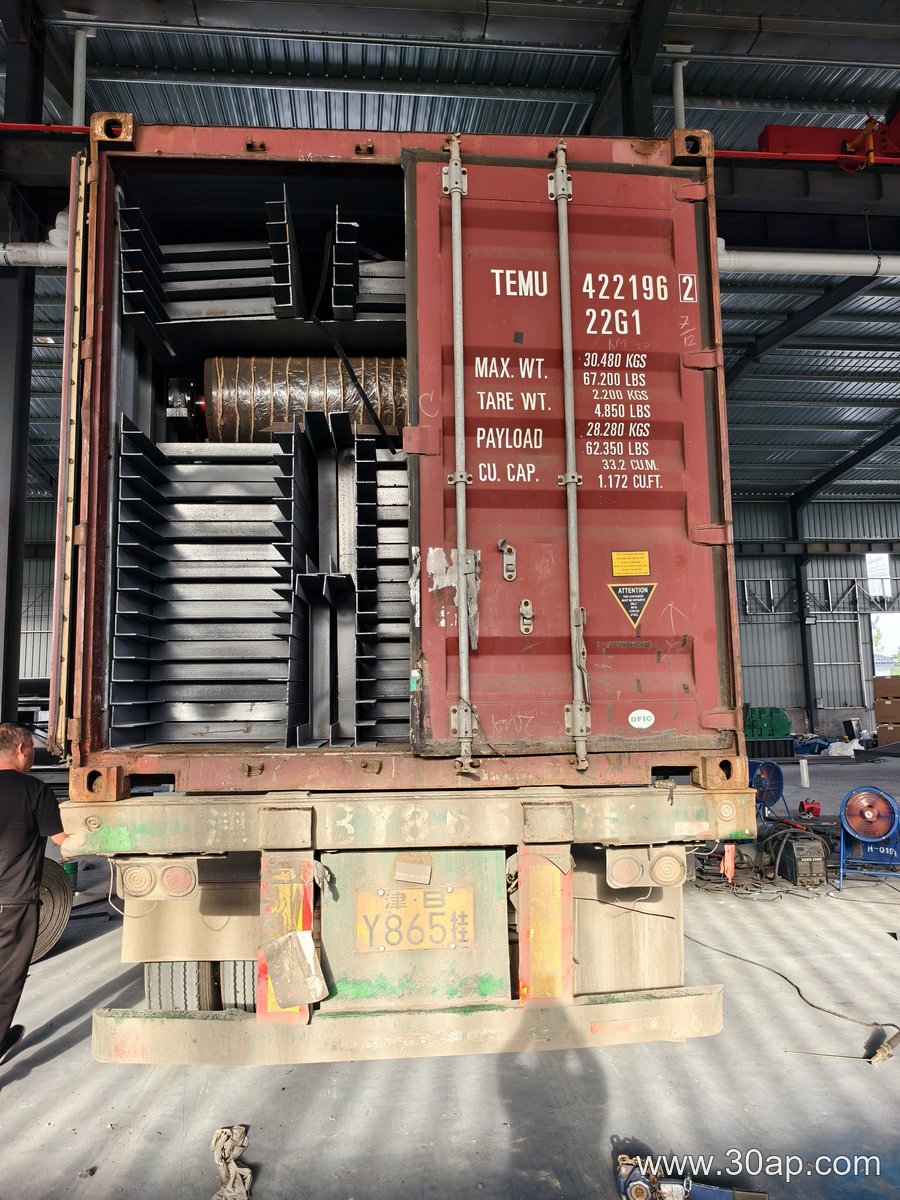
Most three-roll idler brackets are made from angle steel, channel steel, or bent steel plate. The frame has slots or holes for each roller shaft. The side arms are positioned at a fixed or adjustable trough angle. A fixed bracket is welded or bolted at one angle. An adjustable bracket lets maintenance crews change the trough angle by moving the side roller positions.
Common trough angles are 20, 30, 35, and 45 degrees. An adjustable three-roll bracket can often move between these values. For example, a B800 belt with Ø108 rollers might run at 35 degrees in a quarry, while a B1200 line with Ø133 rollers could use 45 degrees for higher capacity. These are common pairings, not rules. The right angle depends on belt width, material, and loading conditions.
Where It Fits on the Conveyor
Three-roll brackets appear in the carrying side, usually every 1 to 1.5 meters along the conveyor. They are common in crushing and screening plants, coal washing stations, and cement plants. In a gravel line, they keep crushed stone centered after the crusher. In a power plant coal yard, they support the belt through the transfer points. A three-roll bracket is not used on the return side; that is where a flat return bracket or V-return bracket takes over.
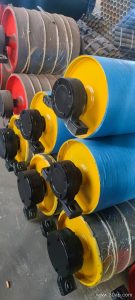
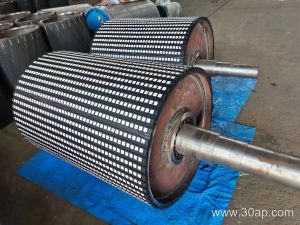
Do not confuse a three-roll idler bracket with a conveyor pulley. Drive, tail, and bend pulleys are completely different components. A pulley turns the belt; a bracket holds the idlers that support it. They are not interchangeable names or parts.
Selecting the Right Bracket
Buyers should match the bracket to the belt width, roller diameter, and trough angle. Belt widths range from B500 to B2200, but not every width needs every angle. Roller diameters such as Ø89, Ø108, Ø133, Ø159, and Ø194 are common, and the bracket must have the correct shaft spacing for the chosen roller. A B650 belt with Ø89 rollers at 30 degrees is a typical light-duty setup. A B1400 belt with Ø159 rollers at 35 degrees suits heavier loads.
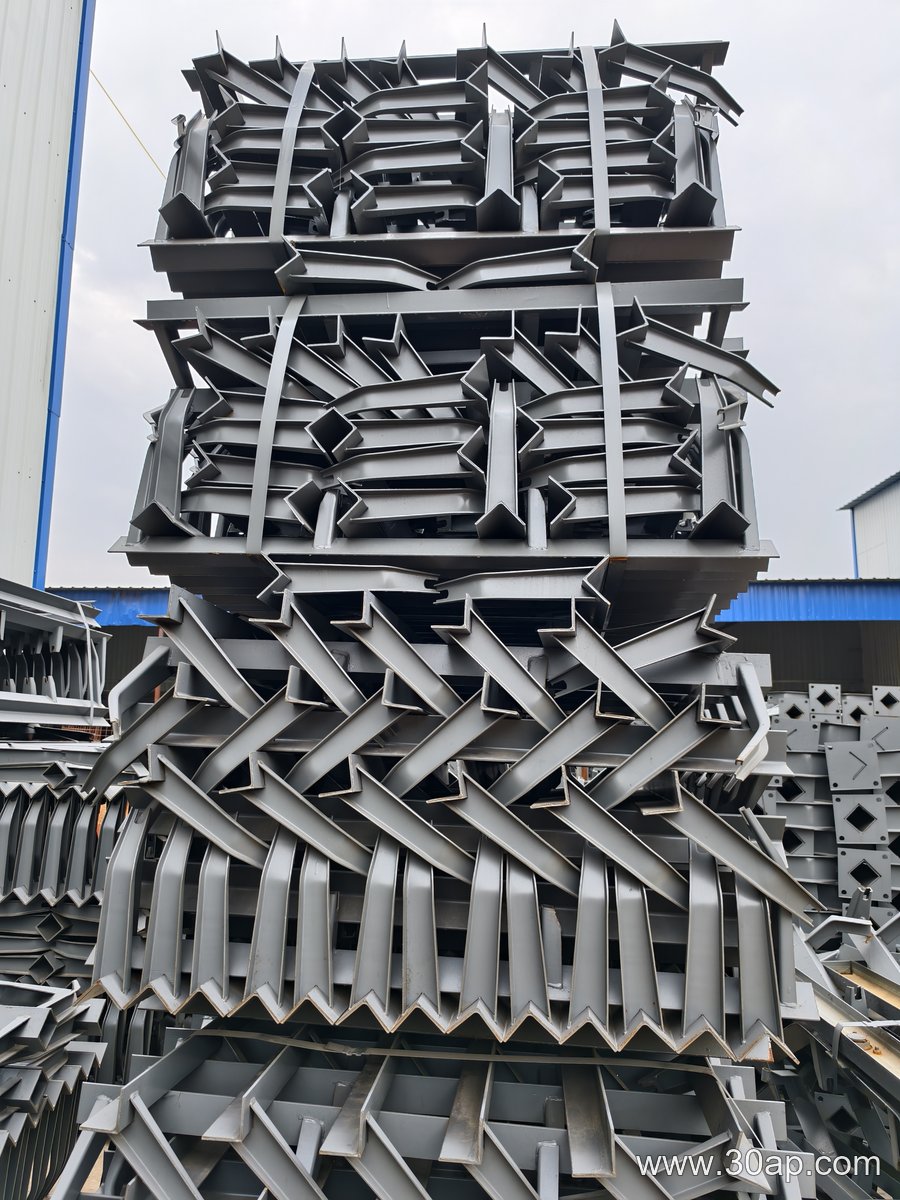
Mounting hole distance and beam length vary with belt width and trough angle. There is no single fixed number that fits all conveyors. Always confirm the bracket dimensions against the actual idler frame and conveyor structure.
Fixed vs Adjustable Three-Roll Brackets
A fixed three-roll idler bracket is simple and rigid. It is a good choice when the material and belt loading are stable. An adjustable bracket costs more but allows fine-tuning. If a conveyor handles different materials or has belt misalignment issues, an adjustable three-roll bracket can help. It also lets crews change the trough angle without replacing the whole frame.
For transition zones near the tail pulley, a transition bracket is sometimes used instead of a standard three-roll bracket. That is a different subtype, not a replacement for the main troughing station.
Maintenance and Buyer Checklist
- Check that the bracket fits the idler roller shaft diameter and length.
- Confirm the trough angle matches the belt and material.
- Inspect for bent side arms or worn mounting holes.
- Keep spare brackets for high-wear zones near loading points.
- Do not mix bracket types from different conveyor sections without checking alignment.
A three-roll idler bracket is a small part with a big effect on belt tracking and spillage. Choose it by function, not by habit. Match the bracket to the belt, the rollers, and the job.