What a Conveyor Belt Guide Idler Does
A conveyor belt guide idler is a rotating roller assembly used to keep the belt centered on its intended path while still supporting the load. In many conveyor systems, this roller is also called a belt training idler or self-aligning idler. It is installed at points where the belt is most likely to drift, such as after the loading zone, along long straight runs, or before the tail pulley. Unlike a standard carrying idler that simply holds the belt up, the guide idler adds a steering function.
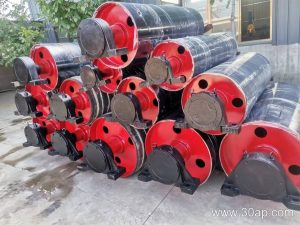
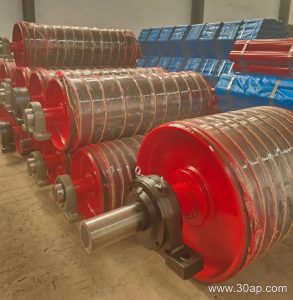
The guide idler should not be confused with a drive pulley, tail pulley, or bend pulley. Those are pulleys that transmit power or change the belt direction. The guide idler is a separate roller unit that works on the carrying or return side of the conveyor belt.
How the Guide Idler Is Built
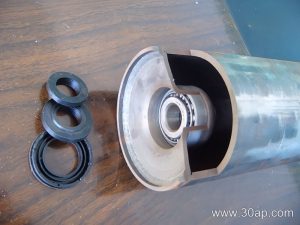
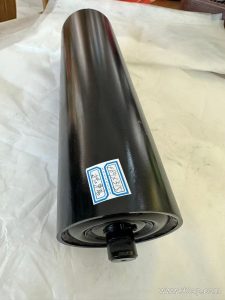
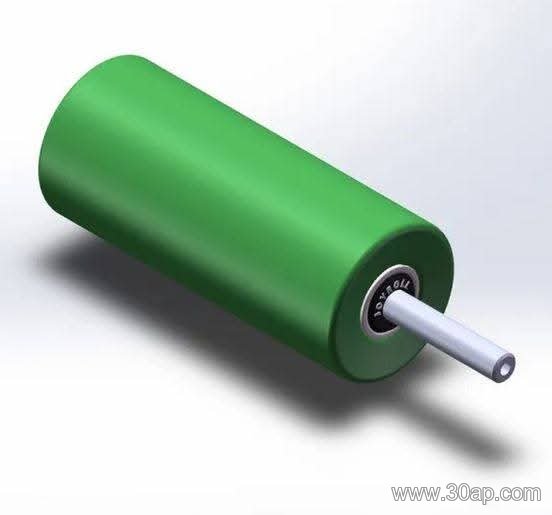
A typical unit combines a steel tube shell, bearing housings, a shaft, and some form of mounting bracket. The roller surface may be plain steel, nylon, rubber-covered, or ceramic-coated, depending on the material being conveyed and the environment. Rubber rings are sometimes used on impact or缓冲 idlers, but for a guide idler the surface is usually chosen for grip and wear resistance rather than impact absorption.
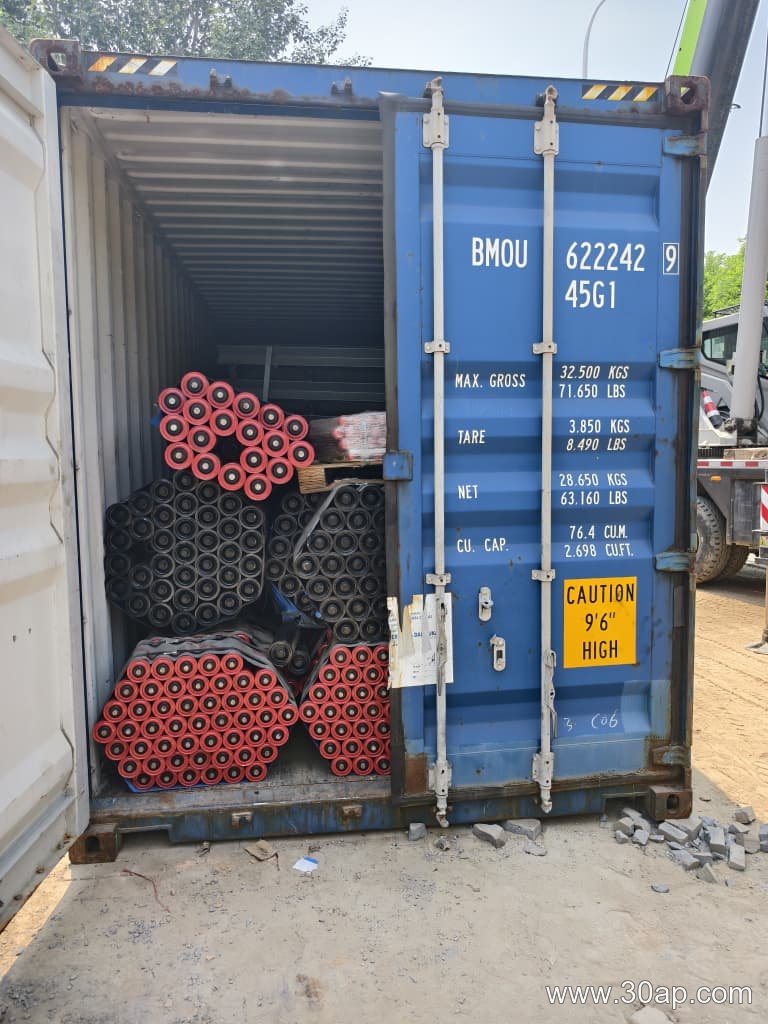
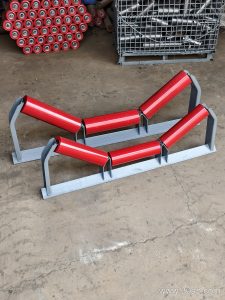
The most recognizable feature is the mounting arrangement. Many guide idlers use a pivoted frame or a bracket that allows the roller to swing slightly when the belt contacts it. When the belt touches one side of the angled roller, the resulting force nudges the belt back toward the center. Some designs use a pair of opposed rollers, while others use a single roller with a vertical pivot axis.
Bearings are selected according to load, speed, and shaft size. Common bearing numbers include 6204, 6205, 6305, 6306, 6308, and 6310, but the same roller diameter can be paired with different bearings, and no single bearing is universal. A belt width such as B800 or B1200 does not automatically determine one shaft diameter; the shaft is set by the idler manufacturer and the conveyor design.
Where It Fits on the Conveyor
Guide idlers are common in bulk handling lines where belt misalignment causes spillage, edge damage, or excessive wear. You will see them in a quarry or limestone mine on the main haulage conveyor, and in a coal preparation plant on the feed and product belts. They also appear in aggregate crushing and screening circuits, cement plants, and power station coal handling systems.
On a typical carrying run, a three-roll troughing set may use 20 degree, 30 degree, 35 degree, or 45 degree trough angles. A guide idler is often placed just after the loading chute, where off-center material can push the belt sideways. On the return run, a V-return idler or flat return idler may be used for support, while a separate training idler handles alignment. The guide idler does not replace the return idler; it works alongside it.
What Buyers Should Check
- Belt width and idler length. Common belt widths run from B400 up to B2400, but roller length must match the troughing configuration. For example, a three-roll 35 degree set on a B1000 belt often uses a side roller around 380 mm, while a B1400 set may use about 530 mm. These are common examples, not fixed rules.
- Roller diameter. Diameters such as Ø89, Ø108, Ø133, and Ø159 are widely used, but the correct size depends on belt speed, load, and shaft design.
- Mounting bracket and frame. The bracket must fit the existing conveyor structure. A guide idler that cannot pivot freely will not train the belt properly.
- Surface and sealing. In dusty or wet conditions, good labyrinth seals and a wear-resistant roller surface matter more than a low initial price.
- Maintenance access. The idler should be easy to inspect and replace without dismantling the whole conveyor.
Selection and Maintenance Notes
Choose a guide idler based on the belt width, the trough angle, the material, and the space available. A self-aligning idler with a friction or tapered roller face can be effective on long overland conveyors, while a simpler pivoted roller may be enough on a short transfer belt. Inspect the roller for smooth rotation, check that the pivot moves freely, and replace any bearing that becomes noisy or hot. Keeping the belt centered reduces edge damage and spillage, which extends the life of the conveyor belt and the conveyor pulley alike.