What an Ore Conveyor Idler Does
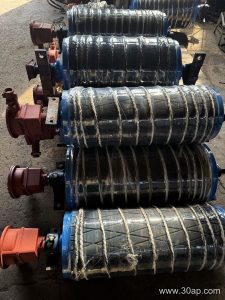
An ore conveyor idler is the rotating roller that supports and guides the conveyor belt along the carrying and return sides of a bulk handling system. In hard rock and mineral duty, it is often simply called a belt idler or a troughing roller, but the function is the same: carry the belt, the ore load, and the moving belt mass while keeping friction and belt sag under control. Unlike a drive pulley or a tail pulley, an idler does not transmit power. It only rotates with the belt. That distinction matters when specifying parts, because a conveyor pulley and an idler roller are not interchangeable.
How the Roller Is Built
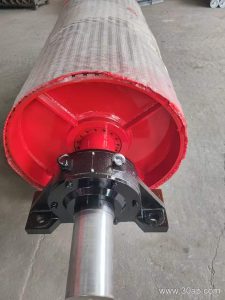
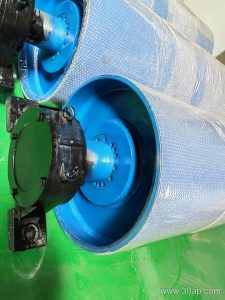
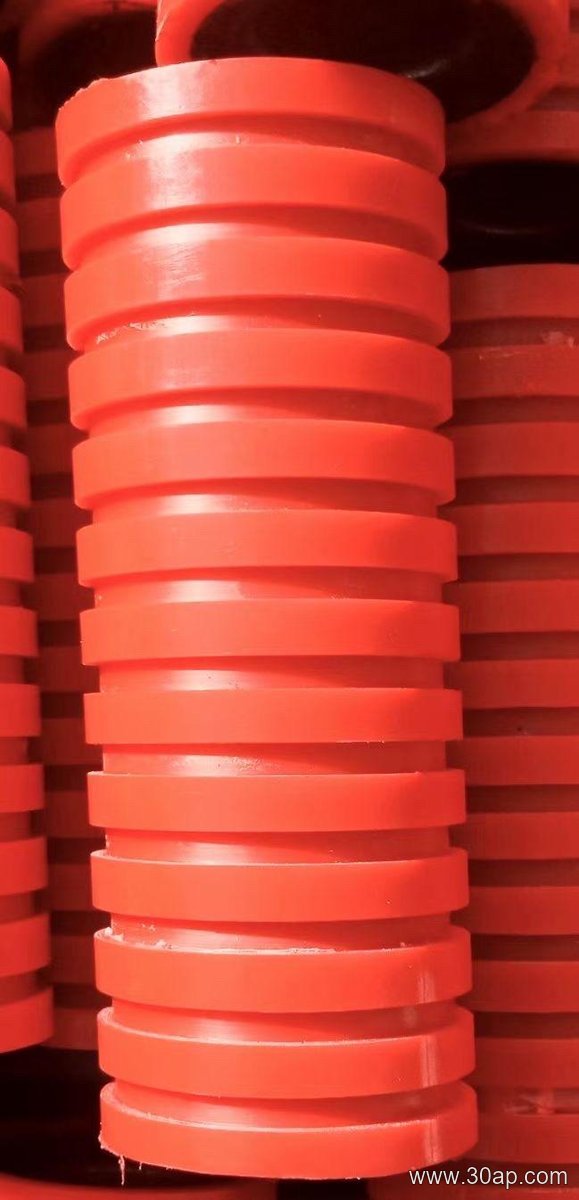
A typical unit consists of a steel tube shell, a shaft, bearing housings, seals, and a bearing arrangement. Roller surfaces may be plain steel, nylon, rubber rings, or ceramic in special cases. Rubber rings are common on impact or buffer idlers where ore lumps fall onto the belt. The bearing size is chosen from load, speed, and service life, not from belt width alone. Common bearing numbers such as 6204, 6205, 6305, 6306, 6308, and 6310 appear across different roller diameters, so a given bearing should not be tied to a single shell size.
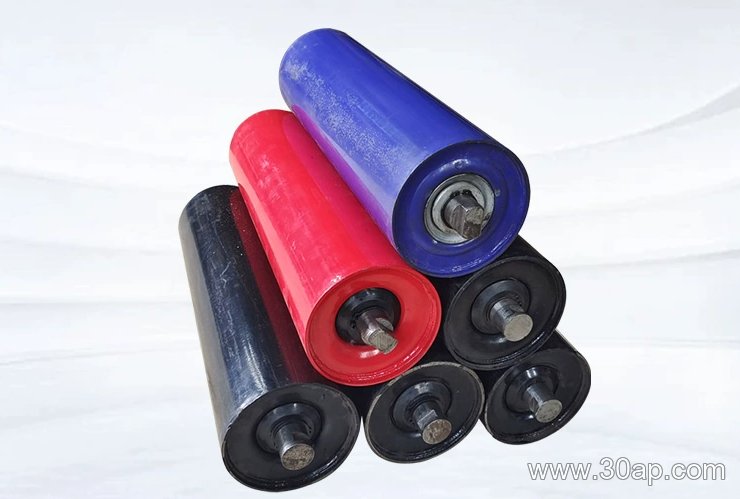
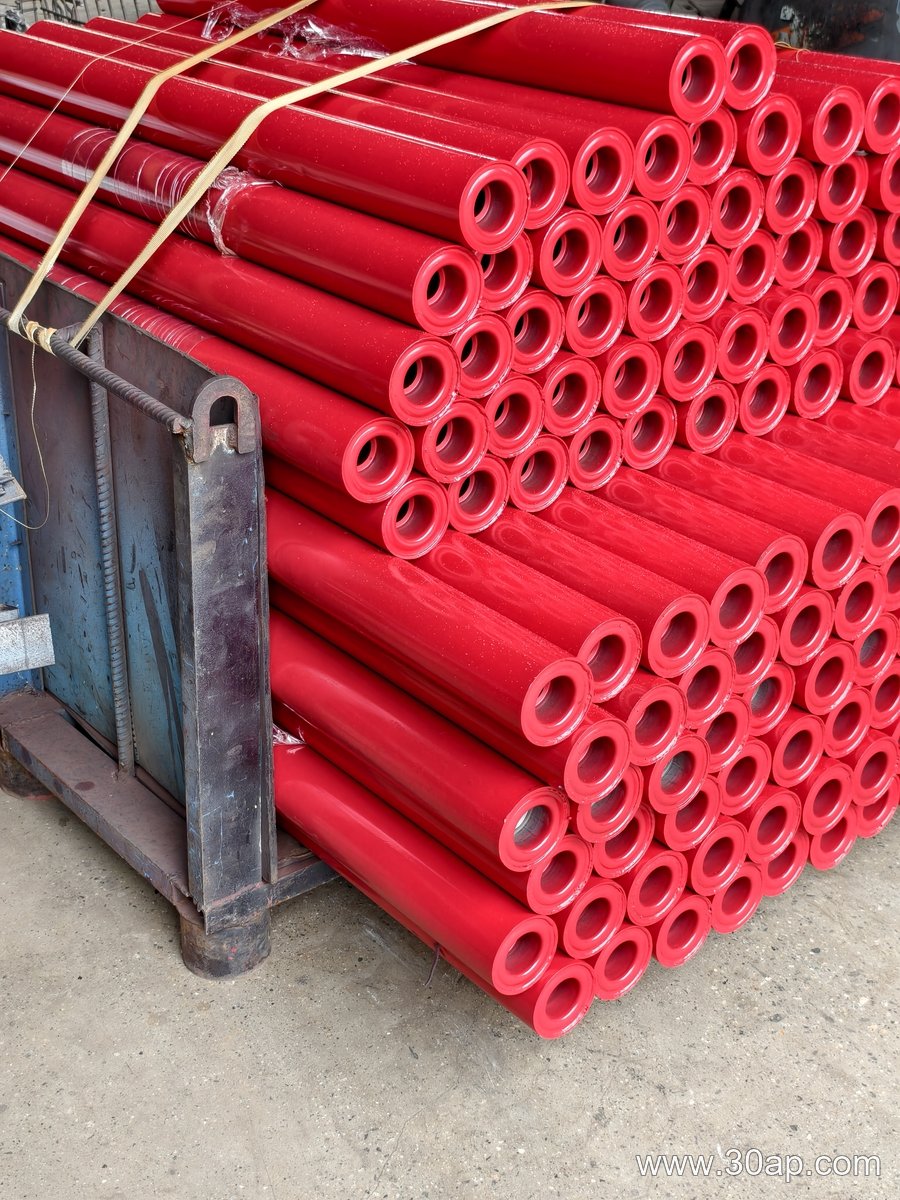
Sealing is a critical detail in ore service. Fine dust, water, and abrasive particles shorten bearing life quickly if the labyrinth or contact seal is weak. A good ore conveyor idler uses multiple-stage sealing and enough grease capacity to keep the bearing running cool between maintenance intervals.
Where Ore Conveyor Idlers Are Used
These rollers appear in many bulk material routes. In a copper mine, they carry crushed ore from the primary crusher to the stockpile. In a limestone quarry or aggregate line, they support belts after screening and crushing. Other common locations include iron ore plants, coal preparation plants, and port transfer conveyors. The working conditions vary widely, so the roller selected for a dry, fine product may not suit a wet, sticky, high-impact ore stream.
Common Types and Arrangements
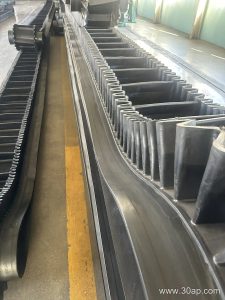
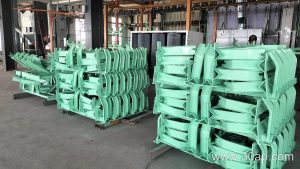
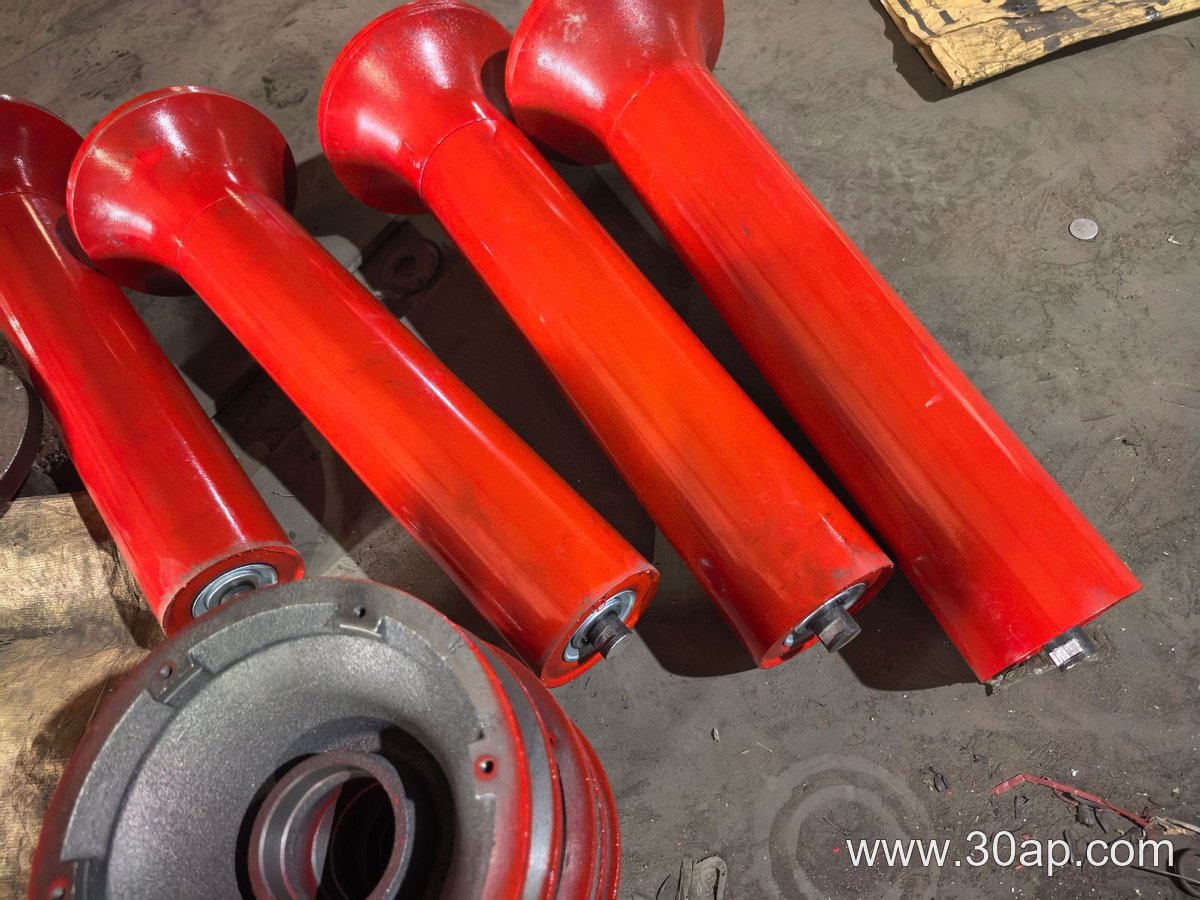
Troughing idlers are arranged as single-roll, two-roll, or three-roll sets. A three-roll troughing set with a 20, 30, 35, or 45 degree trough angle is common for carrying ore. The trough angle influences how the ore sits on the belt and how much spillage occurs at the edges. Return idlers are usually flat or V-shaped and support the empty belt on the lower run. Impact idlers with rubber rings are placed under loading points. Training idlers, including friction and tapered types, help keep the belt centered. Transition idlers sit between the pulley and the full troughing section to reduce belt stress.
Belt width and roller diameter should be matched by design, not by habit. Roller diameters such as 63, 76, 89, 102, 108, 127, 133, 159, 178, 194, and 219 mm are common references, and belt widths from B400 to B2400 are used in different systems. A wider belt does not automatically require one fixed pulley diameter, and shaft size is determined by load and bearing selection rather than belt width alone.
What Buyers Should Check
- Bearing and seal quality for the actual dust and moisture level
- Shell thickness and roundness, which affect roller life and belt tracking
- Roller length and trough angle compatibility with the existing conveyor bracket
- Impact protection at transfer points, where rubber-ring buffer rollers may be needed
- Availability of replacement parts, since idler sets are consumables in ore duty
Maintenance teams should also check that the idler rotates freely, that the bracket is aligned, and that the belt does not rub against the roller ends. A seized roller can wear the belt cover quickly, while a misaligned bracket can cause edge damage and mistracking. In practice, a spare set of troughing and return idlers kept on site reduces downtime more than any single premium feature.
An ore conveyor idler is a simple component, but it sits at the center of conveyor reliability. Selecting the right roller type, shell, seal, and bearing for the ore and the environment is what keeps a belt system running.