What the NN100 Conveyor Belt Is
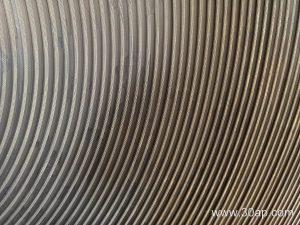
An NN100 Conveyor Belt is a rubber conveyor belt built around a nylon-nylon fabric carcass. The abbreviation NN stands for nylon warp and nylon weft, and the number 100 refers to the nominal tensile strength of the fabric layers in newtons per millimeter per ply. In everyday workshop language, this product is also called a nylon conveyor belt or NN belt. It is a general-purpose, fabric-reinforced belt rather than a steel cord belt or a solid-woven PVC belt, and that distinction matters when matching the belt to the conveyor structure and the load.
How the Belt Is Constructed
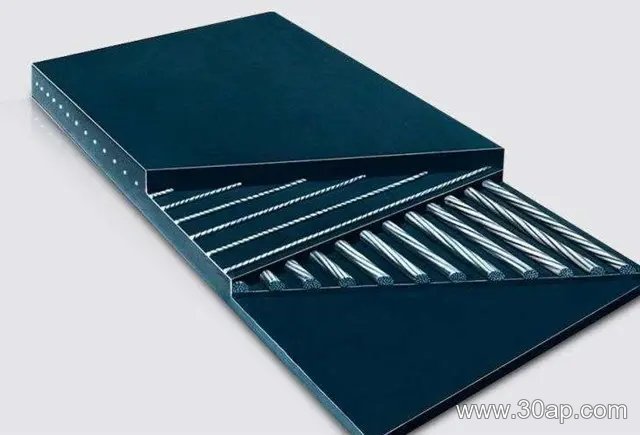
The carcass is the load-bearing part. Multiple plies of nylon fabric are bonded together with rubber skim compound, then covered on both sides with rubber covers. Common cover grades include abrasion-resistant, heat-resistant, oil-resistant, flame-retardant, antistatic, cold-resistant, and acid-alkali-resistant formulations. Buyers often see cover thickness written in pairs such as 4+2, 5+2, or 6+2 mm, where the first figure is the top cover and the second is the bottom cover. The number of plies typically ranges from two to six, depending on the required strength and the belt width.
Nylon is chosen because it stretches less under load than cotton, has good fatigue resistance, and absorbs impact well. That makes the NN carcass suitable for conveyors where material falls onto the belt from a height or where the belt passes over relatively small pulleys. The belt is not, however, dimensionally rigid like a steel cord belt; elongation under tension is part of its behavior and must be considered during take-up design.
Where It Is Used
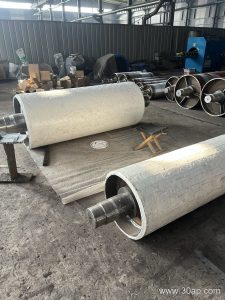
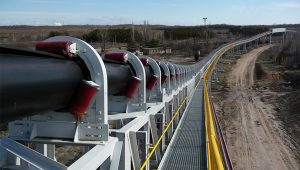
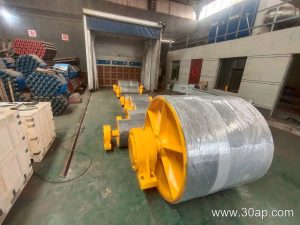
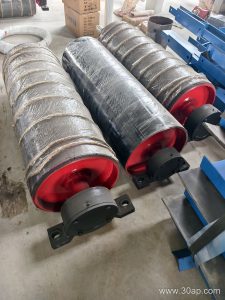
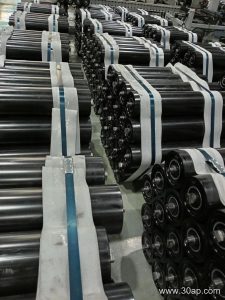
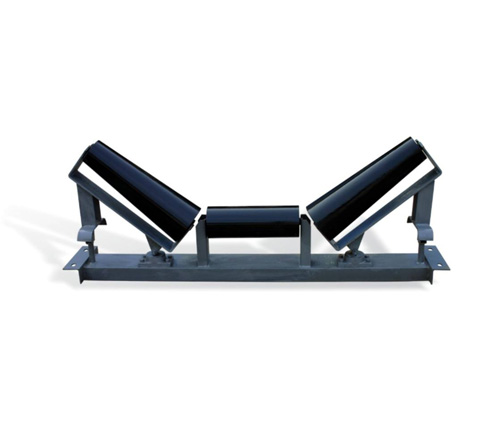
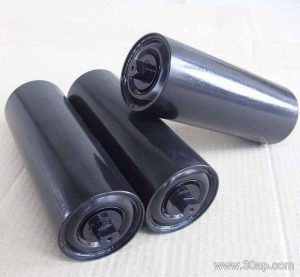
Typical applications include bulk handling of crushed stone, sand, gravel, coal, grain, fertilizer, and packaged goods in factories, ports, mines, quarries, and processing plants. The belt runs over a conveyor pulley at the head and tail, supported along the carrying side by idler rollers and guided by conveyor brackets and frames. Drive pulleys, tail pulleys, and bend pulleys each have their own function and should not be treated as interchangeable. A troughing idler set shapes the belt into a trough for higher capacity, while a flat return idler supports the empty side.
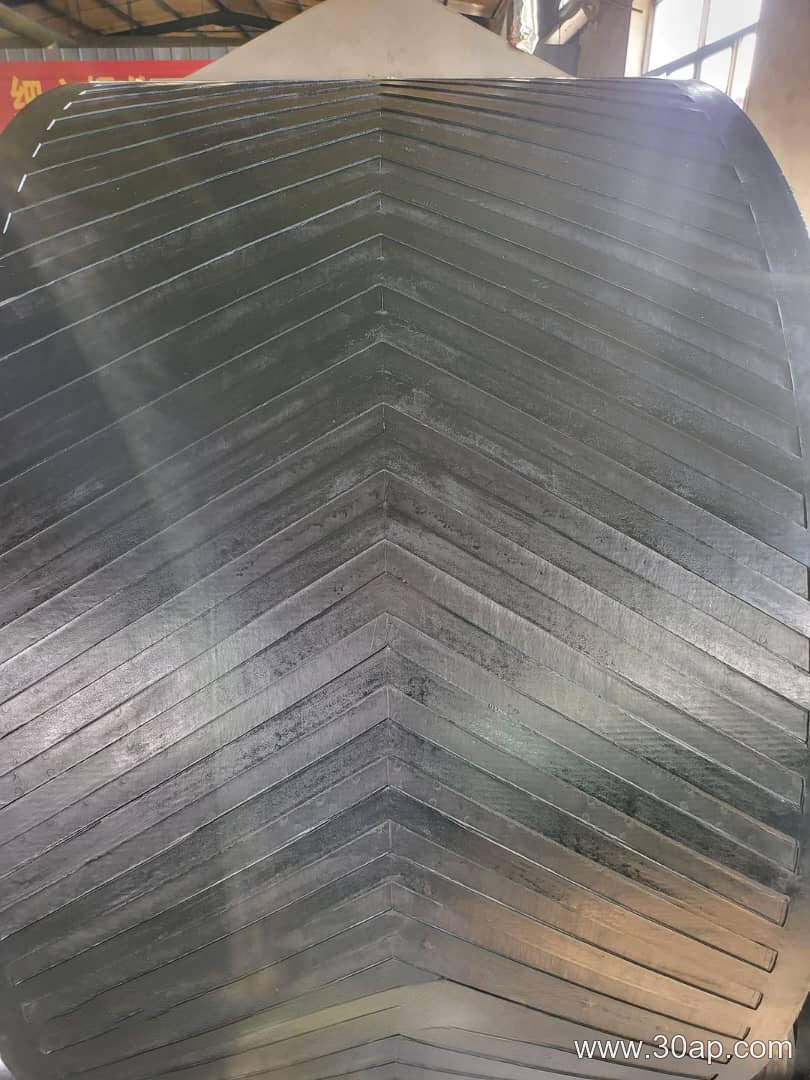
NN100 is often used on medium-duty conveyors with moderate tension. If a conveyor is short, lightly loaded, or operates at moderate speed, an NN100 belt may be a sensible choice. For very long flights, high tonnage, or severe impact, a higher-strength nylon belt or a steel cord belt is usually compared instead. The comparison is about tension demand, not about one product being universally better.
Specification Points a Buyer Should Check
- Belt width: B500, B650, B800, B1000, and wider sizes exist; the correct width comes from the conveyor design, not from habit.
- Number of plies and strength grade: the NN100 designation describes the fabric strength class, while the ply count sets total belt strength.
- Cover thickness and compound: 3+1.5, 4+2, 5+2, 6+2, and 8+3 mm are common combinations; the right choice depends on material abrasiveness, lump size, and temperature.
- Pulley diameters: these are determined by the conveyor designer using belt tension, ply count, and the manufacturer’s minimum pulley recommendations. A given belt width does not dictate one fixed pulley diameter, and shaft diameter is a separate calculation based on torque and load.
- Take-up and splice: nylon belts need adequate take-up travel for initial elongation. Vulcanized splices are common for permanent joints, while mechanical fasteners may be used for temporary repairs.
Handling and Maintenance Notes
Correct storage matters. Keep the belt away from direct sunlight, ozone sources, and oils before installation. During operation, check that material is loaded centrally, that the belt is not rubbing against the structure, and that idler rollers turn freely. A misaligned belt often traces back to skewed idlers, off-center loading, or a pulley that is not square to the conveyor centerline. Inspect the splice regularly because it is usually the weakest point in the belt line.
When ordering, describe the application rather than only the belt name: material type, lump size, capacity, conveyor length, incline angle, ambient temperature, and pulley diameters. That information lets the supplier recommend a suitable NN100 Conveyor Belt construction instead of guessing. Because manufacturers differ in fabric, rubber compound, and tolerances, the final specification should always be confirmed against the actual conveyor design and the supplier’s current data sheet.