What a Large Pulley Actually Is
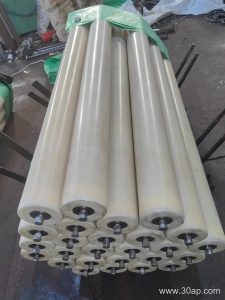
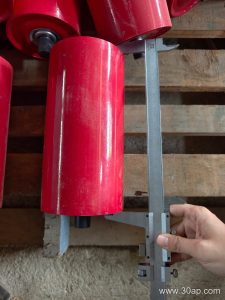
A large pulley, often called a large conveyor pulley or large drum pulley, is the cylindrical rotating component at the heart of a belt conveyor. It carries the conveyor belt, transfers motion, and helps maintain belt tension and tracking. Unlike small idler rollers that merely support the belt along its path, this component is a driven or load-bearing drum large enough to handle significant belt pull, torque, and material load. In many industrial settings, it is simply referred to as a drum pulley, but the term “large” signals its role in heavy-duty or high-capacity systems where standard sizes would be undersized.
How a Large Pulley Is Built
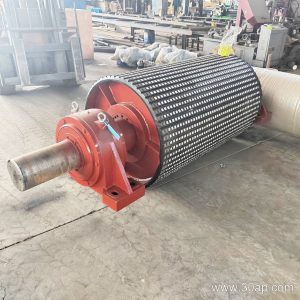
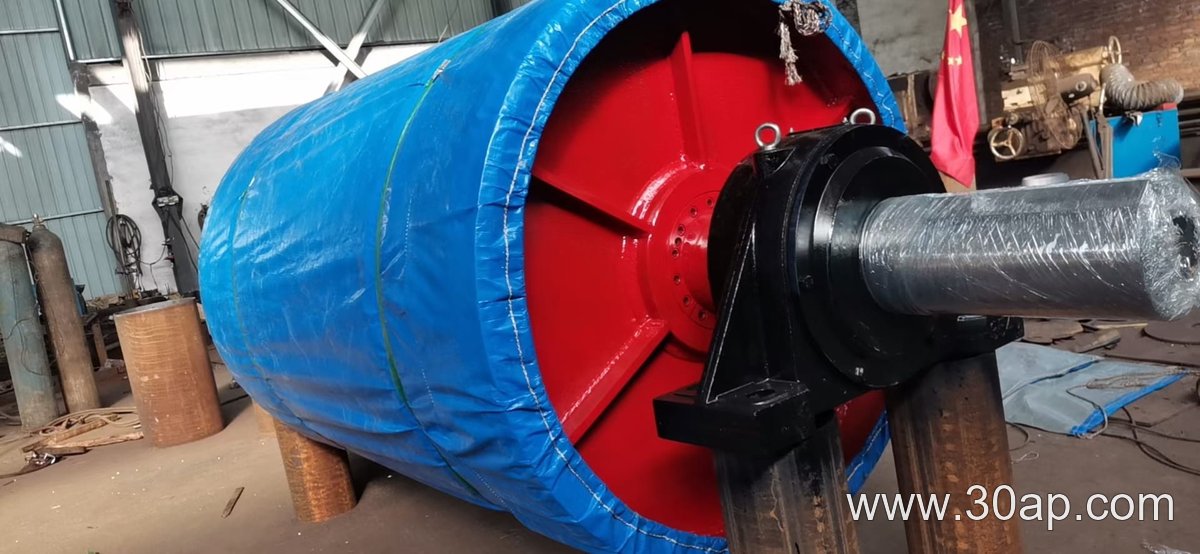
The construction of a large pulley typically includes a cylindrical shell, two end discs, a shaft, and sometimes a hub or locking assembly. The shell is usually made from seamless steel pipe or rolled steel plate, machined to ensure concentricity. The shaft is sized according to torque and load, not simply by belt width. For example, common shaft diameters range from Ø50 mm up to Ø200 mm or more, but the final choice depends on the drive power, belt tension, and bending moments. The end discs connect the shell to the shaft and are often welded or bolted. Surface treatment matters too: a plain finish may be used for non-driven positions, while rubber lagging — applied by cold bonding, hot vulcanization, or ceramic tiles — improves grip and reduces slip. Lagging thickness commonly ranges from 8 mm to 20 mm, with diamond or herringbone patterns helping to shed water and debris.
Where You Will See It at Work
Large pulleys appear in several conveyor positions, but they are not interchangeable with other pulley types. A drive pulley transmits power from the motor to the belt. A tail pulley sits at the rear and helps keep the belt aligned. A bend pulley changes the belt direction, while a take-up pulley maintains tension. Each has a distinct function and should be selected accordingly. You will find these components in quarries, limestone mines, iron ore operations, coal preparation plants, aggregate crushing and screening lines, cement clinker handling, and power station coal feeding. They also serve in port bulk terminals, steel mills, sinter plants, concrete batching stations, tunnel mucking, fertilizer plants, and grain silos. A large pulley in a primary crushing circuit, for instance, must handle coarse, abrasive rock, whereas one in a grain silo deals with a lighter, cleaner load. The working environment often dictates the surface finish, shaft size, and bearing selection.
Matching the Pulley to the Conveyor Belt
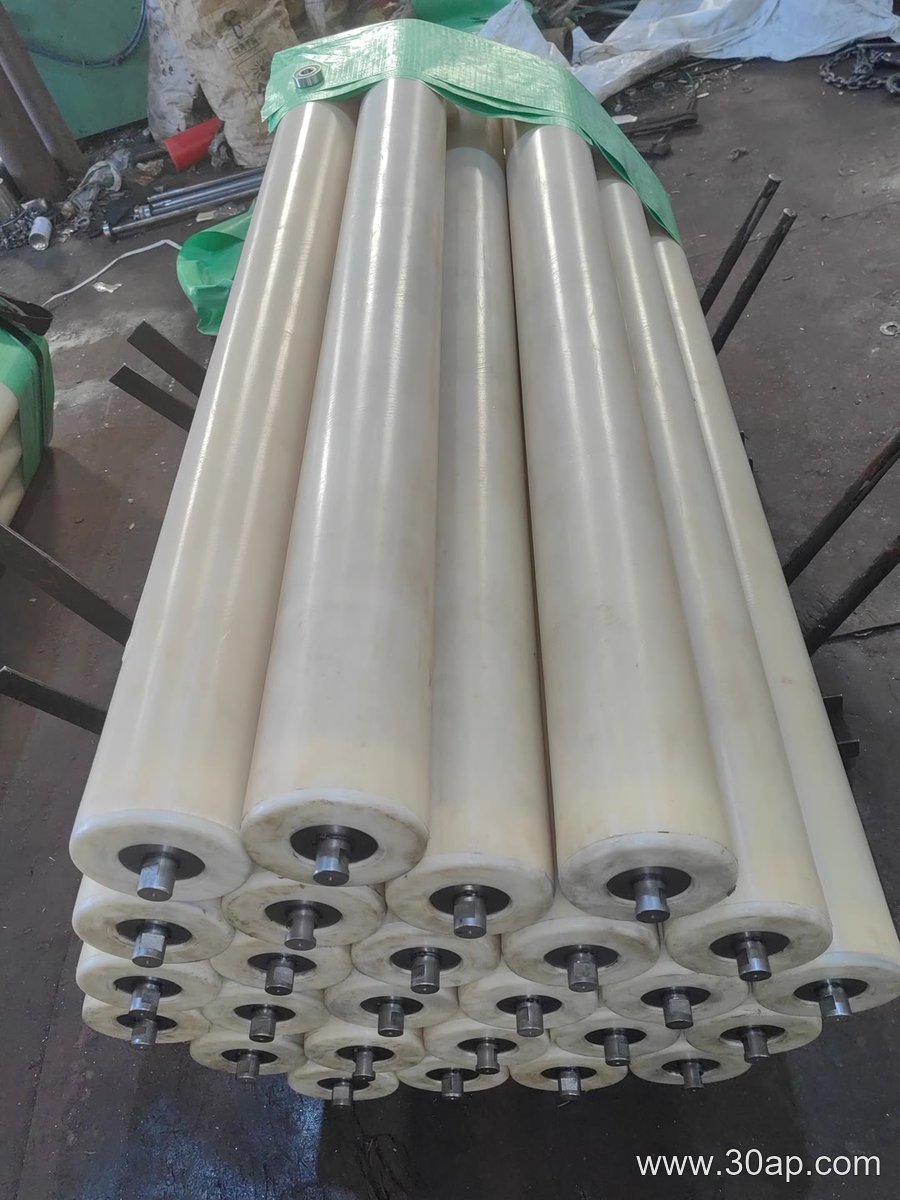
One of the most common questions from buyers is how to match a large pulley to a given belt width. The rule is simple: the pulley face width should be slightly wider than the conveyor belt. For example, a B400 belt often uses a pulley face width of about 500 mm, while a B1200 belt may require roughly 1400 mm. However, there is no fixed rule that says one belt width can only pair with one pulley diameter. A B800 belt could run on a Ø500 mm pulley in a light-duty application, but the same belt width might need a Ø800 mm or larger diameter in a high-tension, high-speed line. Diameter selection depends on belt speed, wrap angle, torque, and the allowable belt stress. Common diameters include Ø200, Ø250, Ø315, Ø400, Ø500, Ø630, Ø800, Ø1000, Ø1250, Ø1400, Ø1600, and Ø1800 mm. None of these is mandatory for a given belt width.
Surface Options and Their Purpose
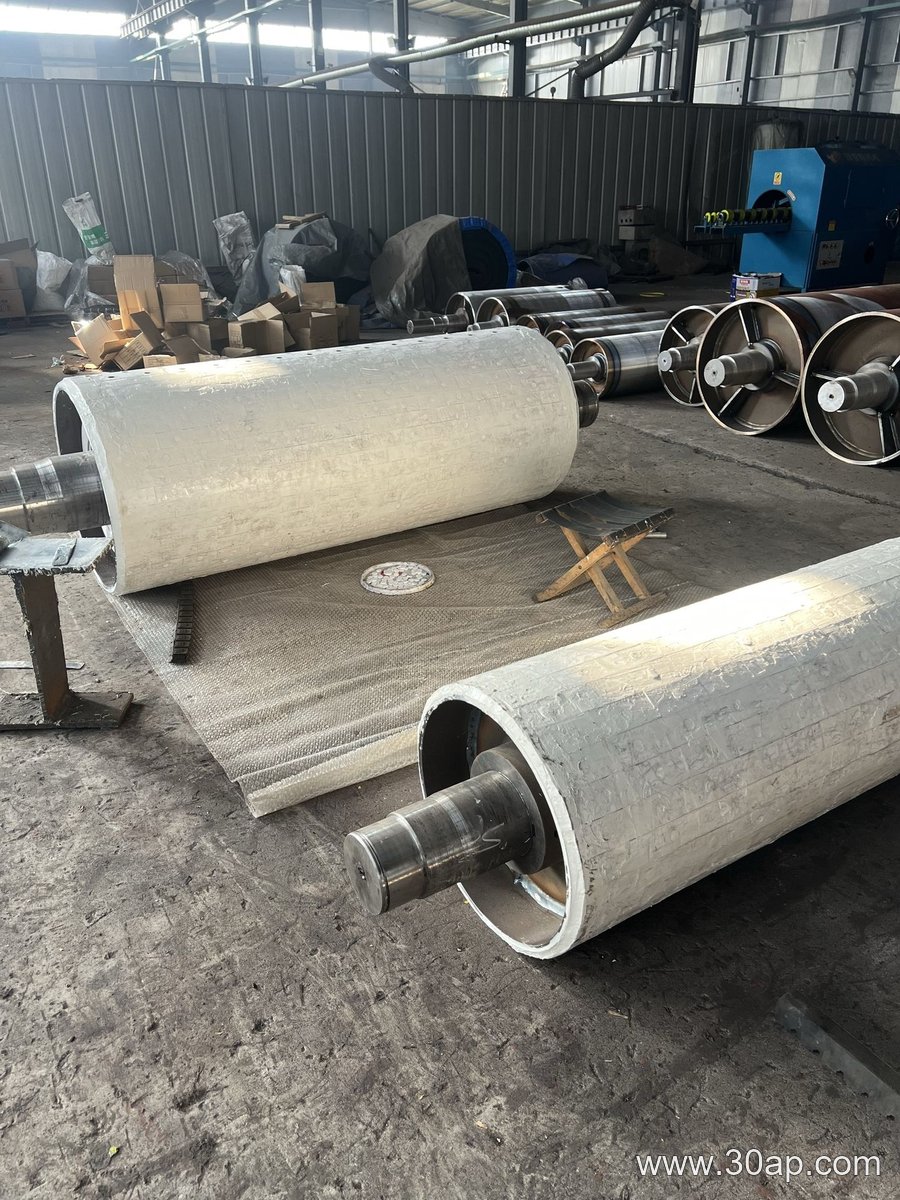
The surface of a large pulley can be plain, rubber-lagged, or ceramic-lagged. Plain steel is suitable for non-drive positions where grip is not critical. Rubber lagging — whether cold-bonded, hot-vulcanized, or in diamond or herringbone pattern — increases friction between the pulley and the belt, reducing slip and wear. Ceramic lagging offers even greater grip and is often chosen for wet or oily conditions. Lagging thickness is typically 8, 10, 12, 15, or 20 mm, and the choice depends on the required coefficient of friction and the belt’s tension. A larger pulley with proper lagging can extend belt life and reduce the risk of misalignment.
What a Buyer Should Check Before Ordering
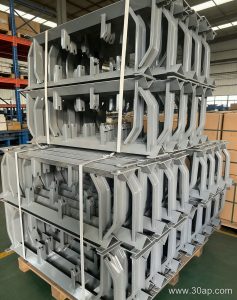
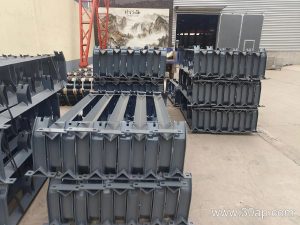
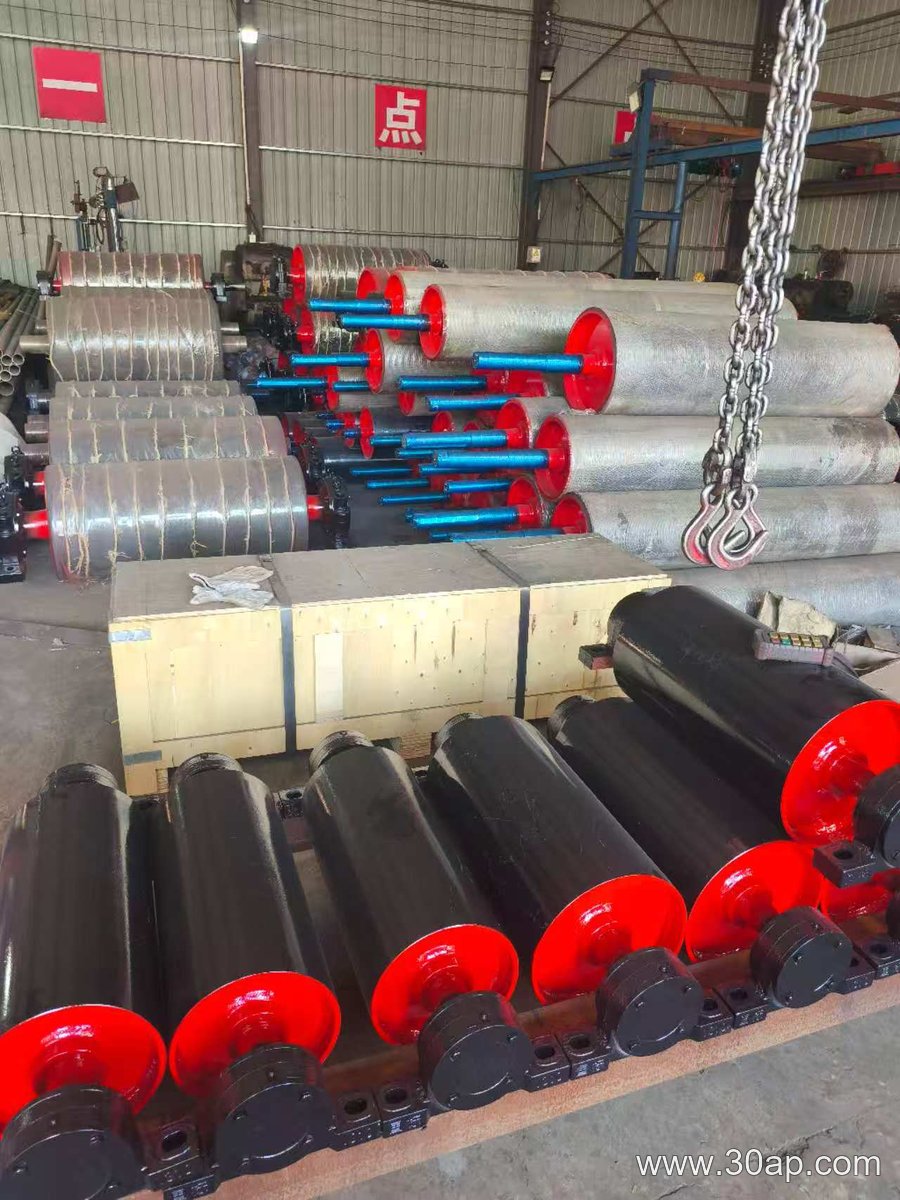
When specifying a large pulley, start with the conveyor layout. Identify whether the pulley will act as a drive, tail, bend, or take-up unit. Then gather the belt width, belt speed, motor power, and expected load. The shaft diameter should be calculated from the actual torque and bending load, not copied from a table based on belt width alone. Next, decide on the surface finish. If the pulley will operate in a dusty or wet environment, lagging is usually recommended. Consider the bearing type and housing, as well as the method of shaft locking — keyed, shrink disc, or locking assembly. Finally, confirm the face width and diameter with the conveyor designer. A large pulley is not a standalone item; it works with the conveyor belt, idler rollers, and conveyor brackets to keep the system running smoothly. Do not assume that a larger diameter is always better; an oversized pulley may increase costs and require more space without improving performance. Conversely, an undersized pulley can cause belt slippage, excessive wear, and premature failure. The right choice balances load, speed, space, and budget.
Maintenance and Long-Term Reliability
Large pulleys are robust, but they still need attention. Check lagging for wear or glazing, especially on drive pulleys. Inspect the shaft and locking assembly for looseness. Lubricate bearings according to the manufacturer’s schedule. Keep the pulley surface clean; material buildup can cause belt tracking problems. If the pulley is part of a critical circuit, keep a spare lagging sheet or a replacement pulley on hand. With proper care, a large pulley can serve for many years, even in harsh mining or aggregate operations.