What EP1250 Conveyor Belt Means in Practice
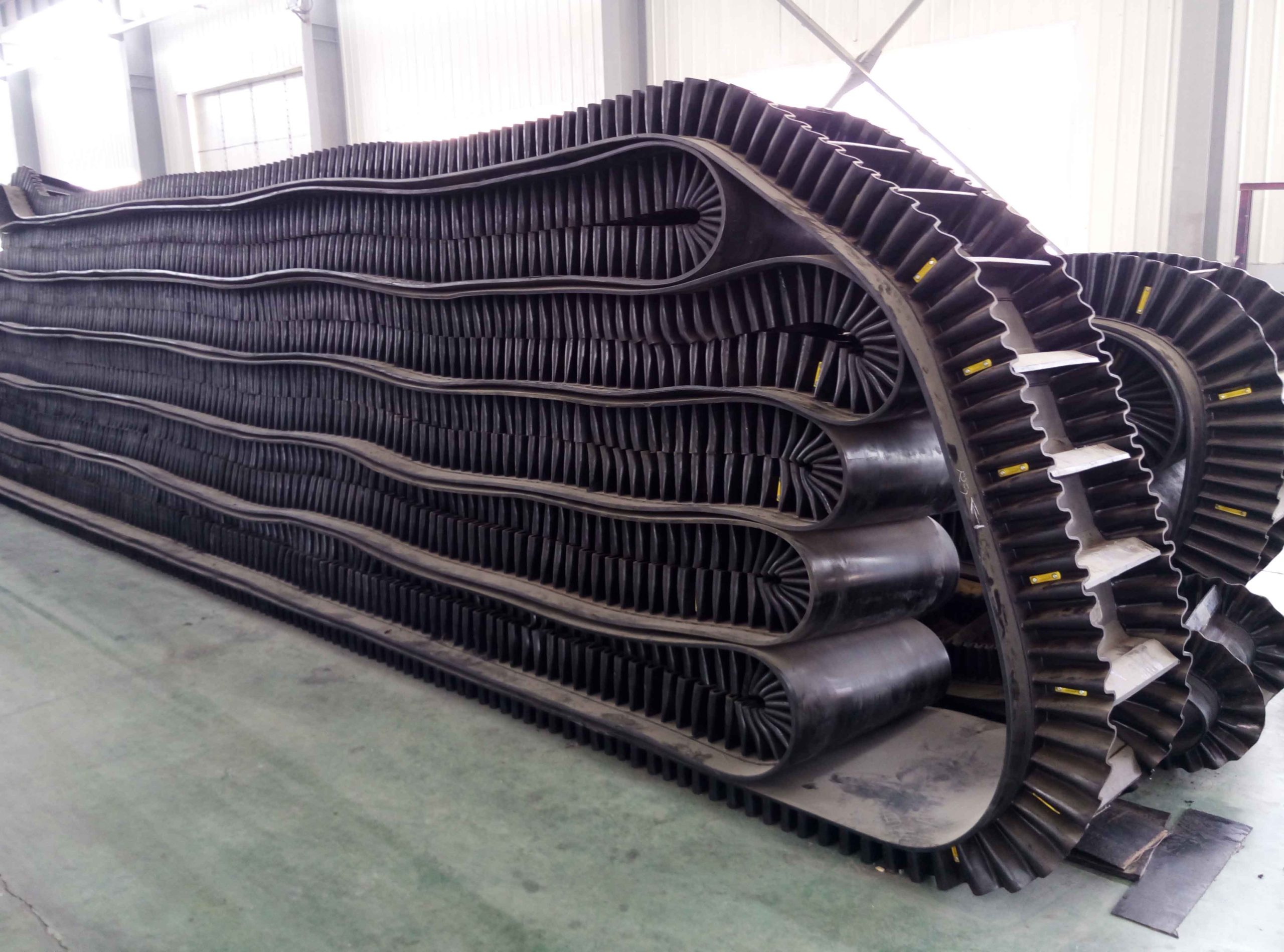
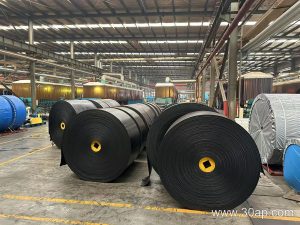
EP1250 conveyor belt is a heavy-duty rubber belt built on an EP (polyester-nylon) fabric carcass with a nominal tensile strength of 1250 N/mm per ply. The “EP” stands for the warp polyester and weft nylon yarns used in the fabric. That combination gives the belt low stretch in the length direction and good resistance to impact and tear across the width. It sits in the middle-to-upper range of the common EP strength ladder, above EP1000 and below EP1600, so it is often chosen for long overland runs, primary crusher discharge, and medium-to-high capacity bulk handling where a single, reliable belt is preferred over a lighter construction. The accurate equivalent name is polyester-nylon conveyor belt, grade EP1250, and that is the same product described throughout this article. It is not a steel cord belt and not a PVC or PVG solid-woven belt.
How the Belt Is Built
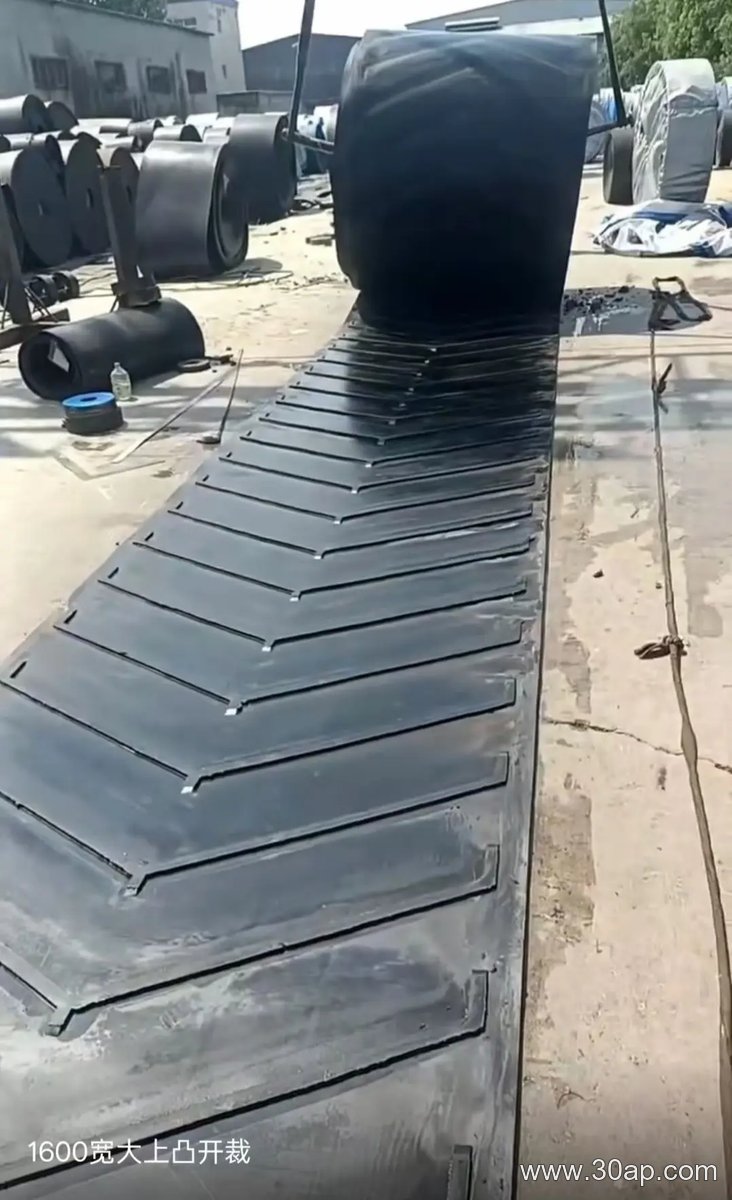
A typical EP1250 belt is assembled from several layers. The carcass usually carries 2 to 6 fabric plies, depending on the required strength and the safety factor the designer applies. Each ply contributes to the rated breaking strength, so the ply count and the cover thickness are selected together rather than independently. On top of the carcass sit the top and bottom rubber covers. Common cover combinations include 4+2 mm, 5+2 mm, 6+2 mm and 8+3 mm, though 3+1.5 mm also appears on lighter duties. The covers protect the fabric from abrasion, moisture and the material being carried. The belt edges may be cut square or moulded, and for special duties the covers can be formulated as wear-resistant, heat-resistant, oil-resistant, flame-retardant, antistatic, cold-resistant or acid and alkali resistant. These are compound choices, not separate product types.
Where EP1250 Belts Are Used
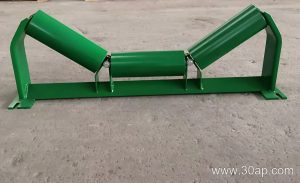
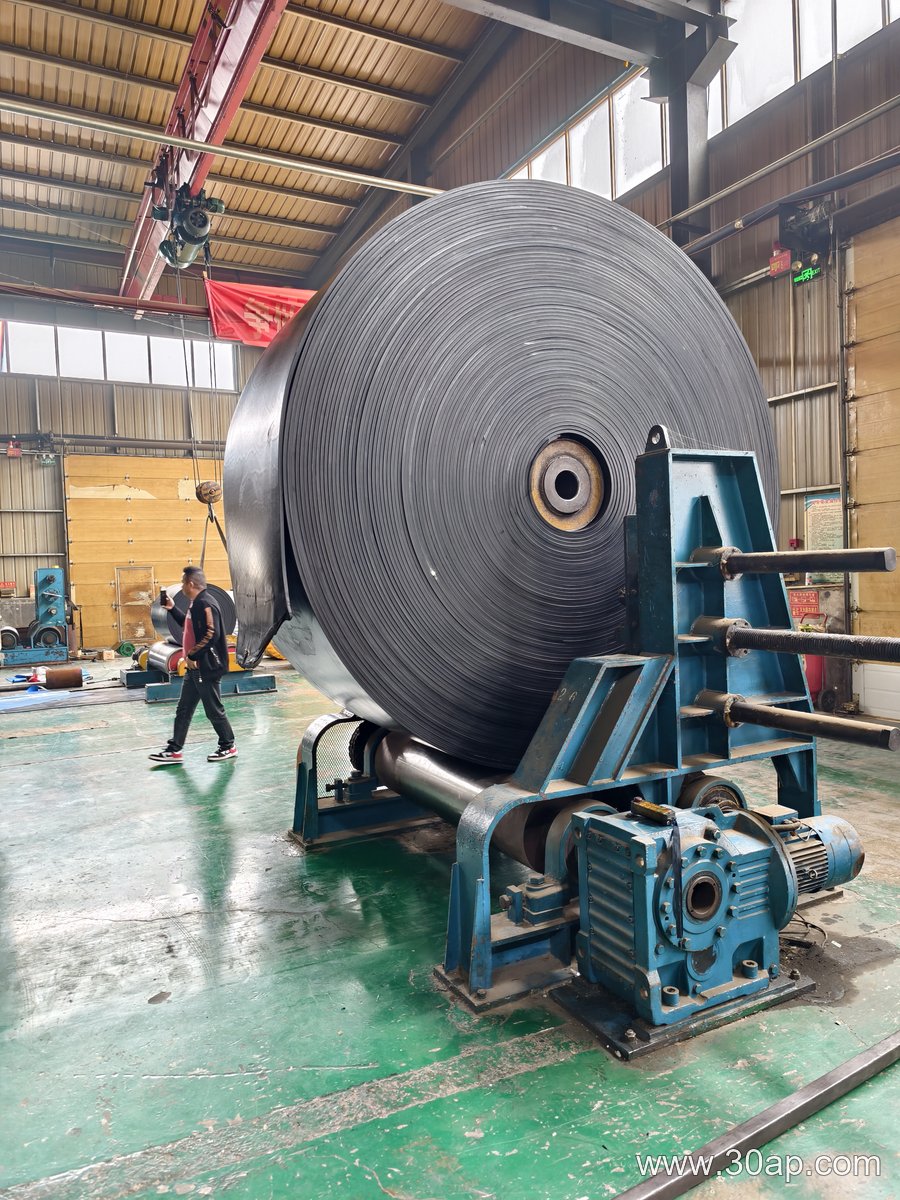
This grade suits conveyors that move crushed rock, ore, coal, sand, gravel, clinker, fertiliser and similar bulk solids. It is common on primary and secondary crushing lines, stockyard conveyors, shiploading and shiploading-receiving systems, and long-distance overland conveyors where belt stretch must stay controlled. Because the EP carcass absorbs impact well, it is also seen under loading points that receive material from a drop height. On the same conveyor you will normally find a drive pulley, a tail pulley and one or more bend pulleys, plus idler rollers supporting the belt along the carrying and return runs. Each of those components has its own job: the drive pulley transmits power, the tail pulley changes direction at the loading end, and bend pulleys redirect the belt without driving it. They are not interchangeable names, and a belt selection should not be based on pulley naming alone.
Specification Points a Buyer Should Check
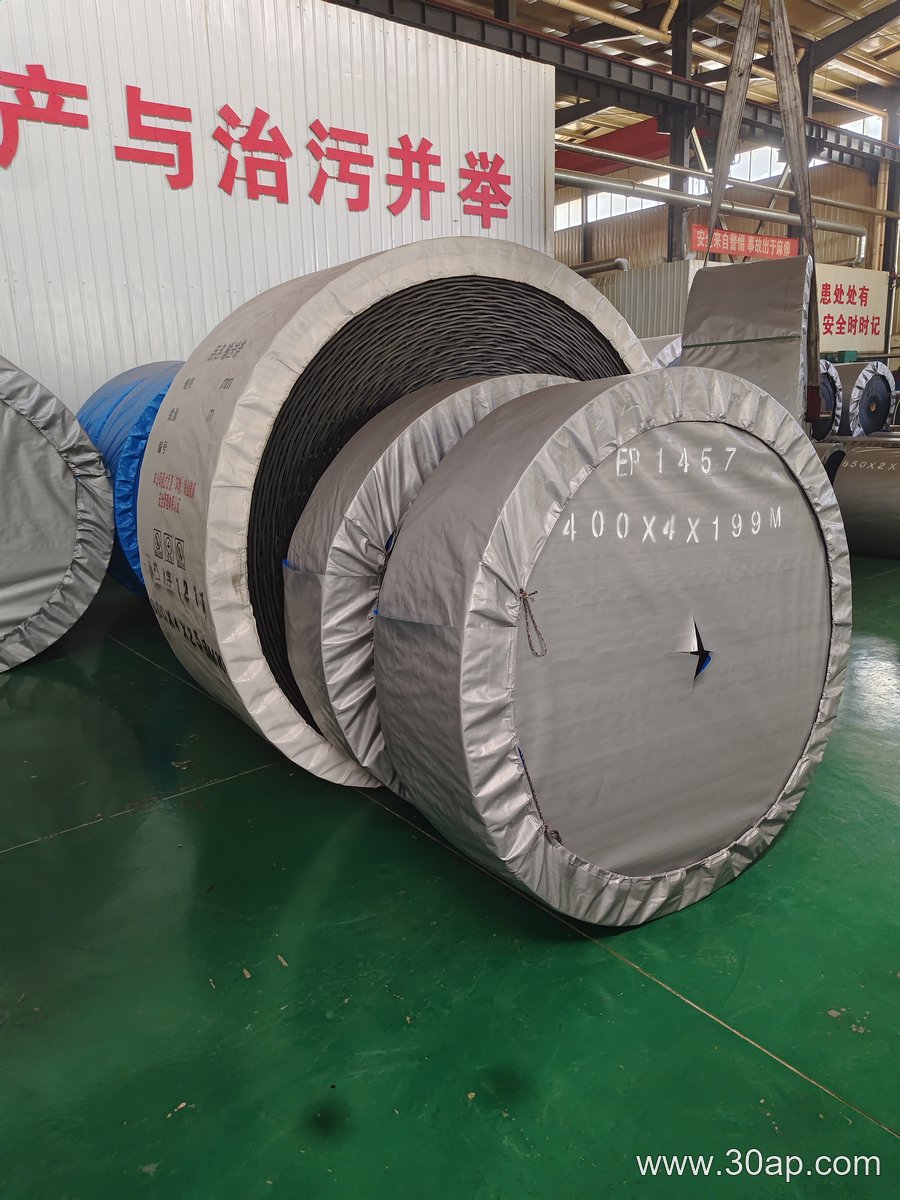
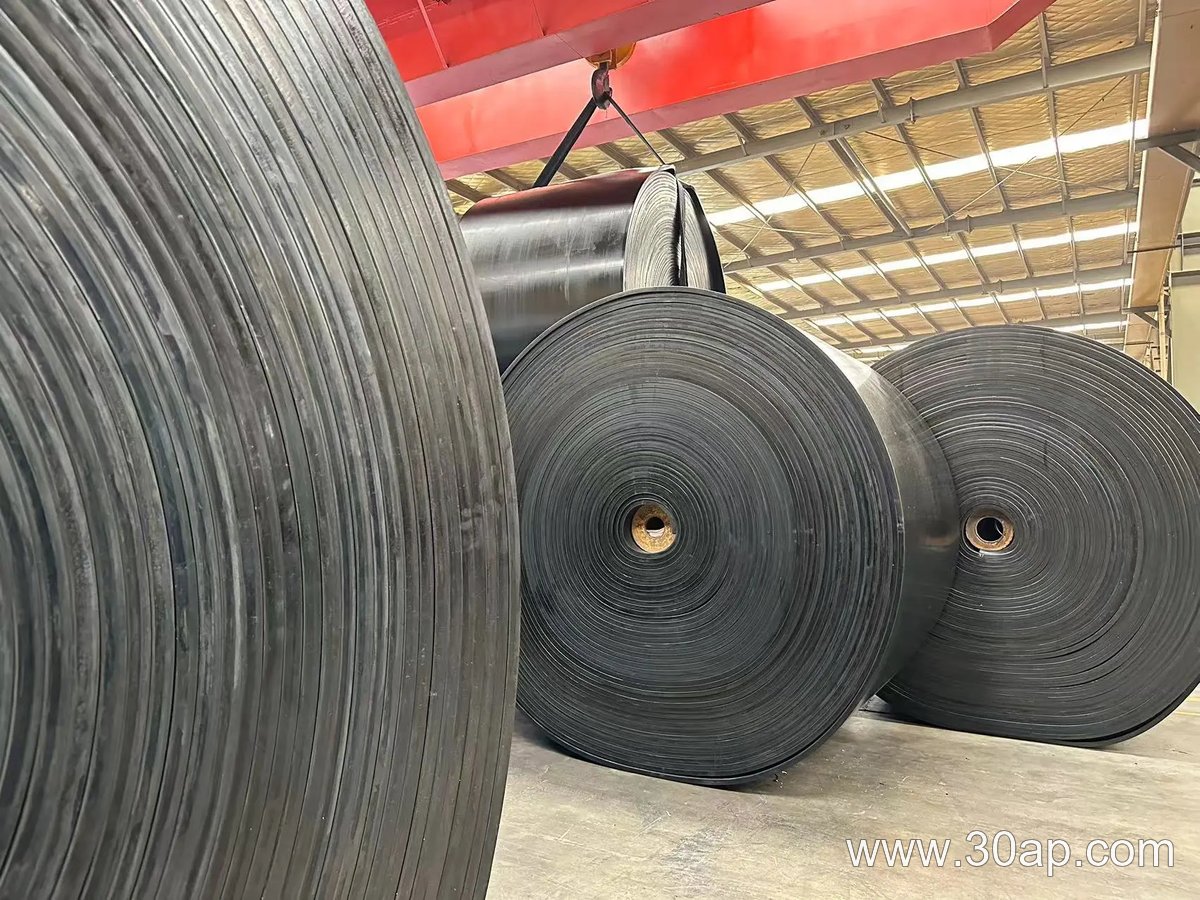
Before ordering, confirm the belt width, the number of plies, the cover thickness and the cover grade. Widths such as B800, B1000, B1200, B1400 and B1600 are common, but the correct width comes from the conveyor design, not from a catalogue default. The belt width must match the pulley face and the troughing idlers, and it must be wide enough for the lump size and capacity. Do not assume that one belt width can only match one pulley diameter; the pulley diameter is set by the belt construction, the required wrap angle and the tension, and the shaft diameter is a separate mechanical calculation, not something derived from belt width alone. Ask for the carcass ply count, the fabric type, the cover compound, the edge construction and the splice method. A hot or cold vulcanised splice is usual for permanent joints on high-tension belts, while mechanical fasteners may be used for temporary repairs.
Conditions That Affect Service Life
EP1250 conveyor belt performs best when the conveyor is aligned, the loading chute is centred, and the idler rollers turn freely. Misalignment causes edge wear; a stalled idler roller can cut or groove the bottom cover. Material build-up on the tail pulley increases belt wander. High-temperature material needs a heat-resistant cover, and oily or greasy material needs an oil-resistant compound. In cold climates a cold-resistant cover helps the belt stay flexible. Flame-retardant and antistatic grades are chosen for underground or dusty environments where ignition risk must be controlled. None of these variants changes the basic EP1250 identity; they change the rubber around the same polyester-nylon carcass.
Selection and Maintenance Notes
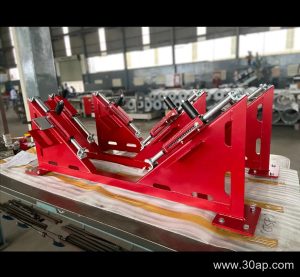
When comparing options, a buyer may look at other carcass types such as NN nylon belts or steel cord belts, or at PVC and PVG belts for lighter or fire-sensitive duties. That comparison is useful, but it should not replace the EP1250 specification when the duty calls for it. For maintenance, check belt tracking, splice condition, cover wear and pulley lagging at regular intervals. Keep the conveyor brackets and supporting structures tight and square. Record the belt’s installation date and the operating hours so that wear can be trended rather than guessed. If a replacement is needed, take the original belt data, the measured width and the ply count to the supplier rather than matching by eye. Used correctly, an EP1250 belt gives a dependable balance of strength, low stretch and impact resistance for demanding bulk conveying.